Azin Asro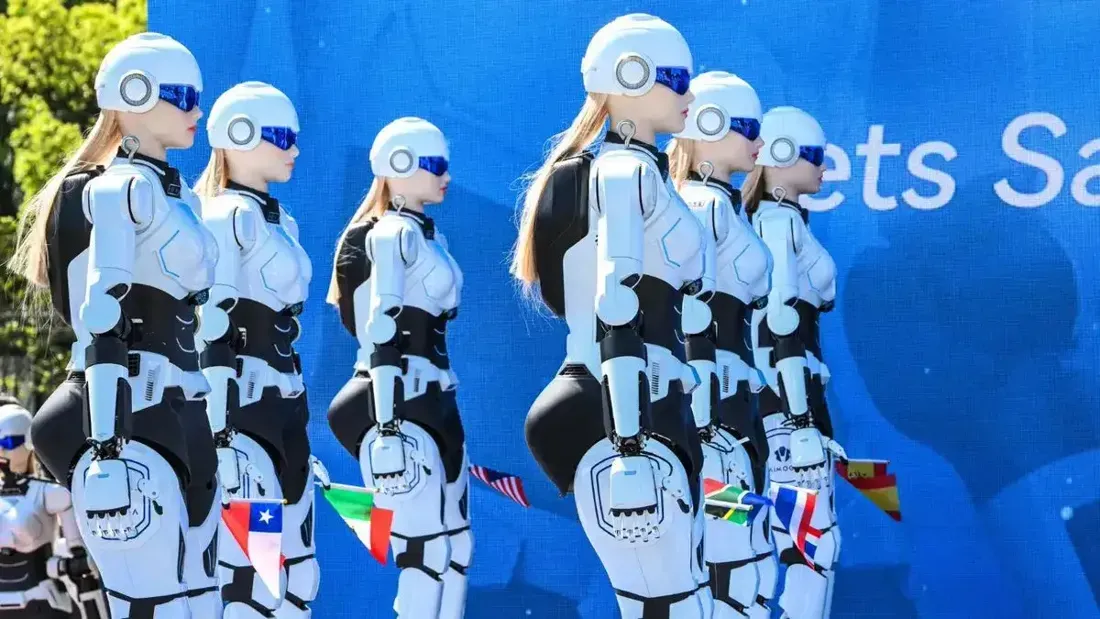
The global industrial landscape is witnessing a seismic shift as Chery Group, one of China’s preeminent automotive manufacturers, begins a high-stakes transition from a traditional vehicle producer to a comprehensive high-tech innovation enterprise. This strategic pivot was recently underscored by Yin Tongyue, Chairman of Chery Group, during a series of briefings in Wuhu, China, where he articulated a vision of the future in which the robotics industry eventually eclipses the automotive sector in scale, utility, and market penetration. Chery’s aggressive entry into the robotics market is not merely a pilot project or a marketing exercise; it is a fundamental realignment of the company’s core business units, manifested through its specialized subsidiary, AiMOGA. By launching and actively selling sophisticated humanoid and quadruped robots, Chery is positioning itself at the vanguard of the next industrial revolution, driven by Artificial Intelligence (AI) and advanced mechanical engineering.
The Dawn of the Personal Robot Era
Chairman Yin Tongyue’s vision for the future is predicated on the democratization of robotic technology, drawing a direct parallel between the evolution of personal transportation and mobile communication. He noted that just as the 20th century saw the car become a household staple and the 21st century saw the smartphone become an indispensable personal tool, the coming decades will likely see every individual owning one or more robots. This perspective suggests that robotics will transcend industrial applications to become a pervasive element of daily life, assisting with domestic chores, providing companionship, and streamlining professional services.
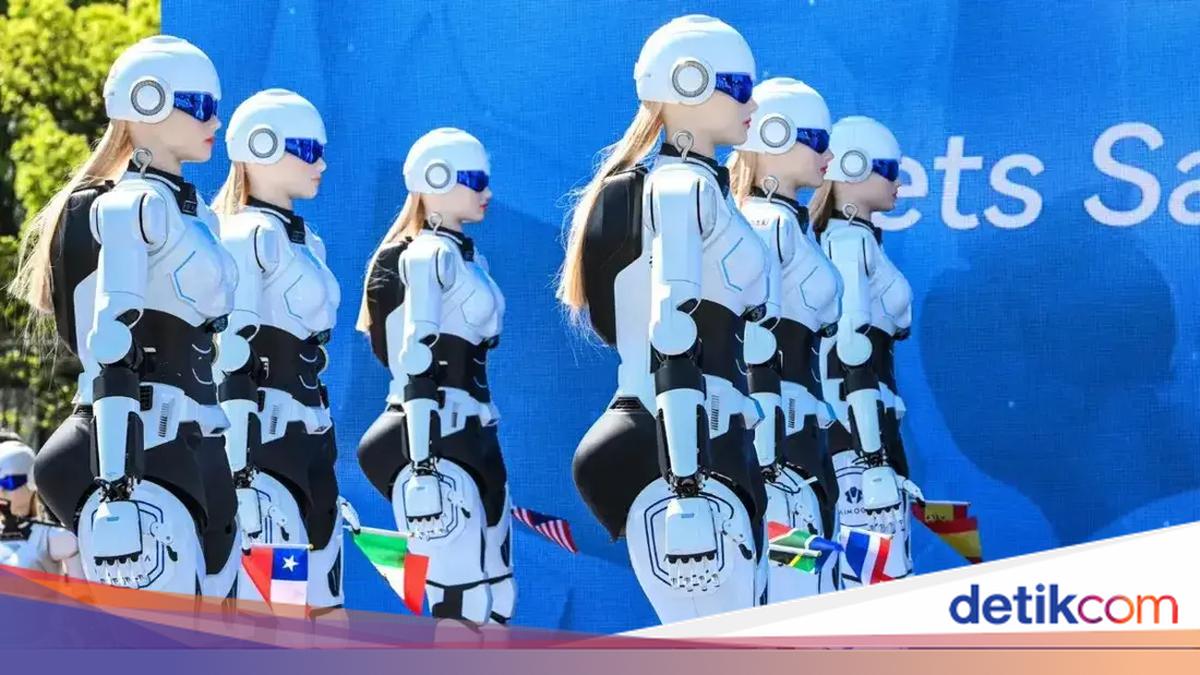
To catalyze this vision, Chery has utilized its extensive research and development infrastructure to launch the Mornine M1, a humanoid robot designed with a lifelike aesthetic. Unlike the more utilitarian, skeletal designs seen in early robotic prototypes, the Mornine M1 features a humanoid form, complete with a face, long hair, and glasses, intended to make it more approachable in commercial and service-oriented environments. This design choice reflects a strategic focus on "social robotics," where the machine’s ability to interact naturally with humans is as critical as its physical capabilities.
Commercial Availability and Market Positioning
Perhaps the most significant aspect of Chery’s robotics venture is its immediate commercial availability. While many global tech giants are still in the testing phases of humanoid development, Chery has already listed its robots for sale through major e-commerce channels in China. The pricing strategy for these units indicates an intent to move beyond the experimental phase and into mass-market adoption.
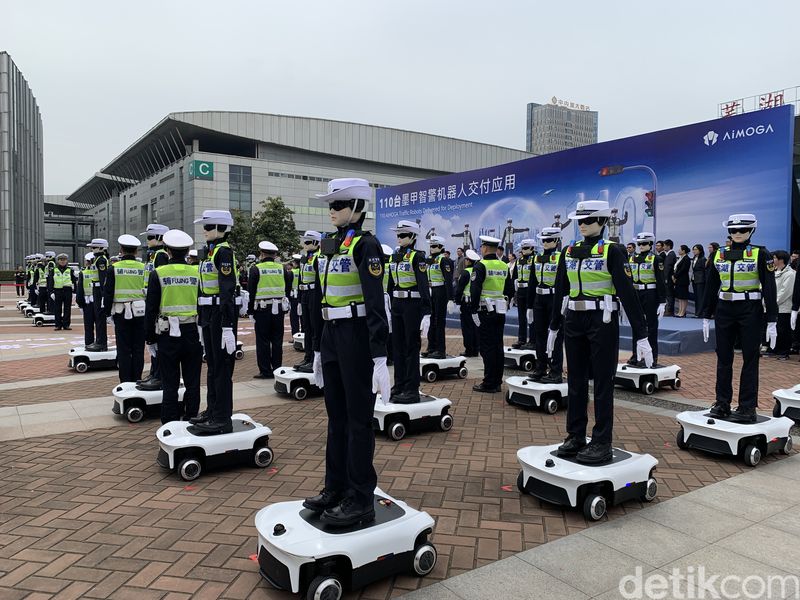
The Mornine M1 humanoid robot is currently priced at 285,800 yuan, which converts to approximately $40,000 or Rp 716 million. While this price point remains high for the average consumer, it is remarkably competitive within the robotics industry, where high-end humanoid units often cost hundreds of thousands of dollars. The Mornine M1 is being marketed for various commercial scenarios, including customer service, retail assistance, and even specialized roles such as traffic management. In recent demonstrations, the robot was showcased in a traffic police uniform, highlighting its potential to assist in public safety and urban management.
In addition to the humanoid model, Chery’s subsidiary AiMOGA is catering to a different segment of the market with the Argos X1, a quadruped robot or "robot dog." Priced at a more accessible 15,800 yuan (approximately $2,200 or Rp 39 million), the Argos X1 is designed for agility and versatility. Such robots are increasingly being used for site inspections, security patrols, and as interactive high-tech pets. By offering a range of products at different price points, Chery is building a multi-tiered robotics ecosystem.
The Strategic Foundation: From Cars to AI
The transition toward robotics is a calculated move that leverages Chery’s existing strengths in manufacturing, supply chain management, and electronic systems. As the automotive industry moves toward Software-Defined Vehicles (SDVs) and Autonomous Driving, the technological gap between a smart electric car and a mobile robot continues to narrow. Both require sophisticated sensors (LiDAR, cameras, ultrasonic), powerful AI processing units, complex battery management systems, and high-precision actuators.
Chery’s strategy was formally articulated during the AiMOGA global launch conference in October of last year. At that event, the company declared that the AiMOGA brand is a "key layout" in Chery’s broader Intelligent AI strategy. The focus is currently on commercial scenarios—offices, hospitals, retail spaces, and public infrastructure—where the return on investment for robotic labor is most immediate. However, the ultimate goal remains the consumer household.
Chairman Yin Tongyue has been vocal about his desire to redefine the company’s identity. "The last thing we want is to be defined as a traditional car company," Yin stated. "Instead, we want to be seen as a high-tech innovation company that is tangible for the future." This sentiment is reflected in the company’s massive investment in R&D, which spans across several global centers and focuses on breakthroughs in "new energy" (electric vehicles) and "new intelligence" (AI and robotics).
Global Context and Competitive Landscape
Chery’s move into robotics places it in direct competition with some of the world’s most powerful technology and automotive firms. The most notable peer in this space is Tesla, which is developing the "Optimus" humanoid robot. Tesla CEO Elon Musk has similarly predicted that the robotics business could eventually be worth more than Tesla’s automotive business. Other players include Xiaomi with its CyberOne humanoid and CyberDog, as well as established robotics firms like Boston Dynamics and startups like Figure AI, which recently secured significant backing from Microsoft and NVIDIA.
However, Chery’s advantage lies in its massive manufacturing scale and its ability to rapidly commercialize technology. As one of China’s largest exporters of vehicles, Chery has a global footprint that includes brands like Omoda, Jaecoo, Jetour, iCar, Exeed, and Luxeed. The company also maintains a high-profile joint venture with Jaguar Land Rover. This vast network provides the capital and the logistical infrastructure necessary to distribute robotic products globally once the technology matures and regulatory frameworks are established.
Economic and Industrial Implications
The implications of a car manufacturer successfully pivoting to robotics are profound. From an economic standpoint, the humanoid robot market is projected to grow exponentially. Financial analysts at Goldman Sachs have estimated that the global market for humanoid robots could reach $38 billion by 2035, driven by advancements in Large Language Models (LLMs) and motion control. By entering this market early, Chery is securing a first-mover advantage in a sector that could mitigate the impacts of labor shortages and aging populations in major economies like China, Japan, and parts of Europe.
Industrially, the integration of AI and robotics into the "Chery Ecosystem" suggests a future where the manufacturing of cars and robots becomes a symbiotic process. Robots will likely be used to build other robots, as well as the next generation of electric vehicles. This "smart factory" concept is already being implemented in Chery’s advanced manufacturing bases in Wuhu, which utilize high levels of automation.
Chronology of Chery’s Technological Evolution
To understand Chery’s current position, it is necessary to look at the timeline of its expansion:
- 1997: Chery Automobile is founded in Wuhu, Anhui Province, China.
- Early 2000s: Chery becomes the first Chinese automaker to export vehicles and begins establishing a global presence.
- 2010s: The company shifts focus toward "New Energy" vehicles and starts investing heavily in autonomous driving research.
- 2022: Chery announces its "Yaoguang 2025" strategy, pledging a massive investment in R&D over five years to cover areas like chips, software, and AI.
- October 2023: The AiMOGA brand is officially launched, signaling the start of the robotics division. The Mornine M1 prototype is introduced to the public.
- Early 2024: Chery begins the commercial rollout of the Mornine M1 and Argos X1, listing them on e-commerce platforms and showcasing them at international exhibitions.
- Present: Chairman Yin Tongyue confirms the strategic priority of robotics, suggesting the industry will surpass automotive in the long term.
Analysis: The Future of Chery and the Robotic Frontier
The transition from a "traditional car company" to a "future tech company" is a common trope in the modern corporate world, but Chery’s execution sets it apart. While many companies use robotics as a "halo project" to boost brand image, Chery’s decision to put a price tag on its units and offer them for sale indicates a commitment to creating a self-sustaining business unit.
The success of this venture will depend on several factors. First, the reliability of the AI—specifically the robot’s ability to navigate complex human environments safely—will be paramount. Second, the development of specialized software for different industries will determine the Mornine M1’s utility. If the robot can be easily programmed to act as a hospital receptionist, a museum guide, or a retail clerk, its value proposition increases significantly.
Furthermore, Chery’s expansion into Indonesia and other Southeast Asian markets provides a unique testing ground. With a growing middle class and a rapid digital transformation occurring in the region, there is a potential market for service robots in malls, hotels, and smart city projects. The presence of Chery’s automotive brands like Omoda and Jaecoo in Indonesia already provides the brand recognition needed to introduce its high-tech robotic counterparts.
In conclusion, Chery Group’s foray into the robotics industry via AiMOGA is a bold bet on the future of labor and technology. By pricing the Mornine M1 and Argos X1 for the commercial market, the company is moving past theoretical AI and into the realm of practical, scalable robotic solutions. As the lines between the automotive and technology sectors continue to blur, Chery is positioning itself not just to survive the transition, but to lead it, potentially transforming from a builder of cars into a builder of the mechanical workforce of the 21st century. The vision articulated by Yin Tongyue is clear: the future belongs to those who can integrate intelligence into every facet of human movement and service.