Chalifah Fatihah
Jakarta, Indonesia – The Balai Taman Nasional Komodo (BTNK), the governing body for Komodo National Park, has issued a crucial clarification regarding recent reports about diving restrictions within the UNESCO World Heritage site in Nusa Tenggara Timur (NTT). Contrary to widespread media coverage, BTNK has emphasized that the new regulation does not limit the actual dive duration to 20 minutes. Instead, it mandates a minimum 20-minute interval between successive diving groups at the same location.
This clarification addresses a potential misunderstanding that could significantly impact the visitor experience and operational efficiency for dive operators. The distinction is vital for both conservation efforts and the sustainable management of one of the world’s most biodiverse marine ecosystems.
Understanding the "20 Minutes Rule Komodo"
Andi Kefi, the head of BTNK’s Marine Affairs division, explained the rationale behind the policy in a statement to CNNIndonesia.com on Wednesday, April 29, 2026. "It needs to be corrected; it’s not the dive time that’s limited to 20 minutes, but the time interval between diving groups is 20 minutes," Kefi stated.
The primary objective of this rule is to prevent overcrowding at popular dive sites. By staggering the entry of diving groups, BTNK aims to reduce the cumulative pressure on the delicate marine environment. This measure is a proactive step towards safeguarding the park’s invaluable coral reefs and the rich tapestry of marine life they support.
Conservation Imperatives and the Coral Triangle Context
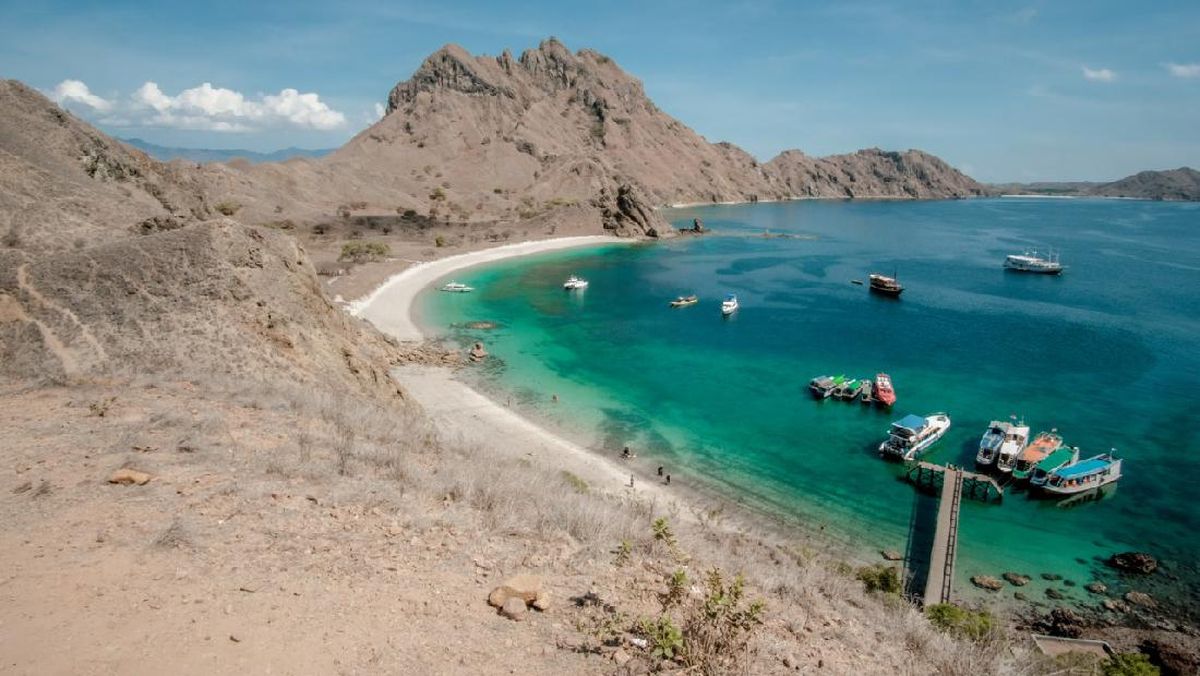
Komodo National Park, renowned for its iconic Komodo dragons, is also a globally significant marine conservation area. Its inclusion as a UNESCO World Heritage site underscores its universal value. Furthermore, the park lies within the Coral Triangle, a region celebrated for its extraordinary marine biodiversity, often referred to as the "Amazon of the Seas." This makes responsible management of tourism activities, particularly diving, paramount.
The "20 Minutes Rule Komodo" is rooted in established best practices for managing high-traffic dive locations. It stipulates that each dive boat must ensure a minimum 20-minute gap before its group of divers descends at a particular spot. This system operates on a "first come, first served" basis, ensuring an orderly flow of visitors.
Kefi further elaborated that dive boat captains and guides are instructed to coordinate on-site if a dive location becomes too congested. They are encouraged to consider relocating to alternative dive sites to maintain compliance with the interval rule and ensure a better experience for all.
Prioritizing High-Impact Dive Sites
The rule is being implemented with particular emphasis on several key dive locations that are known for their popularity and ecological sensitivity. These include Batu Bolong, Crystal Rock, and Castle Rock. These sites are celebrated for their strong currents and exceptionally high biodiversity, making them particularly susceptible to the impacts of intense tourist activity. The controlled entry of divers at these locations is designed to mitigate potential damage to the coral formations and the disturbance of marine life.
Beyond Environmental Protection: Safety and Fair Access
The implications of this interval restriction extend beyond environmental conservation. BTNK highlights that the policy also serves to enhance diver safety by reducing the risk of collisions between groups or the potential for disorientation in crowded waters. Additionally, it contributes to safer navigation for dive vessels in areas that can experience challenging sea conditions.
Crucially, the rule also aims to promote equitable access for all tourists. By preventing a single group or operator from monopolizing a prime dive spot for an extended period, BTNK ensures that a wider range of visitors can experience the park’s underwater wonders.
A Commitment to Sustainable Tourism
BTNK reiterates that this policy is an integral part of its sustainable management system. The goal is to ensure that the thriving tourism industry within Komodo National Park does not come at the expense of its pristine natural environment. The park authorities are committed to balancing economic benefits derived from tourism with the imperative to preserve its unique ecological heritage for future generations.
In a concluding statement, BTNK urged visitors and tour operators to understand that the regulation is not intended as a restriction on diving activities themselves, but rather as a crucial measure to ensure the long-term health and viability of the destination. "We want to ensure that diving tourism remains safe, enjoyable, and sustainable for the future," the statement concluded.
Background and Chronology of the Regulation
While the recent clarification focuses on the specific details of the 20-minute rule, the underlying principles of managing visitor impact in Komodo National Park have been evolving for several years.
Early 2020s: Growing concerns about the increasing number of dive boats and divers at popular sites like Batu Bolong and Crystal Rock led to initial discussions about implementing stricter management protocols. Reports from dive operators and marine biologists highlighted signs of stress on coral reefs and increased underwater noise pollution.
Mid-2020s: The Indonesian Ministry of Environment and Forestry, in collaboration with BTNK and various stakeholders, began developing a comprehensive visitor management plan for Komodo National Park. This plan aimed to address issues ranging from dragon viewing protocols to marine tourism regulations.
Late 2020s: Pilot programs for new diving regulations were initiated, including voluntary adherence to staggered entry times at key dive sites. Feedback from operators and divers was collected to refine the proposed rules.
Early 2026: Following extensive consultations and research, the "20 Minutes Rule Komodo" was officially adopted as a mandatory regulation. Initial public announcements, however, appear to have led to some misinterpretation regarding the exact nature of the restriction.
April 29, 2026: BTNK issues a formal clarification to address the public misconception, emphasizing that the 20-minute limit pertains to the interval between dive groups, not the duration of individual dives.
Supporting Data and Environmental Context
The importance of the "20 Minutes Rule Komodo" can be further understood by examining the ecological significance of the park’s marine environment:
- Biodiversity Hotspot: The waters surrounding Komodo National Park are part of the Coral Triangle, which hosts approximately 76% of the world’s coral species and over 3,000 species of fish. This unparalleled biodiversity makes the area incredibly fragile.
- Coral Reef Health: Coral reefs are vital ecosystems that provide habitat for countless marine species, protect coastlines from erosion, and support local economies through fisheries and tourism. Overcrowding and frequent disturbances can lead to coral bleaching, physical damage, and a decline in reef health.
- Visitor Numbers: While specific up-to-the-minute figures for 2026 are not yet available, visitor numbers to Komodo National Park have historically shown a consistent upward trend, particularly in the dive tourism sector. Pre-pandemic estimates often placed annual visitor numbers in the hundreds of thousands, with a significant portion engaging in marine activities. This growth necessitates robust management strategies to prevent exceeding the carrying capacity of sensitive areas.
- Dive Site Popularity: Sites like Batu Bolong are renowned for their vibrant coral gardens and abundant marine life, attracting multiple dive boats daily. The currents at these locations, while offering excellent drift diving opportunities, can also exacerbate the impact of frequent diver ascents and descents if not managed carefully.
Analysis of Implications
The clarification by BTNK has several significant implications:
- Enhanced Visitor Experience: By preventing overcrowding, the rule is expected to improve the quality of the diving experience. Divers will likely encounter less visual clutter, reduced underwater noise, and a greater sense of immersion in the natural environment.
- Long-Term Ecosystem Health: The primary benefit is the sustained health of the coral reefs and marine ecosystems. Reduced stress from overlapping diver activities will allow these delicate environments to recover and thrive, ensuring their continued existence for future generations and for the very biodiversity that draws tourists.
- Operational Adjustments for Operators: Dive operators will need to meticulously plan their schedules to adhere to the 20-minute interval. This might require more strategic dive site selection, potentially utilizing less crowded but equally beautiful alternative locations, and improved communication among boat captains to coordinate descents.
- Reinforcement of Conservation Ethos: The clear communication of this regulation reinforces BTNK’s commitment to conservation and sustainable tourism. It educates visitors and operators alike about the importance of responsible practices in protected areas.
- Potential for Increased Revenue Diversification: If popular sites become too congested, operators may be encouraged to explore and promote less-visited but equally rewarding dive sites within the park, potentially distributing tourism pressure more evenly and benefiting a wider range of local communities.
BTNK’s proactive clarification is a testament to its dedication to transparent governance and the preservation of Komodo National Park. The "20 Minutes Rule Komodo" represents a nuanced approach to managing a globally significant natural treasure, balancing the demands of tourism with the urgent need for ecological stewardship. The success of this initiative will depend on continued cooperation between BTNK, dive operators, and the visiting public, all working towards the common goal of safeguarding this extraordinary marine paradise.