Eko Sulistyo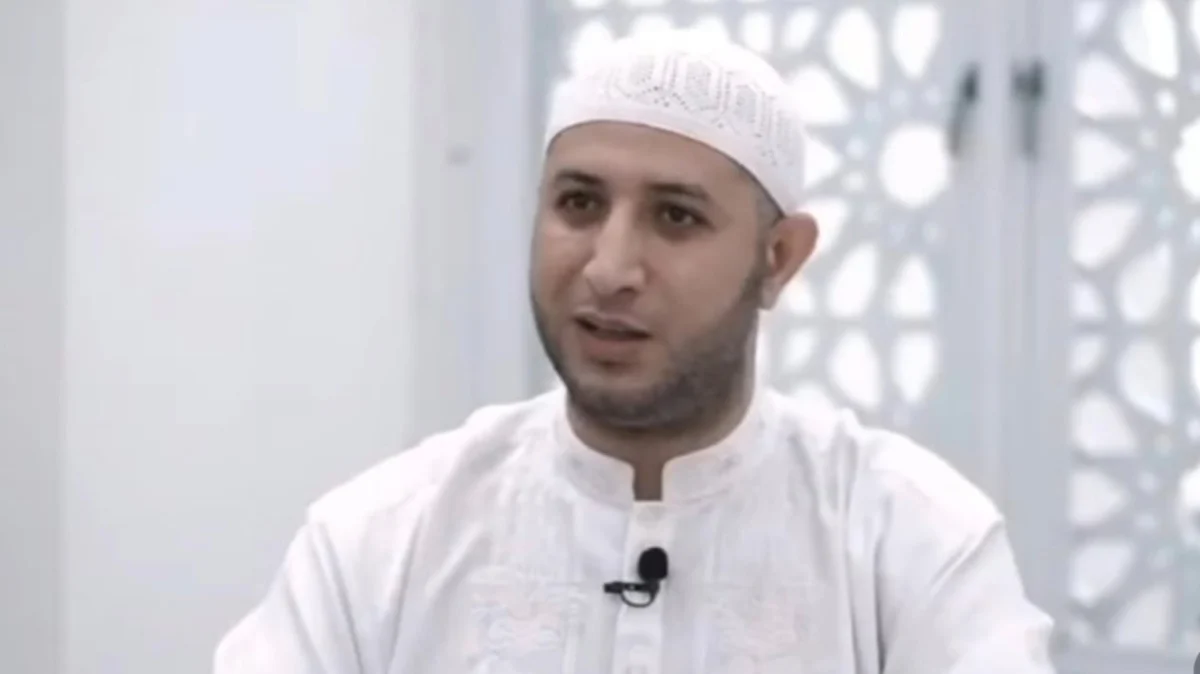
The Indonesian entertainment and social landscape in late April 2026 has been dominated by a series of high-profile stories ranging from legal controversies and religious interpretations to the lifestyle habits of the nation’s elite. On Wednesday, April 29, 2026, VIVA Showbiz recorded a significant surge in reader engagement, centered primarily on three major narratives: the ongoing allegations involving Syekh Ahmad Al Misry, a profound theological perspective on a tragic railway accident by Habib Jafar, and the domestic curiosities surrounding the fashion choices of music mogul Maia Estianty. These stories collectively reflect the unique intersection of religion, celebrity culture, and public tragedy that characterizes modern Indonesian media consumption.
The Digital Footprint of Controversy: Syekh Ahmad Al Misry and the WhatsApp Revelations
At the forefront of public discourse is the developing situation surrounding Syekh Ahmad Al Misry (SAM), a prominent religious figure currently entangled in allegations of professional and personal misconduct. The case took an unexpected turn on April 28, 2026, when a fellow religious teacher, Ustaz Ahmad Hifzhillah, shared a series of WhatsApp screenshots on his personal Instagram account. These images purportedly showed that despite the mounting legal and social pressure, SAM remains active on digital communication platforms, even engaging in direct dialogue with those seeking clarification on the allegations.
The controversy began several weeks prior when reports of alleged harassment surfaced, sending shockwaves through the community that had long looked to SAM for spiritual guidance. As the public demanded accountability, the silence from SAM’s official representatives led many to speculate on his whereabouts and legal standing. Ustaz Ahmad Hifzhillah’s decision to reach out was, by his own admission, a move driven by a desire for "tabayyun" or the Islamic practice of verification and seeking the truth. To Hifzhillah’s surprise, the message did not go ignored.
The leaked conversation reveals a figure who is still very much aware of the public narrative surrounding him. While the specifics of the chat remain partially obscured to protect the integrity of potential legal proceedings, the mere fact of SAM’s digital presence has sparked a secondary debate regarding the behavior of public figures under investigation. In Indonesia, where the digital landscape is highly reactive, such interactions can significantly influence public opinion before a case even reaches a courtroom. Analysts suggest that SAM’s willingness to reply to personal messages, rather than issuing formal statements through legal counsel, indicates a non-traditional approach to crisis management that could either humanize him or be perceived as a disregard for the gravity of the accusations.
Theological Perspectives on Tragedy: Habib Jafar and the Bekasi Train Collision
In a separate but equally viral story, the renowned preacher Habib Jafar Husein provided a comforting yet provocative theological perspective on a recent tragedy that has gripped the nation. The incident involved a devastating collision between the KA Argo Bromo Anggrek, an executive-class express train, and a KRL Cikarang Line commuter train near the Bekasi Timur Station. The accident resulted in multiple fatalities and dozens of injuries, prompting a national conversation on railway safety and infrastructure.
Habib Jafar, known for his "Pemuda Tersesat" (Lost Youth) movement and his ability to bridge the gap between traditional Islamic teachings and contemporary issues, addressed the grief of the victims’ families by categorizing the deceased as "syahid" or martyrs. This statement was not made lightly; it is rooted in a deep interpretation of Islamic jurisprudence regarding the circumstances of death. Habib Jafar explained that in Islam, the concept of martyrdom is broad and encompasses those who pass away while performing noble deeds or fulfilling essential life responsibilities.
According to Habib Jafar, many of the victims were commuters traveling to or from work, or individuals engaged in the daily struggle to provide for their families. He argued that the act of "mencari nafkah" (seeking a livelihood) is a form of worship. Therefore, if a person loses their life in the pursuit of honest work or while fulfilling their role as a breadwinner, they are considered to have died in a state of struggle for the sake of God. This perspective offers a profound sense of spiritual solace to a mourning public, shifting the narrative from one of pure tragedy to one of honored sacrifice.
The collision itself has put the spotlight on the Ministry of Transportation and PT KAI (the Indonesian National Railways). Preliminary investigations suggest a signaling failure or a scheduling overlap that placed the two trains on the same track section. As the government works to modernize the rail network, Habib Jafar’s intervention has served to calm the emotional waters, focusing the public’s heart on the dignity of the victims while the technical experts focus on the mechanics of the failure.
The Economics of Glamour: Maia Estianty and the Legacy of Celebrity Couture
Shifting from the somber to the sophisticated, the third major story involves Maia Estianty, a titan of the Indonesian music industry and a constant subject of public fascination. With the recent high-profile weddings of her sons—Al Ghazali, El Rumi, and Dul Jaelani—the public has been enamored not just with the ceremonies, but with the sheer opulence of the attire worn by the family.
In a recent social media interaction, fans questioned Maia about the fate of the incredibly expensive and intricately designed outfits worn during these family milestones. In an era where sustainability and "rewearing" fashion have become global trends, Indonesian netizens were curious if these bespoke pieces were relegated to storage or if they served a secondary purpose.
Maia Estianty, known for her candidness, shared insights into how she manages her extensive wardrobe. For a figure of her stature, clothing is more than just fabric; it is a component of her brand and a historical record of her family’s journey. She revealed that while some pieces are meticulously preserved as heirlooms, others are repurposed or archived for future use in professional shoots or special appearances. This disclosure has sparked a wider conversation about the "cost per wear" of celebrity fashion and the pressure on public figures to never be seen in the same outfit twice.
The interest in Maia’s wardrobe also highlights the booming business of Indonesian high-fashion designers who specialize in "Kebaya" and formal "Batik." These designers often see a massive spike in commissions following a celebrity wedding, as the public looks to emulate the elegance displayed by figures like Maia. By discussing the longevity of her clothes, Maia is inadvertently influencing a shift toward more conscious consumption among her millions of followers, suggesting that even the most luxurious items have a life beyond a single night.
Analysis: The Intersection of Faith, Fame, and Social Media in 2026
The convergence of these three stories—a religious leader in crisis, a preacher interpreting a disaster, and a celebrity discussing her lifestyle—provides a snapshot of the Indonesian zeitgeist in 2026. Several key themes emerge from this "Round Up" of popular news:
- The Demystification of Authority: The Syekh Ahmad Al Misry case shows that in the digital age, religious leaders are no longer shielded by their titles. The direct accessibility provided by WhatsApp and Instagram means that their actions are scrutinized in real-time, and the public expects a level of transparency that was previously unheard of in traditional religious circles.
- Religion as a Coping Mechanism: Habib Jafar’s comments on the Bekasi train accident demonstrate the vital role that religious interpretation plays in helping the Indonesian public process collective trauma. By framing a systemic failure as a spiritual victory for the victims, he provides a cultural bridge that allows for mourning while the state addresses the technicalities of the accident.
- The Digitalization of Gossip: The fact that these stories are categorized as "Showbiz" despite involving legal issues and tragic accidents speaks to the "infotainment" nature of modern news. The lines between hard news and entertainment have blurred, with the public consuming all forms of information through the lens of social media engagement.
- The Influence of the Matriarch: Maia Estianty’s ability to turn a simple question about clothing into a trending topic underscores the enduring power of the "celebrity mom" in Indonesia. As her sons transition into adulthood and marriage, Maia’s role as the family’s cultural and aesthetic anchor ensures her continued relevance in the media cycle.
Conclusion and Future Outlook
As the month of April 2026 draws to a close, the fallout from these events is expected to continue. The legal proceedings regarding Syekh Ahmad Al Misry will likely move into a more formal phase, where the WhatsApp chats shared by Ustaz Hifzhillah may or may not play a role in the evidentiary process. Meanwhile, the Ministry of Transportation is under increasing pressure to provide a full report on the Bekasi Timur collision, with Habib Jafar’s "martyrdom" statement remaining a cornerstone of the public’s emotional response.
In the realm of lifestyle, Maia Estianty’s influence on fashion and family values continues to set the standard for the Indonesian elite. Her transparency regarding the "afterlife" of her luxury garments may encourage other celebrities to be more open about their consumption habits, potentially leading to a more sustainable approach to glamour in the Jakarta social scene.
VIVA Showbiz remains committed to tracking these developments, providing a blend of factual reporting and cultural context that helps readers navigate the complex landscape of Indonesian public life. Whether it is a chat on a phone, a prayer for the fallen, or a gown in a closet, these stories are the threads that weave the current narrative of the nation.