Lina Irawan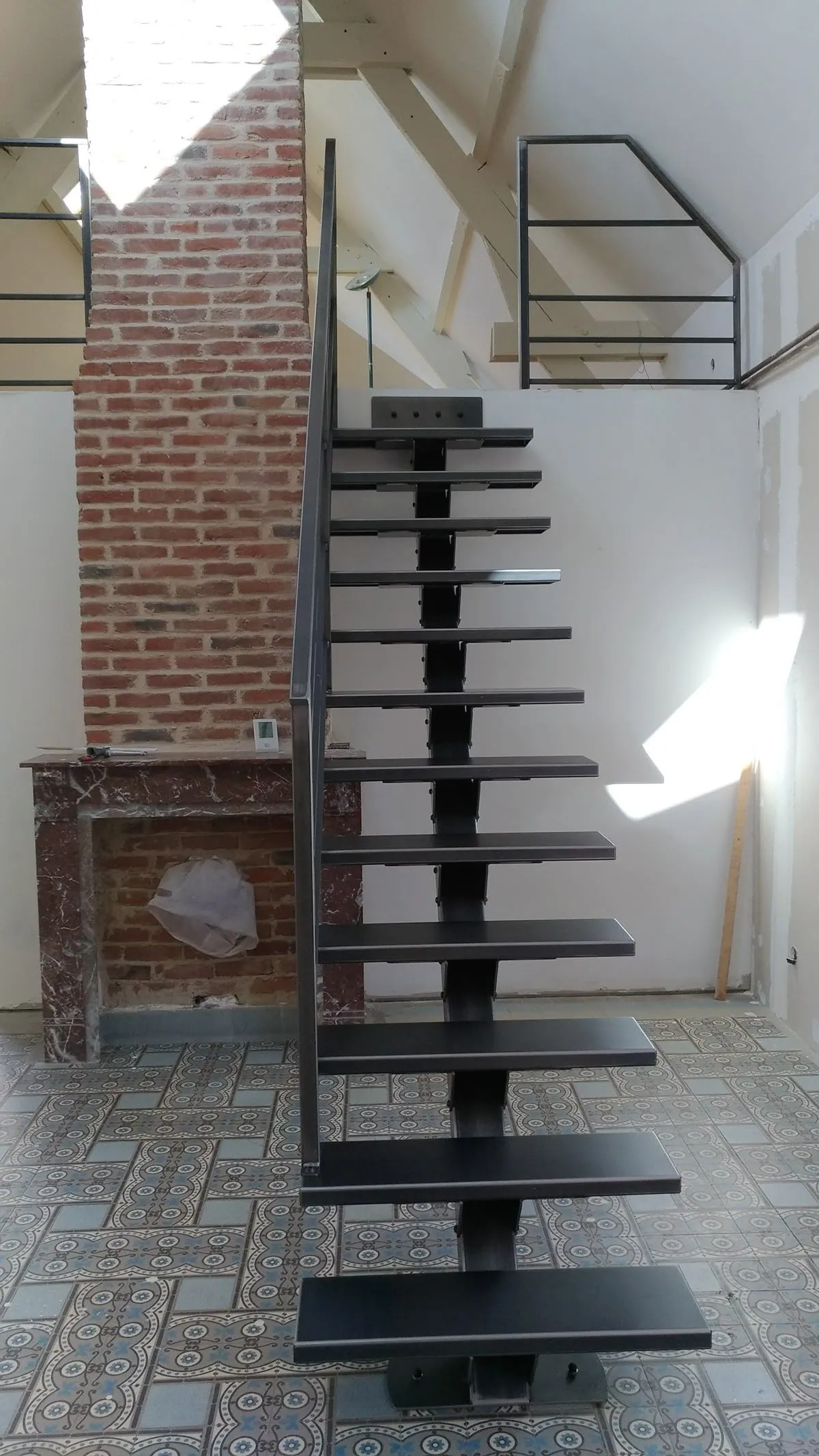
InteriorDesign.ID – Hollow steel, a ubiquitous material in contemporary architecture and construction, has gained significant traction as a preferred choice for staircase frameworks due to its inherent lightweight properties and the ability to achieve exceptionally clean, minimalist finishes. This material, typically fabricated into square or rectangular hollow sections, perfectly complements modern home aesthetics, offering both efficiency in construction and a relatively reasonable cost profile. The adoption of hollow sections demonstrably reduces the dead load on a building’s overall structure, a critical advantage in many design scenarios. However, the inherent hollowness necessitates meticulous engineering calculations to ensure the staircase maintains robust load-bearing capacity and remains safe for daily use over its lifespan. At InteriorDesign.ID, we consistently underscore that hollow steel is not a universal solution for all architectural types. Its successful application demands specialized treatment, particularly concerning plate thickness and the application of advanced anti-corrosion protection. The ultimate suitability of a hollow steel staircase hinges on a comprehensive understanding of this metal’s unique characteristics and requirements well before any fabrication commences.
Understanding Hollow Steel: A Fundamental Overview
As its name suggests, "hollow" refers to the material’s internal cavity. Hollow steel sections are typically manufactured from long steel plates that are cold-formed or hot-formed into square or rectangular profiles, with the ends subsequently welded together to create a closed section. This manufacturing process results in a product distinct from solid steel bars or U-channel beams, characterized by its central void. Paradoxically, this empty space contributes to hollow steel’s advantages: it renders the material significantly lighter than its solid counterparts while maintaining impressive stiffness and torsional resistance, often outperforming traditional angle irons.
However, material selection is paramount. It is crucial to differentiate between structural hollow sections and lighter gauge profiles intended for non-load-bearing applications, such as ceiling or gypsum board frameworks. For any structure designed to support human traffic, the use of substantial "black steel" (carbon steel) hollow sections or robust galvanized hollow sections is mandatory. The grade of steel, such as ASTM A500 or EN 10219, is a key specification that denotes the material’s mechanical properties, including yield strength and tensile strength, which are critical for structural calculations.
The Allure of Hollow Steel in Contemporary Design
The clean, linear aesthetic afforded by square and rectangular hollow profiles makes them a natural fit for modern, minimalist, industrial, and Japandi design philosophies. Architects and interior designers appreciate their ability to create visually light and uncluttered stair structures. A notable design advantage is the potential to discreetly conceal electrical conduits for integrated LED lighting within the hollow sections, eliminating visible cabling and contributing to a streamlined appearance.
Structural Engineering: Ensuring Safety and Durability
While aesthetically pleasing and lightweight, the structural integrity of a hollow steel staircase is non-negotiable. The inherent characteristics of the material present both advantages and specific engineering considerations:

-
Load Distribution and Deflection: Unlike solid sections, the load-bearing capacity of hollow steel is heavily dependent on its cross-sectional dimensions and wall thickness. For long spans, hollow steel is more prone to deflection (bending) under load than a comparable solid section. This necessitates careful span limitations, the strategic addition of intermediate supports, or the incorporation of landings (bordes) to break up long runs and distribute weight effectively. Structural engineers utilize finite element analysis (FEA) and established building codes to calculate permissible stresses and deflections, ensuring the staircase remains within safe operational limits even under dynamic loads.
-
Vibration Mitigation: The lightweight nature of hollow steel, while beneficial for reducing foundation loads, can sometimes lead to perceptible vibrations or a "bouncy" sensation when traversed. This phenomenon, known as resonance, can be mitigated through several engineering and design strategies. Increasing the material’s wall thickness and overall cross-section significantly enhances stiffness. Furthermore, incorporating dampening materials, such as polyurethane (PU) foam injected into the hollow sections, or strategically placed rubber pads between the treads and the steel framework, can effectively absorb vibrations and minimize acoustic resonance, leading to a quieter and more solid feel underfoot.
Addressing the Primary Challenge: Internal Corrosion
One of the most significant long-term concerns for hollow steel structures is internal corrosion. The enclosed nature of the hollow section can trap humid air, creating a microenvironment conducive to condensation and subsequent rust formation from within. This internal corrosion can progress undetected, potentially compromising structural integrity even when the exterior paint finish appears pristine. Preventing this requires a multi-faceted approach:
-
Hermetic Sealing: Absolutely critical is the complete and airtight sealing of all open ends and cut sections of the hollow steel. This can be achieved by welding thin steel plates over all apertures with continuous perimeter welds, or by using high-quality plastic end-caps reinforced with a durable sealant like silicone. The objective is to prevent moisture and oxygen from entering the internal cavity, thereby arresting the corrosion process at its source.
-
Advanced Anti-Corrosion Primers: Prior to any topcoat application, the steel surface must be meticulously cleaned to remove all mill scale, grease, and contaminants. The application of a high-performance epoxy primer is highly recommended. Epoxy primers form a robust, chemically resistant barrier that adheres tenaciously to the steel substrate, providing superior protection against corrosion by inhibiting oxygen and moisture ingress. For optimal coverage and uniform thickness, spray application using an air compressor is preferred.
-
Durable Topcoats: Following the primer, a resilient topcoat is essential for both aesthetic appeal and enhanced protection. Polyurethane (PU) paints are an excellent choice due to their exceptional hardness, abrasion resistance, and chemical stability, making them highly resistant to scuffs and scratches from daily foot traffic. For the ultimate in durability and aesthetic finish, powder coating offers a superior solution. This process involves electrostatically applying a dry powder that is then cured under heat, forming a thick, uniform, and extremely durable finish that is highly resistant to corrosion, chipping, and fading, albeit at a higher cost. For external applications or environments with high humidity or salinity, hot-dip galvanization prior to painting provides an additional sacrificial zinc layer that offers unparalleled corrosion resistance.
Optimal Placement and Environmental Considerations
The longevity and performance of a hollow steel staircase are significantly influenced by its intended location and exposure to environmental factors.

-
Indoor Applications: The ideal environment for hollow steel staircases is indoors, where ambient temperatures are generally stable and humidity levels are controlled. This minimizes the risk of condensation forming within the hollow sections, thereby reducing the potential for internal corrosion.
-
Mezzanine and Loft Access: Hollow steel is particularly well-suited for accessing mezzanine levels or lofts. These areas typically involve shorter floor-to-floor heights (e.g., 2.5 to 3 meters) and experience less frequent foot traffic. The slender profile of hollow steel structures prevents obstruction of light in the spaces below, maintaining an open and airy feel.
-
Outdoor Applications (Exterior Staircases): While possible, using hollow steel for exterior staircases requires significantly more robust anti-corrosion measures. Constant exposure to rain, humidity, and temperature fluctuations accelerates corrosion. In such cases, hot-dip galvanized hollow steel with a high-performance marine-grade epoxy primer and PU topcoat is imperative. Regular inspections and maintenance become even more critical for outdoor installations.
Standard Specifications for Safe and Stable Structures
A common pitfall in hollow steel construction is prioritizing cost savings over structural integrity, leading to the use of undersized or thin-walled material. This poses significant safety risks. Adherence to established engineering standards is crucial:
-
Main Frame (Stringers): The primary load-bearing elements, or stringers, typically positioned on either side of the treads, bear the majority of the vertical load. For standard residential applications, hollow sections measuring 100×50 mm or a minimum of 80×40 mm are recommended. Using dimensions below these will inevitably lead to excessive deflection and instability. For single-stringer (mono-stringer) designs, where a single central beam supports the entire staircase, significantly larger dimensions are required, typically a minimum of 150×150 mm, often with increased wall thickness to counteract torsional forces.
-
Plate Thickness: The nominal dimensions of the hollow section must be paired with an appropriate wall thickness. For main structural stringers, a plate thickness ranging from 2.5 mm to 3.2 mm is generally considered safe. For longer spans or heavier anticipated loads, increasing the thickness to 4 mm or more is advisable. For smaller support frames that directly underpin the treads, a thickness of 2 mm may suffice, provided the span is short and the main stringers are adequately robust. These specifications must always be confirmed by a qualified structural engineer based on specific project requirements and local building codes.
Integrated Solutions for Enhanced User Experience
Beyond structural considerations, designers often integrate features to enhance comfort and aesthetics:

-
Acoustic Dampening: As previously mentioned, injecting PU foam into the main structural hollow sections is a highly effective method for sound dampening. This expanding foam fills the void, absorbing airborne sound and vibrations, resulting in a noticeably quieter staircase. Alternatively, strategically placed thin rubber pads between the treads and their supporting framework can interrupt the transmission of vibrations, especially critical when using metal treads.
-
Material Harmonization: To soften the often rigid appearance of steel, combining it with other materials creates visual interest and textural contrast:
- Solid Wood Treads: The pairing of dark, sleek steel frames with warm, natural wood treads (e.g., teak, oak, merbau) is a timeless combination popular in modern and Japandi styles. Solid wood treads, typically 3 cm thick, offer excellent comfort underfoot and possess inherent sound-absorbing qualities that complement the steel structure.
- Tempered Glass Railings: For spaces where maximizing light and maintaining an open feel are priorities, clear tempered glass railings are an excellent choice. They allow natural light to permeate the space without obstruction. Installation typically involves "glass pin" or standoff systems that elegantly expose the glass panels affixed to the steel frame.
- Expanded Metal or Wire Mesh: To achieve an industrial aesthetic, expanded metal sheets or robust wire mesh can be welded directly into the railing framework. This provides a rugged appearance, excellent air circulation, and a highly secure barrier, particularly effective in preventing small children from passing through gaps.
Diverse Design Configurations
The inherent malleability and ease of fabrication of hollow steel allow for a wide array of staircase configurations to suit different spatial requirements:
-
Straight with Dual Stringers: The most common and structurally stable configuration, featuring two parallel hollow steel stringers supporting the treads. This design offers excellent stability and allows for the space underneath to be utilized for storage, shelving, or integrated media units.
-
Mono-Stringer (Central Spine): A visually striking design where a single, often oversized, hollow steel beam runs centrally beneath the treads, creating the illusion of floating steps. This design is aesthetically captivating but requires advanced fabrication techniques and precise engineering to ensure stability and prevent lateral movement, leading to higher installation costs.
-
L-Shape or U-Shape: Ideal for optimizing space in shorter runs, these designs incorporate a 90-degree or 180-degree turn, often facilitated by a wide, flat landing (bordes). The landing serves as a resting point and a critical structural element, providing rigidity and preventing sway in the turning sections.
Cost Analysis and Investment Considerations
The overall cost of a hollow steel staircase is a function of several variables, including material specifications, design complexity, and chosen finishes.

-
Standard Fabrication Costs: Welding workshops typically quote prices per linear meter. For standard residential specifications (e.g., 80×40 mm hollow steel with 2 mm thickness and plain steel plate treads), costs generally range from IDR 1.2 million to IDR 1.8 million per linear meter. This figure usually includes fabrication, finishing (standard paint), and installation on-site.
-
Premium Options: Opting for higher-grade materials and more intricate designs significantly impacts the budget. A staircase featuring thick (e.g., 4 mm) mono-stringer hollow steel, premium solid teak wood treads, and a durable powder-coated finish could range from IDR 3 million to IDR 5.5 million per linear meter. These premium options offer superior aesthetics, enhanced durability, and often require specialized craftsmanship.
Long-Term Maintenance and Care Protocols
Regular inspection and proactive maintenance are essential to ensure the longevity and safety of a hollow steel staircase.
-
Weld Joint Inspection: Periodically inspect all weld joints, particularly where treads connect to stringers. Fine cracks in the paint at these points can indicate minor stress fatigue or loosening of welds due to vibrations. Early detection allows for prompt re-welding by a qualified technician, preventing further structural compromise.
-
Surface Cleaning and Touch-ups: Routine cleaning with a damp microfiber cloth is sufficient to remove dust and debris. Any scratches or chips in the paintwork that expose the bare metal should be immediately addressed with a touch-up paint to prevent localized corrosion. Prompt action here is key to preventing rust from spreading.
FAQ: Addressing Common Concerns about Hollow Steel Staircases
1. Can hollow steel staircases withstand heavy loads, such as moving furniture?
Yes, provided the staircase is constructed to appropriate structural specifications, typically with a minimum steel thickness of 2.5 mm for main stringers. When moving heavy items, it is advisable to distribute the weight evenly and avoid sudden impacts or excessive jarring to minimize vibration. Consulting a structural engineer for specific load requirements is always recommended.
2. Should I choose galvanized hollow steel or standard black steel?
Galvanized hollow steel features a protective zinc coating applied at the factory, offering superior inherent corrosion resistance, making it an excellent choice for outdoor applications or high-humidity environments. For indoor staircases, black steel treated with a high-quality epoxy primer and a durable topcoat (like polyurethane or powder coating) is generally sufficient and offers excellent longevity. The choice depends on the specific environmental exposure and budget.

3. What is the recommended thickness for wood treads?
For structural integrity and to prevent deflection or breakage, solid wood treads should be a minimum of 2.5 cm to 3 cm thick. Thinner treads can warp, crack, or feel unstable, especially when stepped on in the center.
4. Why does my hollow steel staircase often vibrate when stepped on?
Vibration is typically a result of insufficient material thickness, inadequate cross-sectional dimensions, or overly long spans between supports, leading to excessive deflection. The primary solution involves reinforcing the structure, often by installing additional intermediate support columns or bracing underneath the central section of the staircase to reduce the effective span and increase rigidity.
5. Can hollow steel staircases be assembled without welding?
Yes, it is possible to construct hollow steel staircases using high-strength bolted connections, a "knock-down" system. However, this method requires extremely precise fabrication of connecting plates (brackets) and components to ensure a tight, secure fit and structural integrity. This approach is often seen in modular construction or where on-site welding is impractical, but it generally requires more complex design and manufacturing processes.
Hollow steel staircases represent a compelling option for those seeking a sharp, minimalist aesthetic combined with efficient installation. By prioritizing rational material thickness, adhering to rigorous anti-corrosion protocols, and ensuring meticulous sealing of all internal cavities, common issues such as internal rust or excessive vibration can be effectively mitigated, resulting in a durable, safe, and visually stunning architectural feature.