Chalifah Fatihah
The sweet, chewy delight of dates, a staple in many diets and a cherished part of Middle Eastern and North African culinary traditions, can unfortunately degrade over time. While renowned for their long shelf life, typically lasting from six months to a year when stored properly, dates are not immune to spoilage. Consuming spoiled dates can lead to adverse health effects, underscoring the importance of recognizing the signs of rot. This article delves into the tell-tale indicators that a date has gone bad, ensuring consumers can make informed choices and avoid potential illness.
Dates, scientifically known as Phoenix dactylifera, are the fruit of the date palm tree. Their natural sweetness and varied textures, ranging from soft and pliable to dry and firm, have made them a popular food source for millennia. Historically, dates have been a vital component of desert survival diets due to their high sugar content, providing quick energy, and their ability to be preserved for extended periods. This longevity is attributed to their low moisture content and high sugar concentration, which inhibit microbial growth under optimal conditions. However, improper storage, exposure to moisture, or contamination can accelerate spoilage.
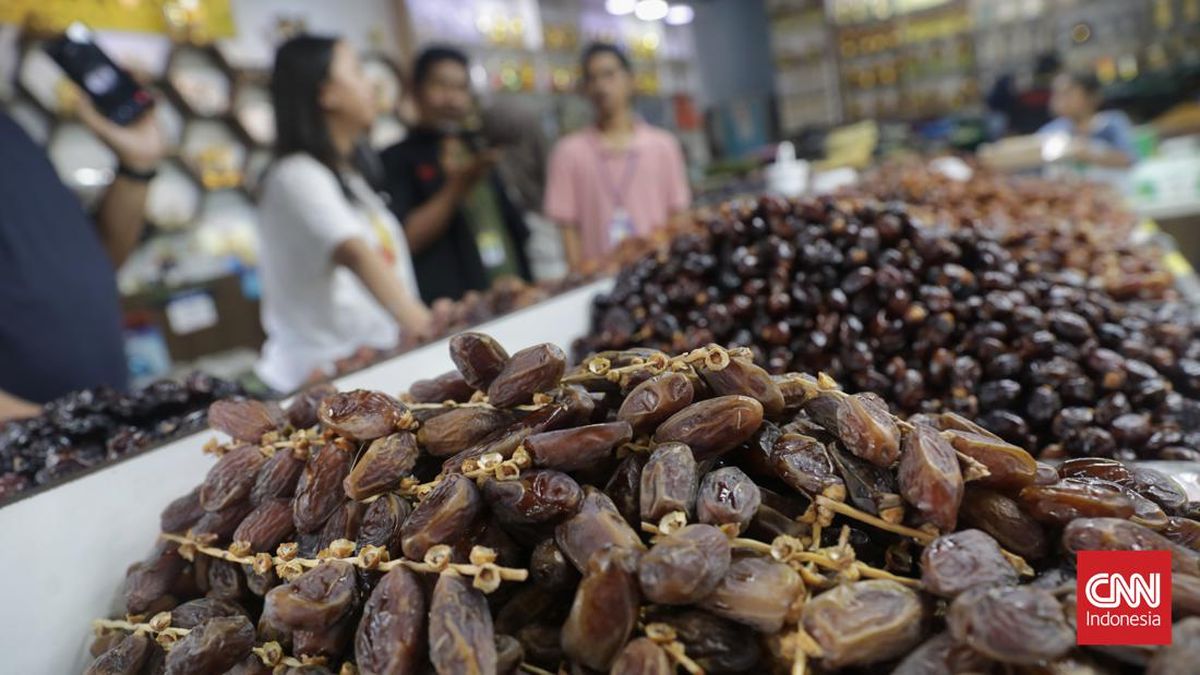
Understanding the nuances of date quality is crucial for both consumers and vendors. In bustling markets, such as Tanah Abang in Jakarta, where various food items are traded, distinguishing fresh produce from spoiled goods is paramount. Reports from retail environments sometimes highlight concerns about the availability and quality of imported goods, including dates, particularly when geopolitical factors might influence supply chains or sourcing practices. While this article focuses on the inherent spoilage of dates, it is worth noting that consumers often grapple with the provenance of their food, especially during times of international tension where boycotts or ethical considerations might come into play regarding products from specific regions. The ability to identify spoiled produce, regardless of its origin, remains a universal consumer need.
Key Indicators of Spoiled Dates
Recognizing when dates have passed their prime is essential. Several sensory cues can alert you to spoilage. Experts and culinary resources, including The Kitchn and other food safety advisories, outline the following critical signs to watch out for:
1. Altered Texture: Unpleasantly Soft, Mushy, or Slimy
Fresh dates typically possess a satisfying chewiness and a slight stickiness. A significant departure from this characteristic texture is a strong indicator of spoilage. If dates become excessively soft, disintegrate easily under gentle pressure, or develop a slimy, watery consistency, it suggests the presence of bacterial or fungal growth. These microorganisms thrive in moist environments and break down the fruit’s structure, rendering it unsafe for consumption.
Conversely, dates that become unusually hard and dry, to the point of being brittle and lacking their natural suppleness, may indicate a significant loss of quality. While some drying is natural for certain date varieties over time, an extreme change in texture, beyond what is typical for the specific type of date, warrants caution. This excessive dryness can also be a precursor to spoilage if moisture then re-enters the fruit under unfavorable conditions.
2. Abnormal Discoloration: Darkening or Visible Mold
Color changes are often one of the most immediate and noticeable signs of spoilage. Dates that have begun to rot may appear significantly darker than their original hue, sometimes developing blackish patches. This darkening can be a sign of oxidation or the advanced stages of decay.
More alarmingly, the appearance of white, fluffy, or greyish spots resembling mold is a definitive indicator of spoilage. Mold on food can produce mycotoxins, which are harmful if ingested. Even if the mold is scraped off, the toxins can permeate the fruit. Dates that appear unusually pale or dull, lacking their natural sheen, may also signal that they are no longer fresh, even if overt signs of spoilage are not yet apparent. This dullness can indicate dehydration or a loss of natural sugars and oils.
3. Unpleasant Odors: Acrid, Rancid, or Fermented Aromas
The aroma of fresh dates is typically sweet and mild, sometimes with subtle notes of caramel or honey depending on the variety. A significant deviation from this pleasant scent is a red flag. If dates emit a sour, acrid, rancid, or distinctly fermented smell, akin to alcohol, it strongly suggests that the fruit has begun to decay. These off-odors are produced by the metabolic processes of microorganisms breaking down the sugars and fats within the dates.
A musty or generally unpleasant odor, even if not specifically sour or alcoholic, also signals that the dates are past their prime and have likely begun to develop mold or other contaminants. The sense of smell is a powerful tool in detecting spoilage, and any aroma that deviates from the expected sweetness should be taken seriously.
4. Altered Taste: Sour, Bitter, or Alcohol-like Flavors
While it is generally advisable to avoid tasting food that shows other signs of spoilage, if one were to take a bite of a questionable date, the taste would likely be the most definitive indicator. Fresh dates are characterized by their natural, rich sweetness. If a date tastes sour, bitter, or develops an unpleasant alcoholic or chemical flavor, it should be immediately discarded. These altered taste profiles are direct results of the spoilage process, where sugars are converted into acids or alcohol by microorganisms.
However, the health risks associated with ingesting spoiled food, particularly if mold or bacteria are present, far outweigh the benefit of confirming spoilage through taste. It is always safer to trust the visual and olfactory cues and discard any dates that exhibit suspicious characteristics.
5. Internal Decay: Visible Mold or Significant Internal Color Changes
Sometimes, dates can appear outwardly normal but harbor spoilage within. If you cut open a date and observe mold growth, unusual discoloration of the flesh, or a slimy texture inside, it is a clear sign that the fruit is rotten. The interior is often where spoilage can progress undetected until the fruit is opened.
These internal signs are as critical as external ones. Mold growing inside a date can produce toxins that are not always visible to the naked eye. Any significant deviation from the expected internal appearance, such as a darkening, liquefaction, or the presence of fuzzy growth, means the date should be discarded.
6. Presence of Insects or Pest Infestation Signs
Dates, particularly those that have been stored for extended periods or in improperly sealed containers, can become targets for insects. The presence of small worms, larvae, or any type of insect within the dates is a direct indication of contamination. Similarly, small, powdery residues or webbing can signal the presence of pantry pests that have infested the fruit.
Even if the insects themselves are removed, the dates are likely to be contaminated with their waste products and potentially other pathogens. It is strongly recommended to discard any dates that show signs of insect infestation and to thoroughly inspect other stored dates, as pests can spread rapidly.
7. Loss of Freshness: Dull Appearance and Unnatural Feel
Beyond specific textural changes, a general loss of freshness can be observed. Spoiled dates often lack the natural sheen and vibrancy of fresh ones. Their surface may appear dull, matte, and feel less plump or appealing to the touch. While some date varieties are naturally drier than others, a noticeable departure from the expected texture and appearance for a given type of date should be a cause for concern.
This overall lack of freshness is a holistic indicator that the fruit’s cellular structure is degrading, and it is no longer at its optimal quality for consumption. When in doubt, it is always better to err on the side of caution and discard suspect produce.
Best Practices for Storing Dates to Maintain Freshness
To mitigate the risk of spoilage and prolong the shelf life of dates, proper storage is paramount. Following these guidelines can help maintain their quality and prevent premature decay:
- Airtight Containers: Store dates in an airtight container. This prevents exposure to air, which can lead to oxidation and drying out, and also keeps out moisture and pests.
- Cool, Dark Place: Keep the sealed container in a cool, dark, and dry place. Avoid direct sunlight or areas with fluctuating temperatures, such as near stoves or windows.
- Refrigeration for Extended Storage: For longer-term storage, dates can be kept in the refrigerator. Ensure they are in an airtight container to prevent them from absorbing odors from other foods and to maintain their moisture content. Refrigeration significantly slows down the spoilage process.
- Freezing for Maximum Longevity: To preserve dates for the longest possible period, freezing is an excellent option. Again, use airtight containers or freezer-safe bags to prevent freezer burn. Frozen dates can retain their quality for many months, often up to a year or more. Thaw them in the refrigerator before consumption.
By diligently observing these signs of spoilage and implementing effective storage practices, consumers can ensure they enjoy the sweet benefits of dates without compromising their health. Regular inspection of stored dates, especially after extended periods, is a simple yet effective way to prevent the consumption of spoiled fruit.