Azin Asro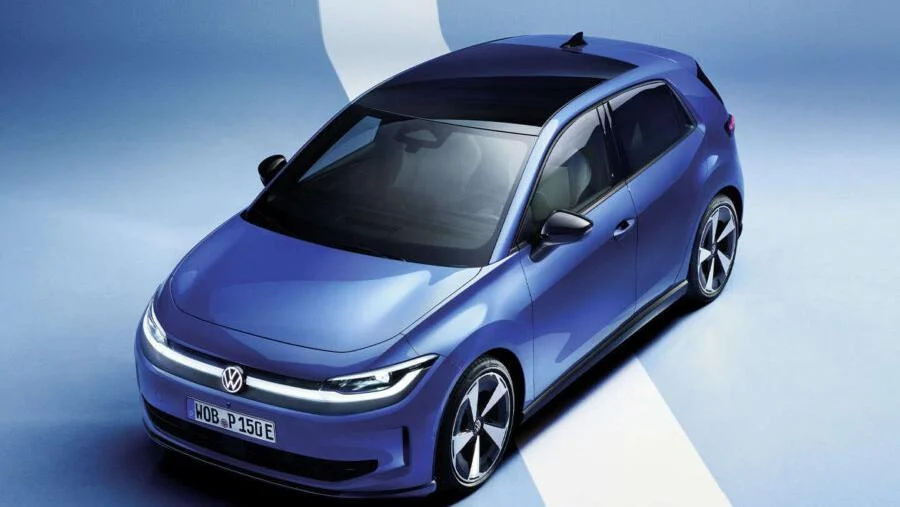
Volkswagen has officially pulled the curtain back on the ID Polo, a vehicle that represents one of the most significant strategic pivots in the German automaker’s recent history. By electrifying the Polo nameplate, Volkswagen is not merely launching a new model; it is transitioning a legacy that has spanned nearly five decades and more than 20 million units sold worldwide into the zero-emission era. Developed at Volkswagen’s headquarters in Wolfsburg, the ID Polo is positioned as the brand’s primary contender in the increasingly competitive compact electric vehicle (EV) segment. With a starting price of 24,995 euros, approximately Rp 508 million, the vehicle aims to fulfill the company’s promise of making high-quality electric mobility accessible to a broader demographic, bridging the gap between premium technology and mass-market affordability.
The introduction of the ID Polo comes at a critical juncture for the European automotive industry. As manufacturers face tightening emissions regulations and the impending 2035 ban on internal combustion engine (ICE) sales in the European Union, the "B-segment" hatchback—historically the bread and butter of the European market—has become a primary battleground. The ID Polo is Volkswagen’s calculated response to this shift, blending the familiar utility of the traditional Polo with the advanced architecture of the ID family. This model is built upon the newly refined MEB+ platform, a specialized evolution of the Modular Electric Drive Matrix designed specifically for front-wheel-drive compact vehicles to maximize interior space and production efficiency.
A Legacy Reimagined: The Evolution from Polo to ID Polo
To understand the significance of the ID Polo, one must look at the historical weight of the Polo name. Since its debut in 1975, the Volkswagen Polo has been a symbol of reliable, efficient, and accessible German engineering. It has survived numerous economic cycles and shifting consumer preferences, consistently ranking as one of the best-selling cars in Europe and several emerging markets. By choosing to use the "Polo" name rather than a purely numerical designation like the ID.2, Volkswagen is leveraging decades of brand equity and consumer trust.
The transition to electricity has allowed designers to rethink the proportions of the vehicle. While the ID Polo maintains a footprint similar to its ICE predecessor, the absence of a bulky front-mounted engine and transmission tunnel allows for a significantly more spacious cabin. This "inside-out" design philosophy is a hallmark of the ID series, but with the ID Polo, Volkswagen has been careful to retain the "friendly" and "approachable" aesthetic that has defined the model for generations. The design team in Wolfsburg reportedly spent years balancing the need for aerodynamic efficiency—crucial for EV range—with the classic silhouette that Polo owners have come to expect.
Design Language and Exterior Aesthetics
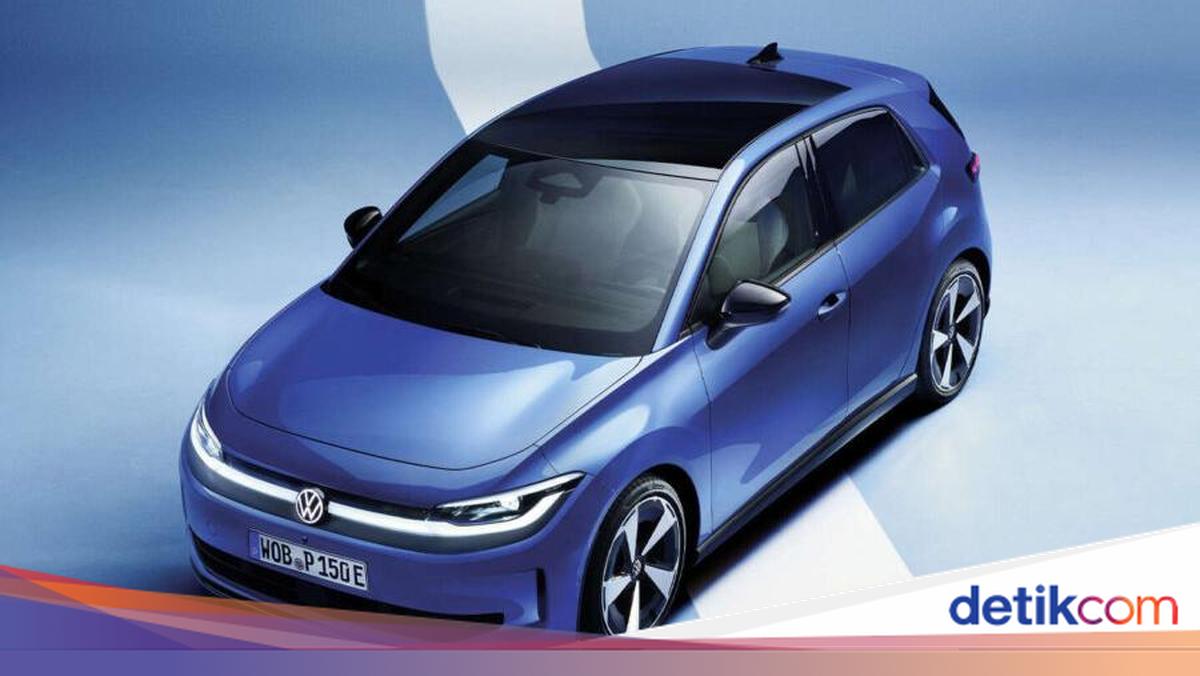
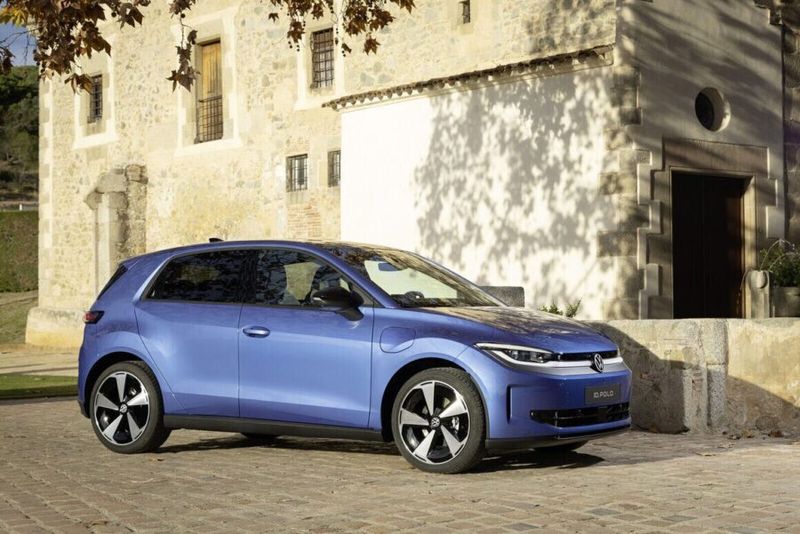
The exterior of the ID Polo is a masterclass in modernizing a classic. The front fascia is dominated by a continuous LED light strip that connects the slim Matrix LED headlights, a signature of the Volkswagen ID family. At the center sits a newly designed, illuminated Volkswagen logo, signaling the car’s high-tech nature. The bumper features aggressive, sporty contours with functional aerodynamic air curtains that reduce turbulence around the front wheels, thereby extending the vehicle’s range.
Moving to the side profile, the ID Polo exhibits a sharp "tornado line" that runs the length of the body, giving the car a sense of motion even when stationary. One of the most striking design elements is the C-pillar, which takes direct inspiration from the first-generation Golf and earlier Polos, creating a visual link to Volkswagen’s heritage. The vehicle sits on 19-inch alloy wheels, which are pushed to the far corners of the chassis to minimize overhangs and maximize the wheelbase. At the rear, the design is rounded off with a prominent roof spoiler and a light bar that mirrors the front, featuring 3D LED graphics and another illuminated logo.
Technical Prowess: The MEB+ Platform and Performance
Underneath the sleek bodywork lies the MEB+ platform, which introduces several key upgrades over the standard MEB architecture used in the ID.3 and ID.4. The most notable change is the shift to a front-wheel-drive layout, which is more cost-effective for small cars and provides a familiar driving feel for those transitioning from traditional hatchbacks.
The ID Polo offers two distinct battery configurations to suit different consumer needs and price points. The entry-level variant features a 37 kWh battery, ideal for urban commuters who prioritize weight and efficiency. For those seeking longer-distance capability, a 52 kWh battery is available. These batteries power electric motors with outputs ranging from 85 kW (115 hp) to a more spirited 155 kW (210 hp). The top-tier powertrain allows the ID Polo to accelerate from 0 to 100 km/h in under seven seconds, a performance figure that rivals traditional "hot hatches."
Range anxiety is addressed through improved chemistry and energy management. The 52 kWh version boasts a maximum range of up to 454 kilometers (WLTP cycle), making it more than capable of handling occasional long-distance trips. Charging infrastructure is also a priority; the ID Polo supports DC fast charging, allowing the battery to replenish from 10% to 80% in approximately 23 to 24 minutes. This rapid charging capability is essential for urban dwellers who may not have access to dedicated home charging stations. Additionally, the inclusion of "one-pedal driving" technology enhances the driving experience in stop-and-go city traffic, using regenerative braking to slow the vehicle while simultaneously feeding energy back into the battery.
Interior Innovation and Ergonomics
The interior of the ID Polo represents a significant shift in Volkswagen’s approach to user interface (UI) and user experience (UX). After receiving feedback on previous ID models regarding the lack of tactile controls, Volkswagen has reintroduced physical buttons for critical functions. A row of backlit physical switches sits below the primary infotainment screen, providing immediate access to climate controls and volume.
The dashboard is anchored by a 13-inch central infotainment display running the latest generation of Volkswagen’s software, which promises faster response times and a more intuitive menu structure. Directly in front of the driver is a 10-inch digital instrument cluster that provides essential driving data without cluttering the field of vision. The use of sustainable materials is prevalent throughout the cabin, with recycled textiles and "vegan leather" replacing traditional plastics and animal-derived hides.
Despite its compact exterior dimensions, the ID Polo offers impressive utility. The cabin comfortably seats five adults, thanks to the flat floor provided by the electric platform. The luggage compartment offers a base capacity of 441 liters—significantly larger than the current ICE Polo—and can be expanded to a massive 1,240 liters when the rear seats are folded flat. This level of practicality ensures that the ID Polo remains a viable primary vehicle for small families.
Variants and Advanced Safety Systems
Volkswagen will launch the ID Polo in three distinct trim levels: Trend, Life, and Style. The Trend variant serves as the accessible entry point, focusing on core functionality and value. The Life trim adds comfort features such as enhanced seating and ambient lighting. The flagship Style variant includes premium touches like the Matrix LED headlights, a panoramic glass roof, and a high-fidelity audio system developed in partnership with Harman Kardon.
Safety remains a cornerstone of the Volkswagen brand. The ID Polo is equipped with the latest "Travel Assist" suite, which includes adaptive cruise control, lane-keeping assistance, and emergency braking with pedestrian and cyclist detection. The "Connected Travel Assist" system uses swarm data from other Volkswagen Group vehicles to provide more accurate lane guidance and hazard warnings, even on roads with poor markings.
Market Context and Competitive Landscape
The launch of the ID Polo is a direct challenge to a new wave of competitors. Brands like Renault with the revived R5 EV, Stellantis with the Peugeot e-208, and various Chinese manufacturers like BYD and MG are all vying for dominance in the sub-30,000 euro electric market. By pricing the ID Polo at the 24,995 euro mark, Volkswagen is positioning itself aggressively to reclaim market share in the segment it once dominated.
Industry analysts suggest that the success of the ID Polo is vital for Volkswagen’s financial health. "The small car segment is notoriously difficult to make profitable with electric drivetrains due to high battery costs," noted one market analyst. "If Volkswagen can achieve economies of scale with the MEB+ platform across its various brands—including Skoda and Seat—the ID Polo could be the catalyst for the brand’s long-term electric viability."
Chronology of Development
The journey to the ID Polo began with the "ID. 2all" concept car, which was unveiled in early 2023. That concept showcased the design language and technical goals that have now been realized in the production-ready ID Polo. Following the concept’s positive reception, Volkswagen accelerated the development timeline, shifting focus from larger SUVs to this critical compact model. Throughout 2024, prototype testing was conducted across extreme climates, from the sub-zero temperatures of northern Sweden to the intense heat of southern Europe, ensuring the battery thermal management systems were robust enough for global markets.
Conclusion and Strategic Implications
The VW ID Polo is more than just a car; it is a statement of intent. It proves that the transition to electric mobility does not require the abandonment of legendary names or the sacrifice of practicality. For Volkswagen, the ID Polo is the "People’s Car" for the 21st century—a vehicle that combines heritage with future-proof technology. As orders begin to open globally, the automotive world will be watching closely to see if this electric successor can live up to the 20-million-unit legacy of its predecessor. If the initial specifications and pricing are any indication, the ID Polo is well-positioned to lead the next chapter of Volkswagen’s history, ensuring that the Polo name remains a fixture on roads for decades to come.