Azin Asro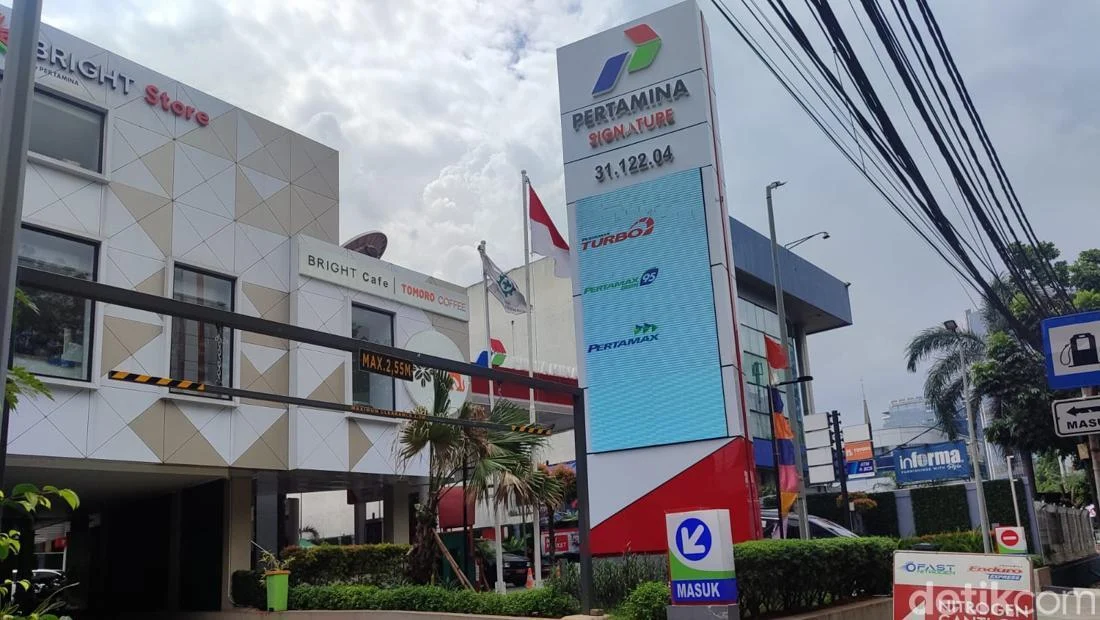
The landscape of fuel distribution in Indonesia’s capital is undergoing a significant transformation as PT Pertamina Patra Niaga, the trading and distribution arm of the state-owned energy giant Pertamina, has officially confirmed the conversion of 13 strategic gas stations (SPBU) into "SPBU Signature" outlets. This strategic pivot involves a complete cessation of Pertalite (RON 90) sales at these locations, marking a clear shift toward catering to a premium market segment and streamlining the distribution of subsidized fuels. According to official statements from the company, these 13 stations will now exclusively offer non-subsidized, high-performance fuels such as Pertamax, Pertamax Turbo, Pertamina Dex, and Dexlite, aligning with a broader corporate vision to modernize the refueling experience in urban centers.
The decision to discontinue the sale of subsidized fuel at these specific locations is rooted in a formal application process initiated by the station operators themselves to upgrade their status. Roberth M.V. Dumatubun, the Corporate Secretary of Pertamina Patra Niaga, clarified that the "Signature" designation is a premium tier within Pertamina’s retail network. By definition and regulatory design, SPBU Signature outlets are positioned to serve consumers who prioritize vehicle performance and lifestyle amenities over subsidized pricing. Consequently, these stations are no longer part of the network tasked with distributing the Special Assignment Fuel (JBKP), which includes the heavily subsidized Pertalite.
The Strategic Shift Toward Premium Retail Experiences
The emergence of SPBU Signature is a response to the evolving demands of modern Indonesian consumers, particularly those in the Jakarta metropolitan area (Jabodetabek). As the automotive market in Indonesia sees a rise in vehicles requiring higher octane ratings and cleaner emission standards, Pertamina has recognized the need for specialized hubs that offer more than just fuel. These "Signature" stations are designed to compete directly with international private retailers such as Shell, BP, and Vivo, focusing on service quality, cleanliness, and integrated lifestyle facilities.
In these 13 locations, the traditional gas station aesthetic has been replaced with a modern, high-tech architectural design. One of the most visible changes is the installation of membrane-style canopies that provide bright, even lighting during the night, enhancing safety and visibility. The personnel at these stations are also held to higher grooming standards, wearing distinctive white polo shirts with red accents, symbolizing a more professional and hospitality-oriented approach to service.
Beyond the aesthetics, the SPBU Signature model introduces the "Red Carpet" or "Fast Track" system. This feature is specifically designed for high-end consumers who wish to avoid the long queues often associated with subsidized fuel lanes. By providing a dedicated lane for non-subsidized fuel transactions, Pertamina aims to increase efficiency and provide a seamless experience for those utilizing Pertamax series products.
Detailed List of the 13 SPBU Signature Locations
The transition has been concentrated in high-traffic areas of Jakarta, Depok, and Bogor. The following 13 stations have officially ceased Pertalite sales and transitioned to the Signature format:
- SPBU 3111401 – Located on Jl. S. Parman No. 70, Slipi, West Jakarta. This station serves a major artery of the city’s business district.
- SPBU 3112204 – Situated on Jl. Sultan Iskandar Muda, Kebayoran, South Jakarta, catering to the affluent residential and commercial corridor of Arteri Pondok Indah.
- SPBU 3112401 – Located on Jl. Fatmawati No. 6, Cilandak, South Jakarta, a key route for commuters in the southern part of the city.
- SPBU 3311701 – Found on Jalan Peternakan II Nomor 18, Cengkareng, West Jakarta.
- SPBU 3410205 – Situated on Jl. Cideng Timur No. 50, Gambir, Central Jakarta, near the heart of the government and administrative center.
- SPBU 3411608 – Located on Jl. Pos Pengumben, Srengseng Kembang, West Jakarta.
- SPBU 3412113 – Situated on Jl. Pangeran Antasari No. 10, South Jakarta, an area known for high-end automotive traffic.
- SPBU 3412703 – Found on Jl. Raya Pasar Minggu, South Jakarta.
- SPBU 3413101 – Located on Jl. Jend. Ahmad Yani No. 9, East Jakarta.
- SPBU 3413811 – Situated on Jl. Raya Bina Marga, Kelurahan Ceger, East Jakarta.
- SPBU 3414412 – Located within the Muara Baru Oceanic Fishery Port area, North Jakarta.
- SPBU 3416421 – Situated in Pondok Rangon, Depok.
- SPBU 3516603 – Located on Jl. Raya Letnan Sukarna, Ciampea, Bogor.
These locations were selected based on their demographic profile and the high volume of premium fuel consumption already observed in these neighborhoods. By removing Pertalite from these specific hubs, Pertamina is effectively segmenting its market, ensuring that subsidized fuel remains available at standard stations while these flagship locations focus on high-margin products and superior service.
Modern Amenities and Lifestyle Integration
A core component of the SPBU Signature value proposition is the "One-Stop-Service" concept. These stations are equipped with expanded Bright Stores, Pertamina’s proprietary convenience store brand, which often features partnerships with premium coffee tenants and food outlets. The inclusion of comfortable seating areas and high-speed Wi-Fi transforms the gas station from a mere transit point into a destination where customers can work or relax while their vehicles are serviced.
Furthermore, Pertamina has placed a significant emphasis on "cleanliness standards" as a competitive advantage. The toilets in Signature stations are maintained to hotel-grade standards and remain free of charge, addressing a common pain point for Indonesian motorists. The availability of clean prayer rooms (musholla) and spacious parking lots further enhances the appeal for families and long-distance commuters.
Economic Context and the Drive for Subsidy Rationalization
The move to eliminate Pertalite from these 13 stations does not occur in a vacuum. It is part of a broader national discourse regarding the sustainability of fuel subsidies in Indonesia. The Indonesian government, through the Ministry of Energy and Mineral Resources (ESDM) and the Downstream Oil and Gas Regulatory Agency (BPH Migas), has been seeking ways to ensure that subsidized fuel reaches the intended low-income demographics rather than being consumed by owners of luxury vehicles.
Pertalite, classified as a Special Assignment Fuel (JBKP), is heavily compensated by the state budget (APBN). In recent years, the gap between the market price of crude oil and the fixed price of Pertalite has put immense pressure on national finances. By designating certain stations in affluent urban areas as "Signature" outlets that do not sell Pertalite, Pertamina is executing a form of "natural selection" in fuel distribution. It encourages wealthier consumers to switch to Pertamax (RON 92) or higher, which is better for modern engines and does not drain the state’s subsidy coffers.
Environmental Implications and the "Langit Biru" Legacy
The transition also aligns with the "Langit Biru" (Blue Sky) program, a long-term initiative by Pertamina and the Indonesian government to reduce air pollution by encouraging the use of higher-octane fuels. Pertalite, with an octane rating of 90, produces more emissions compared to Pertamax (92) or Pertamax Turbo (98). In a city like Jakarta, which frequently grapples with hazardous air quality levels, shifting the urban fleet toward cleaner-burning fuels is a public health necessity.
The SPBU Signature stations serve as a pilot for a future where high-emission fuels are phased out of the inner city entirely. By offering high-quality diesel alternatives like Pertamina Dex (which has a low sulfur content), these stations also support the government’s mandate for Euro 4 and Euro 5 emission standards in newer vehicle models.
Public Reaction and Market Analysis
While the move has been welcomed by premium vehicle owners who appreciate the improved service and shorter wait times, it has also sparked discussions among the general public regarding the accessibility of subsidized fuel. Critics argue that removing Pertalite from strategic locations might force lower-income motorists, such as ride-hailing drivers and small-scale logistics providers, to travel further to find a standard station.
However, market analysts suggest that the impact is likely to be minimal given the density of Pertamina’s network in Jabodetabek. With thousands of standard stations still offering Pertalite, the conversion of 13 units represents a specialized niche rather than a total market withdrawal. Analysts point out that this move allows Pertamina to optimize its logistics; by concentrating Pertalite volumes at high-demand, high-access standard stations and focusing premium products at Signature outlets, the company can reduce the complexity of its supply chain.
Chronology of the Premium Transformation
The transition to the SPBU Signature format began as a pilot project in select high-end neighborhoods of South Jakarta. Following positive feedback regarding the "Red Carpet" service and the upgraded facility standards, Pertamina Patra Niaga opened the application process for other station operators.
The timeline for the 13 stations mentioned was finalized in late 2023 and early 2024, as the physical renovations and staff training programs were completed. The removal of Pertalite pumps was the final step in the certification process for "Signature" status. Moving forward, Pertamina has indicated that while the number of Signature stations will grow, they will remain a curated minority of the total network, reserved for locations that meet specific commercial and demographic criteria.
Conclusion and Future Outlook
The transformation of these 13 SPBU locations into Signature outlets is a landmark moment in the modernization of Indonesia’s energy retail sector. It reflects a sophisticated approach to market segmentation, where the state-owned enterprise balances its social mandate of providing affordable fuel with the commercial necessity of catering to a growing middle and upper class.
As Jakarta continues to evolve into a global megacity, the demand for high-quality infrastructure and environmentally friendly energy options will only increase. The SPBU Signature model provides a blueprint for how Pertamina intends to navigate this future—by offering a blend of premium fuel technology, superior service, and lifestyle integration. While the discontinuation of Pertalite at these sites may seem like a reduction in service to some, it is, in reality, a strategic realignment designed to preserve subsidies for those who need them most while elevating the standard of refueling for the nation’s capital.