Nasution Nanang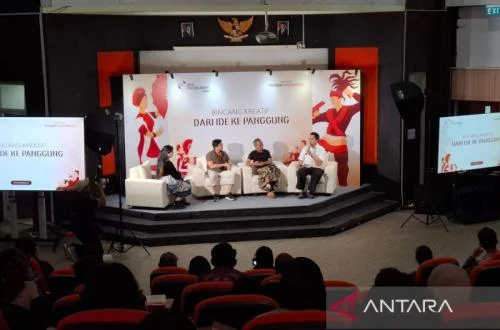
Banjarmasin, South Kalimantan – In a significant initiative aimed at galvanizing the regional performing arts scene, Eko Pece, an internationally acclaimed choreographer and dancer, served as a key motivator in a creative talk series titled "From Idea to Stage." The event, held on Thursday at the Lecture Theater of Universitas Lambung Mangkurat (ULM) Banjarmasin, drew hundreds of local artists and cultural practitioners, eager to glean insights from a luminary in the global arts community. Organized by Bakti Budaya Djarum Foundation, the program underscored a concerted effort to foster artistic development and professionalization outside major metropolitan centers.
The presence of Eko Pece, whose full name is Eko Supriyanto, was a major draw for attendees. Known for his groundbreaking work and a distinguished career that includes choreographing for global pop icon Madonna, Eko shared his invaluable perspectives on the multifaceted creative process in performing arts. His discourse spanned from the initial spark of an idea to its intricate artistic development, consistently emphasizing the critical role of sensitivity to social and cultural environments as primary wellsprings of inspiration. Eko Pece’s insights resonated deeply with the local artistic community, who often grapple with balancing traditional artistic heritage with contemporary expression and global appeal.
During his address, Eko articulated a fundamental truth about artistic creation: "The creative process in performing arts never stands alone. It always stems from experience, research, and dialogue within the surrounding environment." He elaborated on this philosophy, urging artists to engage deeply with their local contexts. "What is important," he continued, "is how we process these elements into an honest artistic language that can still connect with a broader audience." This statement highlighted the delicate balance between authenticity and universality, a challenge many artists face when striving for recognition beyond their immediate communities. Eko’s emphasis on genuine artistic expression, rooted in local narratives, offered a compelling framework for artists seeking to develop works that are both profound and accessible.
Eko Pece expressed strong conviction in the artistic potential of Banjarmasin and the wider South Kalimantan region. He believes that the immense wealth of local art and culture can be harnessed and refined by regional artists to create works capable of achieving global recognition. Kalimantan’s rich tapestry of indigenous cultures, unique traditional dances such as the Baksa Kembang, vibrant musical forms like Madihin, and narrative traditions like Mamanda theatre, represent an untapped reservoir of inspiration. Eko’s encouragement serves as a powerful validation for artists in the region, affirming that their distinct cultural heritage is not a barrier but a unique asset in the international arts landscape.
Cultivating Professionalism: The Role of Production Management
Joining Eko Pece was Chiskevin Adefrid, a versatile performing arts practitioner, writer, director, and producer, who brought a crucial practical dimension to the discussion. Adefrid underscored the indispensable role of robust production management in transforming artistic concepts into tangible stage performances. His expertise, spanning various facets of theatrical creation, provided a vital counterpoint to the more abstract discussions of artistic inspiration.
"Many works possess powerful ideas but never reach the stage due to a lack of mature production planning," Adefrid observed, highlighting a common pitfall in the arts sector. He stressed that while artistic vision is paramount, its realization hinges on meticulous logistical and organizational efforts. "This is where the role of management becomes crucial," he added, "how to unify artistic vision with technical realism, and ensure that the entire team operates within a measurable system." Adefrid’s remarks offered a sobering yet empowering message: artistic brilliance must be coupled with strategic execution to achieve its full potential. He detailed the various components of effective production management, including budgeting, scheduling, venue coordination, marketing, and team communication, all of which are critical for a successful production. For many local artists, often self-taught in the logistical aspects of production, Adefrid’s guidance provided a clear roadmap for professionalizing their artistic endeavors.
Bakti Budaya Djarum Foundation: Fostering a Robust Arts Ecosystem
Billy Gamaliel, Program Manager for Bakti Budaya Djarum Foundation, reiterated the organization’s unwavering commitment to strengthening Indonesia’s performing arts ecosystem. He explained that this commitment is realized through various initiatives designed to stimulate the creation of both creative and professional artistic works. The "From Idea to Stage" creative talk series, he stated, is an integral part of this broader strategy.
"This creative talk on performing arts is presented as the initial phase of our ‘Creative Space for Performing Arts 2026’ program," Gamaliel announced. He elaborated on the foundation’s objectives, which extend beyond merely encouraging artistic creation to encompassing a holistic understanding of developing an idea into a mature, stage-ready production. "We encourage performing arts practitioners, especially the younger generation, not only to dare to create but also to understand how to develop ideas into mature works ready for performance," he emphasized. This comprehensive approach reflects a recognition that a thriving arts scene requires not just talent, but also structured development and professional opportunities.
The "Creative Space for Performing Arts 2026" program offers a significant opportunity for emerging Indonesian artists. Gamaliel detailed the program’s structure: it provides a platform for Indonesian citizens aged 18 to 35 to develop their artistic works through a rigorous process of curation, workshops, mentoring, and ultimately, a professional staging at Galeri Indonesia Kaya in Jakarta. This unique opportunity bridges the gap between nascent talent and national exposure, providing crucial support often inaccessible to independent artists.
Applications for the program are open until May 31, 2026, requiring interested artists to submit a comprehensive project proposal. From the submissions, 13 of the best proposals will be selected to receive a comprehensive package of support, including production funding, specialized workshops, and personalized mentoring from experienced arts practitioners. This holistic support system is designed to equip artists with the necessary financial, technical, and artistic resources to bring their visions to fruition. Billy Gamaliel expressed a particular hope that proposals from Banjarmasin would be among those selected, underscoring the foundation’s desire to discover and nurture talent from across the archipelago.
Background and Context: Nurturing Regional Arts
The event at ULM Banjarmasin is more than just a talk show; it represents a strategic investment in the decentralization and professionalization of Indonesia’s performing arts. Bakti Budaya Djarum Foundation has a long-standing history of supporting Indonesian arts and culture, with its programs like Galeri Indonesia Kaya serving as prominent national platforms. By bringing renowned figures like Eko Pece and Chiskevin Adefrid directly to regional hubs like Banjarmasin, the foundation actively fosters a more equitable distribution of artistic resources and opportunities.
Universitas Lambung Mangkurat (ULM), as a leading educational institution in South Kalimantan, plays a vital role in hosting such events. Its Lecture Theater provides an ideal venue for large-scale artistic gatherings, demonstrating ULM’s commitment to not only academic excellence but also cultural enrichment and community engagement. By opening its doors to this initiative, ULM reinforces its position as a cultural catalyst in the region, facilitating interaction between local artists and national and international experts. This collaboration between a philanthropic foundation and an academic institution creates a powerful synergy for cultural development.
South Kalimantan, with Banjarmasin as its vibrant capital, possesses a unique cultural identity shaped by its riverine landscape and diverse ethnic heritage, particularly the Banjar people. Traditional arts here, often reflecting the rhythms of daily life along the Martapura River, offer a rich source of inspiration. However, like many regional arts scenes in Indonesia, artists often face challenges such as limited funding, lack of access to professional training, and insufficient infrastructure for staging high-quality productions. Initiatives like the "From Idea to Stage" talk and the "Creative Space 2026" program directly address these gaps, providing both inspiration and practical tools for growth.
Chronology of Engagement and Future Prospects
The "From Idea to Stage" talk show on Thursday marked a pivotal moment, serving as an official launchpad for the "Creative Space for Performing Arts 2026" program. While the specific date of the talk show was Thursday, its timing strategically precedes the extensive application period for the larger program. The timeline for aspiring artists is clear: following the inspiration drawn from the talk, they have ample time to conceptualize and refine their proposals, with the submission window closing on May 31, 2026. This allows for thorough development of ideas, potentially incorporating the lessons learned from Eko Pece and Chiskevin Adefrid.
Upon the close of submissions, a rigorous curation process will commence, identifying the 13 most promising proposals. The selected artists will then embark on a comprehensive development journey that includes intensive workshops, personalized mentoring sessions with seasoned practitioners, and ultimately, the opportunity to present their developed works at Galeri Indonesia Kaya in Jakarta. This phased approach, from initial inspiration to professional staging, ensures a structured and supportive environment for artistic growth. The program extends well into 2026, culminating in the public performances, marking a significant investment in the long-term development of each selected artist and their work.
Implications for the Indonesian Performing Arts Landscape
The Djarum Foundation’s initiative, exemplified by the Banjarmasin event, carries profound implications for the Indonesian performing arts landscape. Firstly, it actively contributes to the decentralization of artistic excellence. Historically, artistic development and opportunities have been heavily concentrated in major cities like Jakarta and Yogyakarta. By engaging regional artists directly and offering them pathways to national platforms, the program helps to democratize access and foster a more geographically diverse artistic ecosystem. This approach recognizes and validates the rich cultural contributions from all corners of the archipelago.
Secondly, the emphasis on production management and structured development promotes the professionalization of the arts sector. Many talented artists in Indonesia operate with limited formal training in the business and logistical aspects of their craft. By providing workshops and mentoring on these crucial areas, the program empowers artists to not only create compelling work but also to manage it effectively, making their careers more sustainable and impactful. This fosters a shift from hobbyist pursuits to viable professional careers in the arts.
Thirdly, the program encourages cultural preservation through innovation. Eko Pece’s call to draw inspiration from local social and cultural environments, coupled with the foundation’s support for new creations, encourages artists to reinterpret and contemporize traditional art forms. This ensures that Indonesia’s vast cultural heritage remains dynamic and relevant to contemporary audiences, preventing stagnation and fostering a vibrant dialogue between tradition and modernity.
Finally, by specifically targeting young artists aged 18-35, the "Creative Space for Performing Arts 2026" program ensures youth empowerment and future sustainability of the arts. Investing in the next generation of cultural leaders, creators, and managers guarantees a continuous flow of fresh ideas and artistic energy, securing the future of Indonesian performing arts. Such initiatives are crucial for building a robust creative economy that can contribute significantly to the national GDP and enhance Indonesia’s cultural standing on the global stage. The hope expressed by Billy Gamaliel for Banjarmasin proposals is not merely a wish but a testament to the potential believed to exist within regional talents, poised to enrich Indonesia’s vibrant cultural tapestry.