Lina Irawan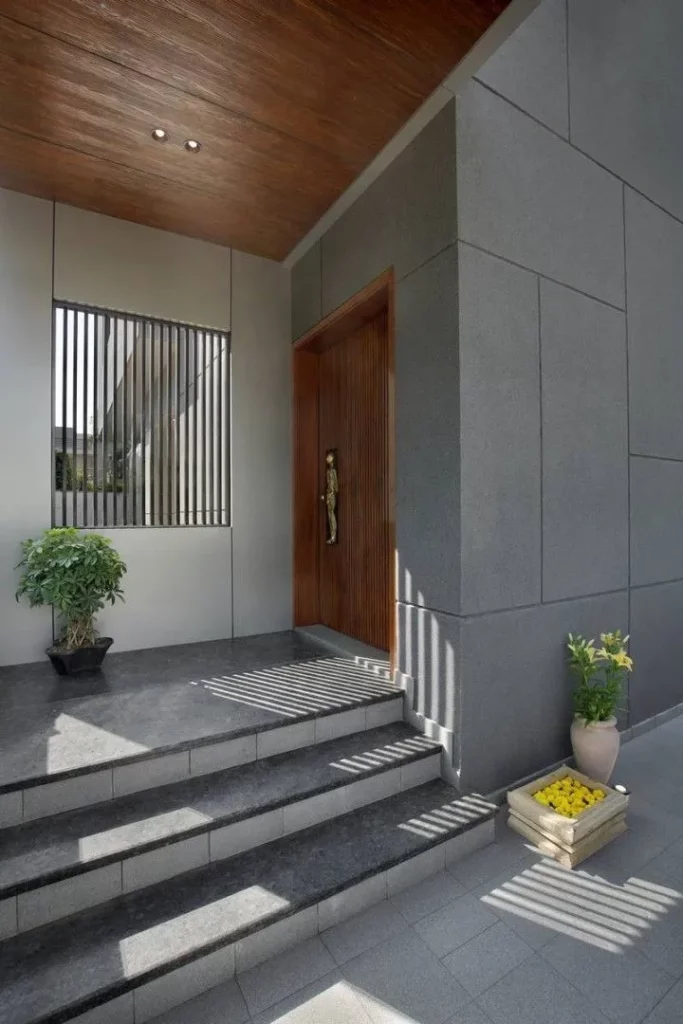
InteriorDesign.ID – A meticulously designed home facade requires a well-planned transition of floor materials to achieve visual harmony and functional integrity. Experts at InteriorDesign.ID frequently observe residential front areas appearing disjointed due to conflicting material choices between carports and terraces. This oversight often undermines the aesthetic potential, as the human eye perceives the entire facade as a single visual entity from the street. The strategic coordination of material colors, textures, and patterns, extending from the perimeter fence through the parking area to the main entrance, is not merely a matter of safety during inclement weather; it is fundamental to creating an exterior that feels unified and thoughtfully curated. This comprehensive guide delves into advanced techniques for integrating terrace and carport flooring, ensuring both aesthetic appeal and practical durability without sacrificing design interest.
The Indispensable Role of Visual Facade Transitions
The ground plane constitutes a significant portion of the visual real estate when a house is viewed from the front. Abrupt changes in color, texture, or material within this expansive area can visually constrict the space, making the property appear smaller and less inviting. The journey from the public asphalt road, through the gate, into the parking area, and up to the main terrace, should be meticulously orchestrated to flow seamlessly. By dissolving harsh functional boundaries through intelligent flooring choices, even modest home exteriors can achieve an illusion of greater spaciousness and sophistication. This principle is not just about aesthetics; it contributes significantly to the overall perceived value and curb appeal of the property, a factor increasingly emphasized by real estate professionals.
Technical Specifications: The Foundation of Durable Outdoor Flooring

Outdoor areas are subjected to considerably harsher environmental conditions than interior spaces, necessitating more stringent technical specifications for flooring materials. The paramount consideration is slip resistance. Industry standards recommend using tiles with a minimum slip rating of R11 or R12. This classification, measured by the DIN 51130 ramp test, indicates the degree of friction a surface provides, ensuring it remains safe to walk on even when wet from rain, spills, or dew. Neglecting this crucial aspect can lead to hazardous conditions and potential liabilities.
Beyond slip resistance, the material’s water absorption rate is critical for long-term performance and aesthetic preservation. Homogeneous tiles or porcelain stoneware, characterized by an exceptionally low water absorption rate (typically below 0.5 percent), are ideal for exterior applications. This minimal porosity renders them highly resistant to moss, mildew, and discoloration caused by prolonged exposure to moisture, UV radiation, and fluctuating temperatures. Materials with higher absorption rates are prone to staining, biological growth, and degradation over time, leading to costly maintenance and premature replacement. Architects and designers consistently advocate for these high-performance materials to ensure longevity and aesthetic resilience in challenging outdoor environments.
Achieving Harmony: Unifying Carport and Terrace Design
The core challenge in exterior flooring design lies in seamlessly connecting areas with disparate functional demands—specifically, the heavy-load-bearing carport and the more relaxed, pedestrian-oriented terrace—without resorting to monotonous uniformity. A sophisticated approach involves utilizing materials from the same color series but varying their cut sizes. For instance, one might select large format tiles, such as 60×60 cm, for the terrace, and then cut the identical material into smaller formats, like 30×60 cm or 15×60 cm, for the carport. This method introduces subtle visual differentiation while maintaining a consistent color palette and material lineage.
The distinction in tile dimensions, coupled with variations in grout line width and laying patterns, establishes clear visual boundaries without disrupting the overarching color consistency. This technique, often employed by landscape architects, creates visual interest and defines zones intuitively. Another effective strategy is to alter the orientation of the tile installation. For example, a straight-lay pattern on the terrace can transition into a more dynamic herringbone or basketweave pattern in the parking area. Such shifts in pattern, while maintaining material continuity, guide the eye and delineate functional zones with elegance. According to a recent survey by a leading design publication, integrated outdoor flooring concepts can increase a property’s perceived value by up to 10% due to enhanced curb appeal and functional design.

Inspirational Design Concepts for Front Yard Flooring
Aligning the front yard flooring design with the architectural style of the main building is paramount to achieving a cohesive and impactful facade.
1. Industrial Chic: Exposed Concrete Aesthetics
For facades embracing an industrial aesthetic, matte grey exposed concrete-look tiles offer a sophisticated and practical solution. The inherent grey tones are exceptionally adept at camouflaging tire marks, dust, and other common outdoor stains, making them a low-maintenance choice. This material can be applied continuously from the property’s edge to the terrace steps, creating an expansive, minimalist canvas. To counteract the potentially austere quality of concrete, integrate black natural pebble wash (batu koral sikat) into grout lines or designated water absorption zones. This not only introduces organic texture but also enhances drainage and visual interest.
2. Warmth of Wood: Outdoor-Grade Timber Effect
Advancements in porcelain tile technology now allow for the creation of incredibly realistic wood grain motifs, complete with tactile, anti-slip textures suitable for outdoor use. These plank-format tiles, laid in a staggered pattern from the gate to the entrance, evoke the warmth and natural beauty of timber without the associated maintenance challenges. Complement this pathway with square andesite stone pavers in the car park area to forge a modern tropical facade. The juxtaposition of wood-look porcelain and natural stone creates a dynamic yet harmonious interplay of textures, reminiscent of contemporary resort designs.
3. Timeless Elegance: Natural Stone Inspiration
Ceramic tiles mimicking the appearance of natural stones such as slate or basalt, featuring irregular embossed textures, provide a durable and aesthetically pleasing option. Dark grey to anthracite hues lend a sophisticated backdrop that enhances the vibrancy of surrounding greenery. For the main seating terrace, opt for large format tiles (60×60 cm or 60×120 cm) to create a sense of grandeur and expanse. In the vehicle path, smaller cuts or mosaic patterns can be employed to better withstand concentrated weight and provide additional grip. This approach marries robust functionality with timeless elegance, a hallmark of high-end landscape design.

Execution Excellence: Critical On-Site Details
The successful implementation of any outdoor flooring design hinges on meticulous attention to installation details.
Managing Transitions and Grout Lines:
In confined spaces, avoid stark visual breaks between the parking area and the terrace. A subtle change in elevation, such as a single step, is often sufficient to signal a functional transition. For enhanced safety and visual definition, integrate step nosing—tiles with a grooved or textured edge—in a slightly darker shade at the leading edge of each step. This detail not only improves grip but also highlights the step for guests.
For outdoor grout lines, a spacing of 3-5 mm is recommended. This wider joint accommodates the natural expansion and contraction of tiles due to thermal fluctuations, preventing common issues like "popping" or lifting of tiles during extreme heat. The use of flexible, weather-resistant grout is also crucial to withstand the elements and maintain structural integrity.
Strategic Floor Lighting:
Integrating ground-level lighting can dramatically elevate the evening ambiance and safety of your facade. Install uplights at the juncture of the parking area and terrace. These fixtures cast light upwards, accentuating the rough textures of outdoor ceramics and creating dramatic shadows. Additionally, waterproof LED strip lights discreetly installed beneath the lip of terrace steps provide both a captivating floating effect and essential illumination for nighttime navigation, enhancing both aesthetics and guest safety.

Ensuring Robust Concrete Structure:
For vehicle pathways, the underlying concrete slab (rabat beton) must meet rigorous structural standards. A concrete mix equivalent to K-250 or K-300 is essential to withstand the dynamic loads and impacts from vehicles. Reinforce this slab with steel wire mesh to distribute weight effectively and prevent cracking under sudden stress, such as emergency braking.
Crucially, the installer must ensure a floor slope (drainage gradient) of at least 1.5 to 2 percent, directed towards the street gutter. This critical detail prevents rainwater accumulation, which can lead to slippery surfaces, water damage, and accelerated material degradation. Furthermore, specify a flexible, high-performance tile adhesive specifically formulated for exterior applications. This specialized adhesive accommodates slight ground movements and vibrations from vehicle traffic, significantly reducing the risk of tile detachment over time.
A Holistic Approach: From Exterior to Interior
The design philosophy of continuity should extend beyond the immediate exterior, creating an unbroken visual thread that flows into the home’s interior. When the main door is opened, the transition from the outdoor floor should feel natural and inviting, blurring the boundaries between external and internal living spaces. If the exterior utilizes a coarse, grey natural stone motif, the interior can transition to a lighter, polished grey granite, subtly softening the aesthetic while maintaining color harmony.
Exterior Zone (Fence to Terrace): Employ porcelain stoneware or homogeneous tiles with a matte or coarse (R11/R12) texture. Combine 60×60 cm tiles for the terrace with 30×60 cm for the parking area, ensuring a 2% outward slope for effective drainage.

Transition Zone (Main Entrance): Select a material that complements the terrace, perhaps with a smoother matte finish. Elevate this area by 5-10 cm above the outdoor terrace level to act as a splash barrier, preventing rainwater from entering the home.
Interior Zone (Living Area): Transition to polished porcelain granite with a reflective finish. Opt for larger formats (60×120 cm or 80×80 cm) in a color that extends the exterior palette, such as light grey or beige, to create a sense of expansive continuity.
Preserving Your Investment: Maintenance and Common Pitfalls
Outdoor Floor Maintenance:
Regular maintenance is key to preserving the beauty and longevity of outdoor flooring. Textured surfaces should be scrubbed at least once a week using a stiff nylon brush and a pH-neutral floor cleaner. Harsh acidic cleaners, such as those designed for toilet porcelain, must be strictly avoided as they can damage the tile’s surface and compromise its protective layers.
Oil stains or tire marks should be addressed immediately. Absorb fresh oil spills with sawdust or sand, then clean the area thoroughly with an automotive-specific degreaser. Additionally, inspect grout lines biannually. Any eroded or cracked grout should be promptly repaired to prevent water ingress, which can undermine the adhesive layer and the concrete substrate.

Avoiding Installation Errors:
Crucially, never install glossy tiles in outdoor areas. Their low coefficient of friction makes them dangerously slippery when wet, posing a significant safety hazard. When installing carport flooring, ensure the tile layout is aligned with the expected wheel paths of vehicles. Uneven pressure distribution on grout lines from concentrated tire loads can lead to hairline cracks or complete tile failure. For expansive paved areas, incorporate expansion joints filled with flexible silicone at strategic intervals. These joints allow the ceramic flooring to expand and contract freely with temperature changes, preventing buckling and cracking.
The Balance of Proportion and Greenery:
The size of the chosen tiles must be proportionate to the facade’s overall dimensions. In smaller homes, such as those of type 36 or 45, oversized tiles (e.g., 80×80 cm) can paradoxically emphasize the limited space due to excessive cuts and awkward edge alignments. More modest sizes, such as 40×40 cm or 30×60 cm, often prove more proportional and visually pleasing for compact facades.
Finally, balance the hardscaping of concrete and ceramic with the softening influence of greenery. Designate elongated planting strips adjacent to the fence or integrate raised planter boxes. Unify the facade by cladding these planter boxes with the same material used for the terrace flooring, ensuring a cohesive and sophisticated visual presentation. This thoughtful integration of softscaping not only enhances aesthetics but also contributes to microclimate regulation and biodiversity.
A well-executed exterior flooring plan is an investment that transcends mere aesthetics. It enhances safety, reduces maintenance, increases property value, and creates a welcoming, cohesive first impression for residents and visitors alike.