Lina Irawan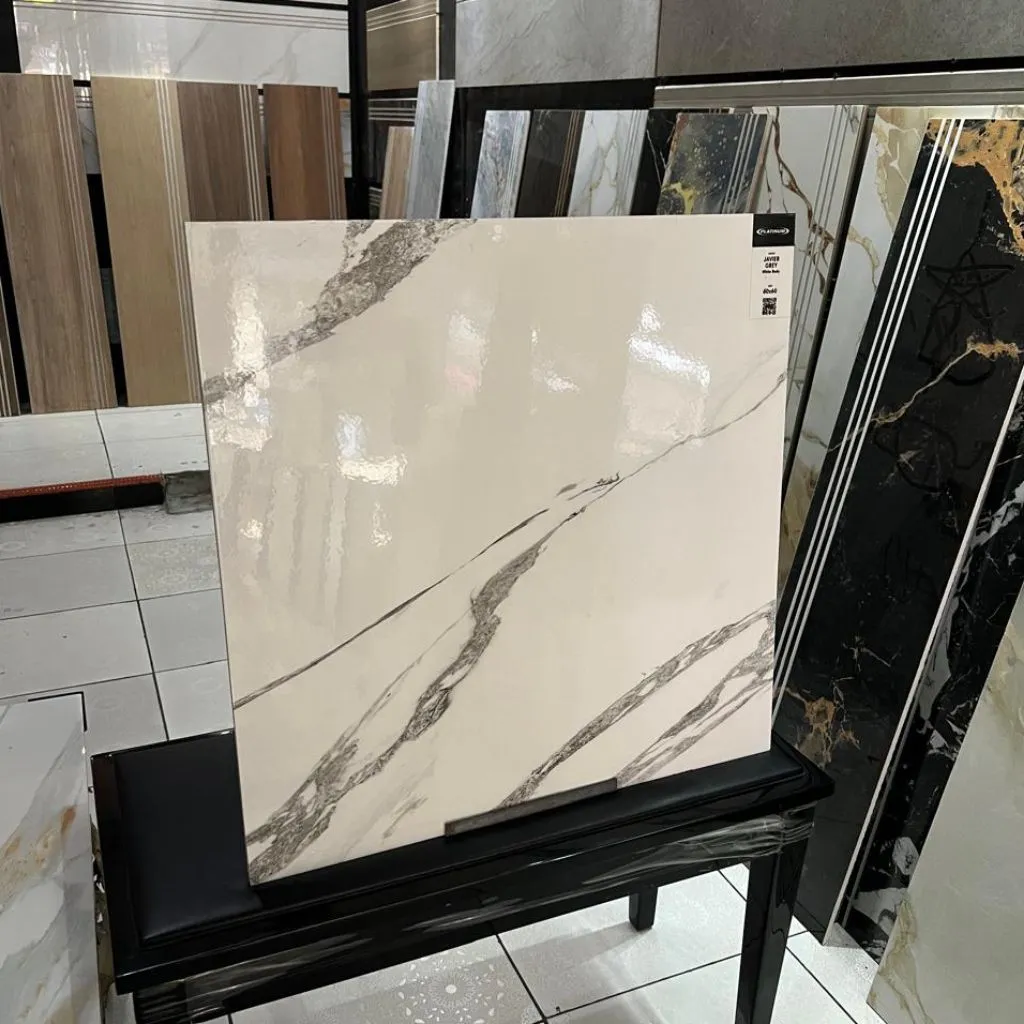
The ubiquitous 60×60 cm ceramic tile has become a cornerstone of modern home design, frequently prompting homeowners to inquire about current market prices. Data compiled by InteriorDesign.ID indicates a market price range of Rp 85,000 to Rp 250,000 per box, a figure subject to fluctuations based on brand reputation, quality grade (KW), and surface finish. Typically, a single box of 60×60 cm ceramic tiles contains four pieces, covering an area of 1.44 square meters. This translates to an estimated price per square meter ranging from Rp 59,000 to Rp 173,000. This foundational understanding is crucial for any homeowner or contractor before engaging with building material suppliers, as misinterpretations of pricing structures are common pitfalls in the procurement process. Many consumers are often swayed by seemingly attractive low prices, neglecting to scrutinize the specifications printed on the packaging—a critical oversight given the standardized classifications within the material industry. This in-depth analysis aims to demystify the process of interpreting market prices and selecting appropriate tile specifications, particularly for dry interior spaces.
Unpacking Pricing Dynamics and Market Nuances
The seemingly straightforward act of purchasing ceramic tiles can be complicated by varied sales tactics. Sales associates frequently quote prices that can be misleading if not clarified. When presented with a price, for instance, "one hundred thousand rupiah," it is imperative to ascertain whether this figure represents the cost per square meter or per box. Larger retail outlets commonly advertise prices per square meter to project an image of affordability. However, at the point of sale, this per-square-meter price is invariably multiplied by the box coverage (1.44 m² for 60×60 cm tiles), potentially leading to a higher-than-expected total. This practice is standard across the industry, necessitating that consumers come prepared with a calculator and consistently request price conversions to a "per box" basis to maintain clear budgetary control over material costs.
Beyond direct pricing, promotional offers such as "clearance sales" warrant careful consideration. Discounted items are often remnants from older production batches. A significant challenge arises if a project requires additional material mid-way; sourcing an identical color and pattern from a different production batch can be exceedingly difficult, if not impossible. Tile manufacturers employ a batch production system, meaning slight variations in color and shade are inherent between different production runs. This phenomenon, known as "color banding," can severely compromise the aesthetic uniformity of a tiled surface. Therefore, it is strongly advised to procure a sufficient surplus of tiles from a single production lot to mitigate the risk of color discrepancies and ensure consistency throughout the installation. Industry data suggests that a significant percentage of post-installation complaints are related to color matching issues arising from staggered purchases.
The Hierarchy of Quality: Understanding Ceramic Tile Grades (KW)

The price of ceramic tiles is directly correlated with its quality grade, or "KW" (Kualitas), a system manufacturers use to categorize their products. Understanding these classifications is fundamental to making an informed purchase that aligns with both aesthetic expectations and budgetary constraints.
-
KW 1 (Export Quality): The Pinnacle of Precision
This represents the highest echelon of ceramic tile quality. KW 1 tiles are characterized by their exacting dimensional accuracy, ensuring perfectly square 90-degree corners. This precision allows for minimal grout lines, often as thin as 1-2 millimeters, creating a seamless and sophisticated appearance. Furthermore, KW 1 tiles are meticulously inspected to be free from any factory defects, such as chips, cracks, pinholes, or surface imperfections. Consequently, these tiles command the highest prices in the market, reflecting their superior manufacturing standards and aesthetic perfection. For discerning homeowners prioritizing flawless finishes and long-term durability, KW 1 is the unequivocal choice. -
KW 2 (Standard Quality): The Balanced Compromise
For projects operating under tighter budgetary constraints, KW 2 tiles offer a viable middle ground. While these tiles meet general quality standards, they may exhibit minor imperfections that prevent them from qualifying as KW 1. Common issues include slight dimensional variances, typically 1-2 millimeters between individual tiles, or minor surface blemishes that are not immediately apparent. Experienced tile setters can often compensate for these minor discrepancies by slightly adjusting the width of the grout lines. Opting for KW 2 can result in cost savings of approximately 10% to 20% compared to KW 1, making it an attractive option for areas where absolute perfection is not the paramount concern, such as utility rooms or less prominent areas. -
KW 3 (Project Quality): A False Economy for Private Use
KW 3 tiles, often referred to as "project quality" or "rejects," are generally unsuitable for personal residential use. These products typically fail to meet even standard quality benchmarks, exhibiting significant dimensional inaccuracies, pronounced color variations, and noticeable surface defects. While their price point is significantly lower, the apparent savings are often negated by increased labor costs. Installers must spend considerably more time meticulously sorting through tiles, selecting the least flawed pieces, and making extensive adjustments during installation. This extended labor time can quickly inflate the overall project cost, rendering KW 3 a false economy for homeowners seeking a quality finish. Furthermore, the inherent aesthetic flaws can detract significantly from the overall appearance of the space, leading to long-term dissatisfaction.
The Ramifications of Opting for Lower-Priced Tiles
Pursuing the lowest possible price point for ceramic tiles invariably entails compromises, most notably in surface durability and overall finish quality. Standard ceramic tiles differ fundamentally from homogeneous tiles or porcelain stoneware, which possess a consistent composition throughout their thickness. Ceramic tiles feature a thin glazed (vitreous) layer applied over a clay base. In cheaper products, this glaze layer is thinner and less robust, making it highly susceptible to scratches and abrasion. Even minor actions, such as sliding a chair or table, can leave permanent marks, necessitating premature replacement or costly repairs. In contrast, premium ceramic or porcelain tiles offer superior wear resistance, translating into greater longevity and reduced renovation expenses over several years.

Another critical distinction lies in the tile edges. Budget-friendly ceramic tiles typically feature non-rectified edges, which are slightly curved or irregular. This characteristic mandates wider grout lines, typically ranging from 3 to 5 millimeters, to accommodate the variations and achieve a visually acceptable installation. For those aspiring to a seamless, contemporary floor aesthetic, rectified tiles are the preferred choice. Rectified tiles undergo a mechanical process after firing where their edges are precisely cut and ground to achieve sharp, uniform 90-degree angles. This allows for significantly narrower grout lines, often as fine as one millimeter, creating a sleek, almost monolithic appearance that mimics the look of natural stone slabs. The choice between rectified and non-rectified edges significantly impacts both the visual appeal and the long-term maintenance of the tiled surface.
The Strategic Advantage of 60×60 cm Tiles for Dry Areas
The 60×60 cm tile format has firmly established itself as a modern standard for residential properties, progressively superseding older, smaller formats like 40×40 cm. The larger dimensions of these tiles impart a distinct sense of spaciousness and expansiveness to any room. Dry areas, encompassing living rooms, family rooms, and bedrooms, are environments not subject to constant moisture exposure, making them ideal candidates for a wider array of tile finishes, including polished surfaces.
- Enhanced Visual Impact: In dry zones, particularly living rooms and bedrooms, a polished (mengkilap) finish is highly effective. The reflective quality of a glossy surface maximizes light dispersion, visually expanding the room and making even compact spaces feel considerably larger and more open. This effect is particularly beneficial in minimalist interior designs, where clean lines and uncluttered spaces are paramount.
- Reduced Grout Lines and Maintenance: A significant practical benefit of larger format tiles is the reduction in the number of grout lines. Fewer lines not only contribute to a cleaner, more cohesive aesthetic but also simplify cleaning routines. Dust and dirt have fewer crevices to accumulate in, making sweeping and mopping more efficient. This contributes to better hygiene and a tidier appearance.
- Modern Aesthetic: Visually, smaller tile formats can evoke a dated aesthetic, often associated with homes from the 1990s. The adoption of 60×60 cm tiles instantly modernizes a space, transforming its perceived proportions. A room measuring 3×4 meters, for instance, will feel less confined and more grand when floored with large format modules, as the eye is drawn to the expansive surface rather than being broken up by numerous small squares.
- Color Selection for Optimal Effect: For dry areas, light and neutral color palettes are typically recommended. Shades such as light cream, cloud grey, or ivory white offer versatility, providing a neutral canvas that allows for greater freedom in selecting complementary furniture and decorative elements. While darker floor colors can be visually striking, they necessitate brighter ambient lighting to prevent the room from feeling somber or enclosed. The current trend also favors off-white (tulang putih) over stark white, offering a softer, less rigid feel, especially when paired with natural wood furnishings. Faux Carrara marble patterns with subtle grey veining also remain popular for achieving a luxurious aesthetic without the exorbitant cost of natural stone. For those preferring darker tones, a concrete-look grey offers excellent scratch concealment and provides a sophisticated base for brightly colored furniture.
Precise Calculation: Avoiding Shortages and Excess
Accurate material estimation is paramount; knowing the price per box is futile if the quantity calculation is flawed. Under-ordering often leads to costly last-minute purchases of individual tiles at inflated prices, while over-ordering ties up capital and storage space.
To calculate tile requirements, begin by precisely measuring the length and width of the room using a tape measure. For example, a living room measuring 4 x 5 meters has a net area of 20 square meters. Divide this area by the coverage per box (1.44 m² for 60×60 cm tiles). In this instance, 20 m² / 1.44 m²/box yields approximately 13.88 boxes. Since retailers do not sell fractional boxes, this figure must be rounded up to 14 boxes. However, this initial calculation does not account for an essential factor: wastage.

-
The Wastage Factor: Accounting for Imperfections and Cuts
During installation, some tiles inevitably require cutting to fit around room corners, pillars, doorframes, or irregular edges. These cut pieces often result in unusable remnants, termed "wastage." Industry standards recommend adding a wastage allowance of 5% for simple, square-shaped rooms. For rooms with asymmetrical angles, numerous corners, or complex layouts, a more conservative 10% wastage factor is advisable. Applying this to our example of 14 required boxes: a 10% wastage allowance would be 1.4 boxes. Rounding this up, an additional 2 boxes should be purchased. Therefore, the realistic total purchase for a 4×5 meter room would be 16 boxes.Maintaining a surplus of 1-2 complete boxes after project completion is a prudent measure. Storing these extra tiles in a cool, dry place ensures that if a tile becomes damaged (e.g., chipped by a falling object) several years down the line, an identical replacement with the exact same motif and batch color is readily available, preventing the frustrating and often impossible search for a matching tile.
Beyond the Tile: Unmasking Hidden Installation Costs
The total budget for a flooring project extends far beyond the mere cost of the ceramic tiles themselves. Ancillary materials and professional labor constitute a significant portion of the overall expenditure and must be meticulously factored into the financial plan.
- Specialized Tile Adhesive: While using a conventional cement-sand mixture might appear cost-effective initially, it is strongly discouraged, particularly for large-format tiles. Standard cement mixtures lack the necessary bonding properties and flexibility, making the floor susceptible to "popping" – a phenomenon where tiles lift and detach from the substrate due to thermal expansion and contraction or poor adhesion. Investing in a specialized tile adhesive (tile adhesive) is crucial. These formulated adhesives offer superior bonding strength, flexibility, and anti-shrinkage properties, guaranteeing maximum adhesion for large format tiles and preventing future issues. A standard 40-kilogram bag of tile adhesive typically covers an area of 5-6 square meters, though coverage can vary by product and application thickness.
- Grout: The material used to fill the spaces between tiles (grout) is another essential item. It should be selected to match or complement the tile color, contributing to a cohesive aesthetic. Different types of grout exist, including sanded and unsanded, with epoxy grout offering superior stain resistance and durability for high-traffic areas.
- Professional Installation Labor: The cost of tile installation services varies widely, typically ranging from Rp 45,000 to Rp 100,000 per square meter. This variation depends on several factors, including the installer’s experience, the geographical location, and the complexity of the installation (e.g., intricate patterns, difficult angles, subfloor preparation). Installing 60×60 cm tiles demands a high degree of precision and meticulous leveling techniques. It is imperative to engage a skilled and experienced professional to avoid common pitfalls such as uneven surfaces ("lippage") or improperly spaced tiles. A poorly executed installation can undermine even the highest quality materials, leading to dissatisfaction and potentially expensive remedial work.
- Specialized Installation Tools: Professional tile installers often utilize specialized tools to ensure a flawless finish. A "tile leveling system," consisting of clips and wedges, is invaluable for large format tiles. This system mechanically holds adjacent tiles at the same height during the adhesive curing process, effectively preventing lippage – where one tile edge is slightly higher than another, creating an uneven surface. If a contractor does not possess these tools, purchasing an affordable set online for the project can significantly enhance the quality of the installation. Additionally, "cross spacers" (pembatas nat silang) are indispensable for maintaining perfectly uniform grout line widths throughout the tiled area, contributing to a professional and aesthetically pleasing result.
Integrating Texture with Interior Design Styles
Beyond color and size, the surface texture of ceramic tiles plays a pivotal role in defining the overall aesthetic and functionality of a space. Pricing for plain, untextured tiles is generally slightly lower than that for textured or patterned variants. There are three primary surface options widely available in the market:

- Polished (Mengkilap): Characterized by a high-gloss, reflective finish, polished tiles are a classic choice for interiors aiming for elegance, brightness, and a sense of luxury. They are particularly well-suited for classical, contemporary, or glamorous design styles, where their light-reflecting properties enhance the luminosity of a room. However, polished surfaces can be prone to showing footprints and dust more readily and may be slippery when wet, making them less ideal for high-moisture areas.
- Matte (Doff): Offering a non-reflective, muted finish, matte tiles diffuse light softly, creating a calmer and more understated ambiance. This texture is a popular choice for Scandinavian, Japandi, or minimalist designs, where natural, subtle tones and tactile surfaces are valued. Matte tiles are also more forgiving in terms of showing dirt and scratches, making them practical for high-traffic areas. Their slip resistance is generally superior to polished tiles, adding a safety benefit.
- Textured Finishes: A growing trend involves ceramic tiles that convincingly mimic the textures of other natural or industrial materials, such as wood grain, natural stone (slate, travertine), or exposed concrete. These textured tiles are excellent for achieving specific aesthetic themes like industrial, rustic, or natural contemporary designs. They offer the visual appeal of these materials without the maintenance challenges or cost associated with the real thing. For example, wood-look ceramic tiles provide the warmth of wood with the durability and water resistance of tile, while concrete-look tiles offer an urban edge that is far easier to clean than actual exposed concrete.
Preserving Your Investment: Maintenance for Dry Area Tiles
The longevity and aesthetic appeal of dry area ceramic floors are heavily influenced by consistent and appropriate maintenance practices, particularly given their exposure to foot traffic, furniture movement, and ambient dust.
- Preventive Measures: Placing robust doormats at all entry points is a simple yet highly effective strategy. These mats trap abrasive particles like sand and grit from footwear, preventing them from being tracked into the house where they can act like sandpaper, slowly eroding the tile’s protective glaze layer. Furthermore, attaching felt pads or furniture glides to the legs of heavy furniture, such as sofas, tables, and chairs, is crucial. These pads minimize friction and prevent unsightly scratches or gouges from forming when furniture is moved.
- Cleaning Regimen: For daily cleaning, regular sweeping or vacuuming is essential to remove loose dirt and dust. When mopping, it is vital to avoid harsh, abrasive chemical cleaners. Aggressive cleaning agents can gradually strip away the tile’s polished layer, dulling its shine, and can also degrade the grout, leading to discoloration or weakening. A mild, pH-neutral floor cleaner mixed with warm water is generally sufficient for most ceramic tile surfaces. For stubborn grime or discolored grout lines, a small brush combined with a solution of warm water and baking soda can effectively lift embedded dirt without damaging the tile or grout. Regular cleaning of grout lines prevents the accumulation of dirt and mold, which can cause them to darken and detract from the floor’s overall appearance.
- Preventing Tile Popping (Delamination): The phenomenon of "tile popping," where ceramic tiles lift or detach from the subfloor, is primarily caused by two factors: inadequate expansion joints and poor adhesive application. Buildings undergo constant thermal expansion and contraction. Without sufficient "expansion joints" – small gaps deliberately left between the edge of the tiled floor and the perimeter walls – the expanding tiles have nowhere to go, creating immense pressure that can cause them to buckle and lift. These gaps are typically concealed later by skirting boards (lis plang lantai) for a neat finish. Additionally, a substandard or improperly mixed cement-based adhesive, or insufficient coverage during installation, can lead to weak bonding, making the tiles prone to popping. If tiles have already popped, the affected area must be carefully removed, the old adhesive thoroughly cleaned from both the subfloor and the tile backs, and new tiles reinstalled using a high-quality, flexible tile adhesive, ensuring proper expansion joints are incorporated.
Conclusion
Making an informed decision when purchasing ceramic tiles goes beyond merely comparing prices per square meter. A holistic approach involves meticulously analyzing the price per box, verifying the quality grade (KW), and opting for rectified edges for a precise, seamless installation. It is crucial to factor in a wastage allowance of at least 10% to account for cuts and potential breakages, and to allocate budget for specialized tile adhesives to ensure long-term durability and prevent common issues like tile popping. Furthermore, hidden costs such as professional installation labor and specialized tools must be considered. By adhering to these guidelines and making careful, well-researched decisions at the building material store, homeowners can ensure their new ceramic floors will not only enhance the aesthetic appeal of their living spaces but also provide durable, trouble-free performance for well over a decade.