Chalifah Fatihah
Bangkok, Thailand – May 11, 2026 – International travelers preparing to depart Thailand through the nation’s primary airports will face a significant increase in departure costs starting next month. Airports of Thailand (AOT) has officially confirmed a 50 percent hike in the Passenger Service Charge (PSC), commonly known as airport tax, for international flights, which will take effect on June 20, 2026. This move signals a substantial shift in the cost of exiting the country for non-Thai nationals, potentially impacting the budgets of many inbound visitors.
The AOT announced that the PSC for international flights at its six managed airports will rise from the current 730 Thai Baht (approximately $20 USD) to 1,120 Thai Baht (approximately $31 USD) per person. This increase represents a nearly 50 percent jump, a change that was initially floated by the Thai government in February of this year. The decision aims to bolster the financial health of AOT and fund crucial infrastructure upgrades across the country’s major aviation hubs.
This adjustment is not a blanket increase for all travelers. Notably, the PSC for domestic passengers will remain unchanged at 130 Thai Baht (approximately $3.60 USD) per person, highlighting the targeted nature of this fiscal measure towards international tourism.
Airports Affected by the PSC Increase
The elevated airport tax will be implemented across six key gateways that handle the vast majority of international air traffic into and out of Thailand:
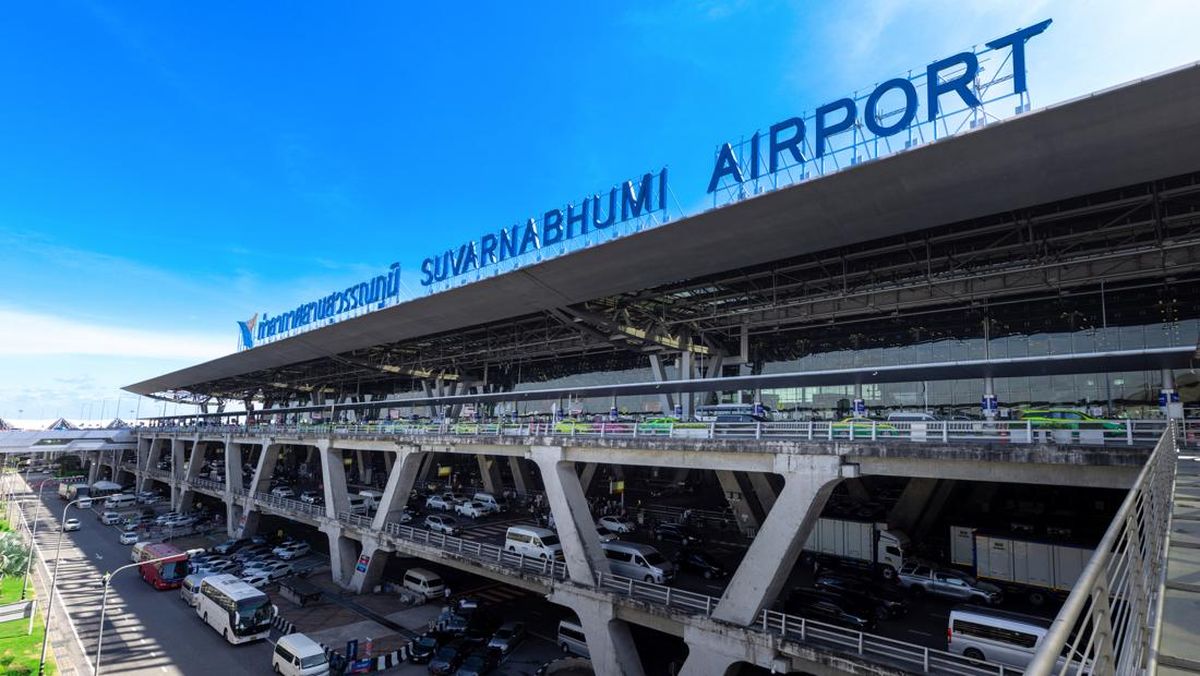
- Suvarnabhumi Airport (BKK), Bangkok: Thailand’s primary international airport and a major hub for Southeast Asia.
- Don Mueang International Airport (DMK), Bangkok: A secondary airport in Bangkok, primarily serving low-cost carriers and domestic flights, but also handling some international routes.
- Phuket International Airport (HKT), Phuket: A crucial gateway for the popular southern island destination.
- Hat Yai International Airport (HDY), Songkhla: Serving the southern region of Thailand, including proximity to Malaysia.
- Chiang Mai International Airport (CNX), Chiang Mai: The main airport for the popular northern city and tourist region.
- Mae Fah Luang Chiang Rai International Airport (CEI), Chiang Rai: Serving the northernmost province, known for its cultural attractions.
Financial Projections and Investment Plans
AOT projects that this PSC revision will lead to an annual revenue increase of approximately 10 billion Thai Baht (roughly $275 million USD). The allocated funds are earmarked for several critical areas aimed at enhancing the passenger experience and operational efficiency:
- Infrastructure Upgrades: This includes the installation of advanced Common Use Passenger Processing Systems (CUPPS), which allow airlines to share check-in counters and gates, streamlining passenger flow and reducing wait times. These systems are essential for modernizing airport operations and accommodating increasing passenger volumes.
- Terminal Expansion: Significant investment is planned for the expansion of Terminal South at Suvarnabhumi Airport. This project aims to increase capacity, improve passenger amenities, and modernize facilities to meet international standards. The expansion is crucial for handling projected growth in air traffic.
- Service Modernization: The increase is also intended to align operational costs with long-term service standards. This encompasses a broad range of improvements, from baggage handling systems to passenger amenities and security infrastructure, ensuring that the airport facilities keep pace with global aviation trends.
AOT has asserted that its internal studies indicate the new PSC will not deter international tourists. The authority claims that even with the proposed increase, Thailand’s airport charges will remain competitive and, in many cases, lower than those found at major international airports in other global hubs.
Criticisms and Concerns from Stakeholders
Despite AOT’s assurances, the decision has drawn criticism from various quarters. Samart Ratchapolsitte, a former Deputy Governor of Bangkok, expressed strong reservations, pointing out that the new PSC at Suvarnabhumi Airport could soon surpass the charges at other major Asian hubs like Incheon International Airport in South Korea and Tokyo Haneda Airport in Japan.
"It is regrettable if our service standards have not yet matched those of these leading airports, yet our fees are already higher," Ratchapolsitte stated, as reported by VN Express. His comments highlight a potential disconnect between the increased cost for travelers and the perceived quality of services offered, raising concerns about value for money.
Implications for Budget Travelers and the Aviation Industry
The most pronounced impact of this fare hike is expected to be felt by budget travelers. The additional cost of nearly 400 Thai Baht (approximately $11 USD) per person could translate into a noticeable increase in overall travel expenses. Industry analysts predict that this could lead to an escalation in air ticket prices, potentially ranging from 7 to 10 percent, depending on the airline and route.
This increase comes at a challenging time for the airline industry, which is already grappling with the volatility of jet fuel prices. Geopolitical tensions in the Middle East have contributed to a surge in avtur (aviation fuel) costs, forcing airlines to absorb or pass on these expenses to consumers. The added burden of higher airport taxes could further strain the finances of both airlines and their passengers.
Calls for Transparency and Public Scrutiny
In light of the significant revenue anticipated from the PSC increase, research institutions like the Thailand Development Research Institute (TDRI) have urged AOT to provide greater transparency regarding the utilization of these funds. The TDRI emphasizes the need for a detailed breakdown of how the substantial revenue generated will be spent, ensuring that it directly benefits the public and enhances passenger convenience in the long run. Such transparency is crucial for building public trust and ensuring accountability for the increased financial burden on travelers.
The decision by AOT reflects a broader trend in the aviation industry worldwide, where airport operators are increasingly looking to passenger service charges as a key revenue stream to fund essential infrastructure development and modernization. However, the balance between generating revenue and maintaining affordability for travelers remains a critical consideration, particularly for destinations heavily reliant on tourism. As Thailand navigates this adjustment, its ability to manage the perceived value proposition for international visitors will be closely watched. The coming months will reveal whether the planned infrastructure and service improvements justify the increased cost for those exploring the Kingdom of Smiles.