Chalifah Fatihah
Mecca, Saudi Arabia – May 14, 2026 – As the annual Hajj pilgrimage approaches its peak in 2026, Saudi Arabian authorities are poised to implement carefully calibrated logistical strategies to manage the immense influx of millions of pilgrims. Foremost among these are the "Murur" and "Tanazul" schemes, designed to alleviate congestion at critical points and, crucially, to safeguard vulnerable pilgrims, including the elderly and those with health conditions. While both initiatives aim to enhance the safety and efficiency of the Hajj, they address distinct aspects of the pilgrimage journey and are often misunderstood as interchangeable. This article aims to clarify the nuances between Murur and Tanazul, providing essential context for pilgrims and observers alike.
The Hajj, a deeply spiritual journey for Muslims worldwide, presents significant logistical challenges due to the sheer volume of participants converging on a limited geographical area. Historical accounts and recent Hajj seasons have consistently highlighted the critical need for robust crowd management strategies, particularly during the stoning of the devil (Ramy al-Jamarat) and the days spent in Mina, Arafah, and Muzdalifah. These periods are characterized by high-density movement and prolonged stays in designated areas, increasing the risk of accidents and exacerbating the strain on facilities and pilgrims. The implementation of Murur and Tanazul in Hajj 2026 signifies a proactive approach by the Saudi authorities to learn from past experiences and optimize the pilgrimage for the benefit of all attendees.
Understanding Murur: Navigating Muzdalifah Without Disembarking
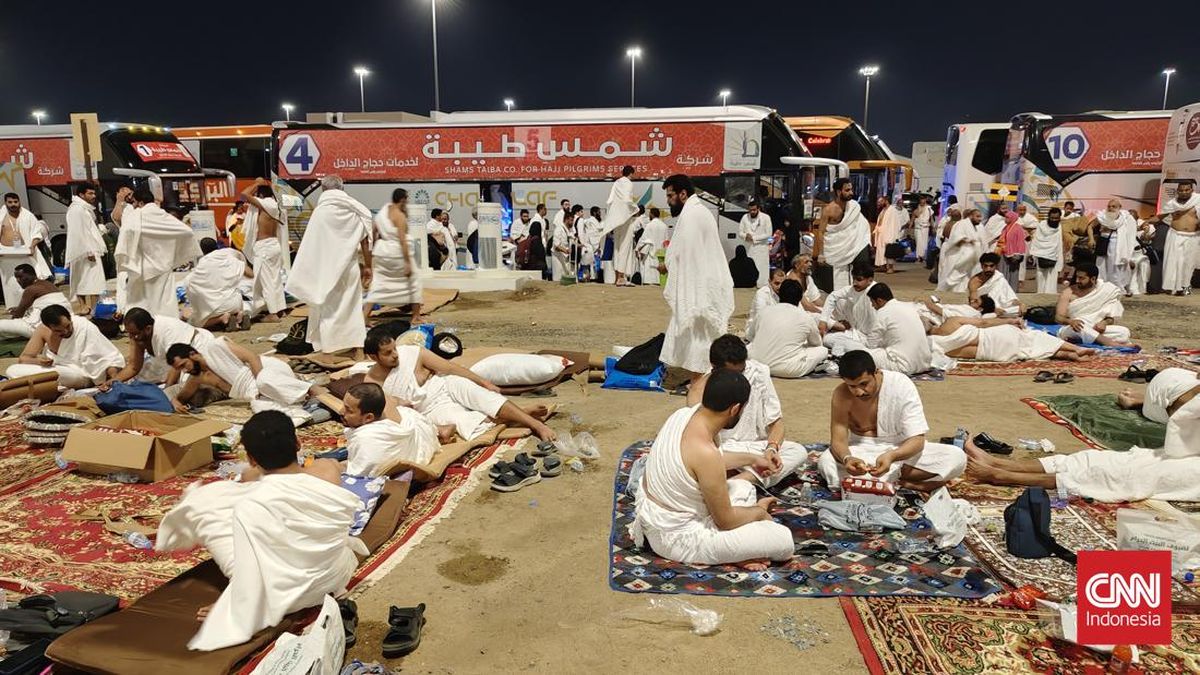
Murur, derived from the Arabic word for "passing through," is a logistical arrangement focused on the movement of pilgrims from Arafah to Mina. The core principle of Murur is that pilgrims will transit through Muzdalifah without disembarking from their transportation, typically buses. This means that while pilgrims will pass through the sacred site of Muzdalifah, they will not undertake the traditional "Mabit" (staying overnight) in this location. Instead, their journey will continue directly from Arafah to Mina.
This particular scheme is strategically designed with the most vulnerable pilgrims in mind. Elderly individuals, those with disabilities, and pilgrims classified as high-risk due to health concerns are the primary beneficiaries of Murur. By bypassing the need to disembark, stay overnight, and then re-embark in Muzdalifah, these pilgrims are spared the physical exertion and potential hazards associated with navigating a crowded encampment. The Saudi Ministry of Hajj and Umrah has emphasized that Murur is considered a form of "Rukhsah" (dispensation or facilitation) – a religious concession granted to ease the burden and ensure the safety of those who may find the traditional rituals physically demanding.
The operationalization of Murur typically involves pilgrims departing from Arafah after the Maghrib prayer. They will board buses that are scheduled to traverse Muzdalifah. The buses will then proceed directly to Mina, where pilgrims will then commence their rituals and accommodations as planned. This streamlined process aims to significantly reduce the number of individuals present in Muzdalifah during the overnight period, thereby easing the congestion that has historically been a concern at this vital waypoint. The decision to implement Murur reflects a growing awareness of the diverse needs of pilgrims and a commitment to making the Hajj accessible and safe for everyone.
Delving into Tanazul: Returning to Hotels in Mecca from Mina
Tanazul, on the other hand, addresses the accommodation and movement dynamics within Mina, another site of intense activity during the Hajj. Traditionally, pilgrims spend several nights in Mina, residing in tents. The Tanazul scheme introduces a significant alteration to this arrangement: pilgrims who opt for Tanazul will return to their hotels in Mecca after completing their "Ramy al-Jamarat" (stoning of the devil) ritual, rather than returning to their tents in Mina for overnight stays.
Mina is renowned for being one of the most densely populated areas during the Hajj. The sheer concentration of pilgrims in tents necessitates intricate planning and constant management. By allowing a segment of pilgrims to return to their hotels in Mecca, the Saudi authorities aim to decongest Mina, thereby reducing the strain on its infrastructure and enhancing the overall experience for those remaining.
The government has indicated that this scheme will be extended to tens of thousands of pilgrims, spread across numerous flight groups. The focus will likely be on pilgrims whose accommodations in Mina are situated in areas with convenient access to the Jamarat bridge, allowing for efficient transit to and from the stoning ritual. While pilgrims participating in Tanazul will still perform the Ramy al-Jamarat, their overnight stays will be in hotels in Mecca, offering a different logistical flow compared to the traditional tent accommodations. This measure is seen as a strategic move to distribute pilgrim traffic more evenly and to provide an alternative for those who may benefit from the amenities and relative tranquility of hotel accommodations.
Key Distinctions and Overlapping Objectives
The fundamental difference between Murur and Tanazul lies in their operational focus: Murur pertains to the transit through Muzdalifah, while Tanazul relates to accommodation arrangements in Mina. Murur is about the movement and transit phase, specifically avoiding overnight stays in Muzdalifah. Tanazul, conversely, is about the accommodation and post-ritual stay phase in Mina, offering an alternative to tent living.
Despite these distinct operational focuses, both Murur and Tanazul share a common overarching objective: to enhance the safety and well-being of pilgrims by mitigating congestion. By carefully planning and implementing these schemes, Saudi authorities are striving to create a more secure, organized, and manageable Hajj experience for millions of faithful from across the globe. The success of these initiatives hinges on meticulous execution, clear communication with pilgrims, and robust support systems.
Context and Historical Precedents
The need for such logistical innovations is not new. Congestion and crowd management have been perennial challenges throughout the history of the Hajj. In earlier times, the sheer numbers were more manageable, but with the exponential growth in the global Muslim population and advancements in transportation, the scale of the Hajj has transformed dramatically. The tragic events of the past, such as stampedes and overcrowding-related incidents, have served as stark reminders of the critical importance of effective crowd control.
In recent years, Saudi Arabia has invested billions of dollars in infrastructure development aimed at improving the Hajj experience. This includes the expansion of the Grand Mosque in Mecca, the development of transportation networks, and the modernization of facilities in Mina and Arafah. The Jamarat bridge expansion, for instance, was a monumental undertaking designed to facilitate the safe passage of millions of pilgrims during the Ramy al-Jamarat.
The implementation of Murur and Tanazul represents a continuation of this evolution, moving beyond mere infrastructure to sophisticated operational planning. These schemes acknowledge that a one-size-fits-all approach is no longer feasible for a pilgrimage involving diverse populations with varying physical capabilities and needs. The inclusion of special provisions for the elderly and vulnerable demonstrates a commitment to inclusivity and humanitarian considerations within the spiritual context of the Hajj.
Supporting Data and Potential Impact
While specific figures for the number of pilgrims expected to utilize Murur and Tanazul in 2026 have not been fully detailed, the Saudi Hajj Ministry has consistently aimed to accommodate over two million pilgrims annually in pre-pandemic years. Even with scaled-back numbers in some recent years due to health concerns, the logistical challenge remains immense.

The potential impact of these schemes is significant:
- Reduced Congestion: By diverting a portion of pilgrims from overnight stays in Muzdalifah and Mina, both sites can experience a notable reduction in crowd density. This can lead to a more comfortable and less stressful experience for all pilgrims.
- Enhanced Safety: Lower congestion directly translates to a reduced risk of stampedes, accidents, and health-related emergencies. The focus on vulnerable groups further bolsters safety measures.
- Improved Pilgrim Experience: Reduced crowding can allow pilgrims to perform their rituals with greater focus and devotion. For those utilizing Tanazul, the return to hotel comforts can provide much-needed respite.
- Efficient Resource Allocation: By managing pilgrim flow more effectively, authorities can better allocate resources such as medical personnel, security, and transportation.
Official Statements and Pilgrim Perspectives
Statements from Saudi Hajj and Umrah officials have consistently underscored the commitment to ensuring the safety and comfort of all pilgrims. They emphasize that these schemes are developed through extensive planning, drawing on lessons learned from previous Hajj seasons and utilizing advanced technological tools for crowd simulation and management.
While official statements focus on the logistical and safety aspects, the perspective of pilgrims themselves is equally important. For elderly pilgrims or those with chronic health conditions, the prospect of Murur offers a tangible sense of relief. "The thought of navigating the crowds in Muzdalifah overnight used to be a major concern for me," shared Fatima Al-Harthy, a pilgrim from Malaysia who participated in a previous Hajj. "Knowing that there’s a way to pass through without that strain is a great comfort and allows me to focus on the spiritual significance of the journey."
Similarly, for pilgrims who may find the living conditions in tents challenging, Tanazul offers a welcome alternative. "While the tents are part of the Hajj experience, for some of us, returning to a hotel after the intensity of Ramy al-Jamarat is a practical necessity that allows us to better conserve our energy for the remaining rituals," commented Ahmed Hassan, a pilgrim from Egypt.
Broader Implications and Future Outlook
The ongoing refinement of Hajj logistics, including the implementation of Murur and Tanazul, reflects a broader trend in global event management. As mega-events become more common, the need for innovative and inclusive strategies to manage large populations in complex environments is paramount. The Saudi authorities’ approach to the Hajj serves as a case study in adapting traditional practices to modern challenges.
The success of these schemes in Hajj 2026 will likely inform future Hajj preparations and potentially influence how other large-scale religious or cultural gatherings are managed worldwide. The emphasis on accommodating diverse needs, particularly those of vulnerable populations, is a testament to the evolving understanding of inclusivity and human welfare within the framework of religious observance.
As pilgrims prepare for Hajj 2026, understanding the distinctions and objectives of Murur and Tanazul is crucial. These carefully designed strategies are not merely procedural changes; they are integral components of a larger effort to ensure that the sacred journey of Hajj remains a safe, accessible, and spiritually fulfilling experience for all who undertake it. The continued evolution of these logistical measures underscores Saudi Arabia’s dedication to serving the millions of pilgrims who converge on the Kingdom each year.