Lusiana Hamidun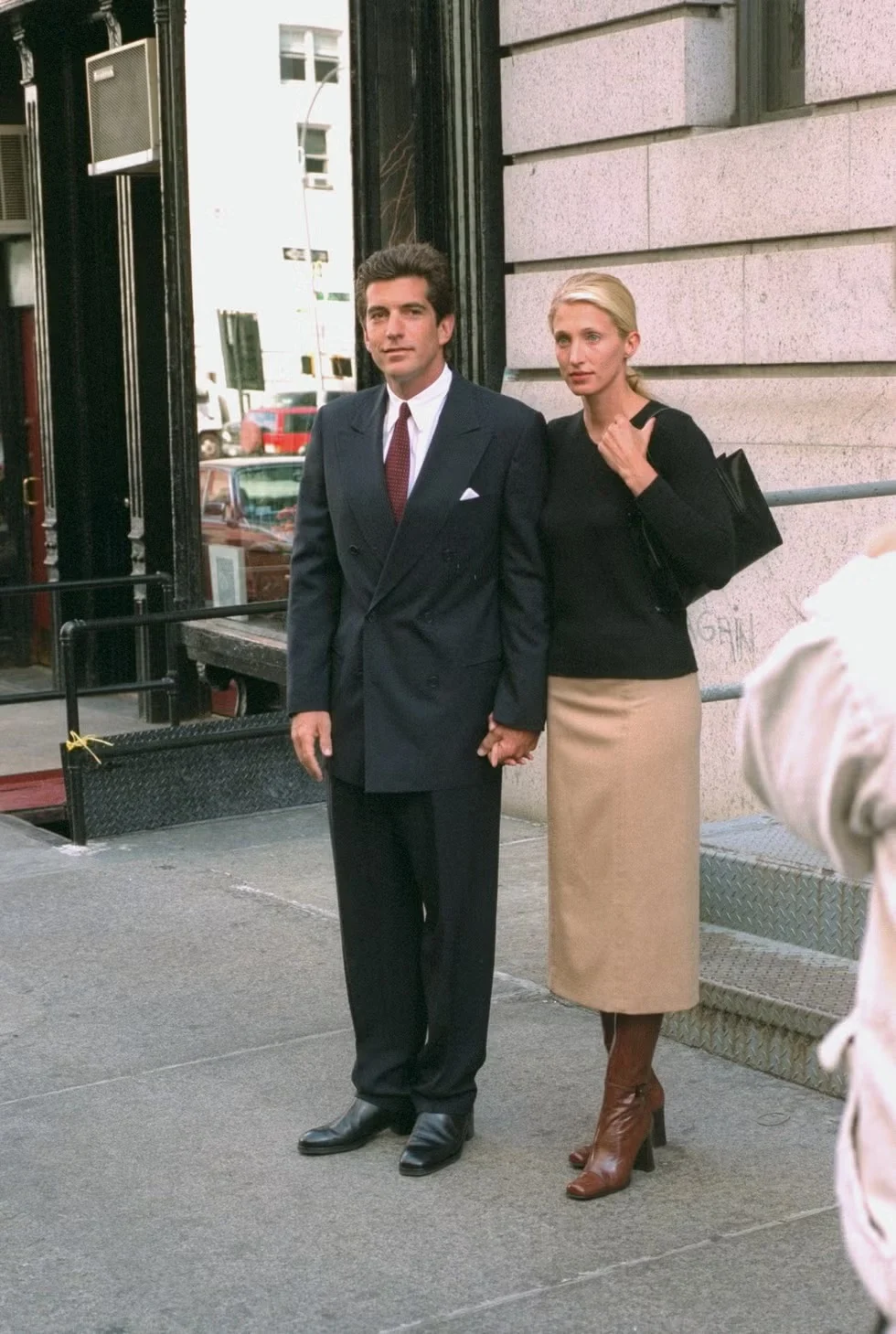
The desire to disconnect from the omnipresent digital sphere and recapture a sense of focus has led many, including the author and her husband, to contemplate a return to the analog simplicity of the 1990s. This seemingly whimsical notion, sparked by discussions about leaving mobile phones at home when going out, reflects a growing societal yearning for a less digitally saturated existence. The author notes their personal experiment of treating smartphones like landlines, kept at the entryway and used only for essential communication, as a practical application of this sentiment. This movement, ironically, gained traction through platforms like Instagram, where a palpable interest in escaping the deluge of AI-generated content, misinformation, and digital fatigue has emerged.
The Allure of a Simpler Era
The "back to the 90s" trend is not merely a nostalgic whim; it represents a curated appreciation for an era characterized by clean, minimalist aesthetics, sophisticated dressing, and intellectual pursuits. It’s a rejection of the overwhelming digital noise in favor of tangible experiences: books, vinyl records, extended periods of focused attention, and uninterrupted evenings and meals. This idealized vision of the 1990s, far removed from the romanticized domesticity of "prairie dresses" criticized in contemporary novels like "Yesteryear," signifies a conscious choice towards a more refined and deliberate way of life.
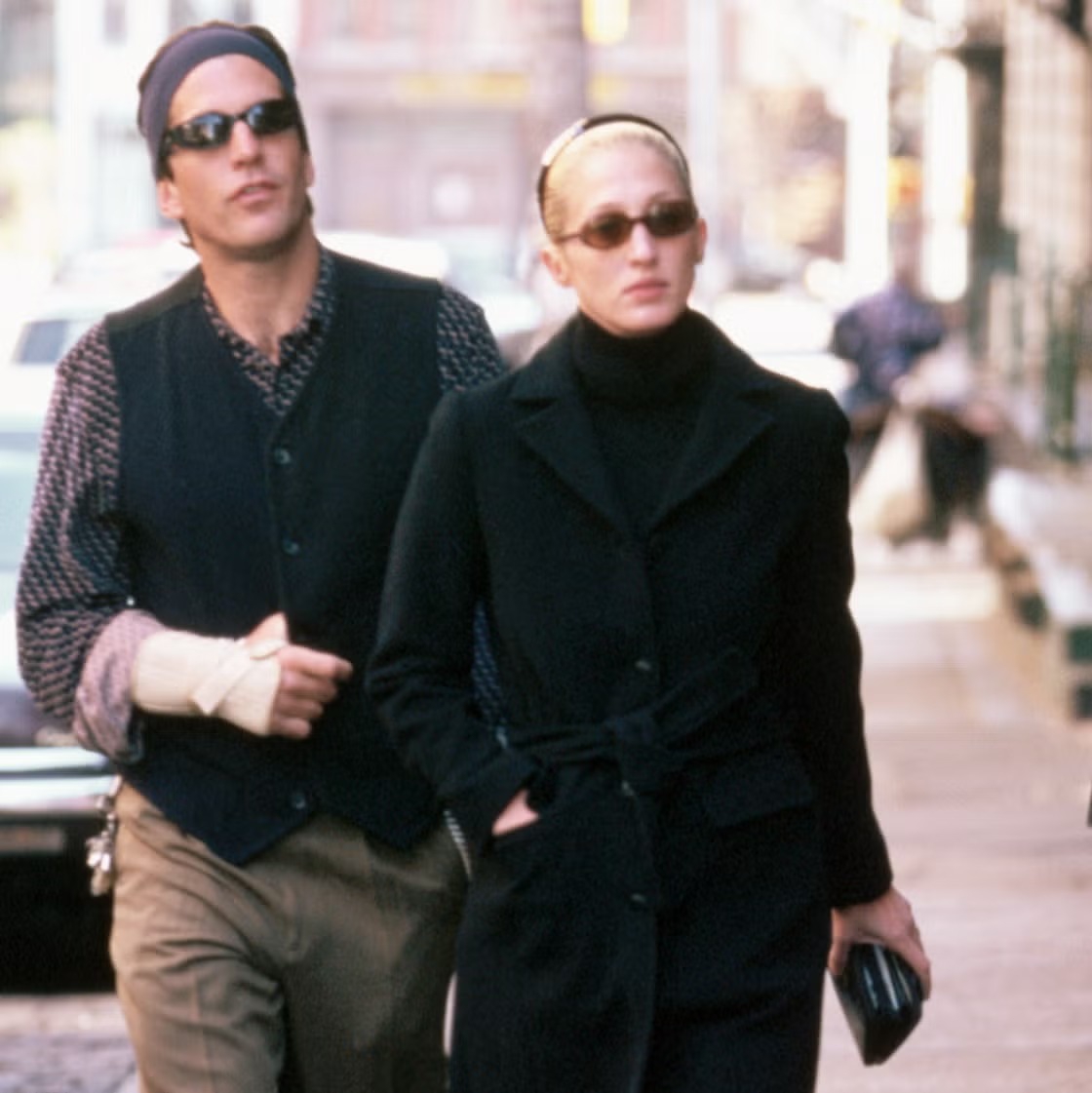
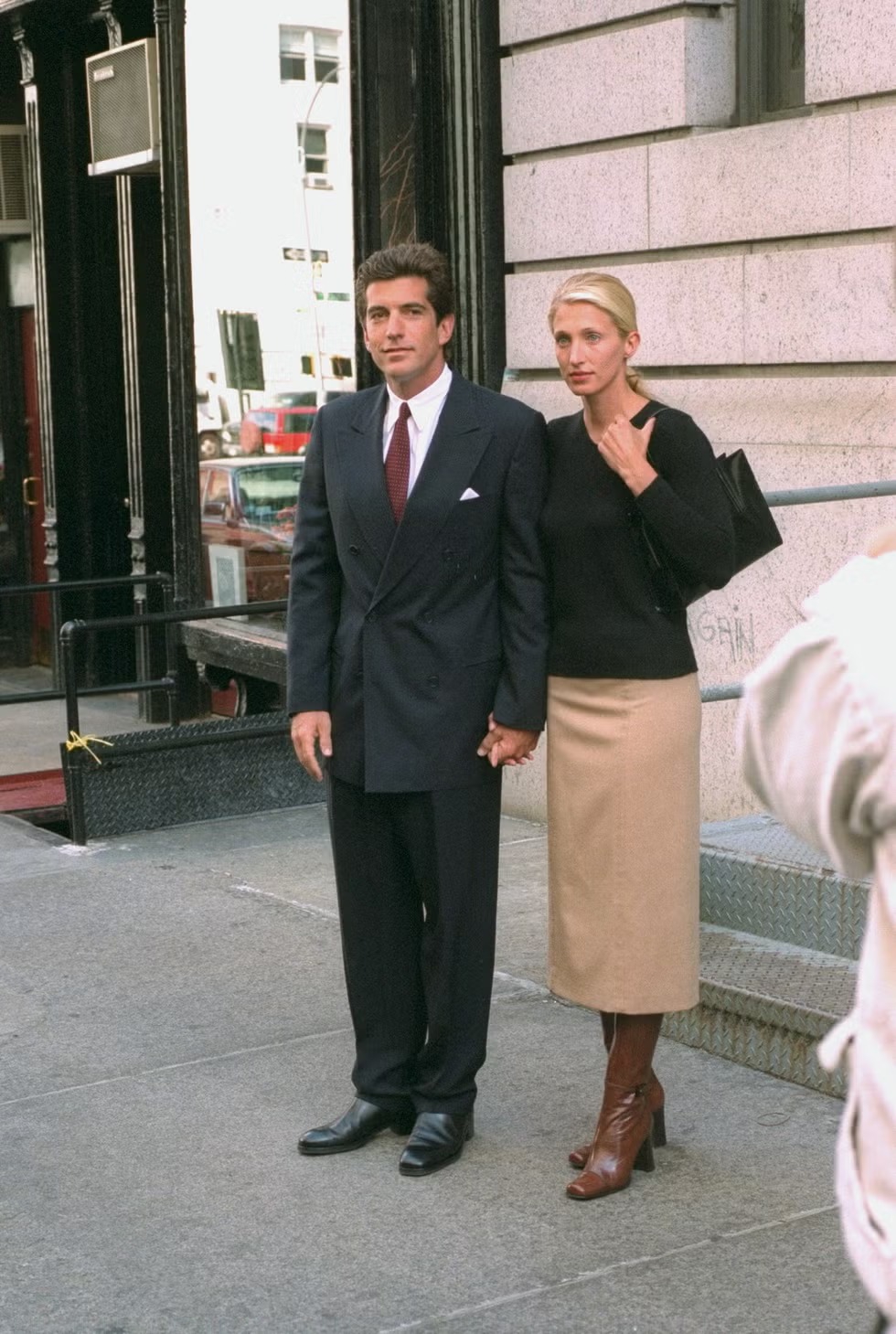
The resurgence of interest in the 1990s is evident across popular culture. The recent film "Love Story" has been cited as a significant catalyst, not only reviving the sartorial trends of icons like Carolyn Bessette Kennedy and JFK Jr. but also evoking a sense of nostalgia for a decade many of its viewers did not personally experience. This cinematic influence has prompted a rewatch of "Sex and the City," a series that depicted a gritty, vibrant, and undeniably sexy New York of the 1990s, even featuring a moment where Carrie Bradshaw literally hid under a table to avoid dealing with emails. Journalist Juliana Piskorz’s experiment with a "90s-style" digital detox, which involved turning off her phone, yielded observations of a heightened attention span and a more nuanced appreciation for her surroundings. Her astute remark, "Without any distractions, everything became sharper," encapsulates the core appeal of this digital abstinence. This growing desire for an existence un tethered from constant internet connectivity has, against all odds, become a defining trend.
Fashion’s Digital Detour and the Return to Tangibility
The fashion industry, once enthusiastically embracing immersive digital experiences and blockchain technology like NFTs to tell short, fated love stories, is now pivoting. As recently as 2017, Chanel’s runway featured models in robotic masks traversing a Grand Palais transformed into a data center, and in 2021, Dolce & Gabbana launched virtual collections sold at exorbitant prices via NFT auctions. In this digitally-driven landscape, staying current meant mastering technology, with one’s blog, vlog, Instagram presence, and overall digital footprint serving as a primary identifier. However, a palpable shift is occurring, with brands now returning to offline markers of luxury and cultural engagement: physical books, lecture series, and intimate salon-style gatherings.
Dior, under the creative direction of JW Anderson, recently introduced a "book bag" adorned with covers of classic literature like "Dracula" and "Dangerous Liaisons," symbolizing this return to tangible cultural artifacts. Chanel has been hosting its own literary gatherings since 2021, and Miu Miu recently concluded its fourth literary club in Milan, featuring panel discussions and lectures described as a means to "reinforce Miu Miu’s dialogue with contemporary culture." Streetwear brands are also participating in this movement; Mango hosted a book swap event in London in April, further integrating literary culture into mainstream fashion.
The buzz surrounding a potential "The Devil Wears Prada 2" also enters this discourse, with speculation that the film might address the perceived threat of AI and the digital revolution to creativity, knowledge, and long-form journalism. Such a narrative could reignite conversations about the vital importance of in-depth reporting and serve as a call to action for the preservation of traditional media outlets like magazines.
The Intellectual Renaissance: Intelligence as the New Luxury
This collective shift underscores a burgeoning re-embrace of intellectualism. The enduring appeal of "Love Story" and "Sex and the City" as windows into the 1990s lies not solely in their fashion but also in the undeniable intelligence of their protagonists. Their worlds were not simplified for a dual-screen audience; they were nuanced and complex, celebrating analog intelligence as a key trend. This is reflected in the behavior of celebrities and influencers who now pose with books, share their literary finds online, or, in the case of Dua Lipa, launch global book clubs. Cult bookshops are transforming into trendy hangouts, and their merchandise has become essential accessories signifying identity and intellectual curiosity.
The Paradox of Offline Living in an Online World
A critical question arises: are we truly adopting this offline lifestyle, or are we merely performing it? Is this a genuine move towards the "sexy to be smart" ethos of the 90s, or is it a performative aesthetic, a superficial display of intelligence? While we express a longing to reclaim our minds from the mire of social media, our ingrained habits often betray us. Our instincts still prompt us to communicate our lifestyles through the very mediums we claim to reject. This creates a philosophical dilemma: if a tree falls in a forest and no one is around to hear it, does it make a sound? If we live a cool offline life that no one can witness online, does it truly exist? Have our brains become so conditioned that we only experience things we can subsequently showcase?
The internet, predictably, is having a field day with this trend, satirizing individuals who ostentatiously read popular novels or display worn book covers on public transport, carry vinyl records, or pose with tote bags from cult bookshops or vintage stores. These are deliberate displays of intellectualism from a bygone era, a pointed rejection of the perpetually online individual who uses their digital presence to project a curated image. While these individuals might not be seen scrolling through TikTok in public, they may very well be posting their carefully curated nostalgic ensembles on the very same app.
"Is this just an aesthetic signal; pretending to be smart?"
The Generational Divide and the Evolving Social Currency
This phenomenon can be interpreted as a reaction to what many perceive as a decline in our intellectual and cultural acuity, largely attributed to the reliance on AI and the pervasive addiction to social media. Generation Z, notably, is reportedly the first generation to be less intelligent than its predecessors, with a growing body of research indicating shorter attention spans, declining cognitive functions, and increasing concerns about individuals whose identities and vocabularies appear to be shaped by excessive online exposure. The ironic online phenomenon of "Gen Z women with no personality" further highlights this perceived trend.
While outright technological rejection might seem retrograde and a hindrance to progress – reminiscent of the historical Luddites – this current wave of resistance against AI and social media paradoxically feels like a defense of progress, at least in cognitive and social terms. Consequently, this movement can feel somewhat elitist, perhaps even a touch pretentious. One’s relationship with the online world is rapidly becoming a new social currency.
Is it, therefore, becoming awkward to be too active in the digital realm? It’s no wonder we all yearn for the minimalist aesthetic of the 1990s – from the sleek Prada bags and black t-shirts to the landline phones, physical books, and dinner reservations filled with genuine conversation and eye contact. This sentiment is perhaps best captured by a now-famous dialogue from the cult series "Girls":
"I don’t have Facebook…"

"You’re so chic."
Broader Implications and the Future of Connection
The implications of this trend extend beyond fashion and personal lifestyle choices. It signals a potential re-evaluation of how we define connection, intellect, and social capital in an increasingly digitized world. The move towards offline experiences and intellectual pursuits could lead to a resurgence of in-person gatherings, a greater appreciation for long-form content, and a more discerning approach to information consumption.
However, the article raises a crucial point about authenticity. If the performance of an offline, intellectual life is primarily driven by the desire for online validation, the movement risks becoming superficial. The challenge lies in fostering genuine engagement with analog experiences rather than merely curating them for digital consumption. The future may hold a hybrid approach, where technology is used mindfully to enhance, rather than replace, deep human connection and intellectual growth. The conversation initiated by this 90s revival is not just about aesthetics; it’s about the fundamental ways we choose to live, learn, and connect in the 21st century.