Tata Titiana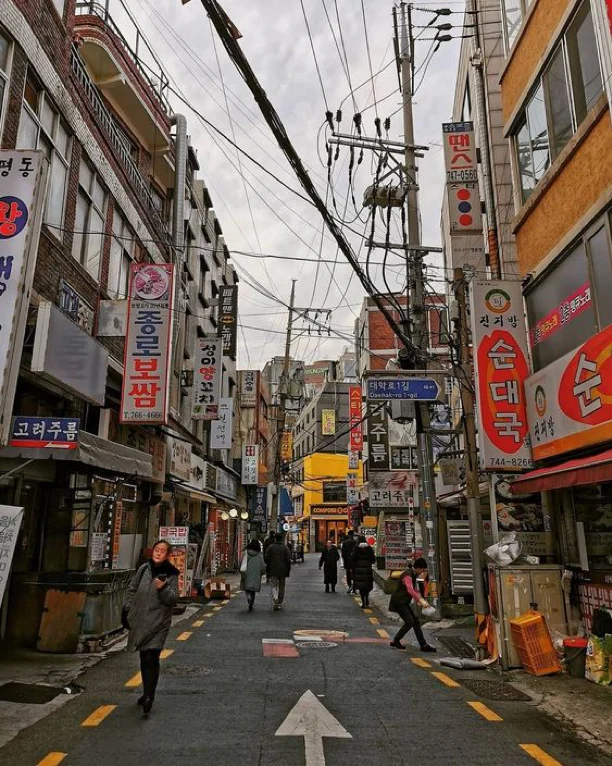
South Korea has firmly established itself as a global tourism powerhouse, captivating travelers worldwide with its unique blend of cutting-edge technology, rich cultural heritage, and an undeniably potent soft power, largely propelled by the immense popularity of its cinematic productions. For many, particularly from Indonesia, the allure of the Korean Peninsula is intrinsically linked to the captivating narratives and breathtaking backdrops featured in its beloved K-dramas. These televised tales have transcended mere entertainment, evolving into powerful marketing tools that draw millions to experience firsthand the very locations that have graced their screens. Beyond the picturesque vistas, these destinations offer a tangible connection to the emotional resonance of the dramas, allowing visitors to step into the shoes of their favorite characters and relive iconic moments.
This article delves into some of South Korea’s most compelling tourist attractions, not only for their inherent beauty but for their uncanny ability to transport visitors into the heart of a K-drama. These locations offer a unique tourism experience, blending natural splendor with the emotional tapestry woven by popular Korean television series.
Geonbae: The Electric Pulse of Seoul’s Nightlife
For those seeking to immerse themselves in the vibrant, pulsating heart of a metropolitan city, Geonbae offers an unparalleled experience. This bustling thoroughfare, characterized by its dazzling array of bars lining both sides of the street, embodies a distinctly urban atmosphere. The bright lights, the lively chatter, and the constant flow of people create an electric ambiance that is both exhilarating and inviting. Geonbae is not a destination that sleeps; it remains a hive of activity throughout the day and night, drawing a diverse crowd comprising locals unwinding after work and international tourists eager to soak in the city’s energetic spirit.
The architectural style of Geonbae, with its modern facades and illuminated signage, frequently serves as a backdrop for scenes depicting urban romance, dramatic confrontations, or celebratory nights out in numerous K-dramas. Its accessibility and constant buzz make it an ideal location for spontaneous exploration, allowing visitors to stumble upon hidden gems, enjoy a refreshing drink, or simply people-watch amidst the vibrant urban tapestry. The sheer density of establishments ensures a wide variety of choices, catering to every palate and preference, from traditional Korean soju bars to contemporary cocktail lounges. This constant hum of activity and the visually stimulating environment contribute significantly to its K-drama-esque appeal, making it a must-visit for anyone wishing to capture the essence of modern Seoul.

Daehakro: The Stage of Korean Performing Arts
Further enriching South Korea’s cultural landscape is Daehakro, a renowned street that stretches for approximately 1.6 kilometers. Often likened to the famed Broadway in New York City, Daehakro is the undisputed epicenter of South Korea’s performing arts scene. This vibrant district is a testament to the nation’s enduring commitment to artistic expression, housing numerous theaters and cultural institutions that remain active and integral to the community. Visitors to Daehakro are treated to a dynamic array of performances, ranging from traditional Korean plays and musical theater to experimental avant-garde productions and contemporary dance.
The street’s significance is deeply rooted in its historical connection to academic institutions and artistic endeavors. Over the decades, it has cultivated a unique ecosystem where artists, students, and audiences converge, fostering a creative atmosphere that is palpable. Many K-dramas that explore themes of ambition, artistic struggle, or the pursuit of dreams often feature Daehakro as a pivotal setting, capitalizing on its inherent drama and visual appeal. The energy of the street, especially on performance nights, is infectious, with theaters often illuminated and buzzing with anticipation. Attending a show in Daehakro offers an authentic cultural immersion, providing a deeper understanding of Korea’s rich theatrical traditions and its thriving contemporary arts scene. The sheer concentration of artistic venues, coupled with the passionate crowds, creates a sensory experience that is both educational and entertaining, mirroring the dramatic narratives often played out within its theaters.
Starfield Library: A Haven of Knowledge and Architectural Grandeur
For those seeking a more tranquil yet equally awe-inspiring experience, the Starfield Library, located within the COEX Mall in Seoul, presents a truly unique destination. This colossal library is far more than just a repository of books; it is a breathtaking architectural marvel and a sanctuary for the mind. Spanning an impressive area, the library boasts an extraordinary collection of books, documents, and memoirs sourced from across South Korea and beyond. Its most striking feature is undoubtedly the towering bookshelves that reach an astonishing height of 13 meters, creating a visually dramatic effect and solidifying its status as one of the most comprehensive libraries in Seoul.
The Starfield Library has become a popular filming location for K-dramas, particularly those requiring a setting that exudes sophistication, intellectual depth, or a sense of quiet contemplation. Scenes of characters finding solace, inspiration, or critical information within its vast expanse are common, enhancing its allure as a place of discovery. The sheer scale of the bookshelves, interspersed with comfortable seating areas and modern design elements, makes it an ideal spot for visitors to relax, read, or simply marvel at the sheer volume of accumulated knowledge. The library’s integration within the bustling COEX Mall also provides a fascinating juxtaposition of vibrant commercial activity and serene intellectual pursuit. Its popularity has surged, with visitor numbers often exceeding expectations, reflecting its dual role as a functional library and an iconic tourist attraction that offers a distinctly different flavor of the Korean experience.
Beyond the Headlines: Deeper Context and Analysis
The phenomenon of K-dramas influencing tourism is not new, but its scale and impact in South Korea are particularly noteworthy. The Korean government and various tourism boards have actively leveraged the soft power of their cultural exports. This strategic approach involves identifying popular filming locations and actively promoting them to international audiences. The success of this strategy can be quantified by the significant increase in tourist arrivals from countries with a high consumption of Korean content. For instance, the Korea Tourism Organization frequently collaborates with production companies to create promotional materials and organize tours centered around these iconic K-drama sites.

The economic implications are substantial. These tourist destinations not only benefit from direct visitor spending on entrance fees, accommodation, and dining but also stimulate local economies through increased demand for related services, such as guided tours, souvenir shops, and transportation. Furthermore, the global recognition gained through these cultural exports enhances South Korea’s brand image, fostering a positive perception that extends beyond entertainment to areas like technology, fashion, and cuisine.
The chronology of this trend can be traced back to the early 2000s with the "Korean Wave" or "Hallyu," which saw a surge in the popularity of Korean dramas and music across Asia. Destinations like Nami Island, famously featured in "Winter Sonata," became early pioneers in this tourism model. The continued evolution and global reach of K-dramas have only amplified this effect, with more recent productions drawing attention to urban landscapes, historical sites, and even niche cultural hubs.
The implications of this cultural tourism are multifaceted. On one hand, it offers a unique and immersive experience for fans, allowing them to connect with their favorite stories on a deeper level. On the other hand, it presents challenges related to over-tourism in certain popular spots, requiring careful management to preserve the authenticity and environmental integrity of these locations. The sustainability of such tourism models is a growing concern, prompting discussions about responsible travel and the need for diversification of tourist offerings.
The consistent appearance of these locations in K-dramas is not accidental. Production teams carefully select sites that offer aesthetic appeal, thematic relevance, and logistical feasibility. The visual storytelling employed in K-dramas often relies on evocative settings to enhance emotional impact, and these chosen locales serve this purpose effectively. From the romantic allure of a quiet library to the energetic buzz of a city street, each location is meticulously integrated into the narrative, becoming an integral part of the audience’s viewing experience.
In conclusion, South Korea’s tourism landscape is inextricably linked to the global phenomenon of K-dramas. Destinations like Geonbae, Daehakro, and Starfield Library are not merely tourist attractions; they are portals to the narratives that have captivated millions. As the Korean Wave continues to evolve, so too will the demand for these cinematic landscapes, underscoring the profound impact of cultural content on global travel and fostering a deeper appreciation for the diverse offerings of South Korea. The country’s ability to seamlessly blend its rich cultural heritage with modern entertainment has created a unique and compelling tourism proposition that continues to draw the world to its shores, one K-drama scene at a time.