Chalifah Fatihah
The human face, a canvas of expressions and features, has long been a subject of fascination and study, with particular attention paid to the nose as a potential indicator of personality. This ancient practice, known as physiognomy or face reading, posits a fascinating connection between the physical characteristics of an individual’s nose and their underlying psychological traits. While often viewed with skepticism in modern scientific circles, the concept of deciphering personality from facial features, especially the nose, continues to capture public interest and offers a unique lens through which to understand human behavior.
According to the esteemed encyclopedia Britannica, physiognomy is defined as the "study of the relationship between physical facial characteristics and psychological character." This discipline, with roots stretching back to antiquity, suggests that by carefully observing and interpreting the various shapes and nuances of a person’s nose, one can gain insights into their fundamental nature, complex temperaments, and even potential life trajectories. This article delves into the commonly recognized nasal structures and the personality archetypes that are traditionally associated with them, drawing from various cultural interpretations and expert opinions within the field of face reading.
The Nose as a Mirror of Character: A Deep Dive into Nasal Archetypes
The intricate relationship between physical form and inner disposition has been a recurring theme throughout history. Within the realm of physiognomy, the nose, due to its prominent central placement and varied forms, is considered a particularly potent area for character assessment. This section explores seven distinct nasal shapes and the personality traits typically attributed to them.
1. The Grandiose Nose: Practicality and Confidence
Individuals possessing a large nose, characterized by wide nostrils and a rounded tip, are often described as highly practical and possessing a sharp intellect. Sources such as The Times of India suggest that these individuals are typically independent and exude a strong sense of self-confidence. Their assertiveness can sometimes be perceived as an inflated ego, and they may be prone to offering unsolicited opinions. A notable characteristic is their preference for self-reliance, often shying away from assistance and maintaining a strong desire for control and authority in their surroundings. This trait can be a double-edged sword, fostering leadership qualities while also potentially leading to perceived inflexibility.
2. The Full-Bodied Nose: Emotional Depth and Empathy
A nose that appears broad and full, often described as fleshy, is indicative of a personality rich in emotion and deeply empathetic. These individuals are generally recognized for their intelligence, forgiving nature, and a heightened sense of sensitivity. People with this nasal structure are known for their generosity and quick responsiveness, not only in terms of ideas but also in their emotional connections. They possess a vibrant imagination, demonstrate rapid thinking capabilities, and can process and develop ideas with remarkable dynamism. This emotional intelligence often translates into strong interpersonal relationships and a nurturing presence.
3. The Aquiline Nose: Independence and Authoritative Presence
The "eagle nose," so named for its resemblance to the beak of a bird of prey, is characterized by a prominent bridge that often curves downwards. Those with this distinctive feature are said to live by their own set of rules and exhibit strong self-reliance. Their confidence can sometimes border on being bossy, and this authoritative demeanor can occasionally be misconstrued as arrogance or haughtiness. However, this shape also suggests a strong will, a decisive nature, and an ability to navigate challenges with a clear sense of purpose. Their independent spirit often leads them to forge their own paths and take charge of their destinies.
4. The Button Nose: Optimism and Harmonious Nature
A snub nose, often referred to as a "button nose," is characterized by its small size and a rounded, upturned tip. This nasal shape is typically associated with a personality that is loving, optimistic, and deeply caring. These individuals have a strong inclination towards peace and possess an innate ability to create a warm and affectionate atmosphere. While they may occasionally experience mood swings, they are adept at quickly restoring a cheerful disposition, infusing positivity into their surroundings. Their gentle nature and desire for harmony make them beloved by those around them.
5. The Small Nose: Efficiency and Focused Execution
Possessing a small nose can be interpreted in various ways, with one perspective suggesting that individuals with this feature might not reach their peak influence in their mid-forties, but this does not imply a period of struggle. According to Jean Haner, a renowned face reading expert, people with this nasal type tend to be highly efficient in their work, prioritizing "working smarter, not harder." They favor swift and precise completion of tasks and may experience frustration with individuals who struggle to let go of details. This trait highlights a pragmatic and results-oriented approach to life and work.
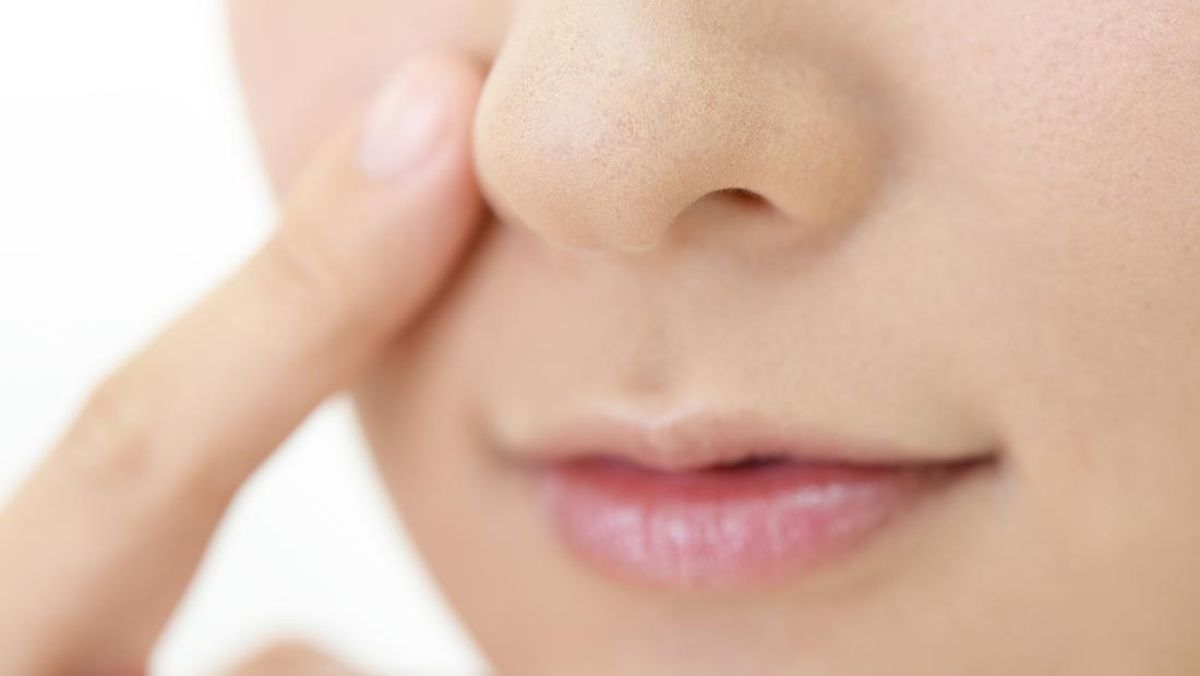
6. The Roman Nose: Openness and Vulnerability
A nose with a distinct bend or curve at the tip signifies a personality that is exceptionally open-hearted and trusting. These individuals tend to be highly confident, readily extending their trust to others. However, this inherent openness also renders them susceptible to emotional hurt. Those with this nasal structure are often deeply emotional and possess a profound capacity for empathy, easily connecting with the feelings of those around them. Their genuine nature and willingness to be vulnerable can foster deep connections, but also require a degree of emotional resilience.
7. The Crooked Nose: Resilience and Transformative Learning
A crooked or bent nose can be interpreted as an indicator of potential challenges during the individual’s mid-forties. However, these challenges are often viewed as crucial learning experiences that foster significant personal growth and refinement. Haner elaborates that if a crooked nose is the result of an accident, it signifies an unexpected shift in destiny, requiring the individual to confront and learn lessons during their forties that will ultimately lead to success. This perspective frames adversity not as a setback, but as a catalyst for transformation and future achievement, highlighting the power of resilience and adaptation.
The Historical and Cultural Context of Physiognomy
The practice of physiognomy has a rich and complex history, dating back to ancient Greece and Rome. Philosophers like Aristotle and Plato explored the connection between physical appearance and character, laying some of the earliest groundwork for this discipline. During the Renaissance, physiognomy experienced a resurgence, with prominent figures like Giambattista della Porta publishing influential works on the subject.
In various cultures, the nose has held specific symbolic meanings. In Chinese face reading, for instance, the nose is considered the "palace of wealth" and is closely linked to one’s financial fortune and marital prospects. The shape, size, and even the clarity of the skin on the nose are all taken into account. In Western traditions, while not always explicitly linked to wealth, the nose has been a consistent focal point for character analysis, often associated with traits like pride, ambition, and temperament.
The scientific validity of physiognomy remains a subject of debate. While modern psychology emphasizes empirical evidence and controlled studies, physiognomy relies more on observation, interpretation, and anecdotal evidence. Critics argue that it can lead to stereotyping and is not a reliable predictor of behavior. However, proponents suggest that it offers a framework for understanding general tendencies and predispositions, acting as a supplementary tool for interpersonal understanding rather than a definitive diagnostic method.
Implications and Broader Perspectives
Understanding the purported links between nasal structure and personality can offer a novel perspective on human interaction. It encourages a deeper appreciation for the diverse tapestry of human traits and the subtle ways in which physical characteristics might, consciously or unconsciously, influence our self-perception and how we are perceived by others.
The continued interest in physiognomy, despite its lack of mainstream scientific acceptance, speaks to a fundamental human desire to understand ourselves and those around us. It taps into our innate curiosity about the inner workings of the human mind and the potential for outward appearances to offer clues to these hidden depths.
While it is crucial to approach such interpretations with a critical and discerning mind, avoiding definitive judgments, the exploration of physiognomy can serve as a gentle reminder of the multifaceted nature of personality. It encourages us to look beyond superficial judgments and to appreciate the unique blend of traits that make each individual distinct. The nose, a prominent feature of the face, can thus be seen not just as a biological organ, but as a symbolic element that has, for centuries, been woven into the narrative of human character and identity. The insights offered by physiognomy, when considered thoughtfully, can enrich our understanding of the intricate connections between our physical selves and our inner landscapes.