Eko Sulistyo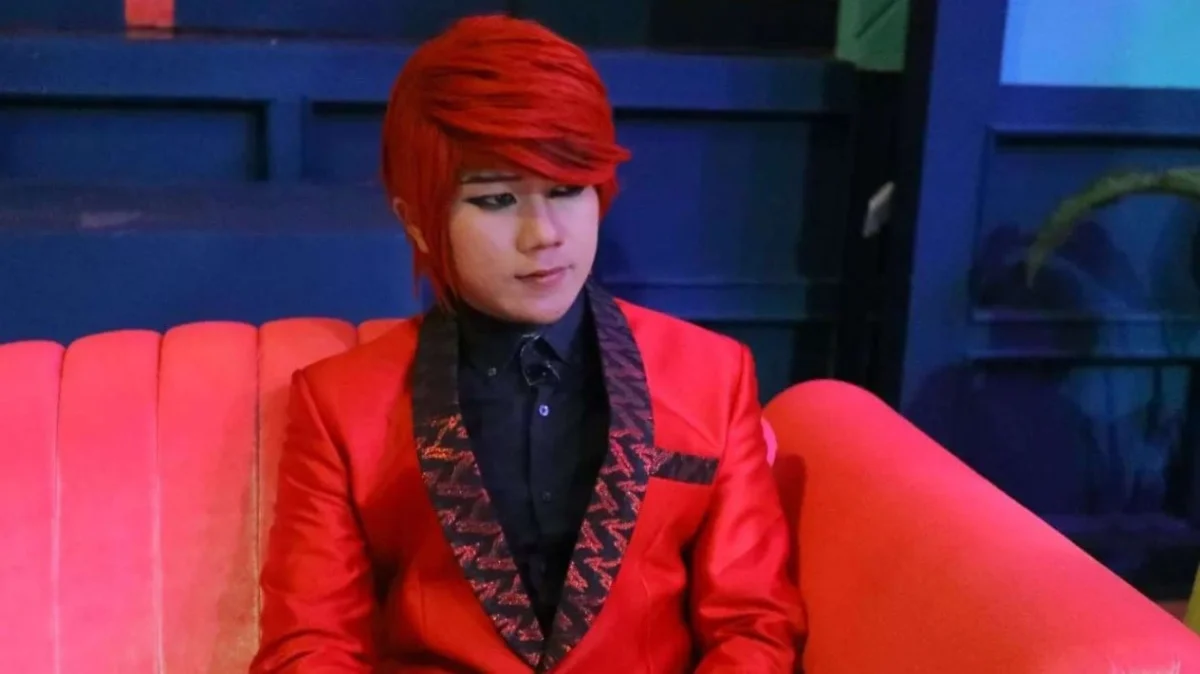
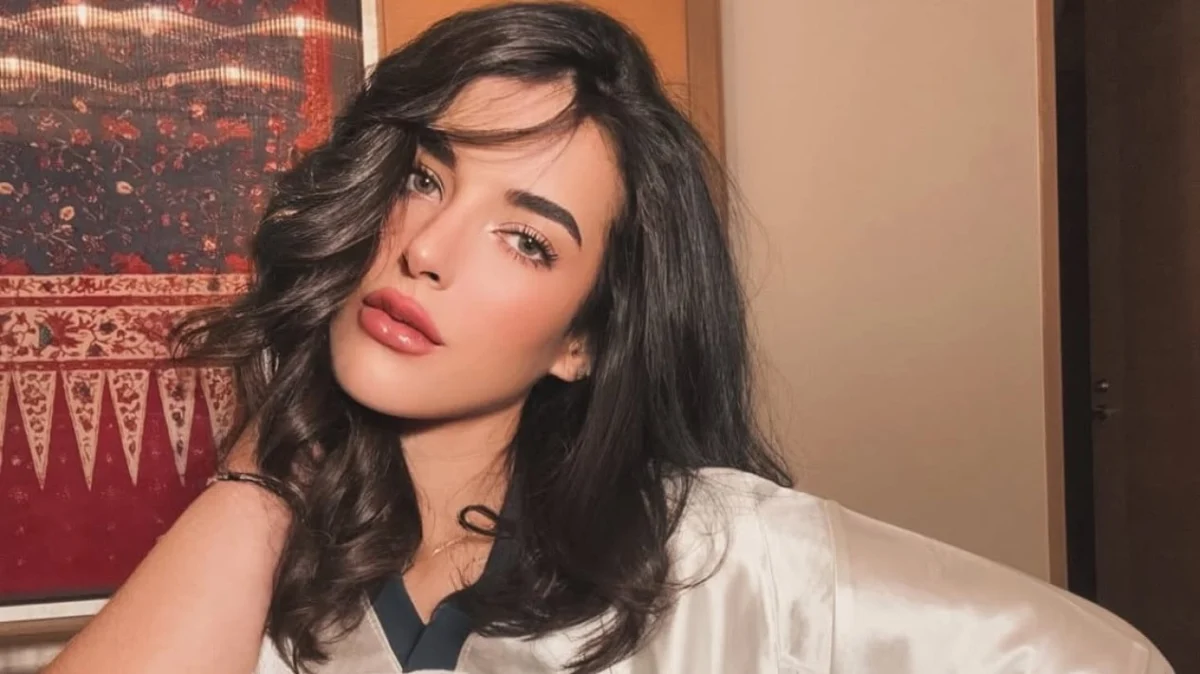
The discourse surrounding the practice of "pesugihan," or supernatural rituals for wealth, at the historic Gunung Kawi site in East Java has once again captured the Indonesian public’s attention following provocative statements made by Marcel Radhival, popularly known as Pesulap Merah. On Wednesday, May 20, 2026, the digital landscape was flooded with discussions regarding the alleged involvement of high-profile celebrities in mystical activities aimed at securing fortune and career longevity. The controversy reached a fever pitch after Radhival released content detailing his investigation into the spiritual tourism industry that has long defined the slopes of Gunung Kawi, specifically addressing rumors that have circulated regarding public figures such as Sarwendah.
Gunung Kawi, located in the Malang Regency of East Java, has for decades occupied a unique and controversial position in the Indonesian cultural psyche. While officially a site of pilgrimage and historical significance—housing the graves of revered figures Eyang Jugo and Eyang Iman Soedjono—it has become synonymous with the "pesugihan" mythos. For many, the mountain represents a crossroads of syncretic spiritualism, where traditional beliefs intersect with the modern desire for rapid economic advancement. It is within this complex socio-religious framework that Radhival, a prominent skeptic and debunker of supernatural claims, sought to clarify the origins of recent rumors involving members of the Indonesian entertainment elite.
The Origin of the Controversy: Insights from the Kuncen
The current wave of speculation was largely triggered by an interview Radhival conducted with a "kuncen," or traditional caretaker, at the Gunung Kawi site. According to Radhival, the mention of specific celebrities, including Sarwendah, did not originate from his own assumptions or investigations but was explicitly stated by the caretaker during their conversation. The kuncen claimed that various public figures had visited the site to partake in specific rituals intended to bring about prosperity or "luck."
However, Radhival was quick to provide a nuanced perspective on these claims. He emphasized that as a researcher of the "occult" who focuses on logical explanations, he could not verify the truthfulness of the kuncen’s statements. He suggested that the presence of a celebrity at a site like Gunung Kawi does not automatically equate to participation in a "pesugihan" ritual. Radhival posited that there are numerous professional reasons why a public figure might be seen at such a location, ranging from tourism and cultural exploration to the production of television programs or social media content.
"I am doubtful about the nature of these visits," Radhival stated during a broadcast on May 20. "There is a strong possibility that these artists come there purely for filming purposes. In many cases, they might be acting out scenes for a production, which could then be easily misinterpreted by locals or onlookers as a genuine ritual." He urged the public to exercise caution and critical thinking, noting that a single perspective—especially one from a party that might benefit from the prestige of celebrity association—should not be taken as absolute fact.
Analyzing the Skepticism: Filming vs. Ritualistic Practices
Radhival’s skepticism is rooted in the reality of the Indonesian media industry. For years, "misteri" (mystery) and "horor" genres have dominated television ratings and YouTube viewership. Production crews frequently scout locations with "mystical" reputations to provide an authentic backdrop for their narratives. In such environments, actors and influencers are often required to perform gestures or participate in staged activities that mimic traditional rituals.
The "kuncen" or local residents, who may not always be privy to the intricacies of a script or the technicalities of a film set, might perceive these staged actions as authentic spiritual engagements. Radhival argued that this disconnect between performance and reality is a breeding ground for rumors. "It gets misinterpreted as a ritual. I don’t know the ultimate truth of what happened in the past, but we have to acknowledge that the source is solely the statement of the kuncen," he added.
This phenomenon is not unique to Gunung Kawi. Throughout Indonesia, historical and supposedly "haunted" sites often see a surge in local interest when celebrities visit. The presence of a famous face validates the site’s "power" in the eyes of believers, creating a self-sustaining cycle of myth-making that benefits the local spiritual tourism economy.
A Pattern of Exploiting Celebrity Names for Spiritual Tourism
One of the more critical points raised by Radhival is the potential for the deliberate exploitation of celebrity names by those managing these spiritual sites. By claiming that successful figures like Sarwendah or other top-tier entertainers have "succeeded" because of rituals performed at Gunung Kawi, caretakers and "spiritual guides" can attract a steady stream of clients looking for similar results.
This marketing tactic preys on the "shortcut mentality"—the belief that one can bypass hard work and systemic challenges through supernatural intervention. In an era where economic pressures are high, the promise of a "divine shortcut" is a powerful lure. When this promise is backed by the names of the wealthy and famous, it gains a veneer of credibility that is difficult to debunk. Radhival suggested that the public should be wary of any claims that use a person’s success as "proof" of a ritual’s efficacy, especially when the individual in question has not confirmed such involvement.
Legal Implications and the Importance of Public Clarification
The dissemination of such rumors carries significant legal and social risks. In Indonesia, the Law on Electronic Information and Transactions (UU ITE) strictly governs the spread of information that could be deemed defamatory or damaging to a person’s reputation. Linking a public figure to "pesugihan"—a practice often viewed with a mix of fear and moral judgment in various segments of society—could potentially lead to legal action if the claims are proven to be baseless.
Radhival expressed his openness to hearing directly from the parties involved. He stated that he does not take a side but seeks to provide a platform for the truth. "If they want to clarify, for example, saying they were there just for a holiday or to learn about the culture, that is perfectly fine. They can contact me. I am not siding with any one party," he noted.
Such clarifications are essential to prevent the "wild development" of rumors. When a narrative is allowed to grow without intervention, it often becomes "fact" in the court of public opinion, regardless of the evidence. For figures like Sarwendah, who maintain a family-oriented and professional public image, being associated with "pesugihan" could have implications for brand endorsements and public perception.
The Sociological Impact of Occultism in Modern Indonesia
The fascination with Gunung Kawi and the "pesugihan" of celebrities reflects a broader sociological trend in Indonesia. Despite rapid modernization and digitalization, traditional beliefs in the supernatural remain deeply ingrained. Data from various sociological studies in Southeast Asia suggest that during times of economic transition or uncertainty, there is often a resurgence in "prosperity gospel" movements and traditional wealth rituals.
Gunung Kawi serves as a geographical focal point for these anxieties. The site’s history is a blend of genuine respect for ancestors and a darker, more commercialized pursuit of wealth. The rituals often involve "tirakat" (asceticism), offerings, and sometimes more controversial "covenants." By involving celebrities in these narratives, the mythos is modernized, making it relevant to a younger, social-media-savvy generation that follows the lives of the rich and famous.
Radhival’s role as a "skeptic-celebrity" is also significant. He represents a growing movement in Indonesia that seeks to apply logic, science, and stage-magic knowledge to debunk supernatural claims. His intervention in the Gunung Kawi discourse acts as a check and balance against the unchecked spread of superstition, encouraging a more rational approach to cultural and spiritual phenomena.
Chronology of the Gunung Kawi Discourse
To understand the weight of the current situation, it is necessary to look at the timeline of events:
- Early May 2026: Rumors begin circulating on TikTok and X (formerly Twitter) regarding "secret rituals" performed by celebrities at Gunung Kawi, sparked by "leaked" anecdotes from local guides.
- May 15, 2026: Pesulap Merah (Marcel Radhival) travels to Gunung Kawi to investigate the claims as part of his ongoing series on spiritual myths.
- May 18, 2026: Radhival uploads a teaser of his interview with a kuncen, where the name of Sarwendah and other artists are mentioned as alleged practitioners.
- May 20, 2026: Radhival issues a formal statement via his social media channels and news outlets, clarifying that he is skeptical of the kuncen’s claims and suggesting the visits may have been for filming purposes.
- Present: The public awaits official responses from the management teams of the celebrities mentioned, while the debate over the ethics of "spiritual tourism" continues to trend nationally.
Conclusion: The Need for Rational Discourse in a Digital Age
The controversy surrounding Pesulap Merah and the Gunung Kawi "pesugihan" allegations serves as a potent reminder of the power of narrative in the digital age. In a country where the line between cultural heritage and supernatural speculation is often blurred, the role of public figures and investigators becomes crucial.
Marcel Radhival’s decision to speak out is an attempt to de-escalate a situation that could easily spiral into a defamation crisis. By providing alternative, logical explanations—such as the requirements of film production—he offers the public a way to process the information without succumbing to sensationalism.
Moving forward, the incident highlights the need for greater media literacy among the public. Understanding that "sources" at spiritual sites may have their own agendas, and recognizing the difference between a celebrity’s professional work and their private life, are essential steps in navigating the modern information landscape. As Gunung Kawi continues to be a site of both reverence and rumor, the balance between respecting traditional beliefs and maintaining a rational perspective remains a delicate but necessary endeavor for Indonesian society.