
 Lina Irawan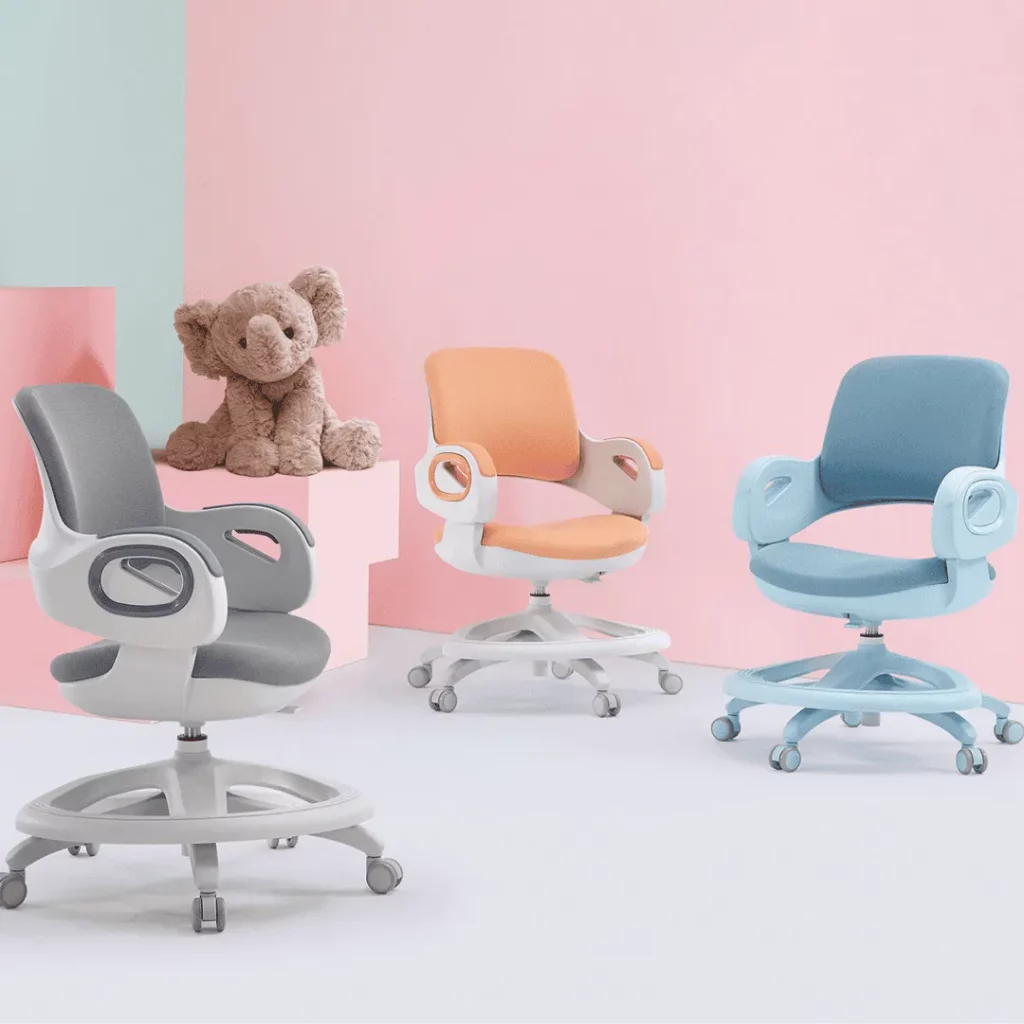
The pursuit of an ideal learning environment often finds itself at a crossroads between functional necessity and aesthetic appeal. While many parents and students prioritize visually appealing furniture, the critical importance of ergonomic support is frequently overlooked. This oversight, particularly in the selection of study chairs, can lead to long-term health complications, diminished concentration, and reduced academic performance. However, a growing trend in interior design offers a harmonious solution: ergonomic study chairs in pastel hues, seamlessly blending essential health features with a calming, contemporary aesthetic.
The Silent Epidemic: Why Ergonomics Are Non-Negotiable
For years, the market has been flooded with aesthetically driven furniture that, while pleasing to the eye, fails to provide adequate support for prolonged sitting. Minimalist wooden chairs or stylish plastic seating, often chosen for their Instagrammable qualities, quickly lead to back fatigue, neck stiffness, and poor posture. This is a concerning trend, especially given that students, from primary school to university, spend countless hours seated for study, homework, and increasingly, online learning.
Medical and orthopedic experts consistently highlight the detrimental effects of improper seating. When an individual sits, especially for extended periods, the load on the lumbar spine significantly increases. Without proper support that mimics the natural ‘S’ curve of the spine, the body tends to slouch, placing undue stress on intervertebral discs and surrounding musculature. This sustained pressure can lead to a cascade of health issues, including chronic lower back pain, cervical strain, shoulder stiffness, and in developing spines, even contribute to conditions like scoliosis or kyphosis. A 2022 study by the World Health Organization (WHO) indicated that musculoskeletal conditions are a leading cause of disability worldwide, with poor ergonomics in daily activities, including studying, being a significant contributing factor.
Ergonomic chairs are engineered to counteract these issues by distributing body weight evenly, maintaining the spine’s natural alignment, and ensuring unimpeded blood circulation to the lower limbs, even during hours of continuous sitting. This proactive approach to spinal health is not merely a comfort upgrade; it’s a vital investment in long-term well-being and cognitive function.
The Rise of Pastel Ergonomics: Where Health Meets Style
The modern design landscape has evolved, proving that one does not need to sacrifice health for an aesthetically pleasing space. The emergence of ergonomic chairs in soft, inviting pastel colors represents a significant shift. These chairs not only provide the critical adjustable lumbar support, breathable seat padding, and height adjustment levers essential for preventing long-term back injuries but also leverage the psychological benefits of color to foster a conducive learning environment.
Pastel colors, with their subdued saturation and gentle appearance, are known to have a calming effect on the human psyche. Unlike stark or overly vibrant hues that can be stimulating or even distracting, pastels are associated with tranquility, creativity, and focus. This makes them particularly well-suited for study areas, where reducing stress and enhancing concentration are paramount.
Anatomy of an Optimal Study Chair: Key Ergonomic Features
Selecting an ergonomic chair goes beyond its visual appeal; it requires a thorough understanding of its core functional components. These technical features are what truly define an ergonomic chair and its ability to support the body effectively.

-
Adjustable Lumbar Support: The human spine naturally curves inward at the lower back (lumbar region). A good ergonomic chair features an adjustable padded protrusion in this area, designed to fill the natural gap between the lower back and the chair’s backrest. This support prevents slouching, maintains the spine’s natural curvature, and significantly reduces pressure on the lumbar discs. Look for chairs where both the height and depth of the lumbar support can be adjusted to perfectly fit the user’s unique spinal curve.
-
Breathable Seat Cushion (Seat Pan): The quality of the seat pan is crucial for comfort and circulation. Inferior chairs often use thin, low-density foam that quickly compresses and loses its supportive properties. Opt for high-density molded foam, which retains its shape longer and distributes pressure evenly across the hips and thighs. The seat pan should also have a "waterfall" edge to prevent pressure on the back of the knees, ensuring healthy blood flow. Importantly, the depth of the seat pan should allow for a two to three-finger gap between the edge of the seat and the back of the knees when sitting fully back.
-
Height Adjustment Lever: A fundamental feature, the gas lift mechanism allows users to adjust the chair’s height. The ideal height ensures that the user’s feet are flat on the floor, and their knees form a 90-degree angle, with thighs parallel to the ground. For younger users whose feet may not reach the floor, a footrest is an indispensable accessory.
-
Breathable Backrest Material (Mesh): In tropical climates like Indonesia, heat and humidity can make sitting for long periods uncomfortable. A backrest made of mesh (polyester netting) offers superior air circulation, preventing sweat build-up and maintaining a cooler, more comfortable sitting experience. Modern mesh materials are highly durable, flexible, and available in a wide array of stable pastel colors that resist fading.
-
Adjustable Armrests (1D, 2D, 3D, 4D): Unsupported arms can lead to tension in the shoulders and neck. Ergonomic armrests are designed to support the weight of the forearms, allowing the shoulders to remain relaxed. Look for armrests that can be adjusted in at least one dimension (height – 1D), but ideally in multiple dimensions (height, depth, pivot, width – 2D, 3D, or 4D) to align perfectly with the desk height, supporting the arms while typing or writing without elevating the shoulders.
-
Backrest Recline and Tilt Mechanism: The ability to recline or tilt the backrest is vital for dynamic sitting, which encourages slight movements and reduces static pressure on the spine. A good ergonomic chair allows for a slight recline (typically 100-110 degrees) to distribute pressure more effectively than a rigid 90-degree posture. Features like tilt tension adjustment allow users to customize the resistance of the recline, while a tilt lock enables them to secure the backrest at a preferred angle.
The Psychological Palette: How Pastels Enhance Learning
Beyond their aesthetic appeal, pastel colors offer distinct psychological advantages in a study environment. Research in color psychology indicates that different hues can profoundly impact mood, concentration, and even physiological responses. Darker, more saturated colors can sometimes evoke feelings of seriousness or confinement, potentially increasing stress. Pastels, conversely, exude softness, openness, and calm.
- Mint Green: Often associated with nature, mint green is known for its soothing properties. It reduces eye strain, promotes a sense of freshness, and can enhance concentration, making it ideal for study areas, especially those with limited natural light.
- Blush Pink: This gentle hue softens the often rigid appearance of office furniture. Blush pink creates a warm, comforting, and calming atmosphere, reducing feelings of anxiety and fostering creativity. It’s a popular choice for teenagers, easily complementing white or natural wood desks.
- Lavender or Lilac: These light purple tones are linked to creativity, imagination, and tranquility. A lavender chair can be an excellent choice for individuals engaged in artistic or design-related studies, serving as an elegant focal point that inspires innovative thought.
- Baby Blue: Universally recognized for its calming effect, baby blue can lower heart rate and reduce feelings of stress or anxiety. It promotes a sense of peace and productivity, making it highly suitable for students facing high-pressure academic demands.
- Soft Yellow/Cream: While not explicitly mentioned, pale yellows or creamy pastels can introduce a subtle sense of optimism and warmth without being overly stimulating, fostering a cheerful yet focused atmosphere.
Integrating Pastel Ergonomics into Diverse Interior Styles
The versatility of pastel ergonomic chairs makes them adaptable to various interior design themes, transforming a functional item into a cohesive design element.
- Scandinavian Style: Characterized by functionality, minimalism, and natural materials, Scandinavian interiors are a perfect match for pastel chairs. Pair a light-colored ergonomic chair with a blonde wood desk and soft textured rug to create a cozy, inviting, and highly functional study nook.
- Modern Minimalist: In a predominantly white or neutral minimalist space, a pastel chair can serve as a deliberate "pop of color." This allows the chair to be a striking accent without overwhelming the clean lines and understated elegance of the room. Keep other desk accessories minimal to let the chair shine.
- Japandi (Japanese-Scandinavian): This hybrid style emphasizes calm, natural elements, and muted color palettes. A sage green or soft grey pastel chair would seamlessly integrate into a Japandi-themed room, especially when complemented by natural light and earthy textures.
- Bohemian or Eclectic: For a more expressive interior, pastel ergonomic chairs can offer a gentle counterpoint to bolder patterns and textures. A blush pink or mint green chair can add a touch of whimsy and softness, creating a balanced and personal study space.
Age-Appropriate Choices: Navigating Chair Selection for Growth

The user’s age and physical development are crucial factors in selecting an ergonomic study chair.
- For Young Children (Under 10): While specialized children’s chairs with fixed backrests and precise proportions exist, they often have a short lifespan as children grow. If opting for an adjustable ergonomic chair designed for older children/adults, a dedicated footrest is non-negotiable. This ensures their feet are supported, knees are at 90 degrees, and circulation is maintained, preventing the dangerous "legs dangling" scenario.
- For Pre-teens and Teenagers (11+): This age group benefits most from an adjustable ergonomic chair designed for adults/teenagers. Its adaptability allows the chair to grow with them, making it a sound long-term investment. The ability to adjust height, seat depth, lumbar support, and armrests ensures continuous proper ergonomic alignment as their bodies develop.
- For Adults and University Students: Full-featured ergonomic chairs with maximum adjustability are ideal. These users often spend the longest hours at their desks and require the most comprehensive support to prevent chronic issues and maintain peak productivity.
Mastering Ergonomic Adjustment: A Step-by-Step Guide
Purchasing an ergonomic chair is only half the battle; proper adjustment is key to unlocking its full benefits.
- Adjust Seat Height: Sit fully back in the chair. Place your feet flat on the floor. Adjust the seat height so your knees form a 90-degree angle, and your thighs are parallel to the floor. If your feet don’t reach, use a footrest.
- Check Seat Depth: With your back against the backrest, ensure there’s a two to three-finger gap between the front edge of the seat and the back of your knees. If the seat is too deep, it can cut off circulation. Some chairs offer adjustable seat depth.
- Position Lumbar Support: Adjust the lumbar support (if applicable) so it fits snugly into the natural inward curve of your lower back, just above your waistline. You should feel gentle, consistent pressure supporting this area without feeling pushed forward excessively.
- Align Armrests: Bring the chair close to your desk. Adjust the armrest height so your forearms can rest comfortably on them, parallel to the desk surface, with your shoulders relaxed and not hunched. This reduces strain on the neck and shoulders.
- Monitor Position (Added Context): Position your monitor so the top third of the screen is at eye level. This prevents neck strain from looking up or down.
- Keyboard and Mouse (Added Context): Keep your keyboard and mouse close to your body, allowing your wrists to remain straight and neutral. Avoid excessive reaching.
Addressing the "Legs Dangling" Dilemma for Growing Users
A common ergonomic pitfall for children using adult-sized chairs is their feet dangling, which places excessive pressure on the thighs and restricts blood flow. This is a critical issue that compromises the entire ergonomic setup. The simple, yet effective, solution is an adjustable ergonomic footrest. These accessories provide a stable platform for the feet, allowing the knees to maintain the healthy 90-degree angle and ensuring proper circulation. As the child grows, the footrest can be adjusted or eventually removed once their feet comfortably reach the floor, making the adjustable ergonomic chair a truly adaptable investment.
Material Durability and Maintenance for Pastel Chairs
The choice of material significantly impacts both the comfort and longevity of a pastel ergonomic chair, especially concerning stain resistance and ease of cleaning.
-
Mesh (Polyester Netting):
- Pros: Excellent breathability, high flexibility and strength, easy to clean (dust doesn’t cling), good for hot climates, and modern dyes resist fading.
- Cons: Can occasionally snag on sharp objects, may feel less plush than fabric.
- Maintenance: Weekly vacuuming with a brush attachment. Spot clean with a mild soap solution and a microfiber cloth.
-
Fabric (Woven/Canvas):
- Pros: Offers a softer, more inviting feel, wide range of textures and patterns, often more comfortable in cooler climates.
- Cons: More susceptible to stains from spills (ink, drinks), can absorb odors.
- Maintenance: Regular vacuuming. Immediate blotting (not rubbing) of spills with a clean, dry microfiber cloth. Use specialized fabric cleaner or a diluted baby soap solution, working from the outside of the stain inwards. Consider stain-resistant treatments.
-
PU Leather (Synthetic Leather):
- Pros: Premium look and feel, extremely easy to clean (wipes spills away), durable against abrasion.
- Cons: Less breathable, can feel sticky in humid or warm environments without air conditioning, may crack or peel over many years of heavy use.
- Maintenance: Wipe down with a damp cloth and mild soap. Avoid harsh chemical cleaners. Keep away from direct sunlight to prevent drying and cracking.
Proactive Care for Vibrant Pastels

Maintaining the pristine appearance of pastel furniture requires a commitment to routine care.
- Regular Cleaning Schedule: Vacuuming the seat and backrest weekly prevents dust accumulation that can dull pastel colors over time.
- Immediate Stain Treatment: Address spills or marks immediately. Blot liquids with a clean, dry microfiber cloth rather than rubbing, which can spread the stain. For tougher spots, use a cleaning solution appropriate for the material, testing on an inconspicuous area first.
- Avoid Direct Sunlight: Prolonged exposure to direct ultraviolet (UV) rays from sunlight can cause pastel colors to fade significantly. Position chairs away from direct window glare or use sheer curtains (vitrase) to filter incoming light.
Myth vs. Fact: Dispelling Ergonomic Misconceptions
Several common misconceptions surround ergonomic furniture:
- Myth: "The softer the chair, the more comfortable and better for my back."
- Fact: Overly soft seats, like some sofas, lack the necessary firmness to provide stable support for the tailbone and pelvis. A good ergonomic chair offers a balanced density that supports without being rigid.
- Myth: "Gaming chairs are inherently ergonomic and superior."
- Fact: Many gaming chairs, with their "bucket seat" designs, prioritize aesthetics and aggressive styling over true ergonomic principles. They can sometimes force shoulders forward and lack essential adjustability. Dedicated office ergonomic chairs often offer superior spinal support and customization.
- Myth: "Sitting rigidly at 90 degrees all day is the best posture."
- Fact: The best posture is a dynamic one. A good ergonomic chair encourages subtle movement and allows for a slight recline (100-110 degrees) to reduce pressure on the spinal discs. Static postures, even "perfect" ones, can lead to fatigue.
- Myth: "Ergonomic chairs are only for adults."
- Fact: Ergonomic support is arguably even more crucial for children and adolescents whose spines are still developing. Investing in proper seating early can prevent future musculoskeletal issues.
The Cost of Neglect: Long-Term Implications
Dismissing the importance of ergonomic seating with the thought, "Any chair will do," carries significant long-term consequences, particularly for developing spines. Incorrect sitting postures force back muscles to work harder, leading to chronic fatigue, muscle imbalances, and pain. Over time, this can result in permanent postural deformities such as kyphosis (hunchback), scoliosis (sideways curvature), or even nerve impingement (herniated disc). The financial burden of treating these conditions through physiotherapy, chiropractic care, or even surgery can run into millions, far exceeding the cost of a quality ergonomic chair. Viewed this way, an ergonomic chair is not an expense but a wise preventative health investment.
Understanding Ergonomic Chair Pricing
The vast price range for ergonomic chairs, from a few hundred thousand to tens of millions of rupiah, often perplexes consumers. This disparity stems from several key factors:
- Quality of Mechanics: Higher-priced chairs feature robust, precision-engineered gas lifts, tilt mechanisms, and adjustment levers made from durable materials that operate smoothly and reliably for years. Cheaper chairs often use flimsy plastics and hydraulics prone to failure.
- Frame Material: Entry-level chairs typically use recycled plastics. Mid-range to premium chairs employ high-strength nylon, steel, or aluminum frames, offering superior stability and longevity.
- Material Quality: The density and type of foam, the weave and durability of mesh, and the quality of PU leather all contribute to cost. Premium materials are more resilient, breathable, and comfortable.
- Adjustability: Chairs with more adjustable components (e.g., 4D armrests, seat depth slide, advanced lumbar support systems, multi-position recline locks) are more expensive due to complex engineering.
- Brand and Warranty: Reputable brands with longer warranties often come with a higher price tag, reflecting their commitment to quality and customer support.
- Certifications: Chairs that meet international ergonomic standards (e.g., BIFMA, ANSI) often undergo rigorous testing, adding to their cost but guaranteeing performance.
For home use, a mid-range ergonomic chair (typically IDR 1-3 million) often provides an excellent balance of essential ergonomic features, durability, and value for money.
Final Checklist Before Purchase
Before finalizing your purchase, ensure your chosen pastel ergonomic study chair meets these essential criteria:
- Does it offer adjustable lumbar support?
- Is the seat cushion breathable and made of high-density foam?
- Can the seat height be adjusted to ensure feet are flat on the floor and knees are at 90 degrees?
- Are the armrests adjustable to align with your desk height and support your shoulders?
- Is the backrest material breathable (e.g., mesh)?
- Does the chair’s overall size and adjustability fit the user’s body proportions?
- Is the pastel color aesthetically pleasing and conducive to focus in your space?
- Is the material durable and easy to maintain given your lifestyle?
- Does it fit your budget while offering a reasonable warranty?
If all answers are "Yes," then you’ve likely found a worthy investment for your learning space.

Conclusion: A Smart Investment for Holistic Well-being
Designing a study space is more than just assembling attractive furniture; it’s about curating an environment that nurtures both physical health and mental acuity. Choosing an ergonomic study chair in a calming pastel shade embodies this holistic approach. The gentle hues create a serene atmosphere, reducing visual stress and promoting concentration, while the sophisticated ergonomic system diligently safeguards spinal health.
Whether for a child’s developing spine or an adult’s sustained productivity, the right chair is a foundational element. Carefully consider the specific needs of the user—whether a dedicated children’s model or an adjustable adult chair with necessary accessories like a footrest—and prioritize durable materials that will stand the test of time and usage. Do not compromise on posture and well-being; invest in a chair that supports a lifetime of healthy learning and working.
Frequently Asked Questions (FAQ)
-
Is an ergonomic chair safe for primary school-aged children?
Yes, absolutely, provided it is properly adjusted. Ensure the chair height allows their feet to rest flat on the floor (or on a footrest) and their knees to form a 90-degree angle. Adjustable features allow the chair to grow with them. -
Which pastel color is best for learning concentration?
Mint green and baby blue are scientifically linked to reducing eye strain, promoting calmness, and enhancing focus, making them excellent choices for high-concentration activities. Lavender can also stimulate creativity. -
What is the expected lifespan of a good ergonomic study chair?
A high-quality, mid-to-premium range ergonomic chair can last between 5 to 10 years, or even longer, with regular care. Key indicators of durability include high-density molded foam that resists compression and robust metal or high-grade nylon frames. -
Are pastel fabric chairs difficult to keep clean?
Fabric chairs, especially in lighter pastel shades, are more prone to showing stains than synthetic leather. However, with prompt spot cleaning and regular vacuuming, they can be easily maintained. Opting for stain-resistant fabrics or slightly darker pastel tones (like dusty pink or sage green) can also help. -
How do I know if the lumbar support fits me correctly?
When you sit fully back in the chair, the lumbar support should comfortably fill the natural curve of your lower back (just above your buttocks) without creating excessive pressure or forcing you to arch your back unnaturally. It should feel supportive and gentle, maintaining your spine’s natural curve. -
Are ergonomic chairs worth the higher price tag?
Yes, they are a worthwhile investment. The upfront cost is offset by significant long-term benefits, including improved posture, reduced risk of musculoskeletal pain, enhanced concentration and productivity, and potentially avoiding future medical expenses for related health issues. Their durability also means less frequent replacement.
This article was compiled by a team of interior design and ergonomics experts at InteriorDesign.ID. We are dedicated to providing verified information to help you create living and learning spaces that are not only beautiful but also promote health and well-being.








