
 Lina Irawan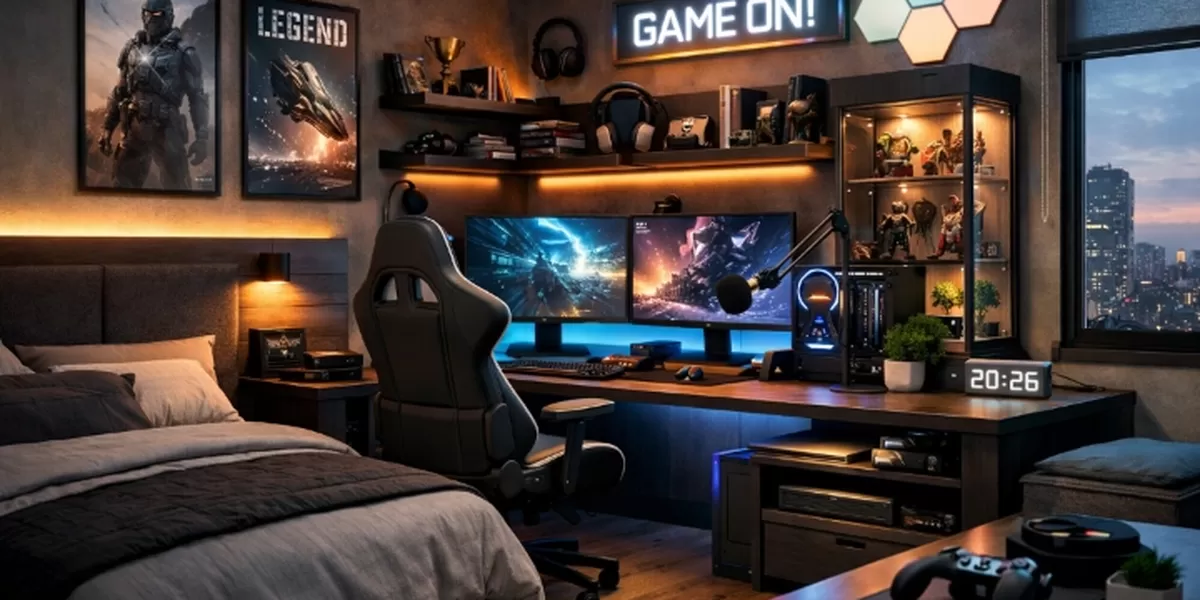
The year 2026 heralds a significant paradigm shift in the design of boy’s rooms, moving decisively towards an adaptive model that prioritizes extreme flexibility and long-term utility. This innovative approach seamlessly integrates areas for learning, play, and rest into a single, dynamic environment, reflecting a deeper understanding of child development and modern living demands. To achieve optimal results without incurring substantial future costs, parents are increasingly focusing on this adaptive design philosophy, which encompasses versatile spaces, natural color palettes, and smart, child-friendly technology. This forward-thinking concept allows a room to "grow" and adjust to a child’s evolving age and interests without necessitating annual, large-scale renovations.

Leading design consultancies, including InteriorDesign.ID, have observed a profound transformation in the mindset of contemporary parents. Historically, designing a child’s room was synonymous with selecting a race car-shaped bed or painting entire walls with a superhero theme. However, this approach is now widely considered outdated. Child development psychologists and interior architects concur that overly thematic rooms can inadvertently restrict imagination and drastically shorten the functional lifespan of a space. Moreover, the constant need for redecoration as a child outgrows a theme contributes significantly to household waste and financial strain, issues that modern parents are increasingly keen to address.
A child’s room in the modern era has transcended its traditional role as merely a sleeping area. It has evolved into a multifaceted command center—a place where children learn coding, engage in robotics, socialize virtually with peers, and retreat for essential rest and rejuvenation. This shift is particularly pronounced for Generation Alpha, the first cohort born entirely in the 21st century, who are digital natives with rapidly evolving interests and a demand for flexible environments. Consequently, the application of 2026 boy’s room design trends demands a far more visionary and future-proof perspective. This comprehensive guide will dissect the design innovations emerging from the latest global interior exhibitions, adapting them for practical application in contemporary homes. We will systematically explore the core pillars poised to dominate boy’s room design in the coming years.

The Foundational Shift: Why Adaptive Design is Paramount in 2026
Before delving into the visual and technological elements, it is crucial to grasp the underlying philosophical foundation: adaptive design is not merely a decorative style but a strategic approach to spatial planning. Children of Generation Alpha—those born after 2010—exhibit an unparalleled pace of adaptation and a rapid evolution of interests, driven by their digital-native existence and constant exposure to new information. Their engagement with diverse digital platforms and early exposure to complex concepts necessitate environments that can morph alongside their cognitive and emotional development.

A Prudent Long-Term Investment
Consider the financial implications of investing significantly in a dinosaur-themed room for a 6-year-old. Within a mere three years, by the age of nine, the child might find such decor embarrassing, perceiving it as "too childish." Adaptive design effectively mitigates this potential for wasteful expenditure. By establishing a neutral foundational "base" for the room and incorporating flexible furniture, parents only need to update smaller elements such—as bedding, wall art, or desk accessories—as their child’s interests shift. This represents the most intelligent form of interior investment, a principle consistently advocated by experts at InteriorDesign.ID to their clientele. This approach not only saves money but also reduces environmental impact by minimizing material consumption associated with frequent redecorations. Data from home renovation surveys consistently show that themed children’s rooms require redecoration twice as often as neutrally designed ones, underscoring the economic wisdom of adaptive design.
Facilitating Seamless Growth Transitions
Boys undergo distinct developmental phases: highly active gross motor skill development during toddlerhood, an exploratory hobby phase during elementary school, and a period of increasing need for privacy in adolescence. A well-designed room must adeptly facilitate these three transitions. The objective is not to design a space for the child as they are now,








