Azin Asro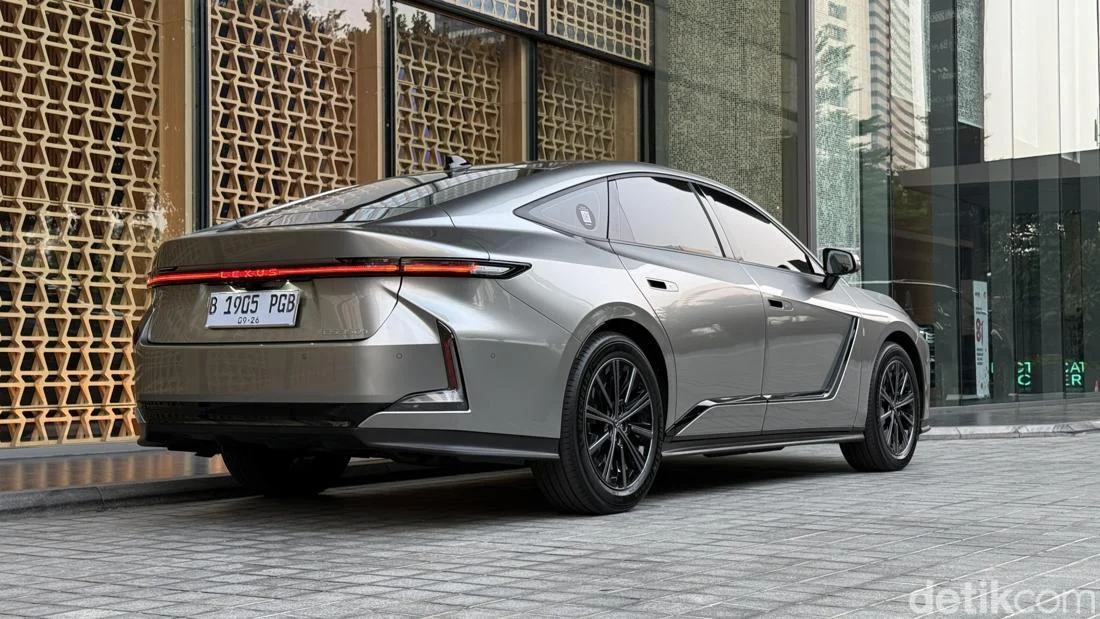
The automotive landscape has long maintained a strict dichotomy when it comes to executive luxury sedans. Traditionally, vehicles in this segment are strictly categorized into two distinct groups: those engineered to be chauffeur-driven sanctuaries prioritizing rear-passenger opulence, and those focused purely on delivering dynamic thrills to the person behind the steering wheel. However, the introduction of the all-new Lexus ES series challenges this longstanding paradigm, offering a sophisticated dual identity that seamlessly bridges the gap between executive indulgence and engaging driving dynamics.
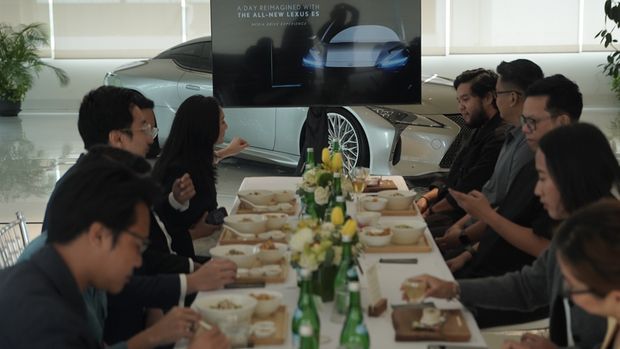
Recent media drive events organized by Lexus Indonesia provided a comprehensive look into this philosophy, titled "A Day Reimagined with The All-New Lexus ES." The immersive test drive program put both the battery-electric variant—the ES 350e—and the hybrid powertrain variant—the ES 350h—through rigorous real-world evaluations across the notorious urban congestion of Jakarta and the open, modern infrastructure of BSD City. The event not only showcased the technical advancements of the latest-generation luxury sedan but also underscored Lexus’s evolving approach to holistic luxury ownership, extending premium hospitality from the boardroom executive to the professional chauffeur.
Chronology of the Test Drive Experience
The evaluation began on a Thursday morning in the heart of Indonesia’s bustling capital. Rather than facing the harrowing Jakarta morning rush hour from behind the steering wheel, the journey commenced from the passenger’s perspective. An all-new Lexus ES 350e arrived for a residential pickup, allowing the evaluator to immediately experience the vehicle from the rear cabin.
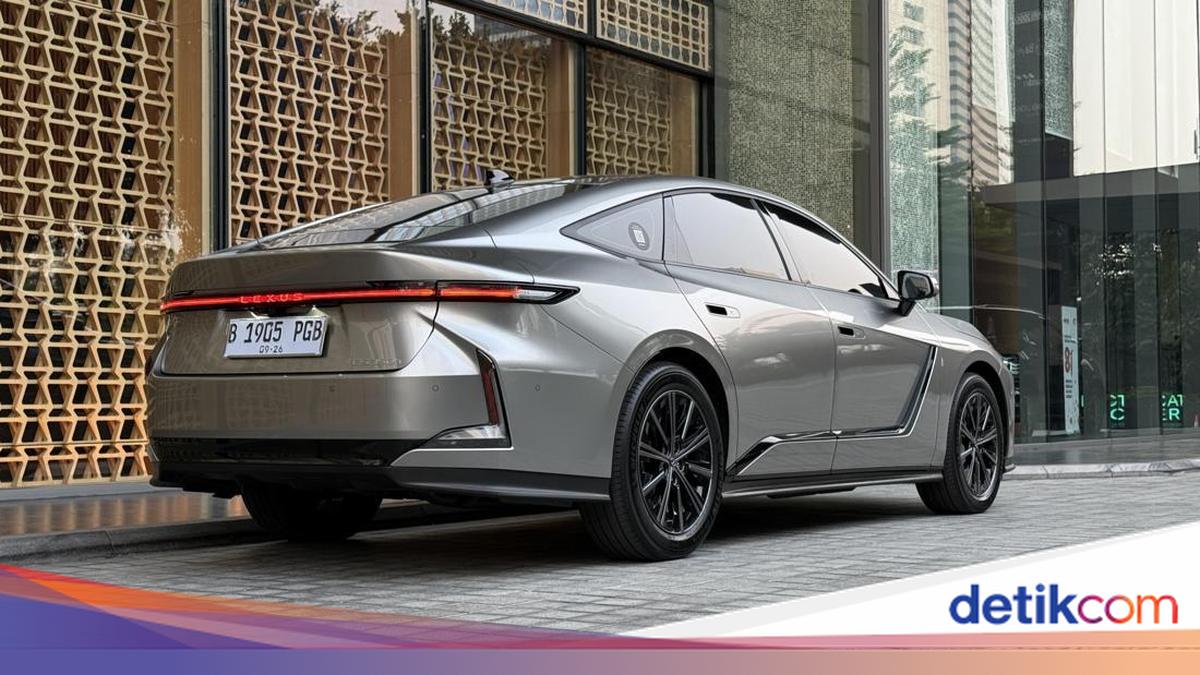
The initial leg of the journey highlighted the acoustic isolation and ergonomic comfort engineered into the rear passenger compartment. Even as the vehicle navigated increasingly dense morning traffic, the cabin remained remarkably serene. Notable features such as power-operated side window sunshades transformed the back seat into an isolated private lounge, offering respite from the urban chaos outside.
The itinerary progressed to the Lexus Gallery located in Mampang Prapatan, South Jakarta. Beyond viewing the brand’s latest architectural and automotive displays, the stop revealed a unique customer-centric philosophy that extends beyond the vehicle owner. Understanding that executive luxury often involves dedicated drivers, Lexus introduced specialized hospitality amenities at the gallery for chauffeurs. While vehicle owners attended briefings and breakfast sessions, drivers were provided access to complimentary wellness services, including professional massage facilities and barbershop treatments. This attention to detail illustrates a comprehensive ownership ecosystem that values every individual interacting with the brand.
Following the morning briefing, the role transitioned from passenger to pilot. The ES 350e was driven toward BSD City, transitioning the evaluation from urban commuting to highway cruising and suburban maneuvering. The afternoon session involved a vehicle switch to the ES 350h hybrid variant, allowing for a direct comparison between the battery-electric and self-charging hybrid platforms across varying road surfaces and traffic conditions before returning to Jakarta.
Technical Specifications and Engineering Innovations
Underpinning the capabilities of the all-new Lexus ES is the implementation of the Global Architecture-K (TNGA GA-K) platform. This foundational architecture has allowed engineers to optimize the chassis rigidity, suspension geometry, and steering response, resulting in a significantly more natural and connected driving experience compared to its predecessors.
The Lexus ES 350e serves as the brand’s bold step into pure electric executive mobility. Propelled by an advanced electric motor, the vehicle generates a robust 221 horsepower and 268.6 Nm of instant torque. Energy is stored in a high-capacity 74.69 kWh lithium-ion battery pack, which delivers an impressive driving range of up to 581 kilometers on a single charge under the Worldwide Harmonised Light Vehicle Test Procedure (WLTP) standards.
Performance delivery can be tailored via selectable drive modes. In Normal mode, power delivery is linear, smooth, and easily modulated, preventing any abrupt acceleration that might disturb passengers. Selecting Sport mode sharpens the throttle response, giving the heavy executive sedan a more aggressive and agile character.
Conversely, the ES 350h relies on a sophisticated hybrid powertrain featuring a 2.487-liter four-cylinder internal combustion engine paired with an electric motor, generating a combined total output of 244 horsepower. The transition between the gasoline engine and electric motor is engineered to be virtually imperceptible, adhering to the hallmark Lexus standard of refined comfort. Furthermore, the ES 350h variant tested featured a 19-inch wheel configuration wrapped in thicker 235/55 R19 tires, contrasting with the larger 21-inch wheels and lower-profile 235/45 R21 tires on the 350e. This tire and wheel configuration provided a more forgiving ride quality over less-than-ideal road surfaces.
Interior Architecture and the Tazuna Cockpit Concept
Inside the cabin, the all-new Lexus ES demonstrates a masterclass in minimalist yet functional design. Avoiding the industry trend of eliminating all physical controls in favor of sprawling touchscreen panels, Lexus has integrated "Responsive Hidden Switches"—tactile physical buttons seamlessly blended into the interior surfaces that remain intuitive and easy to operate without requiring the driver’s eyes to leave the road.
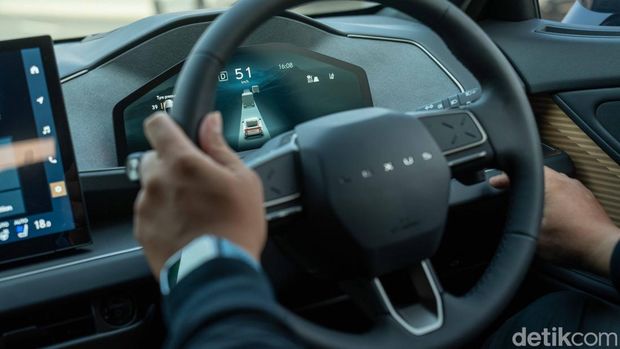
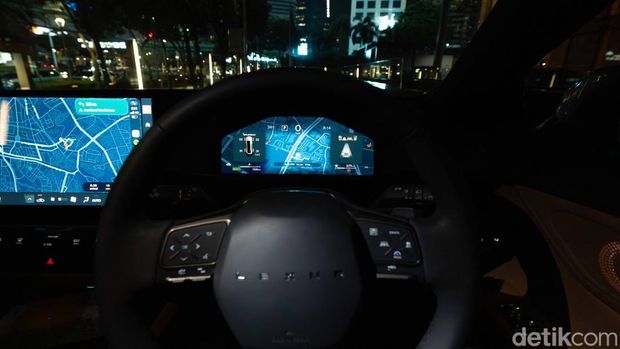
At the core of the driver-centric layout is Lexus’s signature "Tazuna Cockpit" concept. Derived from the Japanese word for the reins used to control a horse, Tazuna aims to establish an intuitive, unbroken connection between the driver and the machine. Key driving information, including navigation prompts relayed from Apple CarPlay and Android Auto, is projected directly onto the digital instrument cluster. This minimizes driver distraction, eliminating the need to constantly glance toward the central infotainment screen.
Safety remains paramount in the new generation, underscored by the inclusion of the Lexus Safety System+ 4.0 suite. Working in tandem with a comprehensive 360-degree camera system, the advanced driver assistance systems (ADAS) provide critical spatial awareness during high-speed highway cruising and low-speed urban stop-and-go maneuvers.
Market Implications and the Evolving Executive Sedan Segment
The introduction of the all-new Lexus ES in both electric (350e) and hybrid (350h) configurations arrives at a pivotal moment for the luxury automotive market in Southeast Asia. As governments across the region accelerate electrification mandates and urban centers grapple with tightening environmental regulations, premium manufacturers are under increasing pressure to electrify their flagship lineups without compromising the uncompromising comfort expected by high-net-worth buyers.
Historically, large luxury sedans faced a dilemma: pure electric vehicles often prioritized futuristic stiffness or high-performance acceleration that compromised ride comfort, while traditional internal combustion vehicles struggled to meet modern efficiency expectations. By leveraging the TNGA GA-K platform and balancing distinct powertrain options, Lexus has positioned the ES as a versatile contender capable of satisfying dual demands.
Industry analysts note that vehicles like the Lexus ES serve as a critical bridge for traditional luxury consumers transitioning toward sustainable mobility. By offering an electric variant with a robust range alongside a familiar, high-efficiency hybrid, the brand mitigates range anxiety while future-proofing its product portfolio. Furthermore, the inclusion of driver-centric hospitality initiatives at dedicated galleries points toward a broader luxury trend: redefining ownership not merely as the possession of a mechanical asset, but as an encompassing service experience.
Conclusion
The comprehensive evaluation of the all-new Lexus ES across Jakarta and BSD City reinforces its standing as a multifaceted luxury vehicle. Whether viewed as a mobile boardroom equipped with sunshades and supreme acoustic insulation, or as an engaging, driver-focused sedan featuring responsive electric torque and the intuitive Tazuna Cockpit, the vehicle successfully delivers on contradictory fronts.
As executive preferences evolve to demand both sustainable efficiency and driving engagement, the Lexus ES demonstrates that an owner no longer needs to choose between being driven and taking the wheel. Both roles offer a distinct, meticulously crafted narrative within the same luxury shell.