Chalifah Fatihah
A peculiar incident unfolded at Southend Airport in Essex, England, on Saturday, April 11, 2026, when a scheduled easyJet flight bound for Malaga, Spain, was unable to take off due to the aircraft being significantly overweight for the prevailing weather conditions and the runway’s limited length. The airline emphasized that passenger safety is its paramount concern, necessitating a reduction in the aircraft’s load before it could be cleared for departure.
The flight, operating under flight number EZY8833, was scheduled to depart at 10:30 AM GMT. However, as passengers boarded and prepared for the flight, a critical assessment by the flight crew revealed that the total weight of the aircraft, including passengers, baggage, and fuel, exceeded the safe operational limits for the conditions at Southend Airport. This situation is not uncommon in aviation, particularly at airports with shorter runways or during periods of adverse weather that can affect aircraft performance.
The Dilemma: Passengers or Luggage?
According to reports from local media outlet Your Southend, the flight captain presented the passengers with a difficult choice to ensure the aircraft could achieve the necessary speed for takeoff. The options presented were stark: either six passengers would have to voluntarily deplane, or all of the passengers’ checked baggage would need to be removed from the cargo hold. This situation, while rare, highlights the intricate calculations and safety protocols that govern every flight.
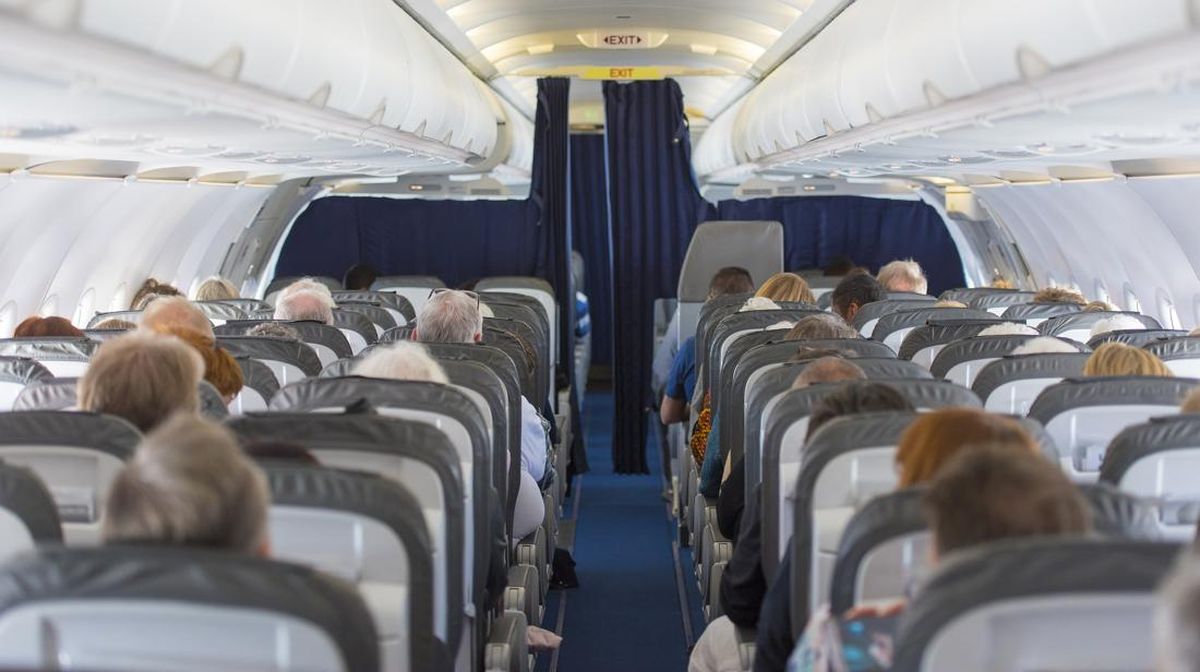
The captain’s announcement, relayed through the cabin crew, created an atmosphere of uncertainty and concern among the approximately 150 passengers on board. The flight was reportedly carrying a significant number of tourists and families heading for a holiday in the popular Spanish destination. The prospect of missing their flights and the potential disruption to their travel plans was a significant worry for many.
After a period of deliberation, five passengers bravely volunteered to forgo their flight. Their decision was met with applause and gratitude from the remaining passengers, who were relieved that a solution had been found without further delay or more drastic measures. These five individuals, by choosing to deplane, played a crucial role in ensuring the safety of everyone else on board and facilitating the flight’s eventual departure.
Understanding the Technical Constraints
easyJet, in a statement to ITV News, explained that weight restrictions are a standard safety procedure implemented by all airlines. The specific circumstances at Southend Airport contributed to the severity of the situation. Southend Airport’s runway, measuring 1,856 meters, is considerably shorter than those found at major international hubs. This limited runway length reduces the available distance for an aircraft to accelerate to its required takeoff speed.
Furthermore, the weather conditions on that particular Saturday were not ideal for maximizing aircraft lift. Factors such as air temperature, humidity, and atmospheric pressure all play a role in an aircraft’s ability to generate sufficient lift for takeoff. On this occasion, these conditions meant that the aircraft’s maximum permissible takeoff weight had to be reduced to ensure a safe ascent.
Even with the voluntary deplaning of five passengers, reports indicated that there were still approximately ten empty seats on the aircraft prior to the volunteers stepping forward. This suggests that the weight reduction required was substantial, underscoring the critical nature of the decision made by the flight crew and the airline. The equation of weight, runway length, and atmospheric conditions is a delicate balance that aviation professionals must meticulously manage for every flight.
Compensation and Passenger Rights
The five passengers who voluntarily stepped down from the flight were not left stranded. easyJet arranged for their transportation to Gatwick Airport, a larger hub with more extensive flight options. From Gatwick, they were rebooked onto a flight to Malaga on the same day, at no additional cost to them. This swift resolution ensured that their holiday plans were minimally disrupted.
In addition to the complimentary travel, these passengers are also entitled to compensation under the UK’s Civil Aviation Authority (CAA) regulations, specifically the UK261 passenger rights framework. This regulation provides a framework for passenger compensation in cases of flight delays, cancellations, or denied boarding.
Under UK261, passengers who voluntarily choose not to travel in situations like this are eligible for compensation ranging from £175 to £350 (approximately $220 to $440 USD, depending on exchange rates), depending on the length of the delay experienced. easyJet confirmed that they were in contact with these passengers to process the compensation they are rightfully due, demonstrating their commitment to adhering to passenger rights legislation.
Broader Implications and Industry Practices
This incident, while unusual in its direct request for passengers to deplane, underscores the rigorous safety standards prevalent in the aviation industry. Airlines operate under strict regulations designed to prevent accidents and ensure the well-being of all individuals on board. The weight of an aircraft is a critical factor that influences its performance during takeoff, climb, cruise, and landing.
Key Factors Influencing Aircraft Weight and Takeoff Performance:
- Aircraft Maximum Takeoff Weight (MTOW): Each aircraft type has a certified maximum weight at which it can safely take off. This is determined by manufacturers and regulatory bodies.
- Runway Length and Condition: Longer runways provide more distance for an aircraft to accelerate. Runway conditions (e.g., wet or icy) can also reduce braking effectiveness and affect takeoff performance.
- Altitude and Ambient Temperature: Higher altitudes and higher temperatures reduce air density, which in turn decreases lift. This means an aircraft will require a longer runway and higher true airspeed to achieve takeoff.
- Wind Conditions: Headwinds assist in takeoff by increasing airspeed over the wings, while tailwinds hinder it.
- Passenger and Cargo Load: The weight of passengers, their baggage, and cargo directly contributes to the aircraft’s total weight.
- Fuel Load: The amount of fuel carried is a significant component of the aircraft’s weight, and this can be adjusted based on flight distance and expected conditions.
In this specific case, the combination of Southend’s shorter runway and potentially less-than-optimal weather conditions meant that the aircraft’s total weight was a critical limiting factor. The decision to ask passengers to deplane, rather than offload cargo, is often a pragmatic one. Removing baggage can be a time-consuming process, potentially leading to significant delays and impacting subsequent flight schedules. In situations where a quick resolution is needed, and there are willing volunteers, it can be the most efficient solution.
Aviation analysts suggest that such incidents, while rare, serve as important reminders of the complex physics and engineering that underpin air travel. They also highlight the professional judgment and quick decision-making skills of flight crews who are ultimately responsible for the safety of their passengers. The transparency of easyJet in explaining the situation and their adherence to passenger rights regulations are also positive aspects of this event.
The incident at Southend Airport, while a minor disruption for the passengers involved, reinforces the unwavering commitment to safety that defines the modern aviation industry. It demonstrates that even in the face of logistical challenges, the priority remains the secure and uneventful arrival of every flight.