Azin Asro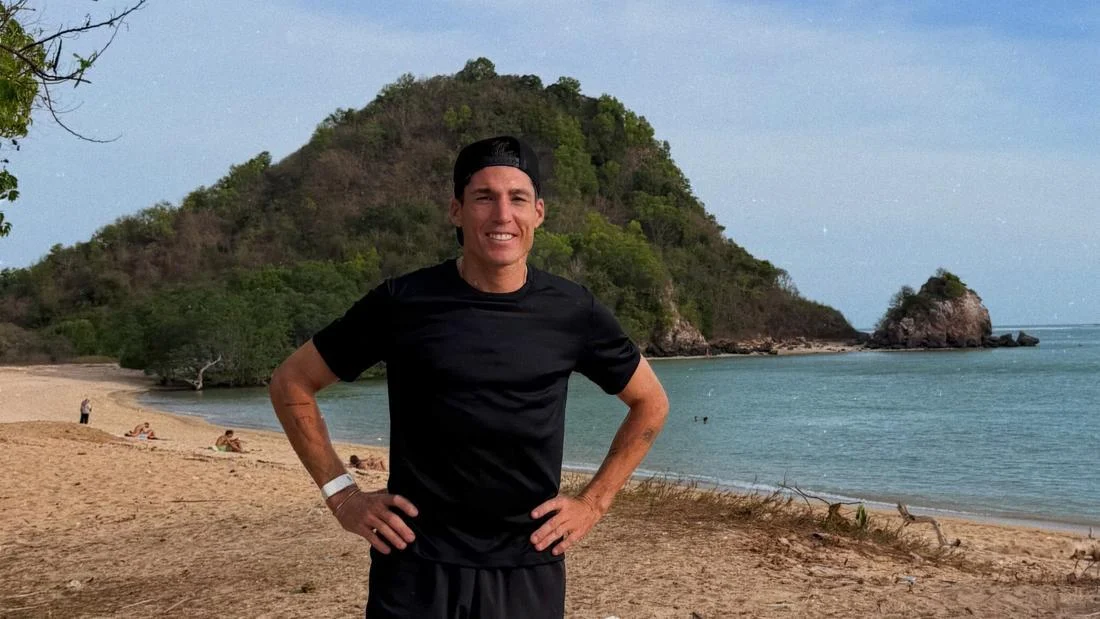
The vibrant atmosphere of Lombok, Nusa Tenggara Barat, has once again welcomed one of the paddock’s most charismatic figures as veteran rider Aleix Espargaro touched down ahead of the upcoming race weekend. Affectionately dubbed "Pak RT" by his massive Indonesian fanbase—a playful moniker reflecting both his senior status among riders and his enduring affection for the country—Espargaro returns not merely as a vacationer, but as a crucial competitive entry for Honda Racing Corporation (HRC). The Spaniard’s arrival signals the commencement of high-stakes preparations for the 17th round of the 2026 FIM MotoGP World Championship, scheduled to take place from October 9 to October 11 at the state-of-the-art Pertamina Mandalika International Circuit.
For Espargaro, the Indonesian leg of the championship holds deeply personal and professional significance. Known widely for his frequent tropical getaways to Bali with his family and his informal status as the unofficial "mayor" or neighborhood leader among Grand Prix riders residing in Andorra, his cultural integration into Indonesia has created a unique bond with local motorsport enthusiasts. However, the lighthearted greeting of "Pak RT" shared on his verified social media channels—accompanied by the declaration of returning to his favorite place in the world—belies a rigorous racing assignment that suddenly materialized following unexpected team shakeups within the premier class manufacturing ranks.
Unexpected Call-Up and HRC Testing Commitments
The journey of Aleix Espargaro to the starting grid of the 2026 Indonesian Grand Prix represents a fascinating twist in modern MotoGP logistics and driver management. Having formally stepped back from full-time Grand Prix competition at the conclusion of the previous season in Valencia, Espargaro transitioned smoothly into a specialized development role as an official test rider for Honda Racing Corporation (HRC). In this capacity, his primary objective has been spearheading the grueling development program of the Honda RC213V, utilizing his decades of top-tier experience to diagnose performance bottlenecks and accelerate the Japanese manufacturer’s ongoing competitive resurgence.
Originally, HRC management had charted a different course for the vacant seat left by regular factory rider Joan Mir for the overseas Asian swing. Fellow veteran test rider Takaaki Nakagami was designated to step into the role as a replacement entry. However, motorsport can be remarkably unforgiving, and the plans were abruptly upended during the preceding race weekend at Motegi, Japan. Nakagami suffered a heavy crash on the opening lap of the Grand Prix, resulting in a fractured collarbone that immediately sidelined the Japanese rider from active competition.
Faced with a sudden void and the stringent necessity of fielding a competitive machine capable of gathering vital telemetry data under race conditions, HRC turned to Espargaro. The sudden call-up thrust the retired racer back into the competitive arena much earlier than anticipated. Consequently, the Mandalika weekend serves as Espargaro’s first official Grand Prix start since the dramatic curtain-closer in Valencia last year, injecting an unexpected narrative element into the Honda garage as engineers look to capitalize on his analytical prowess combined with his proven racecraft.
Background and Context of MotoGP Mandalika 2026
The Pertamina Mandalika International Circuit has rapidly established itself as one of the most visually stunning and technically demanding venues on the global motorsport calendar. Since its historic inauguration and debut on the MotoGP schedule, the Lombok circuit has symbolized Indonesia’s growing prominence as a premier destination for international sporting spectacles. Built within the Mandalika Special Economic Zone in the southern part of Lombok, the circuit combines modern safety standards with sweeping coastal views, offering a unique microclimate and asphalt conditions that continually challenge team strategists.
The 2026 edition marks the 17th round of a grueling world championship calendar, placing it squarely in the high-pressure autumn flyaway phase where championship battles reach their absolute boiling point. Track temperatures in Lombok are notoriously high, demanding peak physical conditioning from the athletes and imposing severe degradation tests on tire compounds supplied by official manufacturer Michelin. Furthermore, the tropical weather patterns of Nusa Tenggara Barat routinely introduce the wildcard element of sudden equatorial downpours, requiring teams to master rapid setup adjustments between dry and wet configurations.
Comprehensive Weekend Chronology and Schedule
The operational tempo at the Pertamina Mandalika International Circuit will be relentless across the three-day official program, designed to maximize track action for the tens of thousands of passionate fans expected to pack the grandstands.
Friday, October 9: Initial Setup and Evaluation
The official on-track proceedings commence on Friday morning with the Free Practice 1 session, offering riders their initial opportunity to dial in baseline chassis geometries and evaluate grip levels on the Lombok asphalt. Following a brief midday break and engineering debriefs, the afternoon features the crucial Practice session. This sixty-minute window holds immense strategic importance, as the top ten combined lap times dictate direct qualification into the second phase of Saturday’s qualifying (Q2), bypassing the precarious elimination rounds of Q1.
Saturday, October 10: Qualifying and Sprint Intensity
Saturday morning opens with Free Practice 2, serving as a final diagnostic window for race pace simulations before the knockout Qualifying sessions (Q1 and Q2) determine the definitive starting grid for the weekend. The competitive intensity peaks on Saturday afternoon with the staging of the high-octane Sprint Race. Contested over a shortened distance of 13 laps, the Sprint format requires riders to engage in maximum-attack racing from the red lights, offering vital championship points without the tyre-conservation constraints of the full-length Grand Prix.
Sunday, October 11: The Grand Prix Showdown
The pinnacle of the weekend unfolds on Sunday afternoon with the running of the main MotoGP race. Scheduled to cover a demanding distance of 27 laps, the Grand Prix places a premium on physical stamina, precise fuel management, and intelligent tactical pacing. Teams must carefully balance aggressive overtaking maneuvers with the preservation of critical rubber, ensuring their machines remain competitive through the notoriously grueling final laps under the Indonesian sun.
Strategic Implications for Honda and the Paddock
The participation of Aleix Espargaro under the HRC banner in Indonesia carries significant strategic implications for the Japanese marque’s broader technical trajectory. As Honda continues its painstaking development cycle to close the performance gap to its European rivals, having a rider of Espargaro’s caliber competing directly against the current grid provides invaluable comparative data. Unlike private testing, a Grand Prix weekend forces machinery into extreme operational envelopes, highlighting thermal management issues, aerodynamic interactions in traffic, and electronic deployment limits under race stress.
Industry analysts note that Espargaro’s presence also provides a stabilizing psychological boost within the HRC box. His wealth of experience dealing with high-pressure factory environments helps guide younger engineering personnel through race-weekend protocols. For the Indonesian promoters and tourism boards, the return of "Pak RT" acts as a powerful marketing catalyst, bridging international sports entertainment with local cultural affinity. As the paddock settles into the Lombok humidity, the focus shifts sharply to the tarmac, where Espargaro’s unique blend of testing duty and competitive spirit will be rigorously tested against the world’s elite motorcycle racers.