Tyo Susilo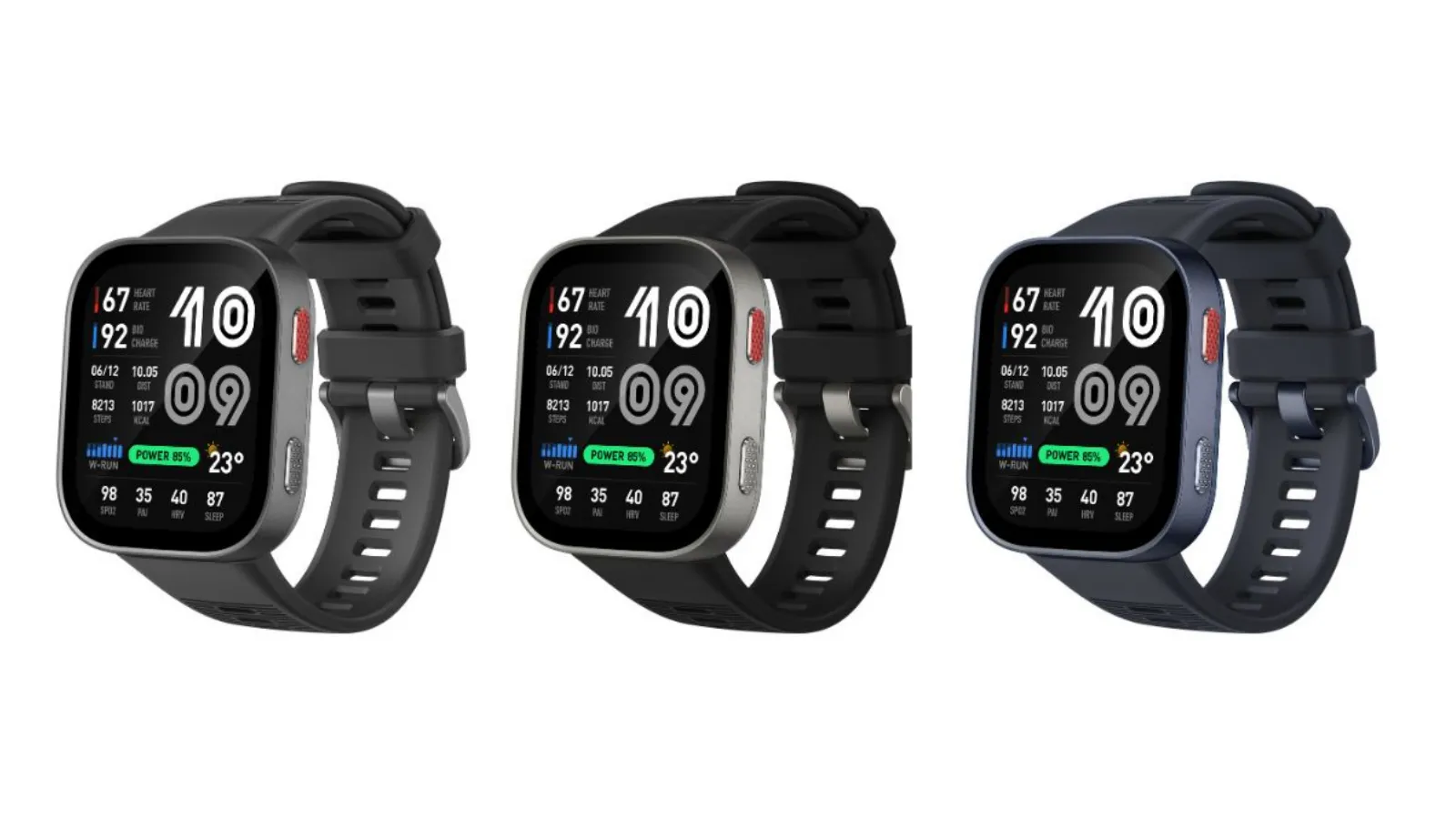
The highly anticipated Amazfit Bip Max has officially arrived, marking a significant evolution for the popular Bip smartwatch series. Building upon the legacy of its predecessor, the Bip 6, the new Bip Max boasts a substantially larger 2.07-inch AMOLED display, offering users a more expansive and immersive visual experience. Beyond the enhanced screen real estate, Amazfit has also implemented key upgrades in display brightness and battery longevity, positioning the Bip Max as a compelling option in the competitive wearable market.
Enhanced Visuals and Display Technology
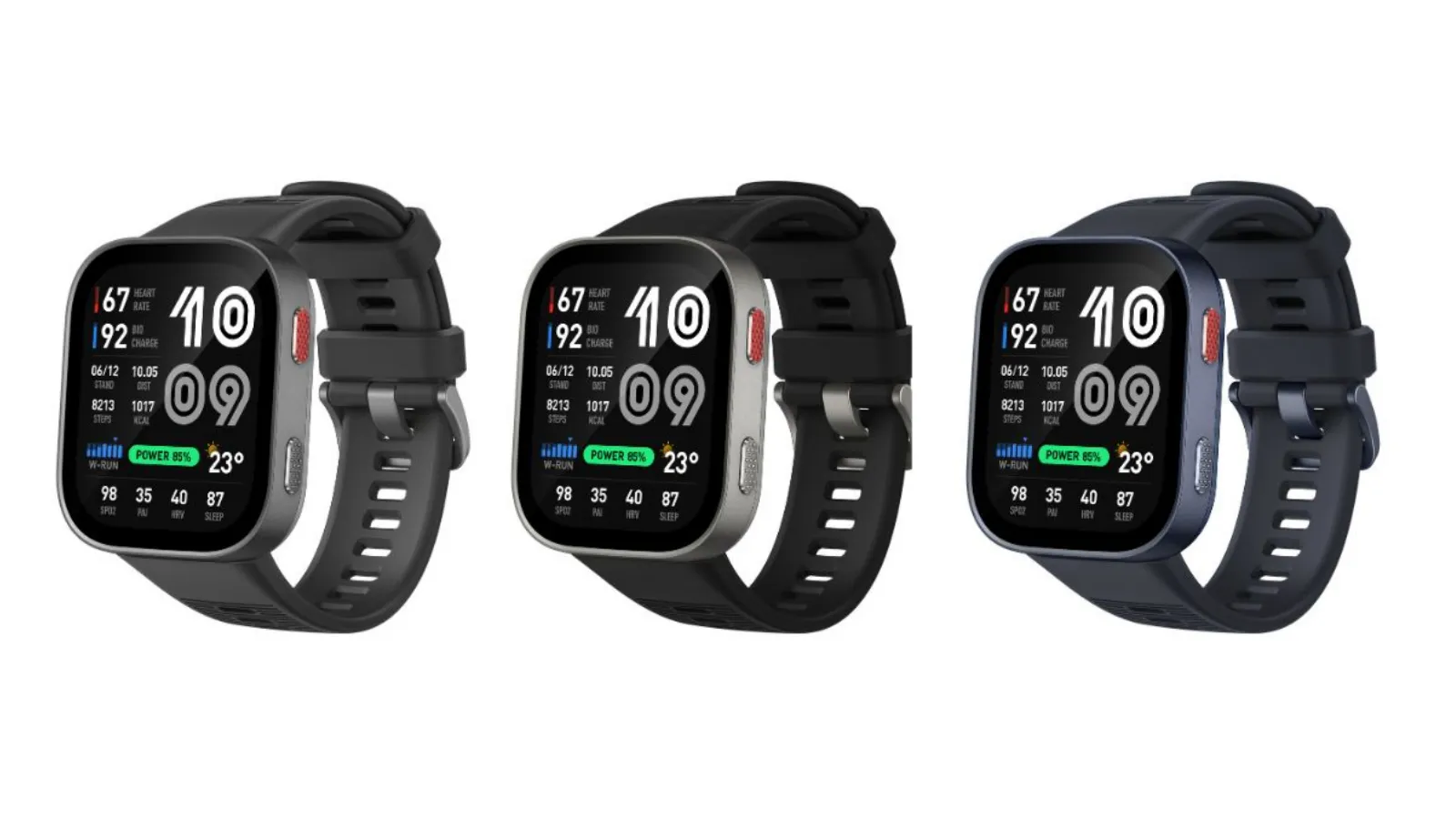
The most striking upgrade in the Amazfit Bip Max is its display. The new model features a 2.07-inch square AMOLED panel, a noticeable increase from the 1.97-inch screen found on the Amazfit Bip 6. This larger display not only provides more room for information, watch faces, and app interfaces but also contributes to a more premium feel. Complementing the increased size is a dramatic boost in peak brightness, now reaching an impressive 3,000 nits. This is a significant leap from the 1,500 nits offered by the Bip 6, promising superior readability even under harsh sunlight or direct light conditions. Such a high brightness level is crucial for outdoor activities, making it easier for users to check notifications, track workouts, or navigate without squinting. The adoption of AMOLED technology ensures vibrant colors, deep blacks, and excellent contrast ratios, further enhancing the visual appeal and usability of the smartwatch.
Extended Battery Performance for Uninterrupted Use
Battery life remains a critical factor for smartwatch consumers, and Amazfit has addressed this concern with the Bip Max. The new model is equipped with a larger 550mAh capacity battery. This, combined with optimizations in power consumption, allows the Amazfit Bip Max to achieve up to 20 days of typical usage on a single charge. This represents a considerable improvement over the 14 days offered by the Amazfit Bip 6, reducing the frequency of charging and providing a more seamless user experience, particularly for those who travel frequently or prefer not to be tethered to a charger. Extended battery life is a key differentiator, especially for users who rely on their smartwatches for continuous health monitoring and activity tracking without interruption.
Design Evolution and User Interface
The Amazfit Bip Max presents a subtly refined design, appearing slightly more robust or "bulky" compared to its predecessors, a characteristic often associated with durability and larger battery integration. The body is constructed from aluminum, lending a premium and sturdy feel to the device. For user interaction, the Bip Max features two control buttons on its side. One of these buttons is distinguished by a contrasting red color, adding a touch of visual flair to the overall aesthetic. The watch is paired with a comfortable silicone strap, a common and practical choice for active lifestyles, offering flexibility and water resistance.
Running on the latest ZeppOS 5.0, the Amazfit Bip Max integrates a comprehensive suite of features designed to enhance user convenience and functionality. A notable inclusion is the AI assistant, Flow 2.0, which promises more intelligent and responsive interactions. The ability to take screenshots directly from the watch is another user-friendly addition, facilitating easier sharing of information or troubleshooting. Furthermore, the inclusion of offline maps with up to 4GB of storage capacity is a significant benefit for navigation, allowing users to explore new areas without relying on a constant smartphone connection. This feature is particularly valuable for hikers, cyclists, and travelers.
Market Entry and Pricing Strategy
The Amazfit Bip Max has made its debut in Indonesia, signaling its global rollout strategy. During its early bird sales period, the smartwatch is available at a promotional price of Rp1,699,000, a discount from its official launch price of Rp1,799,000. This pricing strategy is typical for new product launches, aiming to generate initial sales momentum and attract early adopters. Official online sales channels have been established through popular platforms like TikTok Shop and Shopee, ensuring accessibility for a broad consumer base. This strategic placement on e-commerce platforms reflects Amazfit’s commitment to leveraging digital sales channels for wider market reach.
Context and Industry Trends
The launch of the Amazfit Bip Max aligns with broader trends in the smartwatch and wearable technology market. Consumers are increasingly seeking devices that offer a balance of advanced features, long battery life, and competitive pricing. The Bip series has historically catered to this segment by providing reliable smart functionalities at an accessible price point. The introduction of a larger, brighter AMOLED display and significant battery improvements indicates Amazfit’s dedication to enhancing user experience and keeping pace with technological advancements. The inclusion of AI assistants and offline map capabilities further demonstrates a move towards more integrated and self-sufficient wearable devices.
The wearable market has seen consistent growth over the past decade, driven by increasing health consciousness, the desire for seamless connectivity, and the evolution of smart technologies. Companies like Amazfit, a subsidiary of Zepp Health (formerly Huami), play a crucial role in democratizing access to these technologies, offering feature-rich devices that appeal to a wide demographic. The Bip Max, with its emphasis on a larger display and enhanced battery, is poised to attract users who prioritize screen visibility and extended usage periods, potentially drawing in consumers who may have found previous Bip models’ screens too small or battery life insufficient for their needs.
Potential Implications and Future Outlook
The Amazfit Bip Max’s competitive pricing and upgraded specifications suggest a strategic move to capture a larger share of the mid-range smartwatch market. By offering a larger AMOLED display and a substantial increase in battery life, Amazfit is directly addressing key consumer pain points. The enhanced brightness, in particular, could make it a more attractive option for outdoor enthusiasts and those who use their smartwatches for fitness tracking in various lighting conditions.
The integration of ZeppOS 5.0 and AI capabilities suggests a commitment to software development and a vision for smarter, more intuitive wearables. The inclusion of 4GB of storage for offline maps points towards a growing trend of smartwatches becoming more independent from smartphones for certain functions. This could pave the way for more advanced features in future iterations, such as on-device music playback or more sophisticated offline navigation tools.
The success of the Bip Max will likely depend on its real-world performance and user adoption. While the specifications are promising, long-term durability, software stability, and the actual user experience of the AI assistant will be crucial factors. However, given Amazfit’s track record and the clear improvements offered by the Bip Max, it is well-positioned to be a strong contender in its segment. The company’s continued focus on delivering value through enhanced features and competitive pricing strategy is likely to resonate with a broad audience of tech-savvy consumers. As the wearable market continues to mature, devices like the Amazfit Bip Max represent the ongoing innovation aimed at making smart technology an even more integral and seamless part of daily life.