Lusiana Hamidun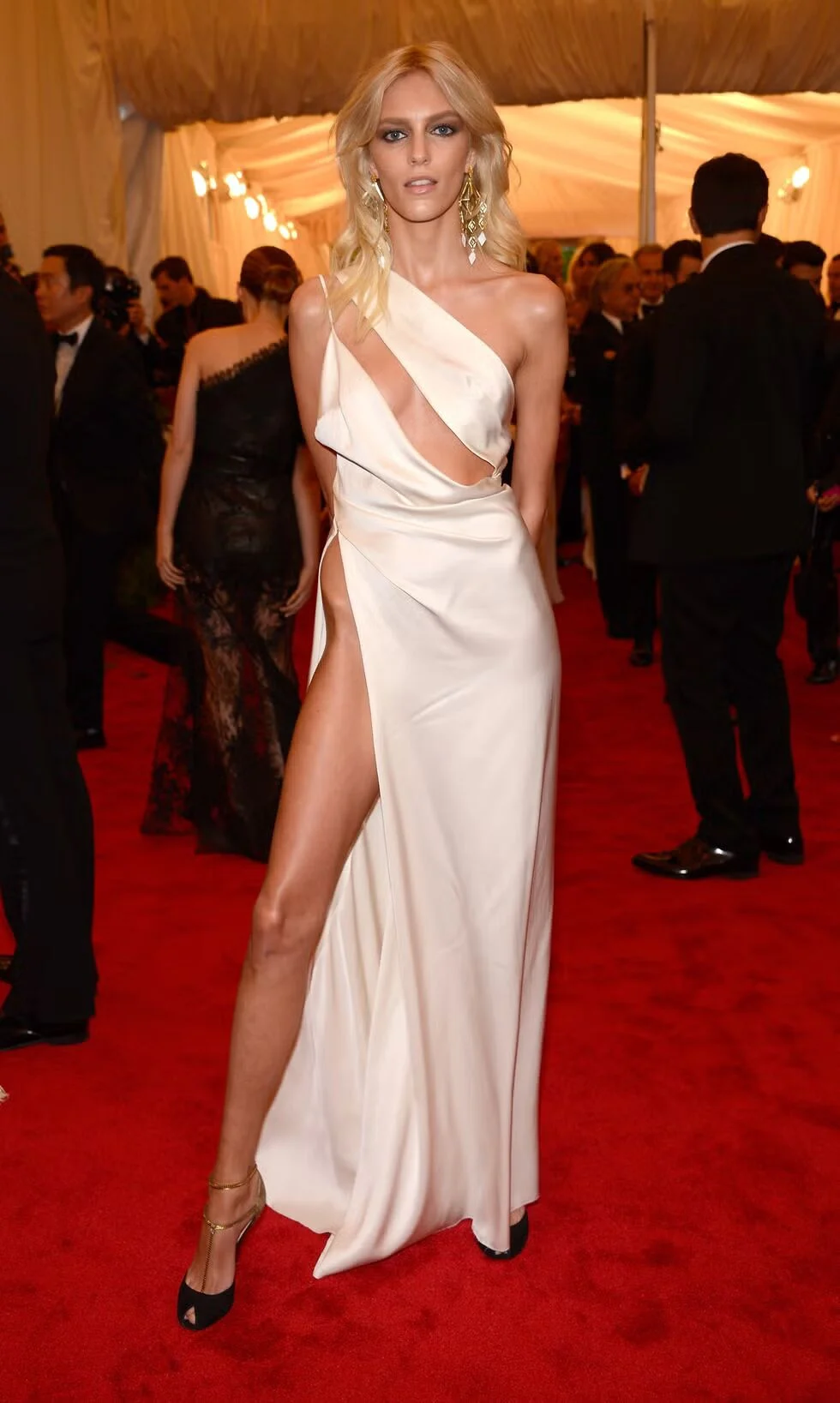
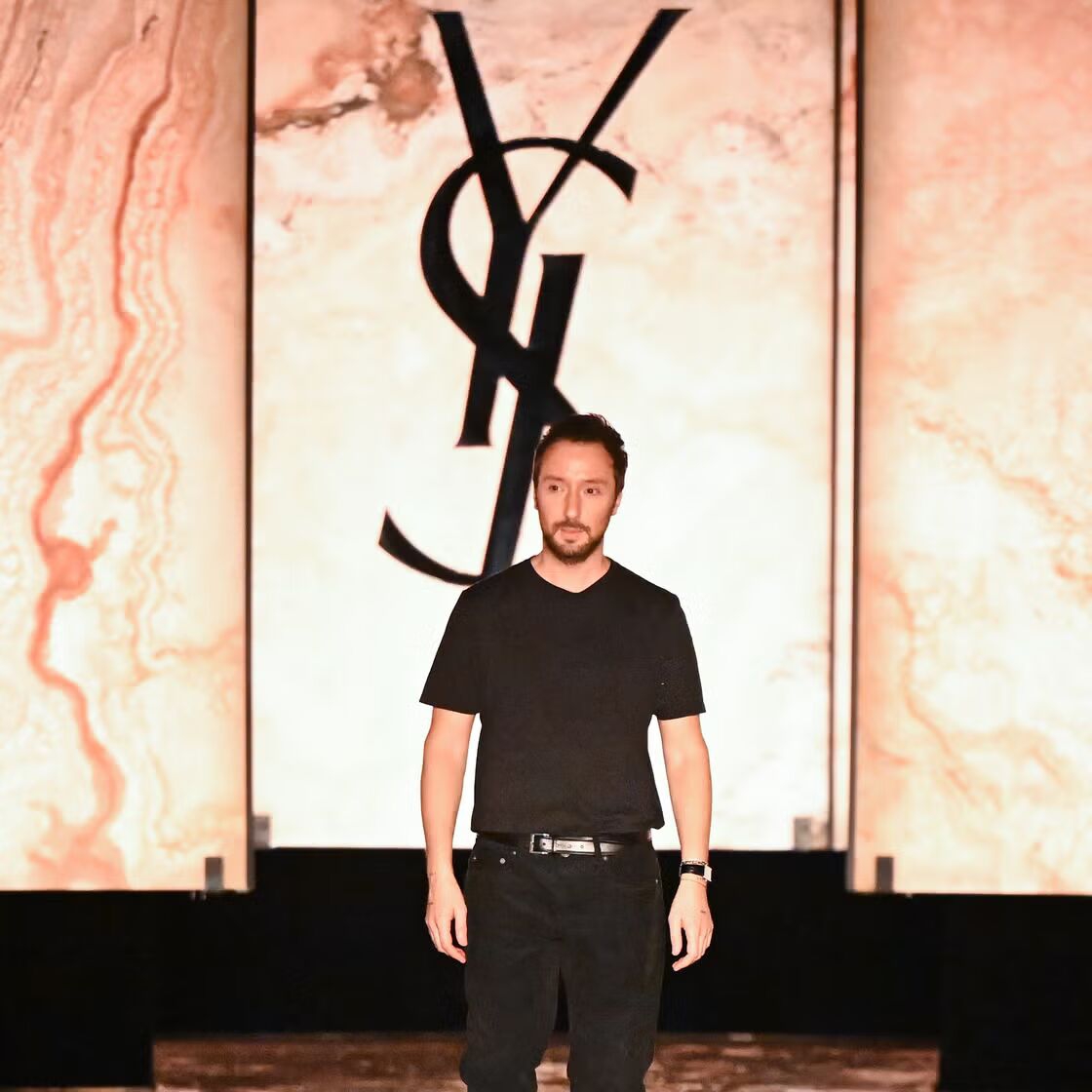
Saint Laurent has officially confirmed that Anthony Vaccarello is stepping down as creative director, a move that brings a definitive conclusion to his ten-year tenure at the helm of the iconic French fashion house. This announcement, which follows widespread industry speculation, marks a significant shift for the Kering-owned brand. Vaccarello’s departure ends a period defined by sharp, uncompromising aesthetics and a successful commercial revitalization of the house, leaving behind a legacy that effectively bridged the heritage of Yves Saint Laurent with the modern, aggressive sensibilities of the 21st century.
The Final Bow: A Retrospective at the Eiffel Tower
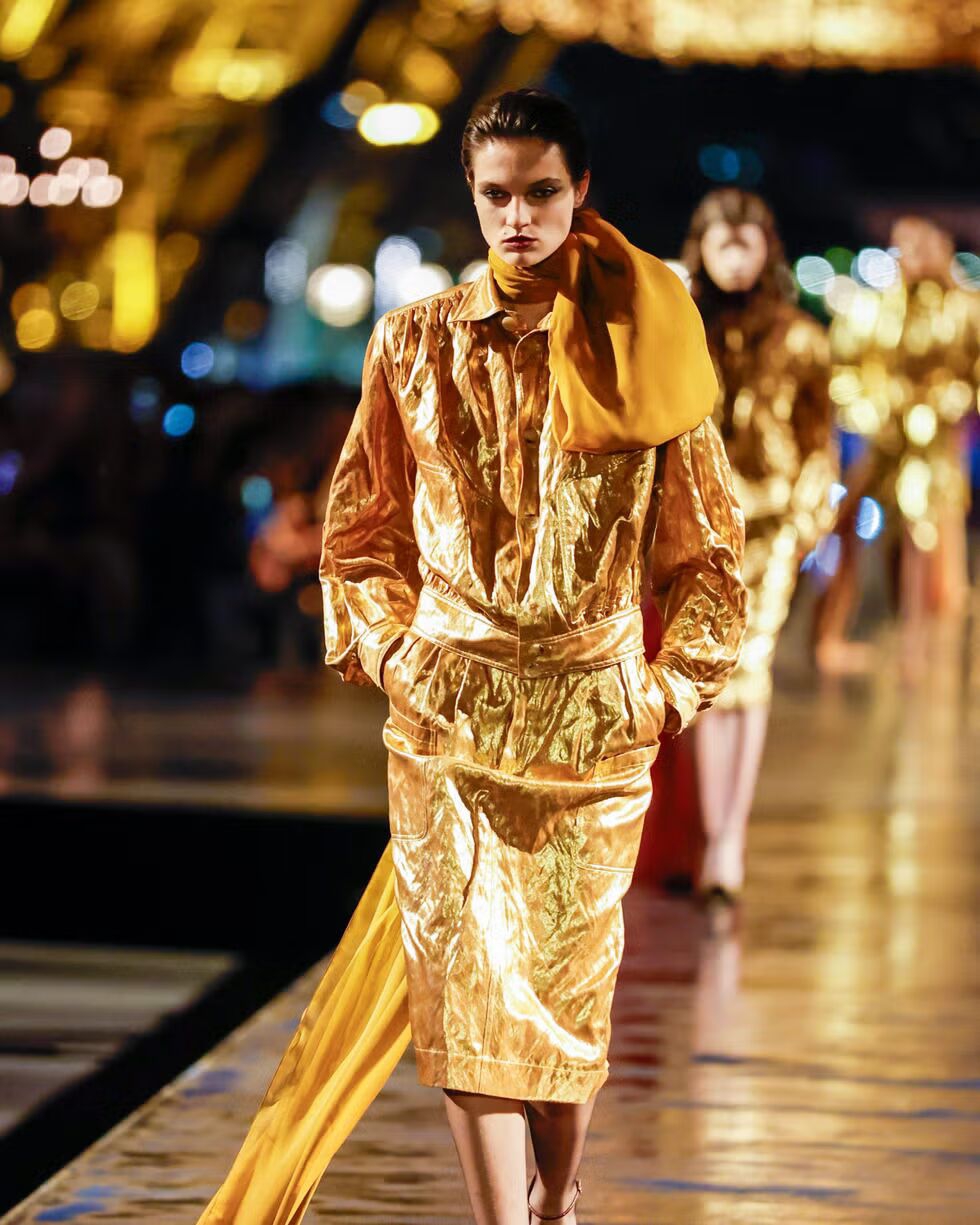
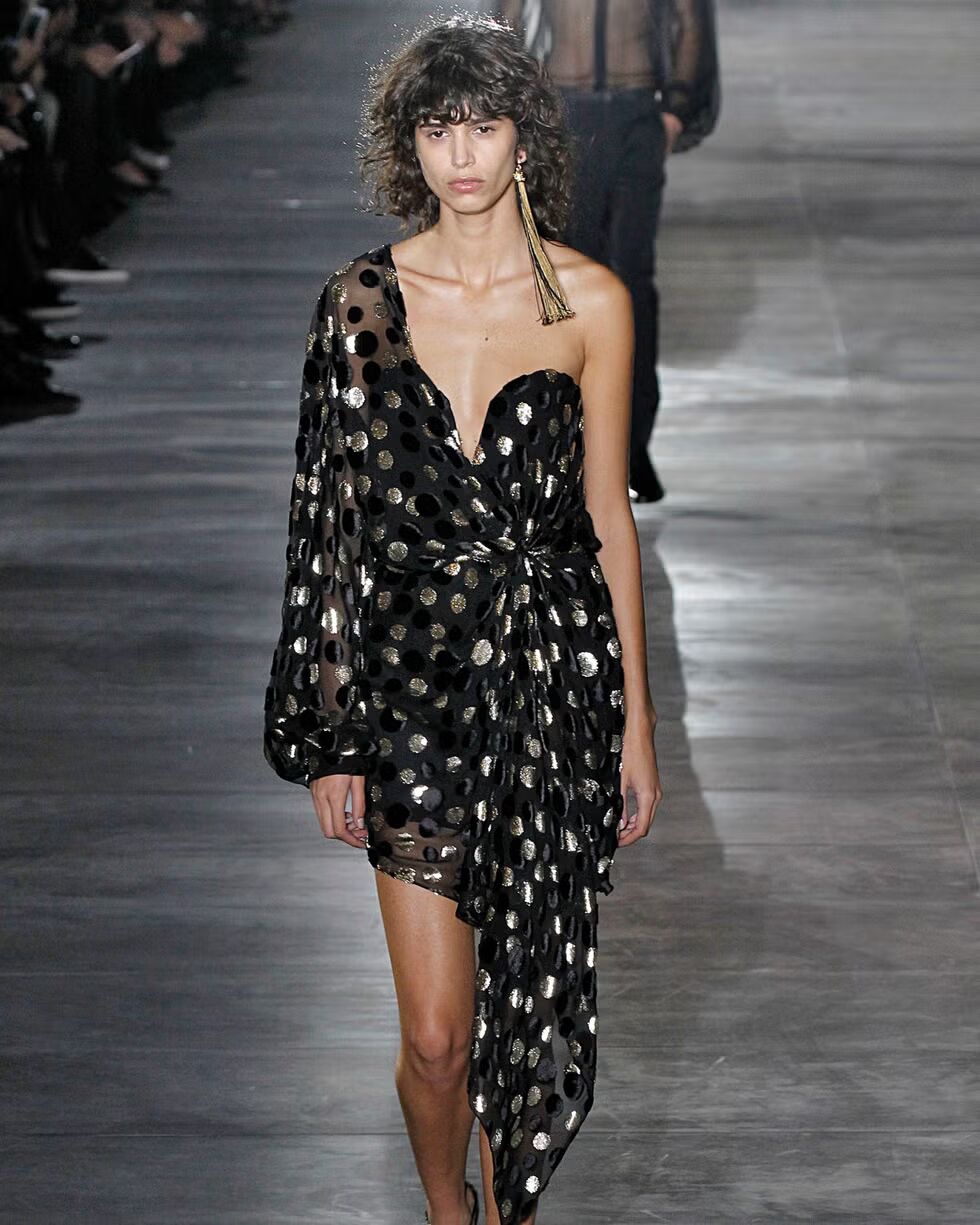
The confirmation of Vaccarello’s exit follows a highly anticipated runway show held in Paris, which served as his swan song. Set against the backdrop of the illuminated Eiffel Tower—a recurring, signature motif throughout his tenure—the presentation was heavy with symbolism. The collection, dominated by shimmering gold hues and structured silhouettes, acted as a visual summary of his work. While the gold-toned garments dominated the runway, the inclusion of select black organza dresses served as a deliberate homage to the 1991 Rive Gauche archives, signaling Vaccarello’s constant dialogue with the brand’s history.
The atmosphere in Paris was thick with rumors, as industry insiders and critics had already begun whispering about a potential change in leadership. By the time the final model walked the runway, the show had evolved from a simple seasonal presentation into a career retrospective. Vaccarello’s ability to weave the brand’s DNA—specifically the androgynous spirit of Le Smoking—into a modern, armor-like silhouette has been the hallmark of his time at the maison.
Chronology of a Creative Journey
Anthony Vaccarello’s path to the pinnacle of luxury fashion was unconventional. Born in Belgium in 1982 to Sicilian parents, his initial academic pursuit was in the field of law. However, his creative instincts led him to La Cambre in Brussels, where he studied sculpture. This background in form and structure would later become evident in the architectural precision of his fashion designs.
Following his graduation in 2006, he gained immediate industry attention by winning the prestigious Grand Prix at the Hyères Fashion Festival. This win served as a launchpad for his career in Rome, where he joined the Fendi design team under the tutelage of Karl Lagerfeld. By 2009, he had returned to his own creative roots, establishing his eponymous label alongside his partner, Arnaud Michaux.
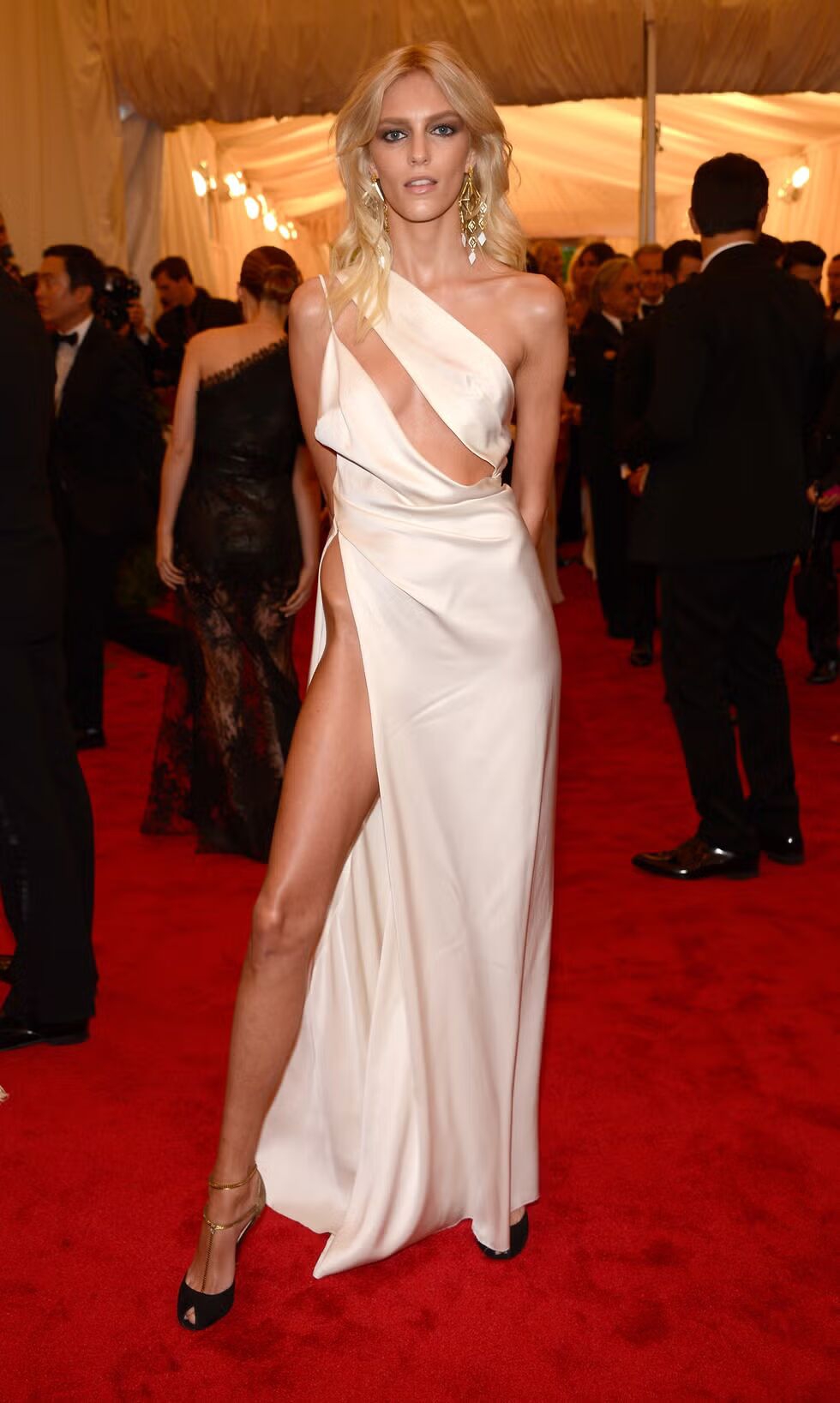
The label became a vehicle for his distinct aesthetic—characterized by high-cut, diagonal silhouettes and a bold exploration of sensuality. His work garnered global recognition, notably when he dressed Anja Rubik for the 2012 Met Gala in a now-iconic gown that defined his early career. His rapid rise continued in 2013 when Donatella Versace tapped him to lead Versus, the diffusion line of the Versace empire. In 2016, following the departure of Hedi Slimane, the Kering group appointed Vaccarello as the creative director of Saint Laurent, tasking him with the challenge of maintaining the brand’s momentum while honoring its founder’s legacy.
The Vaccarello Aesthetic: Power, Precision, and Proportion
When Vaccarello assumed the role at Saint Laurent, the brand was in a state of rapid transition. He was tasked with maintaining the rock-and-roll edge established by his predecessor while reintroducing the refined, bourgeois elegance associated with the house’s origins. He achieved this through a meticulous approach to proportion.
His silhouette was consistent and recognizable: sharp, square shoulders, pencil skirts, and narrow, knife-edge trousers. This "garçon" style, which took inspiration from the tuxedo-clad women of the 1960s, was updated for a contemporary audience. He moved away from the more informal elements of the previous era, opting instead for a sharper, more polished, and highly sexualized version of modern power dressing.
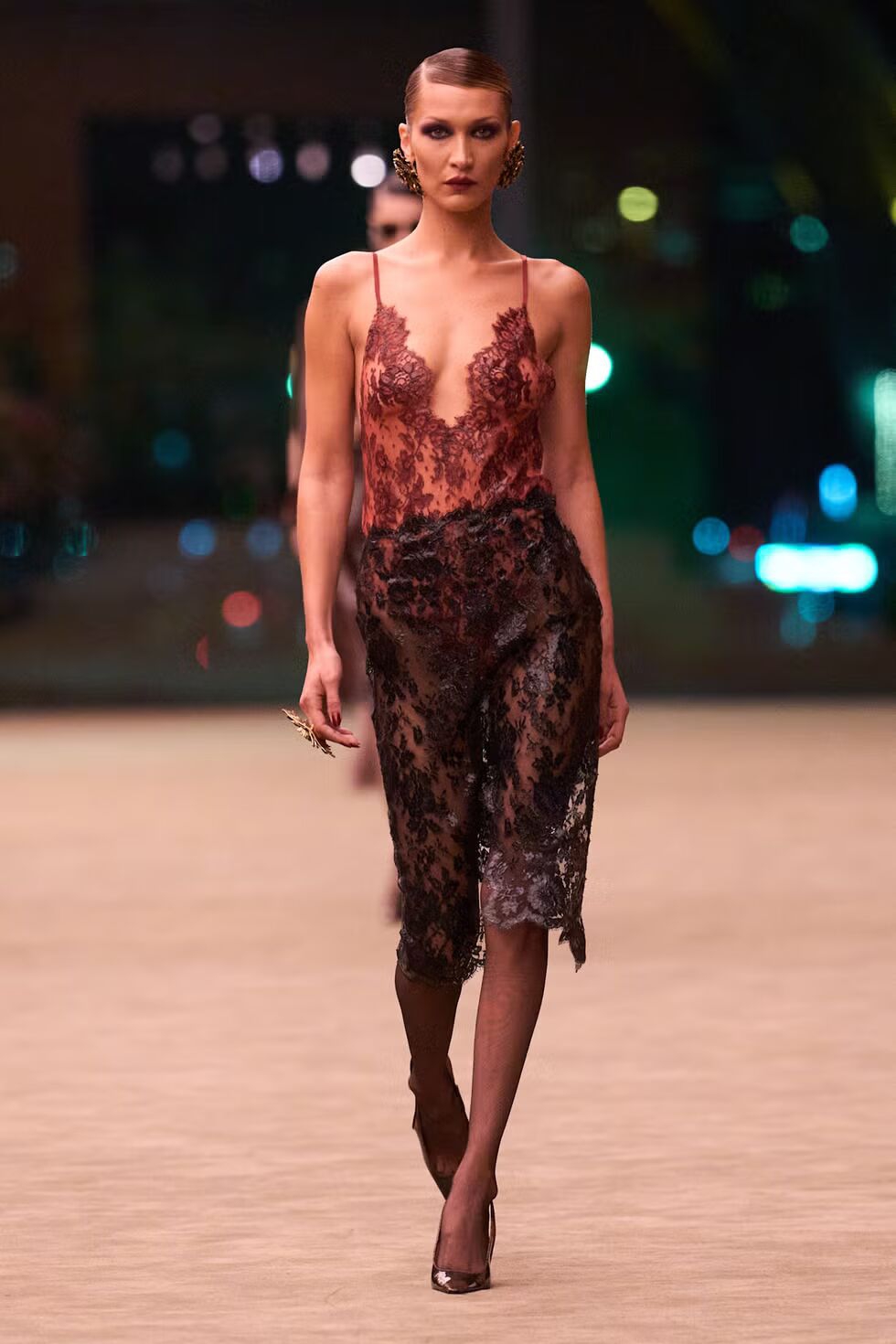
The consistency of his output was a point of praise among critics. In his Fall 2026 collection, for example, he honored the 60th anniversary of the Le Smoking tuxedo by presenting an entire series of dark, tailored suits. Yet, he balanced this traditionalism with experimental materials, utilizing silicone-coated lace and sheer fabrics to challenge the boundaries of conventional evening wear. This exploration of the "exposed" versus the "concealed" became a signature element of his runway shows, reinforcing his reputation for creating clothes that empower the wearer through a display of unadulterated confidence.
Beyond the Runway: Saint Laurent Productions
Vaccarello’s influence at Saint Laurent was not limited to garment design. He was instrumental in expanding the house’s footprint into the world of film and media. In 2023, he established Saint Laurent Productions, a subsidiary dedicated to supporting independent filmmaking. This initiative saw the house act as a producer for various cinematic projects, including the critically acclaimed Emilia Pérez. This move reflected a broader trend in luxury fashion where creative directors function more as "creative curators" or cultural producers, leveraging the brand’s financial resources to influence art and media beyond the atelier.
Institutional Impact and Industry Context
The departure of a creative director of Vaccarello’s stature comes at a turbulent time for the luxury fashion sector. Many heritage brands are currently grappling with the "reset" problem—the difficulty of maintaining consistent sales growth while transitioning between creative visions. During his decade at the house, Saint Laurent enjoyed robust commercial success, consistently performing as one of the strongest pillars within the Kering portfolio.
Industry analysts note that Vaccarello’s success lay in his ability to maintain a "tight" brand image. Unlike houses that pivot wildly between themes, Saint Laurent under Vaccarello remained remarkably focused. This consistency helped build a loyal customer base, characterized by high-net-worth individuals who favored the brand’s reliable, high-octane aesthetic.
Furthermore, his ability to cultivate a "Saint Laurent tribe" was critical to the brand’s marketing strategy. By fostering close relationships with cultural icons such as Hailey Bieber, Zoë Kravitz, Rosé, and Chloë Sevigny, Vaccarello ensured that the brand remained relevant across multiple demographics. These relationships were not merely transactional; they were integral to the visual language of the house, with these ambassadors frequently appearing in both campaigns and as guests at his cinematic, outdoor runway events.
The Future of the Maison
As Saint Laurent enters this period of transition, the industry is closely watching to see who will step into the void. The search for a new creative director is expected to be lengthy, as the brand must decide whether to continue the trajectory established by Vaccarello—a strategy that has proven highly effective—or to pivot toward a new, perhaps more experimental, creative direction.
The departure of Vaccarello signifies more than just a change in personnel; it marks the end of an era defined by the fusion of high-fashion minimalism with a sharp, sculptural edge. His legacy is one of rigorous discipline and a deep, abiding respect for the historical archives of Yves Saint Laurent, which he translated for a generation that values both strength and sensuality in equal measure. While the next chapter for Saint Laurent remains unwritten, the house stands on a solid foundation built over the last ten years, leaving a significant, indelible mark on the landscape of global fashion.