Lina Irawan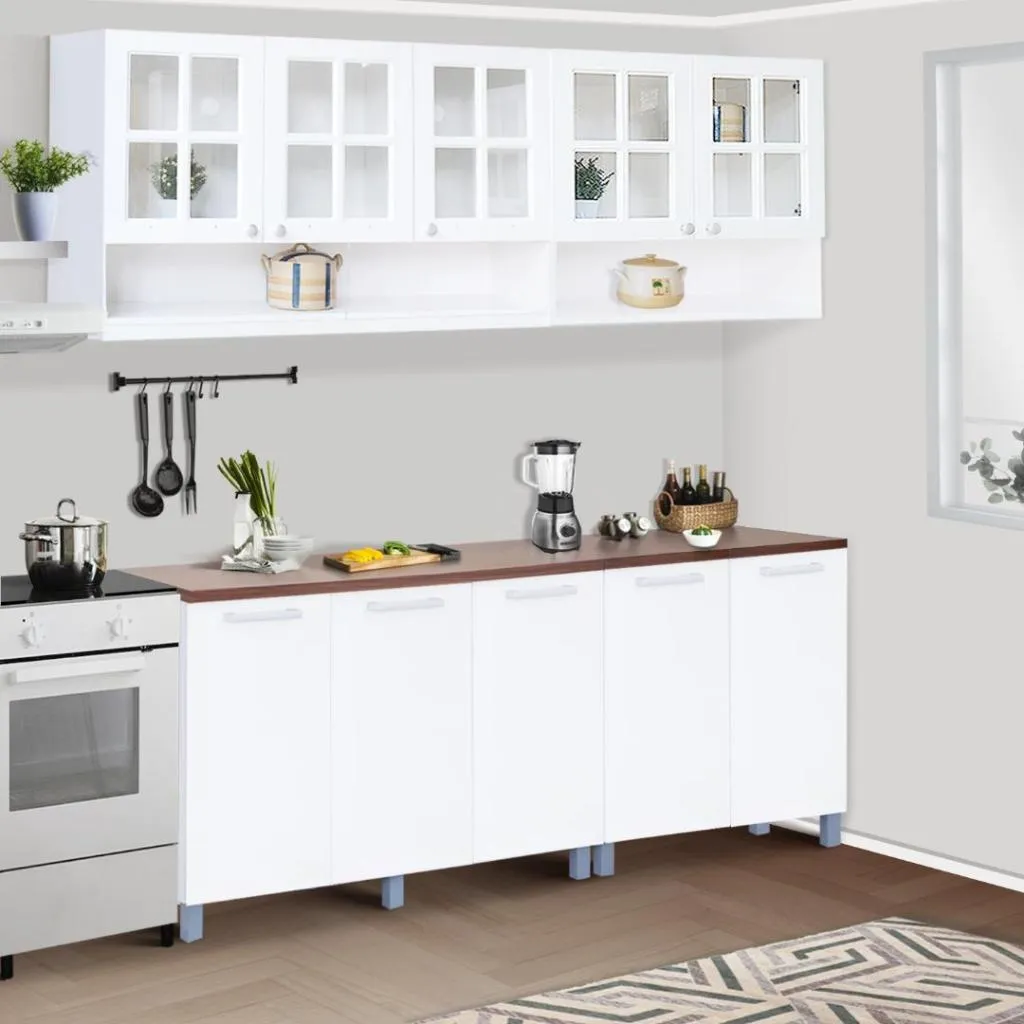
The allure of visually stunning kitchen inspirations found online often proves challenging to translate into the reality of a compact home environment, where every centimeter is a valuable commodity. Prior to delving into aesthetic considerations such as the color palette or HPL (High Pressure Laminate) finishes, the primary focus must invariably be on establishing an efficient and ergonomic workflow. Critical attention should also be paid to the precise sizing and modular division of drawers, ensuring they accommodate cooking utensils and equipment neatly and accessibly. The impact of well-structured drawer modules on daily operational ease far surpasses the superficial appeal of cabinet texture or finish. This strategic emphasis ensures that the kitchen, regardless of its size, remains a highly functional and comfortable heart of the home, a key consideration for modern urban living where space efficiency is at a premium.
The Primacy of Layout Over Pure Aesthetics in Compact Kitchens

A kitchen, fundamentally, is a high-activity workspace demanding considerable physical movement, encompassing tasks like chopping, washing, and sautéing, often performed in quick succession. A visually appealing kitchen that fails functionally—for instance, one where a refrigerator door obstructs cabinet access or where movement is constantly hindered—is ultimately counterproductive. Inefficient layouts lead to increased user fatigue due to unnecessary movement and can create hazardous bottlenecks, particularly in smaller spaces where multiple users might be present simultaneously. The frustration of a poorly laid out kitchen can significantly detract from the joy of cooking and the overall quality of home life.
The foundational principle guiding efficient kitchen design is the "Kitchen Work Triangle," a concept originating from early 20th-century studies of domestic efficiency conducted by the University of Illinois School of Architecture. This principle dictates the optimal spatial relationship between the three primary workstations: the refrigerator (food storage), the sink (preparation and cleaning), and the stove/cooktop (cooking). Maintaining appropriate distances and an unobstructed pathway between these three points ensures safer and more fluid movement. For example, positioning a cooktop too close to the sink carries the inherent risk of water splashing into hot oil, a significant safety concern. Industry standards typically recommend that each leg of the triangle measure between 1.2 meters (4 feet) and 2.7 meters (9 feet), with the sum of all three legs not exceeding 7.9 meters (26 feet). While these exact measurements may need adaptation for kitchens under 9 square meters, the core principle of minimizing steps and maximizing logical flow between key zones remains crucial for operational efficiency and user comfort.
Strategic Layout Selection for Restricted Spaces

Each kitchen floor plan presents unique characteristics, necessitating a customized approach to the minimalist glass kitchen set design. The following layouts are most frequently employed and highly recommended by interior design experts for optimizing functionality in smaller areas:
1. The Single Line (I-Shape) Layout:
This configuration positions all primary kitchen elements—refrigerator, sink, and cooktop—along a single wall. It is an ideal solution for narrow galley kitchens, studio apartments, or open-plan living spaces where a discrete kitchen zone is desired without encroaching on the main living area. By consolidating all functions to one wall, it liberates significant floor space, allowing the opposing wall to remain clear for circulation or to accommodate flexible elements like a fold-down dining table or additional shallow storage. This layout promotes a streamlined aesthetic, often found in minimalist design principles.
The primary design challenge with the single-line layout is the inherent limitation of countertop workspace. To mitigate this, expert designers recommend allocating a continuous counter segment of approximately 60 to 90 centimeters (24 to 36 inches) between the sink and the cooktop. This designated area serves as the main food preparation zone, ensuring adequate space for chopping and staging ingredients. While simple in concept, the success of this layout hinges on precise measurement and thoughtful placement of each appliance to maintain a logical workflow, ensuring that the work triangle, though linear, remains efficient.

2. The L-Shape Layout:
The L-shape design effectively utilizes two intersecting walls, offering a more expansive countertop and storage potential than a single-line configuration. This layout is particularly versatile, allowing for a more natural formation of the Kitchen Work Triangle, with each of the three primary zones (refrigerator, sink, cooktop) typically occupying a different leg of the "L" or one leg and the corner. For instance, the sink and refrigerator can be positioned along the longer wall, with the cooktop on the shorter, perpendicular wall. This arrangement facilitates a more fluid movement pattern, reducing the need for extensive back-and-forth travel and allowing for distinct zones for different tasks.
A common drawback of the L-shape layout is the presence of "blind corners" at the intersection of the two cabinet runs. These deep, often inaccessible spaces can become repositories for seldom-used items or lead to disorganized clutter, effectively wasting valuable storage potential. However, this challenge can be effectively addressed through specialized corner storage solutions, which will be discussed in further detail. The L-shape also provides an opportunity to incorporate a small dining nook or a peninsula if space permits, adding further utility and potentially serving as an informal dining area or additional prep space.
3. The Galley (Double Aisle) Layout:
Characterized by two parallel rows of cabinets and countertops facing each other, the galley layout is renowned for its efficiency and compact footprint. This design creates a highly functional corridor where work zones are clearly delineated: one side can be dedicated to the sink and food preparation, while the opposite side houses the cooktop, oven, and utensil storage. The advantage lies in the minimal movement required, often just a simple pivot, to transition between cooking and cleaning areas, making it highly efficient for a single cook. This layout is a favorite among professional chefs for its direct access to all necessary components.

For optimal functionality and safety, the aisle width between the two cabinet rows in a galley kitchen should ideally measure between 110 and 120 centimeters (43 to 47 inches). This clearance allows for comfortable movement, safe opening of appliance doors (like oven or dishwasher), and allows two people to work without undue obstruction. However, this layout is best avoided if the kitchen serves as a primary thoroughfare or direct passageway to another critical area, such as a back door, as heavy foot traffic can disrupt the workflow and compromise safety. It thrives in spaces where it can be a dedicated culinary zone.
The Unsung Hero: Cabinet Modularity and Efficiency
Beyond the overarching layout, the internal structure and modularity of cabinets play a critical role in the efficiency of a compact kitchen. Each cabinet module must be meticulously measured and designed to accommodate the specific dimensions and types of items it will store, a principle of "storage intelligence."

Base Cabinets (Lower Cabinets):
A fundamental principle for optimizing lower cabinet storage is to prioritize drawers over standard swing doors. Retrieving items from a drawer is significantly more practical and ergonomic, as the contents are fully visible from above, eliminating the need to crouch and rummage through the depths of a cabinet to find items like pots and pans. Studies in kitchen efficiency consistently demonstrate that well-organized drawers can reduce retrieval time by up to 50% compared to traditional shelved cabinets, drastically improving the cooking experience.
To maximize space within base cabinets, a three-tier drawer system is highly recommended:
- Top Drawer: Shallower, ideal for cutlery, cooking utensils, and small, frequently used items such as spatulas and whisks.
- Middle Drawer: Medium depth, suitable for spices, food wraps, smaller pots and pans, or even small food processors.
- Bottom Drawer: Deepest, designed for larger pots, stockpots, mixing bowls, or even small appliances like blenders or stand mixers.
This systematic division ensures that every item has a designated, easily accessible home, mitigating clutter and improving workflow by making everything visible at a glance.
Wall Cabinets (Upper Cabinets):
Extending wall cabinets to the ceiling (ceiling-height) is an often-overlooked yet highly effective strategy for increasing storage capacity by the aforementioned 40%. The typically unused space above standard wall cabinets often accumulates dust and offers no functional benefit. By utilizing this vertical expanse, infrequently used items such as holiday platters, specialized bakeware, or bulk pantry goods can be stored on the highest shelves, reserving eye-level shelves for daily essentials like spices, tea, coffee, and everyday glassware. For enhanced safety and convenience, especially when accessing higher shelves or while cooking, incorporating hydraulic lift-up hinges for upper cabinet doors is advisable, as they open upwards and outwards, preventing accidental head bumps that can occur with traditional swing doors. This design choice also contributes to a cleaner, more integrated aesthetic, aligning with minimalist principles.

Addressing Blind Corners:
For L-shape kitchen users, the blind corner can be transformed from a nuisance into a highly functional storage area with specialized hardware. Installing solutions like "Magic Corner" pull-out units or rotating "Carousel" shelves allows the contents of the deepest parts of the corner cabinet to be effortlessly brought forward with a simple pull of the door. While these specialized fittings represent an additional investment, their contribution to accessibility and overall kitchen organization makes them invaluable in compact spaces, ensuring that even large pots and cumbersome appliances are easily retrieved and stored, thereby maximizing every available inch.
Ergonomic Standards for a Pain-Free Kitchen
The physical dimensions of a kitchen must align with the user’s posture to prevent discomfort and fatigue during prolonged use. Adherence to ergonomic standards is critical for creating a truly functional and comfortable workspace, particularly in a smaller kitchen where movement may be more restricted.
- Countertop Height: The standard and most comfortable countertop height ranges from 85 to 90 centimeters (33 to 35 inches) from the finished floor. This height accommodates the average adult, minimizing bending and reaching during food preparation. Custom adjustments can be made for taller or shorter individuals for optimal comfort.
- Sink Depth: A deep single-bowl sink, ideally 20 to 25 centimeters (8 to 10 inches) deep, provides ample space for washing large pots and pans without excessive splashing, thereby preserving precious countertop space that a double-bowl sink would consume. Deeper sinks also help to conceal dirty dishes, contributing to a tidier aesthetic.
- Overhead Cabinet Clearance: To ensure safe and comfortable access, wall cabinets should be mounted approximately 50 to 60 centimeters (20 to 24 inches) above the countertop. This clearance prevents obstruction while working on the counter and ensures items on lower shelves are within easy reach. Mounting them too low can impede work, while too high makes them impractical for daily use.
- Aisle Width: As previously mentioned, a minimum aisle width of 90 centimeters (35 inches) is essential for single-person kitchens, allowing for easy movement and appliance door opening. For multi-user kitchens or those with heavy traffic, expanding this to 120 centimeters