Tyo Susilo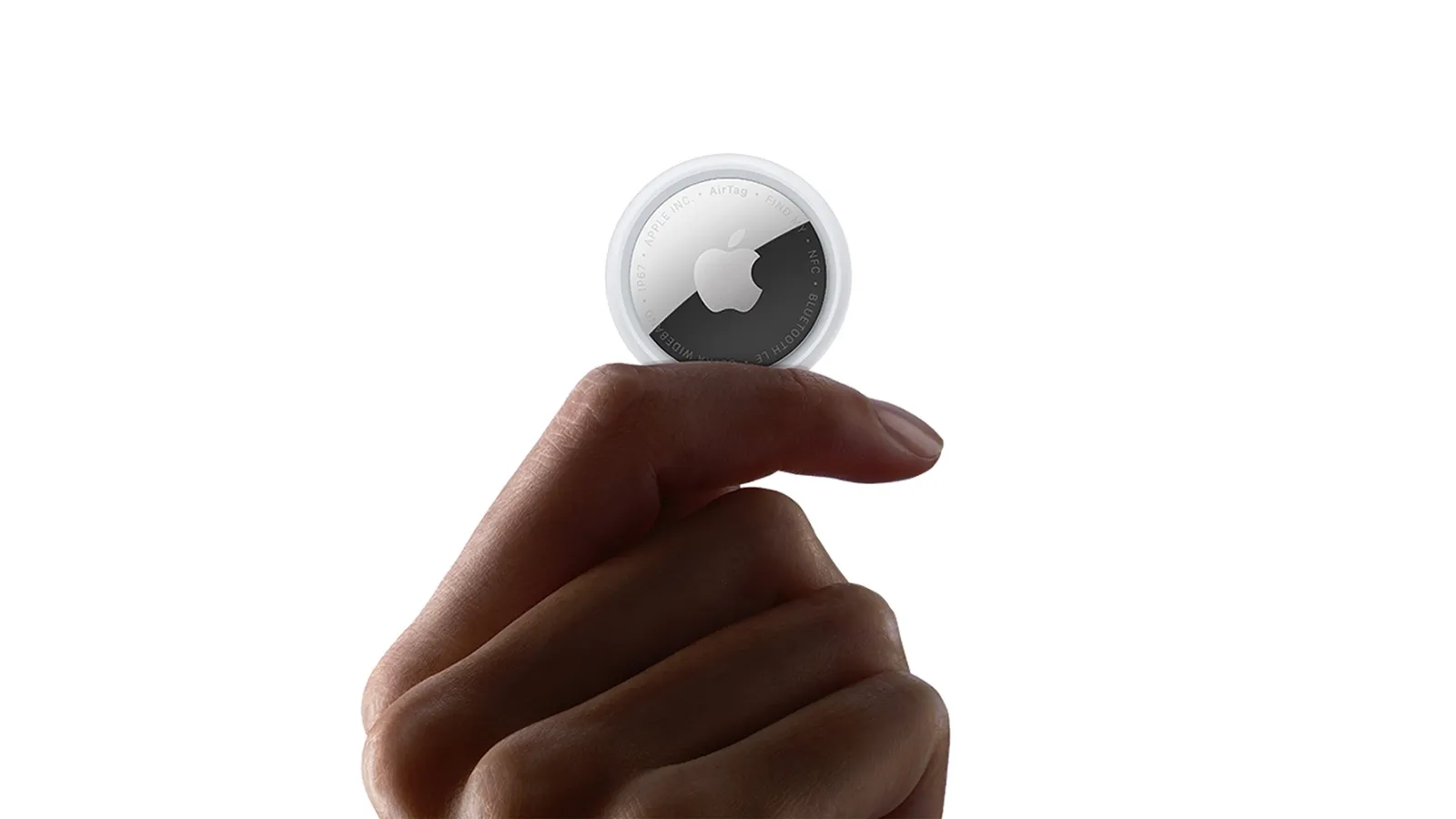
Following its global unveiling in January, Apple’s second-generation AirTag has officially launched in Indonesia, marking a significant expansion of its advanced item tracking technology within the archipelago. The device, designed to help users keep track of personal belongings, is now available through authorized Apple distributors across the nation, signaling a strategic move by the tech giant to cater to the growing demand for such solutions in one of Southeast Asia’s largest markets. The initial pricing structures have also been revealed, offering consumers a clear understanding of the investment required for this latest iteration of personal tracking technology.
The arrival of the AirTag 2 in Indonesia represents a continuation of Apple’s commitment to integrating its ecosystem with practical, everyday utility. Introduced globally earlier this year, the device promised a suite of hardware and software improvements aimed at making the already popular AirTag even more effective. Its availability in Indonesia, a country with a vast and mobile population, suggests Apple’s recognition of the potential market for a device that can alleviate the common frustration of misplaced keys, wallets, or bags.
Enhanced Tracking: Precision Finding Takes Center Stage
At the core of the AirTag 2’s appeal lies its upgraded tracking hardware. The device is now equipped with a second-generation Ultra Wideband (UWB) chip, a key component that powers Apple’s Precision Finding feature. This upgrade is not merely incremental; Apple claims that the new chip delivers a 50% improvement in tracking speed and accuracy compared to its predecessor. This means users can pinpoint the exact location of their AirTag with greater swiftness and confidence, a crucial advantage when dealing with items that might be hidden or in complex environments.
Precision Finding, which utilizes UWB technology, allows compatible iPhones (iPhone 11 and later) to provide directional guidance and distance estimates to the AirTag. This feature transforms the often-frustrating search for lost items into a more intuitive and engaging experience, akin to a digital treasure hunt. The enhanced speed and precision of the AirTag 2’s UWB chip mean that the on-screen indicators and haptic feedback will update more rapidly, guiding users directly to their misplaced belongings with minimal delay. This is particularly beneficial in crowded areas or when searching within a home or office where items can easily become obscured.
Amplified Connectivity and Audio Alerts
Beyond the UWB improvements, the AirTag 2 also incorporates a new version of Bluetooth. This enhancement is designed to extend the device’s connectivity range, allowing it to communicate with the vast Find My network over greater distances. The Find My network, a crowd-sourced system of millions of Apple devices, can anonymously detect and relay the location of an AirTag that is out of the owner’s direct Bluetooth range. A wider Bluetooth range for the AirTag 2 means it has a higher chance of being detected by nearby Apple devices, thereby increasing the likelihood of recovering a lost item even if it’s far from the owner.
Another significant upgrade is the internal speaker, which has been boosted in volume by 50%. This makes the audio alert emitted by the AirTag 2 noticeably louder and easier to hear. When a user initiates a "Play Sound" command through the Find My app, the amplified speaker ensures that the AirTag can be heard even in noisy environments or when it’s partially covered. This audible cue is invaluable for quickly locating items that might be just out of sight, such as a set of keys buried under sofa cushions or a bag tucked away in a corner.
Expanded Sharing Capabilities and Continued Battery Life
Apple has also broadened the functionality of its Share Item Location feature with the AirTag 2. This allows users to securely share the location of their AirTag with trusted individuals. The expanded capabilities mean that users can now share their AirTag’s location with a wider circle of trusted contacts, including, for example, airline personnel. This feature holds particular promise for frequent travelers, enabling them to provide baggage handlers or airline staff with real-time location data of their checked luggage. This could significantly streamline the process of recovering lost or misplaced baggage, offering peace of mind to passengers. The secure sharing mechanism ensures that privacy is maintained, as the owner retains control over who can access the location data.
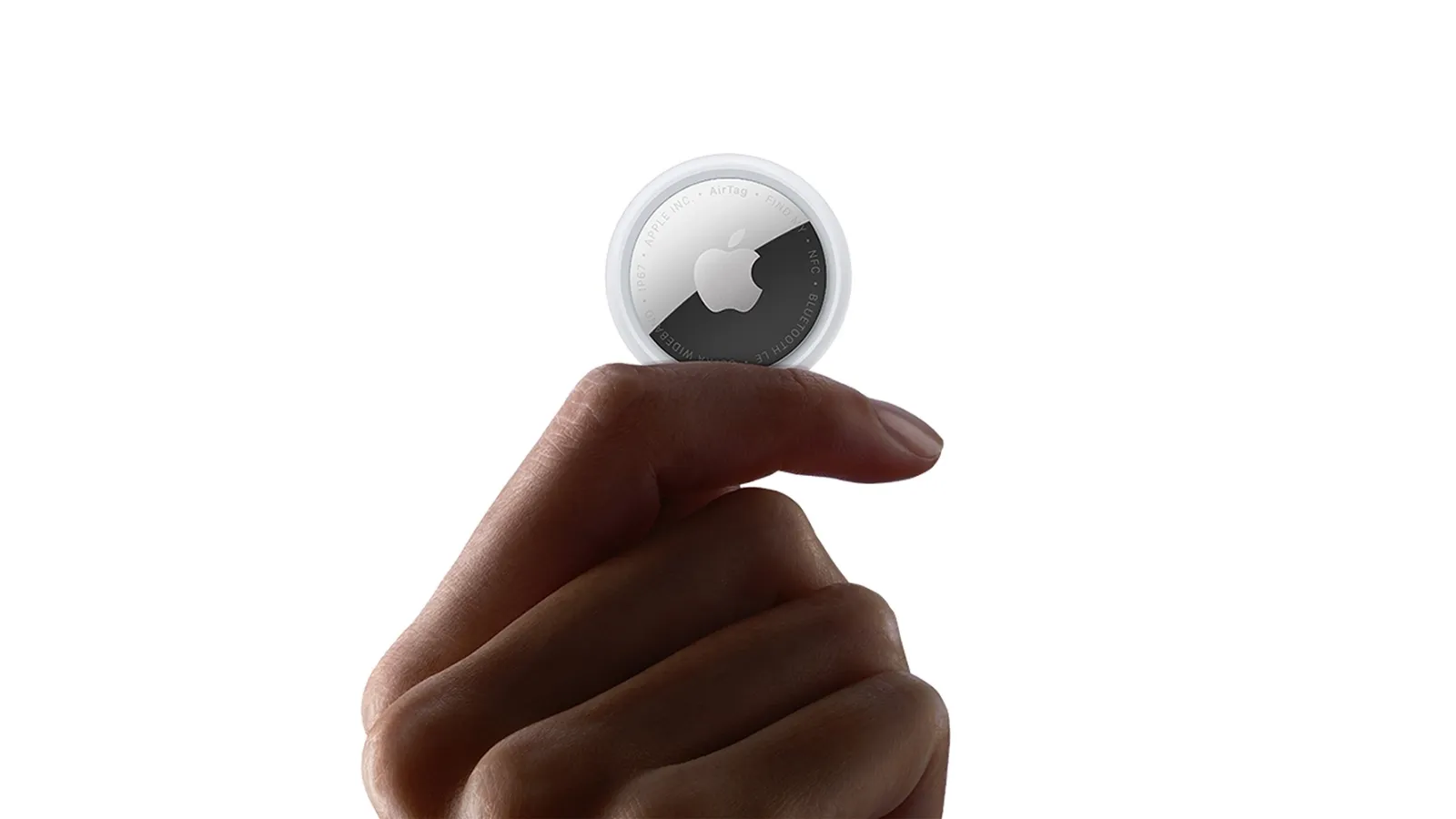
In terms of power, the AirTag 2 continues to utilize the familiar CR2032 coin cell battery, the same as its predecessor. This choice of a user-replaceable battery offers convenience and cost-effectiveness, as owners can easily swap out the battery when it runs low. Apple estimates the battery life to exceed one year, a testament to the device’s power efficiency. This longevity ensures that the AirTag remains a reliable tracking companion without the need for frequent charging or battery replacements. Furthermore, the physical design and dimensions of the AirTag 2 remain consistent with the first generation. This means that existing accessories designed for the original AirTag, such as keychains, holders, and loops, will be fully compatible with the new model, allowing users to seamlessly transition their existing setups.
Pricing and Availability in Indonesia
The Apple AirTag 2 is available for purchase in Indonesia through official Apple distributors. Based on information from authorized retailers like iBox, the single unit price for the AirTag 2 starts at Rp599,000. For those looking to track multiple items or seeking a more economical option, a pack containing four AirTag 2 units is priced at Rp1,799,000. This bulk purchase option offers a reduced per-unit cost compared to buying individually, making it an attractive proposition for families or individuals who wish to tag several belongings.
The introduction of the AirTag 2 into the Indonesian market follows a global rollout that began earlier in the year. This phased release strategy is typical for Apple, allowing for market preparation and distribution logistics to be established. The Indonesian market, with its large population and increasing adoption of smart devices, represents a significant opportunity for Apple to expand its presence in the wearables and accessories segment. The availability of the device through official channels assures consumers of genuine products and access to Apple’s support network.
Broader Implications and Market Context
The arrival of the AirTag 2 in Indonesia underscores a broader trend in the consumer electronics market: the increasing integration of location tracking technology into everyday objects. As digital lives become more intertwined with physical possessions, devices like the AirTag offer a tangible solution to the anxieties associated with loss and misplacement. For Apple, the AirTag 2 further solidifies its ecosystem, encouraging users of iPhones and other Apple devices to remain within the Apple fold by offering a complementary product that enhances their existing experience.
The competitive landscape for item trackers includes offerings from various brands, each with its own set of features and pricing. However, Apple’s AirTag benefits from the extensive reach of its Find My network, which is arguably its strongest differentiator. The network’s ability to leverage millions of active Apple devices worldwide provides a robust and ubiquitous tracking solution that many competitors struggle to match.
The Indonesian market, in particular, presents a unique set of challenges and opportunities. With a diverse geography and a population that is constantly on the move, the utility of a reliable item tracker is amplified. The ability to quickly locate misplaced items can save significant time and stress, contributing to a smoother daily routine for users. Furthermore, the integration of AirTag 2 with airline baggage tracking capabilities could prove to be a game-changer for the travel industry in Indonesia, potentially reducing the incidence and impact of lost luggage.
The official launch of the AirTag 2 in Indonesia is more than just the introduction of a new gadget; it represents Apple’s continued effort to provide practical solutions that enhance the user experience and reinforce the value of its interconnected ecosystem. As the device becomes more widely adopted, its impact on how Indonesians manage and secure their belongings is likely to be significant, offering a blend of advanced technology and everyday convenience. The company’s strategic pricing and availability through established distributors signal a clear intent to capture a substantial share of this emerging market segment within the archipelago.