Eko Sulistyo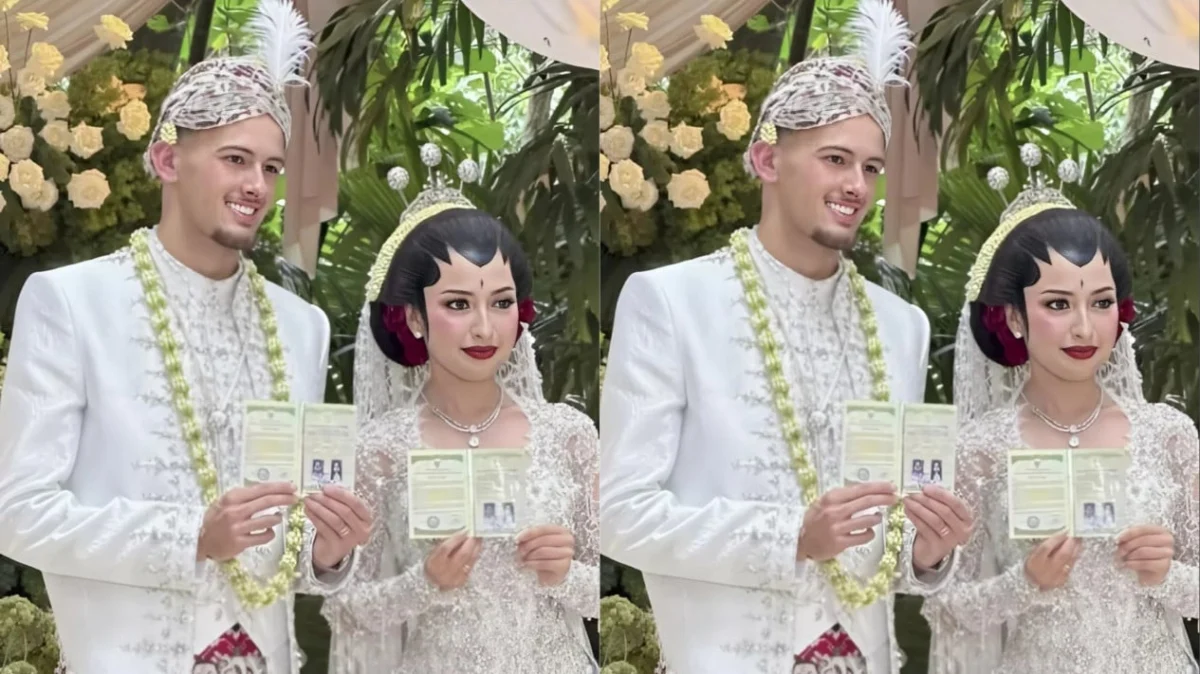
The marriage of prominent Indonesian-Dutch actress Jennifer Coppen and Indonesia National Team footballer Justin Hubner emerged as a defining moment in Southeast Asian entertainment and sports circles in June 2026. Labeled by observers and fans alike as the Wedding of the Year 2026, the four-day extravaganza held in the scenic landscapes of Bali showcased a fusion of cultural tradition, modern luxury, and high-profile social networking. Beyond the aesthetic appeal of the ceremonies, the event has sparked significant public discourse regarding the financial investments required to host a celebration of such magnitude, with the couple recently disclosing the substantial costs involved in their multi-day festivities.
The celebration, which spanned from June 11 to June 14, 2026, was characterized by its meticulous planning and varied conceptual themes. Each day offered a distinct atmosphere, ranging from intimate traditional rituals to grand international receptions. The sheer scale of the event required extensive logistical coordination, involving top-tier vendors from across the Indonesian archipelago and abroad. As images and videos of the event permeated social media platforms, the public’s curiosity shifted from the guest list to the economic realities of such a high-profile union.
Detailed Financial Disclosure and Economic Impact
In a recent social media interaction that quickly went viral, Jennifer Coppen provided a rare glimpse into the financial backend of the wedding. Responding to the mounting speculation regarding the budget, Coppen revealed through a video shared by the Instagram account @roffipiudd that the total expenditure for the four-day event reached approximately $338,000 USD. When converted at current exchange rates, this figure translates to roughly Rp6 billion.
The disclosure was met with a mixture of awe and scrutiny. Coppen herself admitted to the overwhelming nature of the costs, noting that the financial planning phase was a source of significant stress. She remarked that the final tally was high enough to cause "a headache" and jokingly warned followers not to calculate the costs too closely for their own peace of mind. This level of transparency is relatively uncommon in the Indonesian entertainment industry, where specific financial figures are often kept private to maintain an aura of effortless glamour.
Economic analysts suggest that a Rp6 billion price tag for a celebrity wedding in Bali is consistent with the premium services demanded by high-profile clients. A breakdown of such costs typically includes venue exclusivity at five-star resorts, bespoke designer attire for multiple ceremonies, high-security details to manage public interest, and premium catering for hundreds of guests over several days. Furthermore, the logistical costs of flying in international guests and maintaining a high production value for social media documentation add layers of expense that are often invisible to the casual observer.
A Chronological Overview of the Four-Day Celebration
The wedding was structured to honor both the cultural heritage of the couple and their contemporary lifestyles. The timeline of the events reflects a strategic balance between private family moments and public-facing celebrations.
June 11: The Foundation of Tradition
The festivities commenced on June 11 with the Siraman and Pengajian ceremonies. These traditional Javanese and Islamic rituals are deeply rooted in the concept of purification and seeking parental blessings before embarking on a marital journey. Held in a private villa, the atmosphere was described as somber yet beautiful, attended only by the innermost circle of family and friends. This initial phase emphasized the couple’s respect for Indonesian customs, providing a grounded start to an otherwise opulent week.
June 12: The Religious Solemnization
On the second day, the couple held their Akad Nikah (religious marriage ceremony). This event served as the legal and spiritual core of the union. Justin Hubner, who has become a beloved figure in Indonesia not just for his defensive prowess on the football pitch but also for his integration into Indonesian society, participated in the ceremony with visible emotion. The decor for this day was noted for its "elegant white" theme, symbolizing purity and new beginnings.
June 13: The Grand International Reception
The third day marked the peak of the public celebration. Moving away from traditional motifs, the reception adopted an "International Glamour" concept. This event saw the highest concentration of celebrities, athletes, and socialites. The reception featured a tiered cake, live performances from renowned Indonesian artists, and a sophisticated lighting setup that transformed the Balinese coastline into a high-fashion gala venue. It was during this event that the majority of the "Wedding of the Year" content was generated, trending across TikTok and Instagram for over 48 hours.
June 14: The Farewell Brunch and After-Party
The final day was dedicated to a more relaxed atmosphere, allowing the couple to interact more closely with their guests. A farewell brunch followed by a sunset after-party served as the conclusion to the marathon celebration. This day was designed to thank the guests who had traveled from various parts of the world, including Hubner’s colleagues from the European football leagues and the Indonesian National Team.
The Intersection of Sports and Entertainment
The union of Jennifer Coppen and Justin Hubner represents a significant crossover between two of Indonesia’s most influential industries: entertainment and professional sports. Coppen, who rose to fame through her roles in popular soap operas and films, has long been a fixture in the media. Hubner, a naturalized citizen who plays as a center-back for the Indonesia National Team, represents the new era of Indonesian football—one characterized by international experience and a massive, dedicated fan base.
This synergy contributed to the wedding’s massive digital footprint. Marketing experts point out that the "brand power" of a celebrity-athlete couple is immense. The wedding likely served as a platform for various brand placements, though the couple has not officially disclosed the extent of their sponsorships. In modern celebrity culture, such events often involve partnerships with luxury fashion houses, jewelry brands, and hospitality groups, which can offset some costs while providing the vendors with unprecedented media exposure.
Public Reaction and the Question of Funding
Despite the transparency regarding the total cost, the question of "who paid for the wedding" remains a topic of intense discussion among netizens. In Indonesian culture, wedding costs are traditionally shared between families or borne by the groom, but modern celebrity weddings often follow a different model involving personal savings and corporate sponsorships.
To date, neither Coppen nor Hubner has detailed the specific breakdown of who covered the Rp6 billion bill. Public opinion is divided, with some praising the couple for their hard work and ability to afford such a dream wedding, while others debate the ethics of such lavish spending in the current economic climate. However, the prevailing sentiment remains one of support, particularly given Hubner’s status as a national sporting hero and Coppen’s long-standing career in the public eye.
Broader Implications for the Bali Wedding Industry
The Coppen-Hubner wedding is expected to have a positive ripple effect on Bali’s wedding tourism sector. As the island continues to position itself as a premier global destination for luxury weddings, high-profile events like this serve as a massive advertisement for local craftsmanship, hospitality, and event management.
Industry data from the Bali Wedding Association suggests that celebrity weddings of this scale can lead to a 15-20% increase in inquiries for similar luxury packages in the following year. By showcasing the ability of Balinese vendors to execute a complex, four-day, multi-concept event, the Coppen-Hubner nuptials have reinforced Bali’s reputation as a world-class venue.
Conclusion
The marriage of Jennifer Coppen and Justin Hubner was far more than a personal milestone; it was a high-stakes production that merged tradition with modern luxury. By disclosing the Rp6 billion cost, Coppen has provided a sobering look at the price of "perfection" in the social media age. As the couple begins their life together, their wedding remains a benchmark for the Indonesian elite, reflecting the growing intersection of celebrity culture, professional sports, and the luxury tourism economy. While the "headache" of the expenses may linger for the couple, the cultural and media impact of their four days in Bali will likely be remembered for years to come.