Lusiana Hamidun
The subtle allure of butter yellow, a shade reminiscent of the creamy dairy product, has transcended its humble origins to become a dominant force in the fashion landscape, poised to define wardrobes for the upcoming Spring/Summer 2026 season and continue its influential trajectory through Autumn/Winter 2026. This soft, optimistic hue, once a mere whisper in the sartorial conversation, has erupted into a full-blown trend, captivating designers, celebrities, and consumers alike, with its gentle warmth and versatile appeal proving irresistible.
The journey of butter yellow from a niche aesthetic to a mainstream phenomenon is a testament to its enduring charm. While its ascent has been steadily building, 2025 marked a significant inflection point, propelling the color into the spotlight. This resurgence can be partly attributed to high-profile endorsements and a discernible shift in the fashion industry’s collective mood. Timothée Chalamet’s striking appearance at the Oscars that year, clad in a meticulously tailored buttery ensemble from Givenchy, designed by the newly appointed creative director Sarah Burton, served as a powerful menswear debut for the shade. This moment, captured by countless lenses, signaled the color’s elevated status and its potential to redefine formalwear.
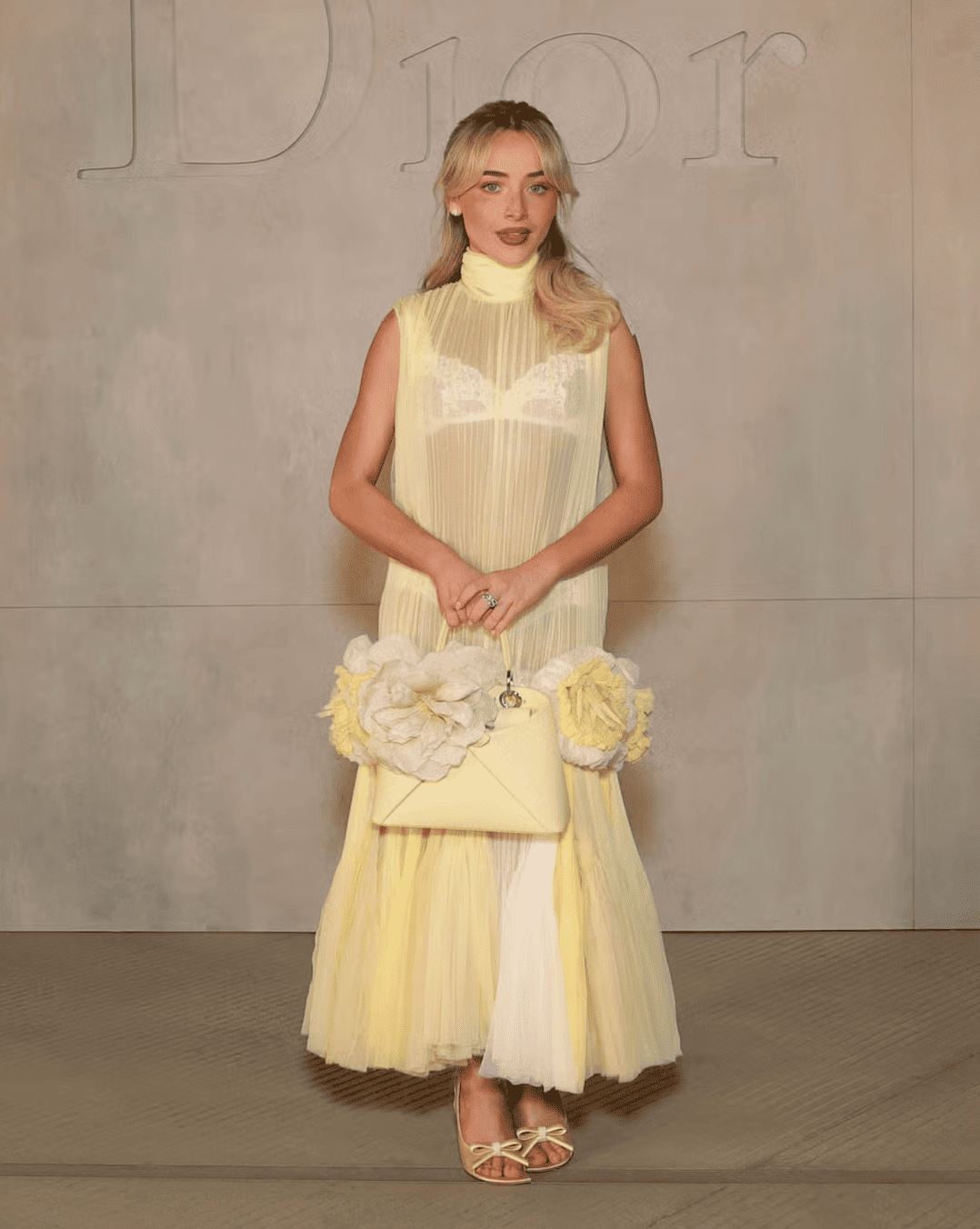
Simultaneously, pop culture embraced butter yellow with open arms. Sabrina Carpenter, a prominent figure in the music scene, repeatedly showcased her affinity for the hue, gracing numerous events in various interpretations of butter yellow garments. Her consistent embrace of the color amplified its visibility among a younger, trend-conscious demographic, further cementing its desirability. The proliferation of butter yellow was not confined to individual style statements; it permeated the very fabric of the fashion industry. Spring/Summer runway collections across major fashion capitals were awash in this delicate shade, with designers recognizing its inherent optimism and its ability to evoke feelings of renewal and lightness, themes often associated with the spring season. Amal Clooney’s elegant appearance in a Balmain gown further amplified the trend’s reach, demonstrating its sophisticated and timeless appeal, suitable for both red carpet moments and more understated elegance.
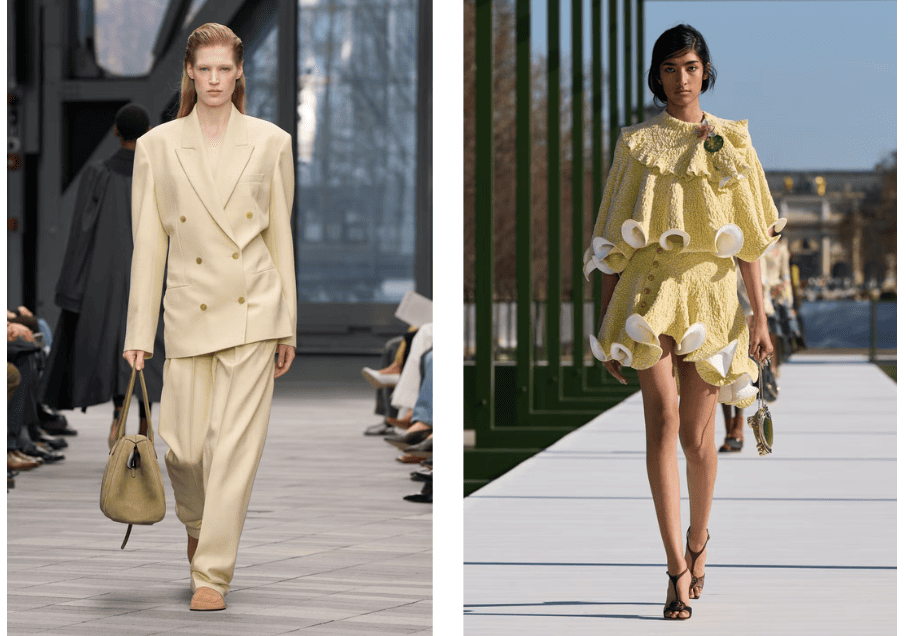
The enduring appeal of butter yellow is underscored by its continued prominence in designer collections for the upcoming seasons. For Spring/Summer 2026, esteemed houses such as Alberta Ferretti, Bottega Veneta, Chanel, Chloé, and Dior have all championed this gentle hue, integrating it into their collections with a variety of silhouettes and fabrications. This widespread adoption by influential brands indicates a strategic design choice rather than a fleeting fad. The color’s ability to translate across diverse aesthetics, from the romantic fluidity of Alberta Ferretti to the minimalist chic of Bottega Veneta and the classic elegance of Chanel, highlights its inherent adaptability.
The influence of butter yellow is not limited to the warmer months. Designers are demonstrating its year-round potential by incorporating it into their Autumn/Winter 2026 collections as well. Brands like Acne, Altuzarra, Burberry, Calvin Klein, Celine, Lemaire, Courrèges, and Louis Vuitton have all subtly woven shades of this pale yellow into their colder-weather offerings. This suggests a strategic understanding of how to layer and style the color to evoke a sense of cozy warmth rather than summery brightness. For instance, a cashmere sweater in butter yellow can provide a much-needed pop of color against a backdrop of darker, more subdued winter tones. This sustained presence across seasonal fashion cycles points to a fundamental shift in color trends, with butter yellow establishing itself as a modern classic.
The visual evidence of butter yellow’s dominance is further amplified by its presence in street style and its significant impact on consumer interest. Google search trends for "butter yellow" have seen a dramatic increase, indicating a growing public fascination and a desire to incorporate the color into their personal wardrobes. This surge in online interest often precedes or accompanies a surge in sales, suggesting a direct correlation between trend visibility and consumer purchasing behavior. The color has even transcended traditional apparel, becoming the most popular choice for manicures this year, a clear indicator of its widespread cultural penetration. This widespread adoption in beauty further solidifies its status as a pervasive trend, influencing choices beyond just clothing.
The phenomenon of butter yellow’s ascent can be contextualized within broader shifts in fashion and consumer psychology. Following periods of global uncertainty, there is often a collective yearning for optimism, comfort, and a sense of gentle escapism. Butter yellow, with its inherent warmth and association with light, happiness, and softness, directly taps into these desires. Its pale, muted tone offers a sophisticated alternative to bolder, more demanding colors, making it approachable and universally flattering.
A Historical Perspective on Color Trends and Consumer Adoption
The fashion industry’s cyclical nature often sees certain colors re-emerge with renewed vigor. The 1970s, referenced in the original piece’s anecdotal opening, were a period of significant sartorial experimentation. While the author’s personal aversion to margarine stemmed from a specific cultural context of "healthy eating" in that era, the visual memory of its pale yellow hue has now been recontextualized as a source of aesthetic inspiration. The decades that followed saw a pendulum swing in color palettes, from the vibrant neons of the 80s to the grunge-inspired muted tones of the 90s, and the more saturated hues of the early 2000s. The current embrace of butter yellow can be seen as a reaction against the visual saturation of previous trends, a move towards understated elegance and a more mindful approach to consumption.
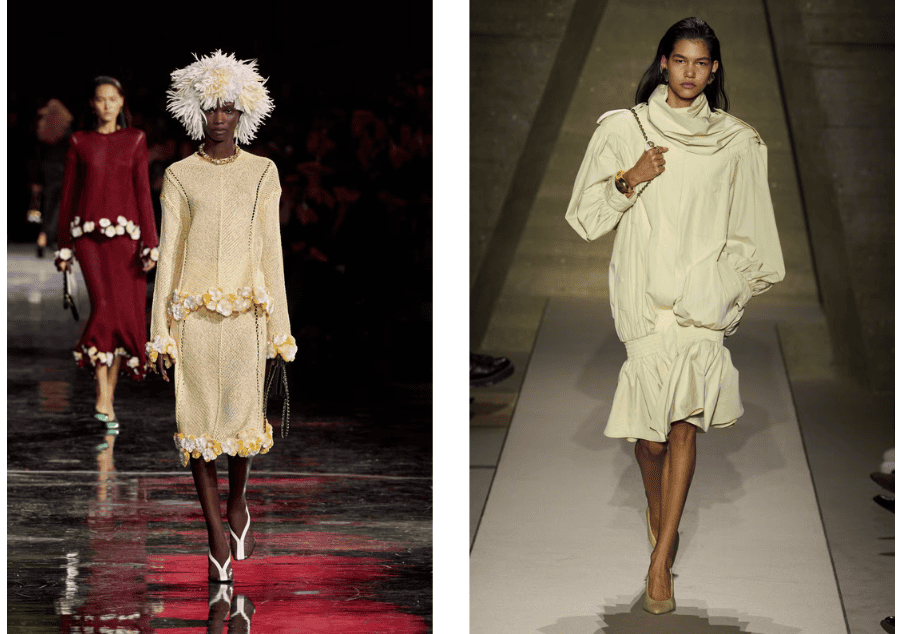
The fashion industry’s runways are a critical barometer for emerging trends, and the consistent appearance of butter yellow across multiple seasons and brands for Spring/Summer 2026 and Autumn/Winter 2026 collections provides robust data supporting its longevity. The fact that designers are not just dabbling but fully investing in the color, showcasing it in diverse applications from flowing dresses to structured outerwear, signals a strategic decision to embed it within their brand identities for the foreseeable future.
The Impact of Celebrity Endorsement and Influencer Culture
The role of celebrities and influencers in shaping fashion trends cannot be overstated. Timothée Chalamet and Sabrina Carpenter, as mentioned, have played pivotal roles in elevating butter yellow’s profile. Their public appearances, amplified through social media and fashion publications, create aspirational touchpoints for consumers. When admired figures are seen embracing a particular color or style, it significantly influences purchasing decisions and broadens the appeal of the trend. The widespread sharing of images from runway shows and celebrity events on platforms like Instagram and TikTok ensures rapid dissemination of style information, making trends more accessible and desirable to a global audience.
Data-Driven Analysis of Trend Longevity
The sustained presence of butter yellow across multiple fashion weeks and its integration into both Spring/Summer and Autumn/Winter collections for 2026 are strong indicators of its potential for longevity. Industry analysts often track the number of designers featuring a particular color and the variety of its applications to predict its staying power. The widespread adoption by high-fashion houses, coupled with its popularity in mass-market retail and beauty trends, suggests a robust market demand. Furthermore, the color’s inherent versatility—its ability to be styled as a statement piece or a subtle accent, its compatibility with various skin tones, and its adaptability to different fabric textures—contributes to its enduring appeal.
Expert Opinions and Industry Reactions
While direct quotes from designers were not provided in the original material, the consistent inclusion of butter yellow in their collections speaks volumes. Industry insiders and fashion critics have widely noted the pervasive presence of this hue. The trend aligns with a broader movement towards "dopamine dressing," where colors are chosen for their ability to evoke positive emotions. Butter yellow, with its inherent warmth and cheerfulness, fits this narrative perfectly. Fashion commentators have lauded the color’s ability to inject a sense of optimism and joy into wardrobes, offering a refreshing departure from more somber palettes. Its ability to be both comforting and uplifting makes it a desirable choice for consumers seeking to express a sense of well-being through their attire.
Broader Implications and Consumer Guidance
The widespread adoption of butter yellow carries broader implications for the fashion industry and consumers alike. For brands, it signifies an opportunity to create cohesive collections that resonate with current trends. For consumers, it presents an accessible entry point into embracing a major fashion movement. The color is remarkably versatile, easily paired with neutrals like white, beige, and grey, as well as with bolder contrasting colors like navy or emerald green for a more daring statement.
For those looking to incorporate butter yellow into their wardrobes, a range of options are available, catering to diverse preferences and budgets. From sophisticated midi dresses and tailored trousers to casual tops and statement accessories, the market is well-stocked.
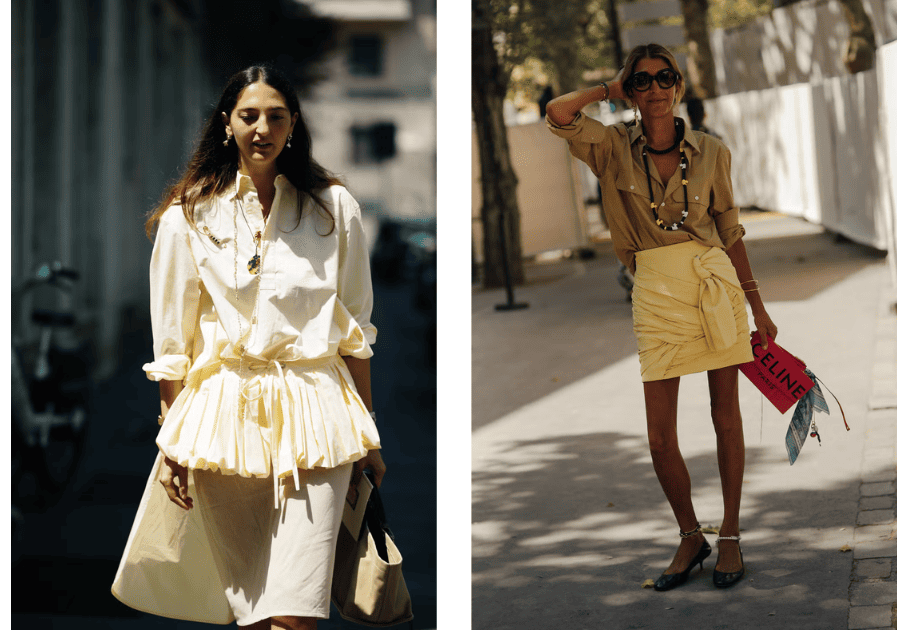
Key Pieces to Consider for Embracing the Butter Yellow Trend:
- Midi Dresses: Brands like Toteme and Déni Quinn offer elegant gathered cotton midi dresses that embody the softness and sophistication of butter yellow. These are perfect for both casual outings and more formal events.
- Tops and Blouses: Ninetypercent’s "Puff Ball Hem top" and M&S’s classic shirts provide versatile options for everyday wear. These can be easily paired with jeans, skirts, or tailored trousers.
- Trousers: Phoebe Philo’s silk cargo pants and Mint Velvet’s wide-leg trousers offer a more fashion-forward approach to the trend. These can be dressed up or down depending on the occasion.
- Skirts: Cos’s "twist-detail midi skirt" presents a contemporary take on the butter yellow trend, ideal for creating chic and stylish ensembles.
- Outerwear: Chloé’s "gathered cotton and linen-blend jacket" offers a lightweight option for transitional weather, embodying the effortless elegance associated with the brand.
The sustained presence of butter yellow in fashion underscores its transformation from a fleeting trend to a staple hue. Its ability to evoke warmth, optimism, and a sense of effortless sophistication ensures its continued relevance and desirability in the fashion landscape for seasons to come. The color’s journey from a personal anecdote to a global phenomenon serves as a compelling narrative of how taste evolves and how even the most understated shades can capture the collective imagination. As consumers navigate the ever-changing world of fashion, butter yellow offers a beacon of gentle positivity and timeless style, a color that is as comforting as it is chic.