Tyo Susilo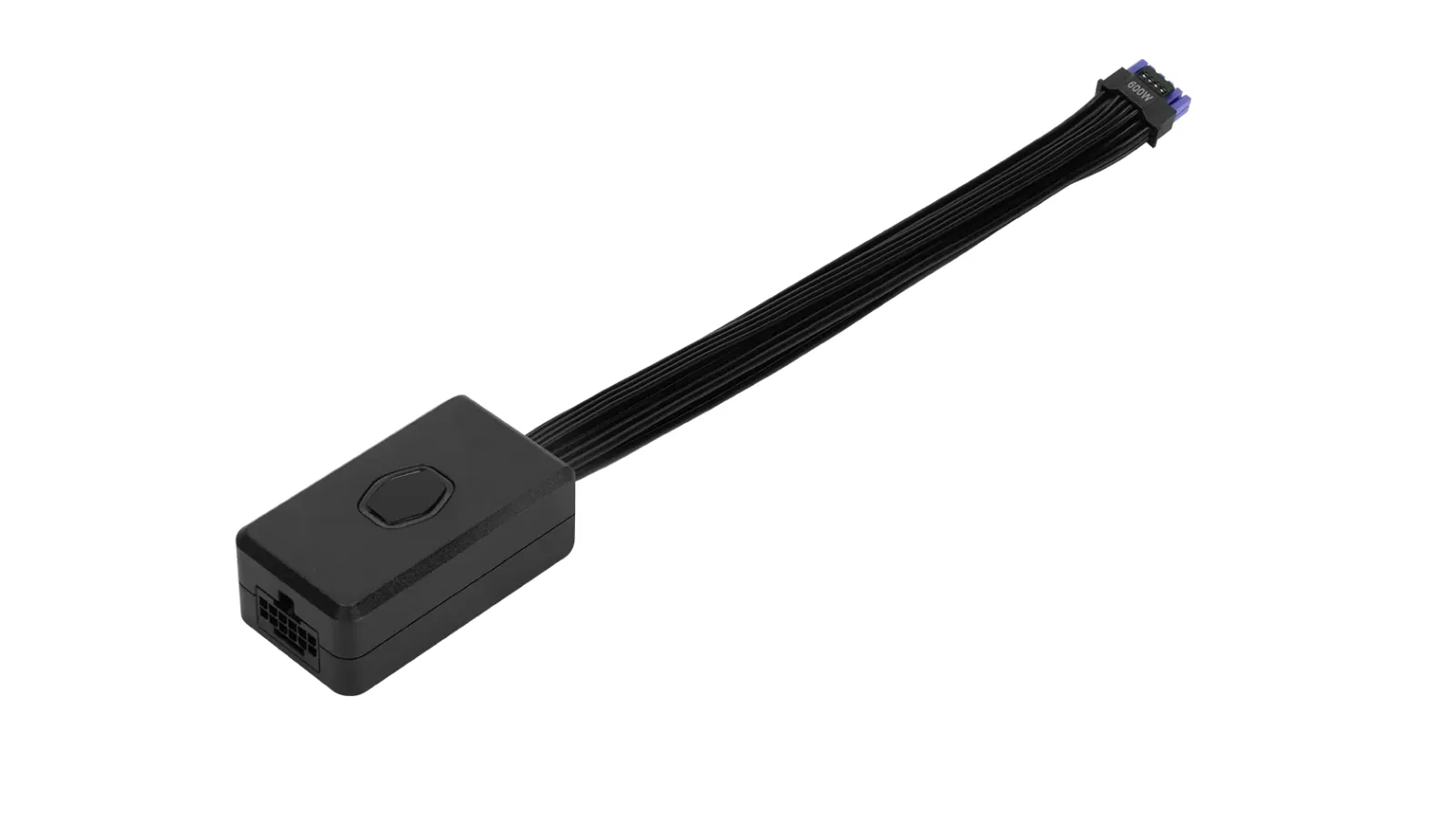
The hardware industry has long grappled with the vulnerabilities surrounding high-density power delivery in modern computing, most notably the thermal and structural issues associated with the 12VHPWR and subsequent 12V-2×6 power connectors utilized by high-end graphics cards. Addressing these widespread consumer anxieties, hardware manufacturer Cooler Master has officially launched the standalone GPU Shield Adapter. Following its initial public introduction at the Consumer Electronics Show (CES), this specialized safety accessory is now rolling out to global markets, starting with the United States and China, priced at an MSRP of $49.99.
Designed to act as an active intermediary between a power supply unit (PSU) and a power-hungry graphics processing unit, the adapter brings enterprise-grade monitoring and automated safety protocols directly to consumer desktop builds. The release represents a significant shift from proprietary, PSU-locked safety features to a universal hardware solution compatible with power supplies from virtually any manufacturer.
Background Context and the Evolution of the 12VHPWR Standard
The inception of the 12VHPWR (16-pin) connector standard was driven by the launch of PCIe Gen 5 architectures and the massive power demands of flagship graphics cards, such as NVIDIA’s RTX 40-series and subsequent high-performance GPU lineups. Capable of delivering up to 600 watts of power through a single, compact interface, the connector revolutionized internal cable management. However, early adoption was marred by high-profile incidents involving melted connectors, thermal degradation, and catastrophic hardware failures.
Investigations by industry analysts, hardware reviewers, and manufacturers revealed that these failures were primarily caused by incomplete seating of the connector, high electrical resistance at the terminal interface, and excessive mechanical bending stress placed on the cables near the GPU shroud. In response, the PCI-SIG and individual hardware vendors introduced the revised 12V-2×6 connector standard, featuring recessed spring-style pins designed to ensure proper electrical contact before power is delivered. Despite these physical improvements, consumer hesitancy remained high, as users sought definitive guarantees that their expensive components would not succumb to thermal runaway.
Cooler Master initially addressed this vulnerability by integrating its proprietary "GPU Shield" technology directly into select high-end power supply models. However, recognizing that millions of PC enthusiasts already owned functional, high-wattage power supplies from alternative brands, the company engineered a standalone adapter version. This allows users of older or competing PSUs to benefit from the same level of circuit protection without requiring a complete power supply upgrade.
Chronology of the GPU Shield Adapter Release

The developmental and commercial timeline of the Cooler Master GPU Shield reflects the industry’s urgency in tackling high-power connector safety:
- Early January: Cooler Master first previews the GPU Shield hardware concept at CES, showcasing its real-time monitoring capabilities and visual status indicators to industry media and attendees.
- Mid-Year: Technical refinements are finalized, focusing on in-line sensor precision, audio alarm integration, and universal PSU compatibility.
- Late September: Official commercial rollout begins in select international markets, including Greater China and the United States.
- Current Status: The standalone adapter hits shelves at an introductory price point of $49.99, backed by a one-year manufacturer warranty, addressing immediate demand among high-end system builders.
Core Technical Features and Mechanism of Action
The Cooler Master GPU Shield Adapter functions as an active, in-line safeguard positioned directly between the power supply’s PCIe 5.0 cable and the graphics card’s 12V-2×6 input port. Rather than relying solely on passive plastic latching mechanisms, the adapter incorporates active electronic monitoring systems designed to intercept potential failures before they result in physical damage.
At the core of its feature set is real-time current and temperature monitoring. The device continuously assesses the electrical load passing through each individual pin of the connector. If anomalous resistance, voltage drops, or thermal spikes are detected—common precursors to melting connectors—the adapter initiates a multi-layered warning and defense sequence.
First, the device utilizes an integrated audio alarm to alert the user of abnormal operating conditions. Simultaneously, it features a built-in microcontroller capable of communicating with the system or modulating power delivery to automatically throttle or reduce power draw. This mitigation strategy helps minimize the risk of catastrophic physical destruction to both the graphics card socket and the power cable terminal.
Furthermore, the adapter addresses human error during installation—a leading cause of historical connector failures. Cooler Master has incorporated physical color-coded indicators directly onto the connector housing. These visual cues ensure that users can immediately verify whether the plug has been inserted completely and flush against the GPU socket, eliminating the partial-connection gaps that lead to electrical arcing.
Designed with a balanced approximately 200mm cable length, the adapter maintains sufficient flexibility to bend within standard and mid-tower chassis configurations without exerting undue mechanical torque on the graphics card terminal.
Pricing, Availability, and Warranty Specifications

Market availability for the Cooler Master GPU Shield Adapter is currently rolling out in phases. Following its initial debut in China, the product is now available to consumers across the United States through major electronics retailers and official distributor channels. The retail price is set at $49.99, translating to roughly IDR 800,000 in regional equivalents, positioning it as a mid-tier investment relative to the cost of replacing a high-end graphics card or power supply.
An important detail noted by hardware analysts following the product launch is the inclusion of a one-year manufacturer warranty. While some consumer advocacy groups and enthusiasts have debated whether a critical safety device should carry a longer warranty period matching high-end power supplies (which often range from 5 to 10 years), the one-year term aligns with standard accessory warranties in the PC DIY market.
Fact-Based Implications for the PC Hardware Ecosystem
The introduction of universal protective accessories like the Cooler Master GPU Shield highlights a maturing aftermarket focused on risk mitigation for enthusiast hardware. As graphics cards continue to push thermal and electrical envelopes, relying solely on baseline industry standards has proven insufficient for risk-averse consumers.
From an economic perspective, spending approximately $50 on a dedicated safety adapter represents a minor insurance policy for users operating high-wattage GPUs valued well over $1,000. It bridges the gap for owners of legacy high-end power supplies who wish to upgrade to modern graphics cards without replacing their entire power delivery infrastructure.
However, industry experts also note potential trade-offs. Introducing an additional connection point in the power delivery chain marginally increases electrical resistance, though engineers have designed the adapter to operate well within safe thermal thresholds. Furthermore, cable management within tighter PC chassis configurations may become slightly more complex due to the extra length introduced by the in-line module.
Ultimately, the commercial reception of the GPU Shield Adapter will serve as a bellwether for consumer demand regarding active safety accessories in desktop computing. If successful, it may prompt other major power supply and accessory manufacturers to develop similar modular monitoring tools, permanently altering how the industry approaches high-current desktop power distribution.