
 Chalifah Fatihah
Travelers have long debated the finest methods for understanding a destination. While some prefer exploring bustling streets on foot or quietly observing the sunset dissolve into the horizon, others seek connection through the universal language of gastronomy. Over a three-day immersion in Canggu, Bali, a deeply rewarding understanding of the coastal enclave emerged not from its renowned surf breaks, but directly from the dining table.
Arrival and the Philosophy of Roomah
The culinary expedition commenced immediately upon arrival at the Holiday Inn Resort Bali Canggu, where the journey began at the resort’s signature dining establishment, Roomah. Stepping into the restaurant, guests are greeted by an atmosphere intentionally curated to strip away the formal stiffness often associated with resort dining.
According to Assistant Manager Marketing Kiki Desio, the restaurant’s moniker is derived directly from the Indonesian word "rumah," meaning home. This nomenclature is not merely symbolic; it drives the operational philosophy of the venue. "We want guests to feel as though they are dining in their own homes, yet with elevated, exceptional presentations," Desio explained.
This ethos materializes through a carefully balanced menu that bridges traditional Indonesian and broader Asian staples with contemporary global techniques. Offering both semi-buffet and à la carte options, Roomah quickly established itself as the primary destination for morning and afternoon culinary evaluations throughout the three-day stay.
The Evolution of Appetizers: From Balinese Rempe to Global Tapas
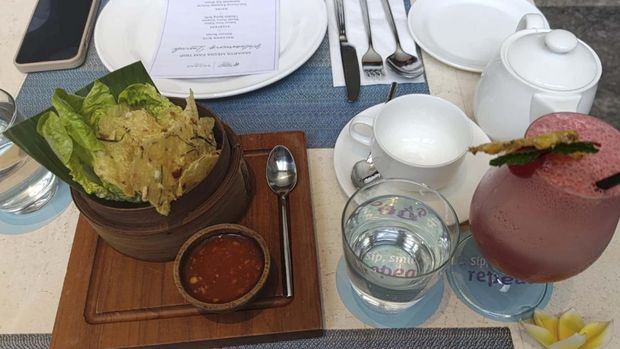
The gastronomic exploration at Roomah initiated with an inventive local starter: Rempe Bali. At first glance, the dish evokes familiarity, bearing visual similarities to traditional peanut rempeyek commonly prepared in local households. However, the contemporary presentation alters the consumption method entirely.
Instead of being eaten standalone, the Balinese cracker is paired with crisp romaine lettuce and accented with a traditional chili sambal. The experiential consumption style closely mirrors the interactive assembly of Korean bulgogi, offering a textural crunch complemented by herbaceous freshness and subtle heat.
Following the initial course, a parade of diverse appetizers occupied the table. Among them was the Sakana Yuzu Nikkei, a dish characterized by a bright, acidic profile harmonizing seamlessly with fresh cuts of fish. This was succeeded by Wasabi Prawn Tempura, which provided a sharp, pungent kick, and Chicken Spring Rolls, notable for their fracture-crisp exterior and savory internal filling.
Transitioning to the main courses, the Nasi Goreng Kampung Nelayan emerged as a standout creation. Each grain of rice achieved uniform absorption of spices and egg, yielding a cohesive savory profile across every bite. The dish was further enriched by an opulent assortment of toppings, including grilled prawns, a delicate fish fillet, crispy chicken strips, and paper-thin slices of egg omelet.
Complementary mains included a nutrient-dense Oxtail Soup (Sop Buntut) featuring a broth rich in aromatic spices, followed by Kung Pao Chicken, which concluded the savory sequence with a balanced sweet-and-spicy profile representative of classic Asian comfort cuisine.
The meal concluded with a pastry department highlight: a Mandarin cheesecake served alongside fresh cuts of mango, dragon fruit, peach, and artisanal chocolate ice cream. The meticulous attention dedicated to ingredient sourcing, plating precision, and cross-cultural flavor synthesis underscored the culinary team’s dedication to elevated hospitality standards.
Elevated Dining: Flavors, Sea Breezes, and Coastal Panoramas
On the second day, the dining experience shifted upward, relocating to the rooftop pool bar situated on the fifth floor of the five-star resort. Designed to deliver an elevated dining experience, the venue capitalizes on its vertical elevation by offering uninterrupted panoramas of Ratu Bolong Beach, accompanied by a constant, cooling coastal breeze.
Sharing the table with fellow travelers, the focus shifted toward a versatile Western-inspired menu. The midday meal commenced with Edamame Cauliflower Fritters, presenting a dual-texture profile defined by a robust exterior crunch and a tender interior consistency.
This was followed by Flying Chicken Hot Louisiana, a dish introducing the intense, cayenne-forward spice profile characteristic of Cajun cuisine. The bold heat offered a sharp, intentional contrast to the preceding mild appetizers.
Continuing the Western repertoire, the table sampled Crispy Prawn Tacos. The dish featured tender, succulent shrimp enveloped in a pliable tortilla, successfully executing a textural balance between crispness and softness. A classic Spaghetti Aglio e Olio rounded out the savory courses with minimalist precision.
To complement the coastal panorama, the beverage selection featured a signature cocktail known as the Watermelon Smash. The drink combined the subtle sweetness of white rum with muddled fresh watermelon, sharp lime juice, and carbonated soda. The resulting profile provided a refreshing conclusion to a relaxed afternoon meal framed by the expansive Indian Ocean.
Introducing New Textures at Sazón
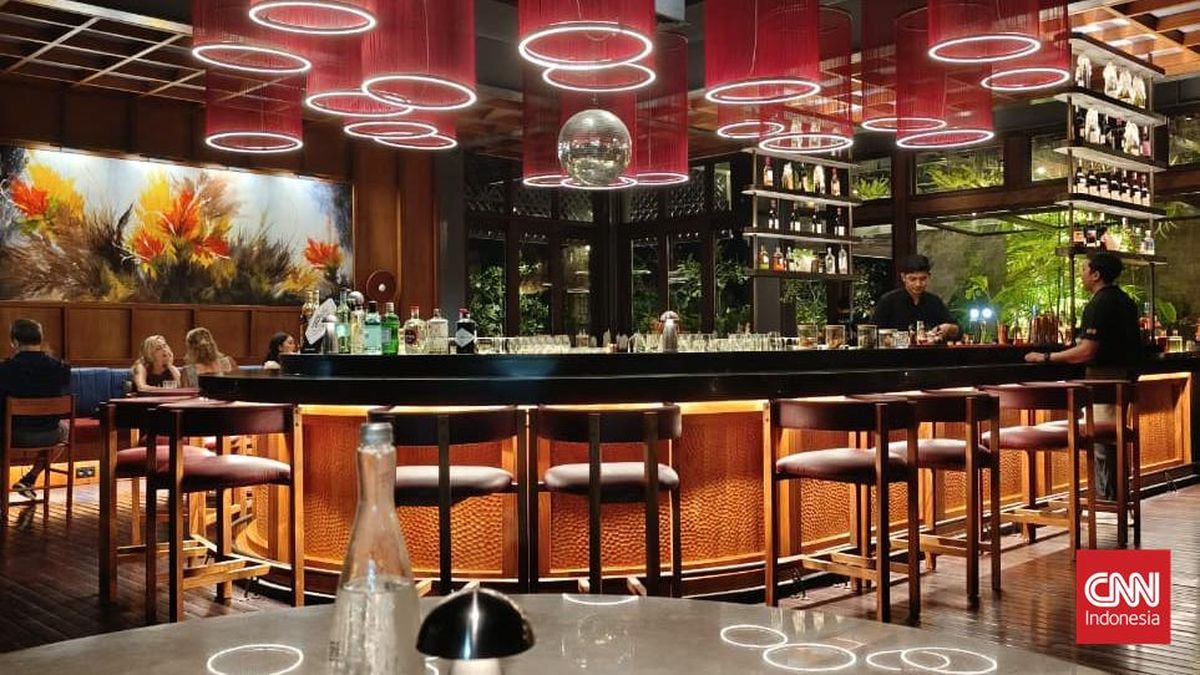
The final phase of the regional culinary immersion transitioned to an evening dinner at Sazón, located within convenient walking distance from the resort. Derived from the Spanish term for "seasoning" or "spice blend," the restaurant’s name hints directly at the kitchen’s methodological focus.
Sazón adopts a Spanish-Mediterranean concept, enveloped in a relaxed, social atmosphere anchored by a central bar that invigorates the space, particularly as evening transitions into night. Management notes that the venue experiences peak vibrancy on Thursday evenings, featuring live DJ performances, roving dancers, and an interactive paella or fried rice presentation prepared live before being paraded directly to guest tables.
Although the visit occurred on a Wednesday evening—preceding the venue’s most active programming—the foundational ambiance and culinary direction offered a compelling glimpse into Canggu’s expanding international dining scene.
Broader Economic and Tourism Implications in Canggu
The rapid evolution of Canggu’s culinary landscape, as evidenced by the diverse offerings at establishments like Roomah, the rooftop pool bar, and Sazón, reflects a broader transformation within Bali’s tourism economy. Once characterized primarily by modest surf camps and local warungs, Canggu has steadily matured into a sophisticated international gastronomic hub.
Industry analysts note that high-end resorts and independent dining venues are increasingly investing in cross-cultural culinary fusions to attract an evolving demographic of global travelers. These visitors increasingly seek authentic local ingredients presented through international culinary techniques.
This trend not only elevates the standard of hospitality across the region but also creates sustainable economic linkages with local agricultural producers, seafood suppliers, and regional artisans. By integrating traditional elements—such as Rempe Bali and regional spice pastes—into upscale menus, properties like the Holiday Inn Resort Bali Canggu contribute to the preservation and global promotion of Indonesian culinary heritage.
Ultimately, the three-day expedition through Canggu confirms that modern travel gastronomy extends far beyond mere sustenance. It serves as an active cultural bridge, translating the geography, climate, and community spirit of a coastal destination into a memorable, multi-sensory narrative.








