
 Azin Asro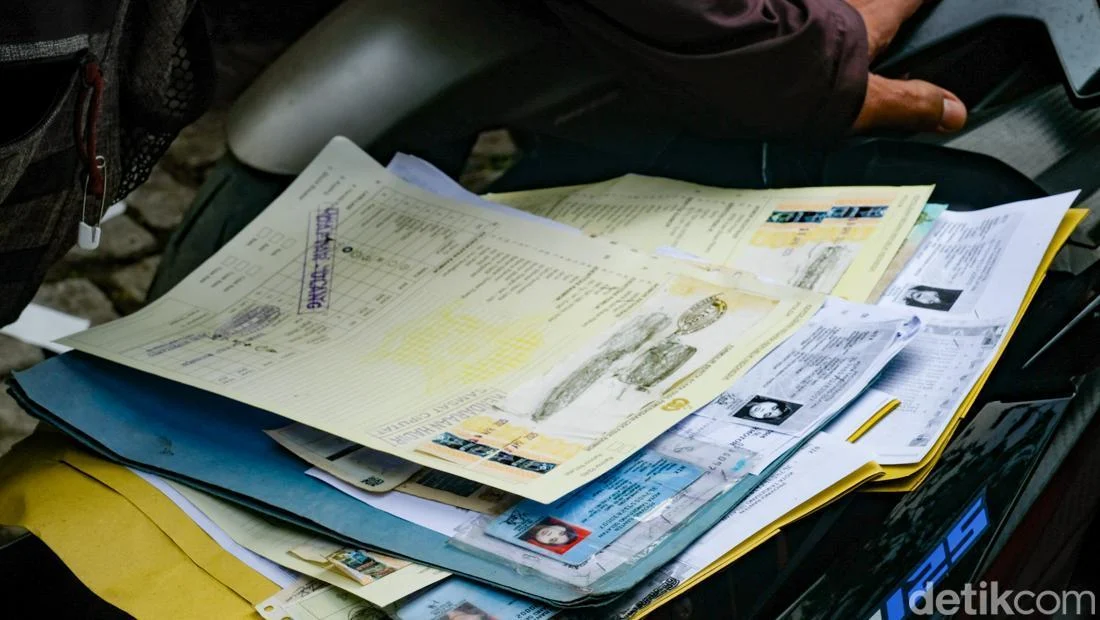
Motorists across several regions of Indonesia are facing a critical deadline as multiple regional governments prepare to conclude their lucrative vehicle tax amnesty initiatives, commonly known as pemutihan pajak kendaraan. Administrative data released by respective regional revenue offices indicates that at least six provinces will officially terminate their ongoing motor vehicle tax relief programs on September 30, 2026. These comprehensive relief policies, designed to alleviate financial burdens on vehicle owners while simultaneously boosting regional tax compliance and updating regional transport databases, offer significant incentives ranging from complete administrative penalty waivers to substantial discounts on principal tax arrears.
With millions of registered vehicles potentially affected across these jurisdictions, regional authorities have intensified public awareness campaigns. Motorists who have long delayed settling their obligations are urged to utilize the remaining window of opportunity before standard, often punitive, tax enforcement measures and administrative penalties are fully reinstated. The impending conclusion of these programs highlights a broader nationwide push by provincial administrations to optimize local revenue generation—known locally as Pendapatan Asli Daerah (PAD)—while encouraging citizens to regularize their vehicle documentation ahead of stricter enforcement involving unregistered vehicles.
Background Context of Vehicle Tax Amnesties in Indonesia
Vehicle tax amnesties have long served as a primary fiscal instrument for provincial governments throughout the Republic of Indonesia to address chronic non-compliance and low vehicle registration renewal rates. In the Indonesian administrative system, motor vehicle taxes (Pajak Kendaraan Bermotor or PKB) and motor vehicle title transfer fees (Bea Balik Nama Kendaraan Bermotor or BBNKB) represent critical components of provincial revenue streams. These funds are directly allocated toward regional infrastructure development, public transportation improvements, road maintenance, and general public services.
However, fluctuating economic conditions, inflation, and administrative hurdles historically contribute to high rates of tax delinquency. Many vehicle owners accumulate years of unpaid dues, often compounded by progressive tax rates, late payment fines, and compulsory contributions for traffic accident funds managed by state-owned insurance firms like Jasa Raharja (SWDKLLJ). When penalties accumulate to amounts that surpass the resale value of older vehicles, owners frequently abandon the registration process entirely, leading to a proliferation of undocumented or unregistered vehicles on public thoroughfares.
To break this cycle of non-compliance, provincial governments periodically introduce tax whitening programs. By forgiving historical administrative penalties, slashing accumulated arrears, and discounting transfer fees, regional administrations lower the financial barrier to compliance. This pragmatic approach incentivizes citizens to return to the formal registry, ultimately providing regional treasuries with a reliable influx of much-needed capital while cleaning up inaccurate motor vehicle registration databases.
Comprehensive Breakdown of the Six Provinces Ending Programs on September 30, 2026
The impending September 30 deadline applies to distinct programs tailored to the specific socioeconomic and fiscal needs of each respective province. A detailed examination of the measures implemented across the six jurisdictions reveals varied approaches to tax relief.
Bengkulu Province
In Bengkulu, the regional administration through the Provincial Revenue Agency (Bapenda) has implemented a robust amnesty framework since May 2026. The policy was structured to provide broad-based relief, encompassing a complete waiver of late payment penalties for motor vehicle taxes, the forgiveness of historical tax arrears, and an attractive 50 percent discount specifically targeted at vehicle owners processing incoming administrative transfers (mutasi masuk) from other provinces. According to official Bapenda communications, these provisions are scheduled to expire definitively on September 30, 2026. Regional fiscal analysts note that Bengkulu’s focus on incoming vehicle transfers aims to capture unrecorded vehicles operating within its territory, ensuring they contribute to local road maintenance funds.
Special Region of Yogyakarta (DI Yogyakarta)
The Special Region of Yogyakarta continues to witness strong participation in its ongoing tax relief initiative, which remains active through the end of September 2026. Yogyakarta’s regional tax policy specifically addresses compounding statutory penalties by granting comprehensive waivers on late payment fines for the motor vehicle tax (PKB), motor vehicle title transfer fees (BBNKB), and the Road Traffic Accident Fund compulsory contribution (SWDKLLJ) for previous fiscal years. Given Yogyakarta’s high density of academic institutions and transient student populations who frequently bring out-of-province vehicles into the region, this amnesty provides crucial administrative relief for vehicle owners struggling to navigate complex inter-regional registration requirements.
South Kalimantan Province
In South Kalimantan, the provincial government has adopted a targeted structural discount model rather than a blanket penalty waiver. The ongoing program provides direct financial relief by cutting the principal motor vehicle tax liability for private motorcycles by 24 percent. Furthermore, the initiative offers a substantial 37.5 percent reduction on the principal motor vehicle title transfer fee (BBNKB). These specific percentage reductions are designed to stimulate secondary market vehicle transactions and encourage timely renewals among working-class families and delivery operators who rely heavily on motorcycles for daily economic sustenance. The policy is legally anchored to regional regulatory frameworks and remains fully accessible to the public until the September 30, 2026 expiration date.
West Nusa Tenggara (NTB) Province
Operating under official gubernatorial regulation (Pergub NTB Nomor 6 Tahun 2026), the Provincial Government of West Nusa Tenggara has implemented sweeping measures to clean up its historical tax registry. The NTB initiative formally eliminates all accumulated late payment penalties associated with motor vehicle taxes. More notably, the policy institutes a complete historical write-off for long-term tax arrears dating from the year 2020 and earlier. This deep forgiveness mechanism acknowledges that efforts to collect taxes older than half a decade often yield diminishing returns while administrative costs mount. By wiping the slate clean for extremely overdue accounts, NTB seeks to transition dormant vehicle files into active, compliant revenue generators starting from the current tax cycle.
Riau Islands (Kepulauan Riau) Province
The Riau Islands province is executing one of the most comprehensive tax amnesty packages in the country ahead of the September 30 cutoff. The regional policy delivers a 100 percent administrative sanction waiver for motor vehicle taxes, a 50 percent reduction on principal tax arrears, complete exemption from transfer fees for second-hand vehicles, and the eradication of past SWDKLLJ penalties. In addition to these core measures, the Riau Islands government introduced a tiered digital incentive structure: taxpayers utilizing digital platforms such as the SIGNAL application or e-Samsat receive an extra 5 percent discount, while those processing payments through physical Samsat service counters are granted an additional 3 percent reduction. This multi-layered approach successfully combines fiscal relief with aggressive promotion of digital public service transformation.
North Sumatra Province
North Sumatra rounds out the list of jurisdictions concluding their initiatives on September 30, 2026. The North Sumatra provincial administration has focused its relief efforts primarily on punitive financial levies, offering substantial reductions of up to 57 percent on accumulated vehicle tax penalties. Given North Sumatra’s expansive geographic footprint and large vehicle population spanning major urban centers like Medan as well as remote rural regencies, the penalty discount has served as a vital tool in mitigating the economic fallout of post-pandemic financial recovery among logistics operators and private vehicle owners alike.
Chronology and Implementation Timeline
The rollout of these 2026 tax whitening programs has followed a carefully coordinated timeline supervised by provincial legislative bodies, regional revenue agencies, and local traffic police directorates (Ditlantas Polda).
Initial proposals for the amnesties typically began taking shape during the first quarter of 2026, as provincial governors evaluated regional budget targets and analyzed data regarding outstanding tax compliance rates. By April and May 2026, formal gubernatorial regulations and regional decrees were enacted, officially launching the programs across the respective provinces.
Throughout June, July, and August 2026, regional revenue offices conducted widespread social media campaigns, established mobile Samsat units, and utilized neighborhood community networks to inform citizens about the impending benefits. The current phase, reaching its climax in September 2026, is characterized by a surge in daily transaction volumes at regional Samsat offices as procrastinating motorists rush to beat the hard administrative deadline. Following the closure on September 30, 2026, regional governments are expected to transition into an audit and evaluation phase to measure the total revenue collected and the percentage increase in active vehicle registration databases.
Official Responses and Institutional Perspectives
Representatives from various regional revenue agencies have consistently emphasized that vehicle tax amnesties should not be viewed merely as temporary discounts, but as strategic administrative resets. Speaking on condition of anonymity regarding specific local ledger forecasts, a regional fiscal coordinator noted that prolonged leniency can inadvertently encourage chronic tax avoidance if not managed carefully. Consequently, provincial governments have repeatedly stressed that the September 30 deadline is absolute and will not be subject to further extensions.
Traffic law enforcement authorities have also weighed in on the broader implications of the amnesty window. Representatives from regional traffic directorates have pointed out that vehicle tax compliance is intrinsically linked to national security and public order. Unregistered vehicles or those operating with expired documentation pose significant challenges in law enforcement scenarios, including traffic accident investigations, criminal tracking, and toll road management. Police departments have signaled that once the September 30 amnesty period concludes, joint operations involving mobile checkpoints (razia gabungan) will intensify nationwide. Motorists caught operating vehicles with lapsed registrations or unpaid taxes will face immediate administrative sanctions, potential impoundment, and the full application of statutory fines without the leniency afforded by the recent amnesty programs.
Broader Impact and Economic Implications
The conclusion of these regional vehicle tax whitening programs carries multifaceted implications for both regional governance and individual vehicle owners. From a macroeconomic perspective, the sudden influx of tax payments realized during the final weeks of September provides provincial treasuries with a crucial mid-term liquidity boost. This revenue enables local governments to meet fiscal obligations, finalize infrastructure projects, and maintain public services without resorting to drastic budgetary cuts.
Conversely, for individual vehicle owners, missing the September 30 deadline means forfeiting significant financial savings. Taxpayers who fail to settle their accounts before the cutoff will revert to standard fee schedules, where accumulated penalties can sometimes equal or exceed the original tax amount. Furthermore, the impending threat of rigorous post-deadline law enforcement creates an urgent compliance imperative.
Ultimately, these tax amnesty initiatives serve as a temporary bridge between administrative enforcement and public welfare. As the September 30, 2026 deadline approaches across Bengkulu, DI Yogyakarta, Kalimantan Selatan, Nusa Tenggara Barat, Kepulauan Riau, and Sumatera Utara, the ball remains firmly in the court of vehicle owners to utilize the remaining hours to regularize their legal standing and avoid the financial and legal repercussions of non-compliance.








