Nila Kartika Wati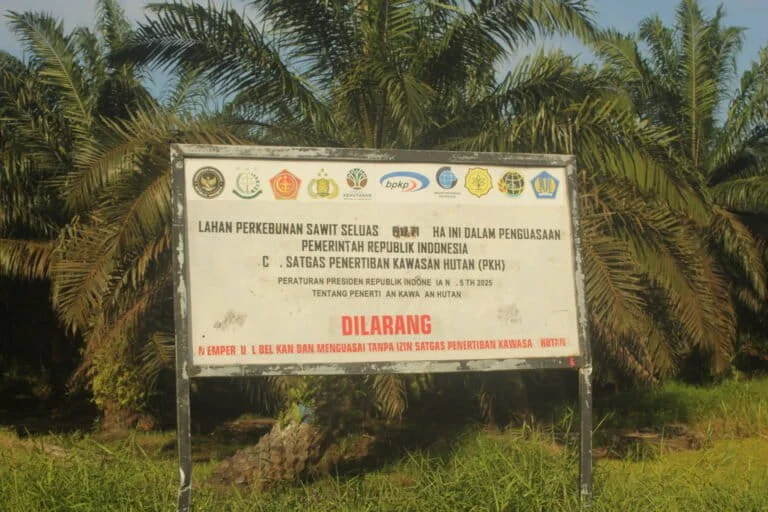
The quiet village of Desa Sukarame Baru in the Kualuh Hulu District of Labuhanbatu Utara, North Sumatra, became the site of a fatal confrontation on June 16, 2025, leaving one man dead and three others severely injured. The incident, involving security personnel from the palm oil company Agrinas Palma Nusantara, has ignited a firestorm of criticism from human rights organizations and civil society groups. These organizations are now calling for a transparent investigation, specifically demanding that the active and retired military personnel involved in the clash be held accountable under the full weight of the law.
The fatality has been identified as 32-year-old Luis David Hutabarat, a local palm oil fruit weigher. The three survivors, who sustained various injuries during the altercation, are Jhoni (28), Doni Romadan (29), and Sutomi (31), all of whom are local farm laborers. The tragedy has cast a spotlight on the increasingly volatile relationship between corporate security forces and local communities in North Sumatra’s lucrative palm oil sector.
A Detailed Chronology of the Fatal Ambush
According to investigative findings released by the Commission for the Disappeared and Victims of Violence (KontraS) North Sumatra, the violence erupted late in the afternoon as the victims were returning from their day’s work. The group had been cleaning a field belonging to Ramlan Nainggolan, who was Luis David Hutabarat’s father-in-law.
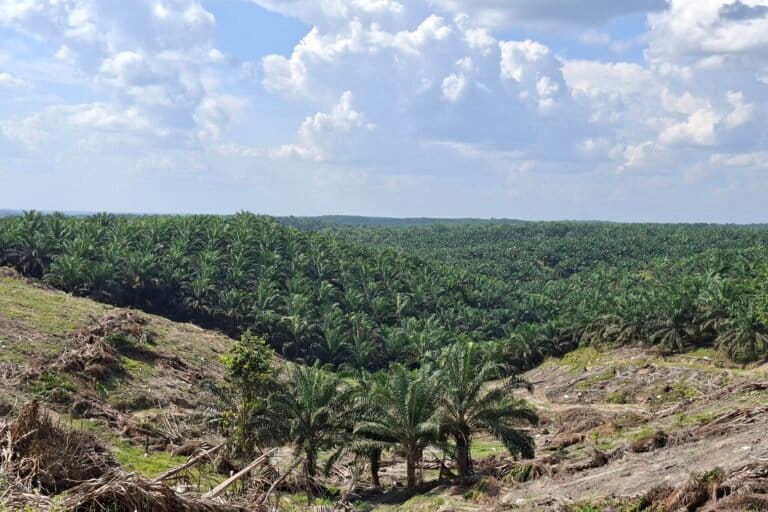
At approximately 4:00 PM, the four men were traveling on motorcycles through the plantation area, specifically near Block K33 Jalur 3, an area currently managed by Agrinas Palma Nusantara. Their path was suddenly blocked by a group of armed men, including security staff and individuals identified as military personnel. Witnesses report that the security detail was armed with machetes and "gancu" (large metal hooks used for moving palm fruit bunches).
A witness account, shared during a press briefing on June 24, described a calculated and aggressive confrontation. The attackers reportedly used their own vehicles to ram the motorcycles carrying the four laborers, causing them to crash. Once the victims were on the ground, the security personnel allegedly began a physical assault, using both their bare hands and the metal hooks to beat Doni and Sutomi.
The situation escalated when Serma Buana Delly, an active member of the Indonesian Army (TNI AD) assigned to Kodam I/Iskandar Muda, allegedly singled out Luis David Hutabarat. Witnesses claim that Buana brandished a machete and shouted death threats at Luis before the group dispersed into the plantation. During the ensuing chaos, Luis became separated from his companions.
Budiono, a retired TNI officer working for Agrinas, reportedly pursued Luis for nearly 200 meters into the brush. Shortly thereafter, Luis was found incapacitated. A particularly harrowing detail provided by the advocacy team suggests that Serma Buana was seen stepping on the neck of the fallen Luis, mockingly accusing him of faking his condition. Luis David Hutabarat was later found dead at the scene by his family; his body showed signs of extreme physical distress, including his tongue protruding, a common sign of strangulation or severe neck trauma.
Legal Advocacy and the Push for Murder Charges
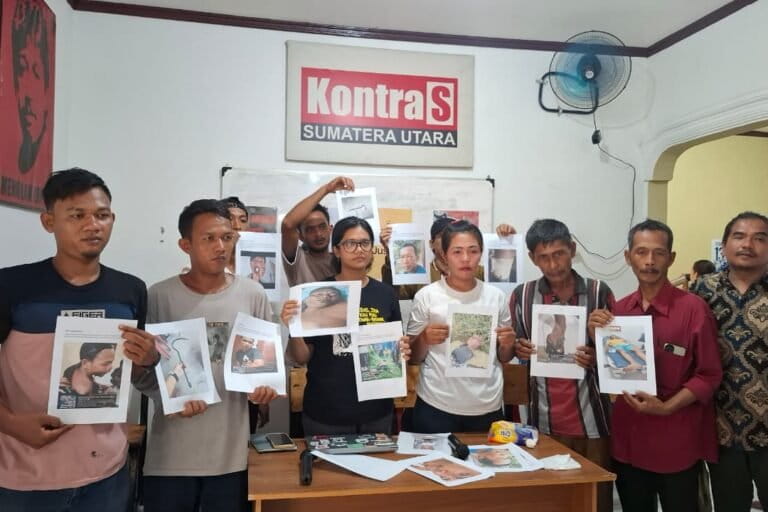
The People’s Advocacy Team Against Impunity (ARMI), a coalition including KontraS North Sumatra, the Legal Aid Institute (LBH) Medan, Bakumsu, and several student organizations, has taken a firm stance on the legal classification of the crime. During a series of statements made between June 23 and June 25, the coalition argued that the evidence points toward a premeditated act rather than a spontaneous physical clash.
Surya Dayan of Huta Keadilan Associates emphasized that the elements of the crime suggest a planned operation. The use of an ambush, the presence of lethal weapons, the documented verbal threats made prior to the killing, and the specific nature of the fatal injury (pressure to the neck) align with the criteria for premeditated murder.
"We are urging the police to look beyond simple assault charges," Dayan stated. "The chronology—the pursuit, the weapons, and the targeted pressure on the victim’s neck—demonstrates intent. This should be prosecuted under Article 459 of the Criminal Code (KUHP) regarding premeditated murder, rather than the lesser charges of Article 458 or 262."
The advocacy team also highlighted a disturbing pattern of behavior by Agrinas Palma Nusantara. Since the company began its operations in the region in October 2025, ARMI has documented at least 16 separate incidents of violence or intimidation against local residents. The coalition claims that the company frequently uses the pretext of "preventing palm fruit theft" to justify aggressive security measures. However, in the case of Luis and his colleagues, investigators found that the men were not carrying any palm fruit at the time of the attack, undermining the company’s potential defense of "securing assets."
Official Investigations: Police and Military Responses
In the wake of the public outcry, local authorities have moved to address the incident. On June 20, the Chief of the Labuhanbatu Utara Police, AKBP Wahyu Endrajaya, confirmed that the case had moved into an intensive investigation phase. An autopsy conducted at the RSUD Rantauprapat Hospital confirmed the cause of death as asphyxiation resulting from external pressure applied to the neck.
As of late June, the police have named three civilian suspects: Budi, Ilham Fajar, and Koi Musda Harianja. Budi is currently considered the primary suspect in the physical assault that led to the death, while the other two are being held for their roles in the collective violence. AKBP Wahyu noted that the investigation is a multi-sectoral effort intended to ensure that justice is served while maintaining stability in the plantation region.
The involvement of military personnel has added a layer of jurisdictional complexity to the case. Letkol Hanung Kaptiaji, representing the local military command (Kodim 0209/Labuhanbatu), clarified that Budiono had officially retired from the TNI AD as of April 1, 2026. Consequently, Budiono will be processed through the civilian criminal justice system.
However, the case of Serma Buana Delly, the active-duty soldier, remains under the jurisdiction of the Military Police. Captain CPM Rudi FP Simorangkir of Subdenpom I/1-2 Rantauprapat stated that his office is currently examining key witnesses, including the surviving victims, to build a case against the soldier. The Military Police are investigating the allegations of assault and the specific role Buana played in the events leading to Luis’s death.
Corporate Defense and Land Management Context
Agrinas Palma Nusantara has characterized the event as a "regrettable accident." Soekarnoto, the Regional Head for North Sumatra and Aceh at Agrinas, expressed his condolences in a statement to the media on June 26, while also defending the company’s general practices.
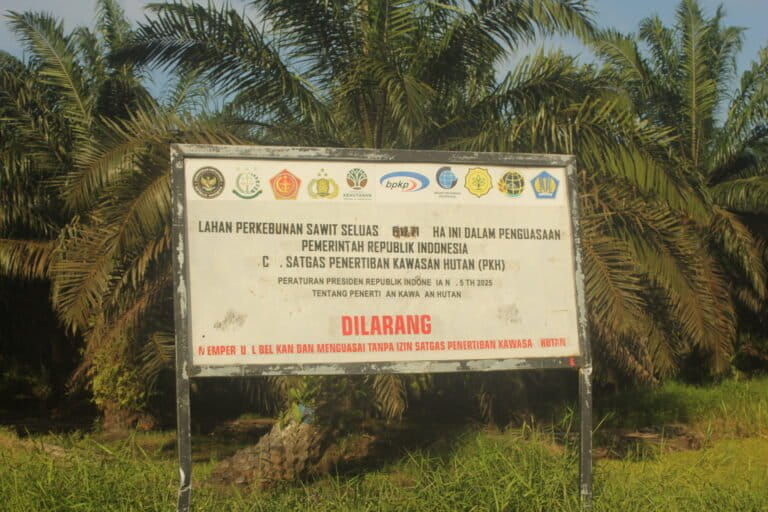
He confirmed that the individuals detained by the police and military were indeed part of the company’s security staff, which includes a mix of civilians, retired military, and active-duty personnel. Soekarnoto emphasized that the company never issued orders to use violence and that their security mandate is strictly to protect "state assets"—referring to the plantation land which is managed under the supervision of the Forestry Area Control Task Force (Satgas PKH).
"We deeply regret this incident and will conduct a thorough internal evaluation," Soekarnoto said. He argued that the company has tried to integrate with the local community by employing over 200 local residents as harvesters and security guards. He also cited significant losses due to large-scale theft, claiming that some parties have stolen up to three truckloads of palm fruit at a time, necessitating a security presence.
Despite these claims of community integration, the transition of land management from PT Grahadura Leidong Prima to Agrinas has been fraught with tension. Human rights groups argue that the "persuasive methods" mentioned by the company are often a facade for intimidation. Dinda Zahra Noviyanti of KontraS Sumut noted that since the management change, at least 15 residents have reported injuries. Some victims even alleged they were coerced into signing statements claiming their injuries were the result of accidents rather than security-led violence.
Broader Implications and the Demand for Reform
The tragedy in Sukarame Baru is reflective of a larger, systemic issue in Indonesia: the militarization of land and resource management. The presence of active-duty soldiers serving as security for private or state-linked corporations often leads to a "culture of impunity," where military personnel feel shielded from civilian legal consequences.
ARMI and other advocacy groups are making several specific demands to prevent future tragedies:
- Civilian Trials for Military Personnel: There is a strong push to have the TNI personnel involved tried in a general court rather than a military tribunal to ensure transparency and public accountability.
- Permit Evaluation: Civil society groups are calling for the government to re-evaluate or revoke the land management permits of PT Agrinas Palma Nusantara in light of the repeated reports of human rights violations.
- Witness Protection: Given the history of alleged coercion, there are urgent calls for the Witness and Victim Protection Agency (LPSK) to provide security for the survivors and the family of Luis David Hutabarat.
- End to Criminalization: Advocates demand an end to the practice of labeling local farmers as "thieves" as a blanket justification for the use of force.
As the investigation continues, the eyes of the nation are on Labuhanbatu Utara. The outcome of this case will serve as a significant indicator of whether the Indonesian legal system can hold powerful corporate and military interests accountable for the lives of marginalized citizens. For the family of Luis David Hutabarat, the goal remains simple: a swift and honest legal process that acknowledges the reality of what happened in the Block K33 plantation on that June afternoon.