Chalifah Fatihah
Denver International Airport (DIA) has announced a groundbreaking initiative to open a section of its notoriously mysterious underground tunnel system to the public, a move that promises to either demystify or further ignite the myriad conspiracy theories that have surrounded the airport for decades. The ambitious plan, part of the airport’s "Vision 100" expansion, aims to transform a portion of the former underground baggage system into a modern pedestrian walkway connecting Concourses A, B, and C. This will offer travelers an alternative route to the existing automated underground train system, a feature that has been a hallmark of DIA since its inception.
The revelation comes from DIA management, who have long grappled with the airport’s peculiar reputation. Denver Mayor Mike Johnston acknowledged the "odd" and almost mythical aura associated with DIA during the project’s unveiling. "Perhaps along the way, travelers will get a closer look at these underground tunnels and decide for themselves what is fact and what is fiction," Johnston stated in an official press release, as reported by Fox News. This statement subtly acknowledges the persistent public fascination with the subterranean network, which has been the subject of speculation ranging from secret New World Order bunkers to reptilian humanoids.
A History of Mystery and Speculation
DIA, which officially opened its doors in 1995, has been a fertile ground for conspiracy theorists since its very beginning. The initial launch was plagued by significant delays, reportedly over a year late, and substantial budget overruns, costing billions of dollars more than initially projected. These early challenges, coupled with the airport’s vast size and unconventional design elements, laid the groundwork for wild theories to take root.
The underground baggage system, a sophisticated but ultimately flawed network, was intended to revolutionize baggage handling. However, it proved to be unreliable and ultimately abandoned in favor of a more conventional system. The extensive tunnels, built to house this system, remained largely unused and unseen, fueling speculation about their true purpose.
Theories That Have Shaped DIA’s Narrative
Over the years, numerous conspiracy theories have coalesced around the Denver airport’s underbelly:
- New World Order Bunker: Perhaps the most pervasive theory posits that the tunnels are part of a vast underground network designed as a secret headquarters for the New World Order, a clandestine global elite. Some believe it’s intended as a survival bunker for these elites in the event of a global catastrophe. Evidence cited often includes murals within the airport and unusual design elements.
- Reptilian Colony: Another popular theory suggests that the tunnels house a colony of "Lizard People" or reptilian humanoids who secretly control the airport’s operations and, by extension, global events. This theory often links to ancient myths and a belief in shapeshifting beings.
- Underground Military Facility: A more grounded, yet still speculative, theory suggests the tunnels are connected to secret underground military bases, providing covert transportation or operational capabilities for the U.S. government.
- Freemason and Illuminati Connections: The airport’s construction and design have also been linked to Freemasonry and the Illuminati, with symbols and inscriptions within the airport interpreted as hidden messages or markers of their influence.
These theories, while lacking factual basis, have become deeply ingrained in the public perception of DIA, transforming it into an icon of conspiracy culture.
The "Vision 100" Expansion and the Tunnel Project
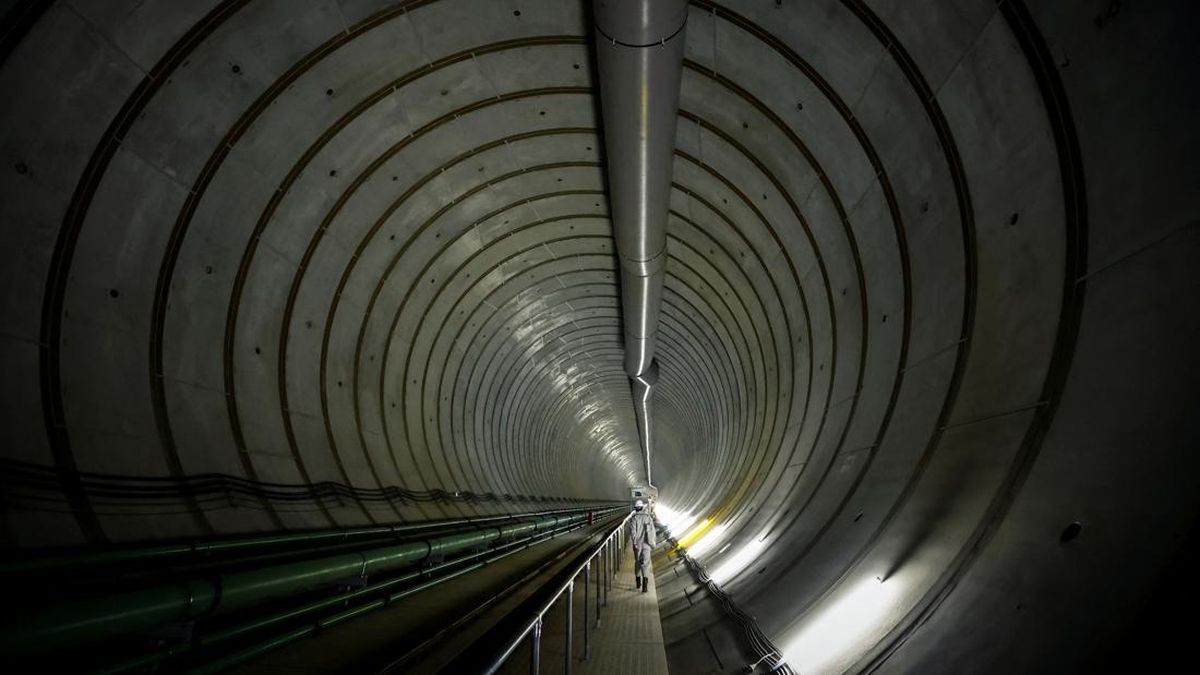
The decision to open a portion of the tunnels is a significant component of DIA’s "Vision 100" strategic plan, which aims to prepare the airport for projected passenger growth over the next century. The cost of this ambitious expansion project, including the tunnel renovation, is estimated to be between $300 million and $700 million (approximately IDR 5.3 trillion to IDR 12.4 trillion).
Phil Washington, CEO of Denver International Airport, detailed to CBS News that the construction is slated to commence in 2027. Crucially, the project will be funded entirely through the airport’s internal revenue streams, meaning no taxpayer money will be used for its realization. This financial commitment underscores the airport’s long-term vision and its willingness to invest in innovative infrastructure.
Artistic Auras and Public Reactions
Beyond the underground network, DIA has also courted controversy and fascination through its unique public art installations. The most prominent among these is "Blucifer," a colossal 32-foot-tall blue Mustang statue with glowing red eyes, which stands guard at the airport’s entrance. The statue itself has become a subject of discussion, with some finding it imposing and others embracing its eccentric charm. Its backstory, including the tragic death of its creator during its construction, adds another layer to the airport’s mystique.
The announcement of the tunnel opening has predictably generated a wave of amused and enthusiastic reactions on social media platforms like Reddit. One user quipped, "Get ready to fight lizard people on your way to the gate," while another simply posted, "Praise Blucifer." This lighthearted engagement highlights the cultural impact of the conspiracy theories, which have become a part of DIA’s identity.
However, the practical implications of the project are also being recognized. Regular travelers have expressed positive anticipation for the new pedestrian route. The ability to walk between terminals offers a valuable alternative, particularly during periods when the automated train system experiences disruptions or prolonged queues. This functional benefit could significantly enhance the passenger experience, regardless of the lingering conspiracy narratives.
Broader Implications and Future Outlook
The opening of a section of the underground tunnels represents a bold move by DIA management. By engaging directly with the airport’s controversial past and the public’s fascination with its hidden spaces, DIA is attempting to reframe its narrative. The project has the potential to:
- Boost Tourism and Local Economy: The unique aspect of walking through these historically significant tunnels could become a tourist attraction in itself, drawing visitors interested in the airport’s lore. This could translate into increased revenue for the airport and surrounding businesses.
- Demystify or Re-energize Theories: While the intent is likely to showcase the functional reality of the tunnels, the very act of opening them could provide new "evidence" for some conspiracy theorists, or conversely, serve to debunk them by revealing their mundane purpose.
- Enhance Passenger Experience: The primary functional benefit of improved inter-terminal connectivity cannot be overstated. This pragmatic improvement is a core objective of the "Vision 100" plan.
- Set a Precedent for Urban Infrastructure: DIA’s approach to repurposing and revealing previously hidden infrastructure could inspire other cities and transit hubs to re-evaluate and creatively utilize their own underutilized or historically significant underground spaces.
The transformation of these mysterious subterranean passages into functional walkways signifies a turning point for Denver International Airport. It’s an attempt to reconcile its enigmatic past with its ambitious future, offering a tangible experience of the spaces that have long fueled the imagination of millions. Whether this move will finally put the wildest theories to rest or simply add a new chapter to the legend remains to be seen, but it undoubtedly marks a significant moment in the ongoing story of one of America’s most talked-about airports.