Tata Titiana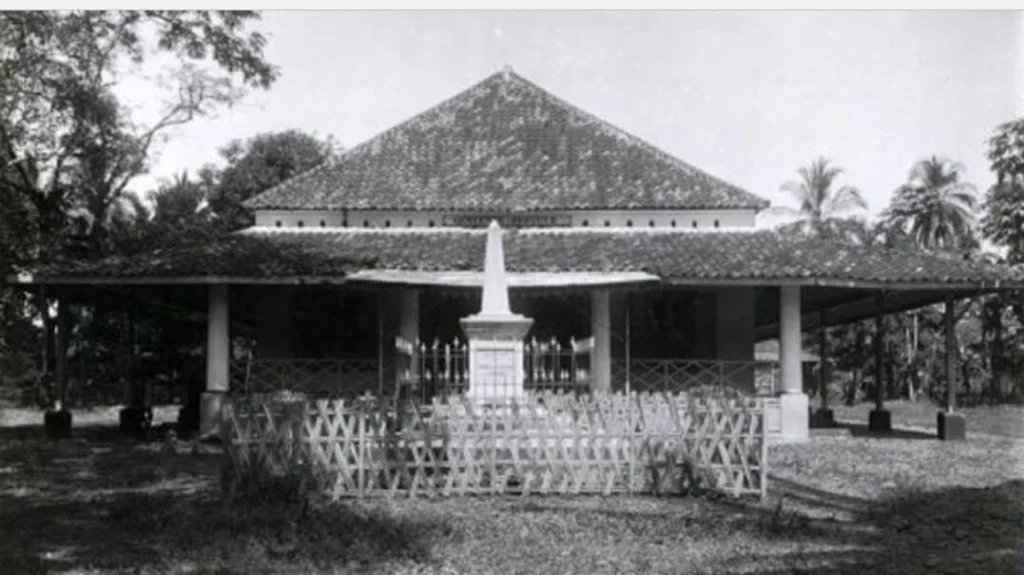
Depok, a thriving municipality in West Java, Indonesia, boasts a history far richer and more complex than its current administrative status might suggest. While officially established as a city on April 27, 1999, having previously been a district within the Bogor Regency, Depok’s origins trace back to a fascinating period where it functioned as an independent nation, complete with its own president. This little-known chapter of Indonesian history reveals a unique trajectory, shaped by colonial land ownership, the emancipation of enslaved people, and the establishment of a self-governing community that predated Indonesia’s own independence.
The genesis of this unique entity can be traced to the late 17th century, when Cornelis Chastelein, a wealthy Dutch merchant, acquired a vast tract of land in Depok spanning 12.44 square kilometers. The purchase, valued at an equivalent of Rp 2.4 million, was not part of the Dutch East Indies government’s domain but was held as a particuliere land, or private estate. By the 18th century, Depok had evolved into an administrative region with its own gemeente bestuur, a civilian government, with Chastelein himself serving as its first ruler and founder.
Initially, the land that would become Depok was largely undeveloped wilderness. Chastelein, with the assistance of his enslaved laborers from diverse ethnic backgrounds, embarked on the arduous task of clearing forests to establish arable land. The scope of his proprietorship was expansive, encompassing not only the present-day Depok area but also extending to Pasar Minggu in South Jakarta and even Gambir in Central Jakarta. The very first inhabitants of this burgeoning estate were the enslaved individuals under Chastelein’s ownership.
A profound act of foresight and benevolence marked Chastelein’s legacy. A devout Catholic, he harbored a deep sense of responsibility towards his enslaved workforce. Prior to his death on June 28, 1714, Chastelein drafted a will that bequeathed land, houses, livestock, and farming equipment to his enslaved people. Crucially, his will also stipulated their emancipation upon his passing. To prevent potential disputes and ensure an orderly transition, he appointed Jarong van Bali to oversee and manage the newly freed community.

The Birth of an Independent Nation: The Depok Republic
Following Jarong van Bali’s death, the emancipated inhabitants of Depok faced the prospect of internal power struggles. To preemptively address this concern, they collectively agreed to implement a democratic system for selecting their leader, to be known as the president, every three years. This innovative governance structure, devoid of a vice-presidential role, saw the president assisted by a secretary in executing their duties. The foundational framework for this unique system of governance was meticulously crafted by a lawyer in Batavia and was officially implemented in 1913, marking the formal establishment of the Het Gemeente Bestuur van Het Particuliere Land Depok (The Municipal Administration of the Private Land of Depok).
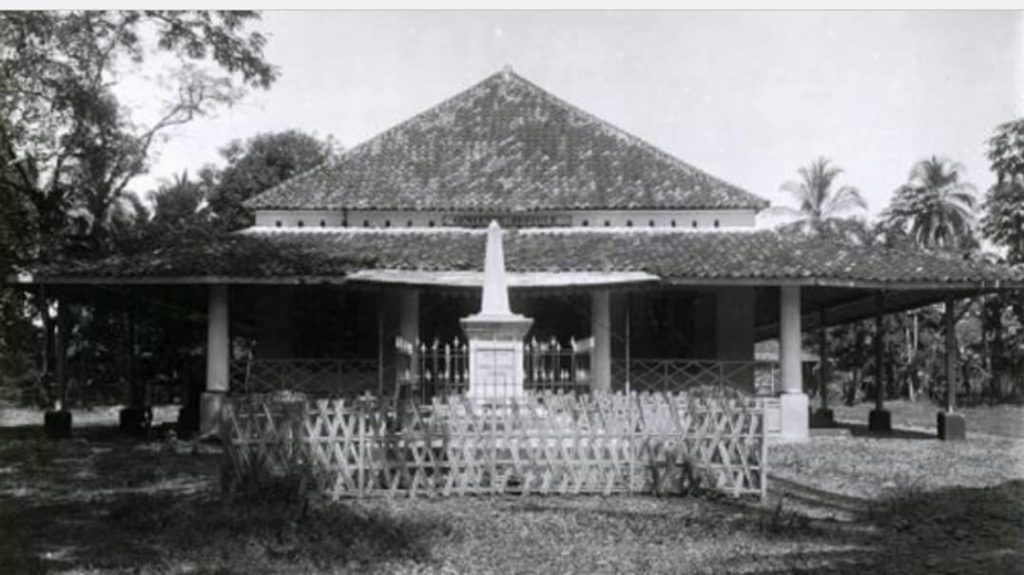
The symbolic heart of this independent nation was located at Kilometer 0, marked by the Depok Monument (Tugu Depok). Adjacent to this landmark stood the former government building, which today serves as the Harapan Hospital. The presidential term was intentionally kept short, limited to three years, a measure likely designed to promote regular leadership changes and prevent the concentration of power.
The first president of Depok was Gerrit Jonathans, who assumed office in 1913. His tenure was followed by three other presidents who led the community: Martinus Laurens (1921), Leonardus Leander (1930), and Johannes Matjis Jonathans (1952). Despite the existence of this distinct presidential system, detailed historical records pertaining to the specific accomplishments or challenges faced during each president’s term remain scarce, leaving a gap in the comprehensive understanding of this period.
A Legacy of Emancipation and Self-Governance
Cornelis Chastelein’s will was not merely a transfer of property; it was an act that laid the groundwork for a unique socio-political experiment. The enslaved individuals, now freed and landholders, were not only granted material possessions but also the autonomy to govern themselves. This was a remarkable achievement in the colonial era, where such widespread emancipation and the establishment of a self-determining community were exceptionally rare.
The decision to adopt a democratic presidential system was a testament to the community’s desire for stability and equitable leadership. The short presidential term likely fostered a sense of collective responsibility and prevented the emergence of a hereditary or entrenched ruling class. The system, though simple in its structure, provided a framework for organized governance and decision-making within the private estate.
Transition and Integration: From Nation to Municipality
The independent status of Depok as a private nation persisted until 1952. In that year, the last president, Matijs Jonathans, formally handed over the territory to the Indonesian government through a deed of transfer for the particuliere land. This marked the end of Depok’s unique period of self-governance and its integration into the broader Indonesian administrative landscape.
From the perspective of its establishment as a modern municipality, Depok’s official age is relatively young, just over two decades. However, when considering its historical roots as a self-governing entity established in the early 18th century and formalizing its governance in 1913, Depok’s history stretches back over three centuries. It is a history of a community that achieved a form of independence and self-determination even before Indonesia itself gained its national sovereignty.
Broader Implications and Historical Significance
The story of Depok offers several significant insights into the complexities of Indonesian history during the colonial period.
- Colonial Land Ownership and its Aftermath: Chastelein’s acquisition of the particuliere land highlights the extensive landholdings by private individuals, both Dutch and indigenous, which operated outside the direct administration of the colonial government. These private estates often developed their own distinct social and economic systems.
- The Legacy of Slavery and Emancipation: The narrative underscores the widespread use of enslaved labor in colonial Indonesia and provides a powerful example of a collective emancipation that led to the formation of a new social and political order. The generosity of Chastelein’s will, while stemming from a complex master-slave relationship, ultimately empowered a community to build its own future.
- Early Forms of Self-Governance: The establishment of the gemeente bestuur and later the democratic presidential system in Depok represents an early, albeit localized, experiment in self-governance within the archipelago. This predates many of the formal political structures that would emerge with Indonesian independence.
- A Precursor to Modern Indonesia: Depok’s journey from a private estate to an independent nation and finally to a municipality within Indonesia demonstrates the layered and often intertwined nature of historical development in the region. Its history is a testament to the resilience and adaptability of its people.
The formal transfer of Depok to the Indonesian government in 1952 was a pivotal moment, signifying the consolidation of national authority and the absorption of these unique historical entities into the modern Indonesian state. While Depok today is a bustling urban center, its past as a privately held estate and a self-governing nation offers a compelling narrative that enriches our understanding of Indonesia’s diverse historical tapestry. The legacy of Cornelis Chastelein, the self-governing community, and the transition to modern municipality form a unique chapter in the region’s long and dynamic history.