Azin Asro
The landscape of modern commerce is undergoing a profound transformation, driven by the explosive growth of e-commerce and an intensifying global urgency to mitigate climate change. Within this dynamic environment, the logistics and courier sector occupies a pivotal position. Traditionally reliant on internal combustion engine (ICE) fleets that contribute significantly to urban air pollution and greenhouse gas emissions, logistics giants are increasingly forced to rethink their operational foundations. In response to this ecological imperative, a growing number of supply chain leaders are pivoting toward electrification. A notable milestone in this ongoing green transition has unfolded in Indonesia, where global logistics heavyweight PT Birotika Semesta, operating as DHL Express, has officially forged a strategic partnership with prominent automotive manufacturer Wuling Motors to integrate commercial electric vehicles into its daily delivery network.
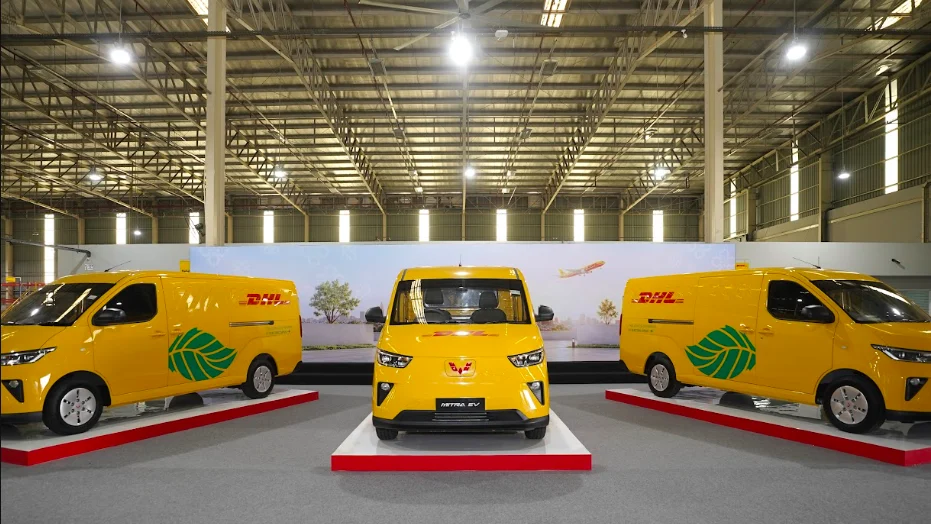
This collaborative initiative sees the procurement of 30 units of the Wuling Mitra EV Blind Van Long Range. Designed specifically to bolster cargo distribution and last-mile delivery activities across the Indonesian archipelago, this substantial fleet acquisition marks a critical stride forward in the reduction of tailpipe emissions within the country’s bustling logistics corridors. As consumer demands for rapid, reliable, and environmentally responsible shipping continue to converge, corporate sustainability commitments are no longer merely optional ethical benchmarks; they have become core operational necessities.
Chronology and Official Handover Ceremony
The formalization of this eco-conscious partnership was commemorated through a high-profile handover ceremony held on Tuesday, October 20, 2026. Hosted at the DHL Express facility located in Halim, East Jakarta, the event served as a public testament to both companies’ dedication to sustainable corporate practices. Representatives from upper management of both PT Birotika Semesta and Wuling Motors gathered to witness the symbolic transfer of the fleet, effectively marking the operational debut of Wuling’s commercial electric vehicle lineup within the DHL Express delivery ecosystem in Indonesia.
The journey toward this partnership involved months of strategic evaluation, logistical planning, and alignment of corporate values. DHL Express, globally bound by ambitious decarbonization roadmaps, continuously assesses vehicle performance, battery durability, cargo capacity, and total cost of ownership before integrating new assets into its fleet. Wuling Motors, having established a robust footprint in Indonesia’s passenger electric vehicle market, strategically positioned its newly developed commercial vehicle lineup to meet these rigorous institutional standards. The October 20 ceremony not only celebrated the culmination of these preparatory phases but also initiated the immediate deployment of the 30 electric vans into active urban and suburban delivery routes.
Product Profile: Wuling Mitra EV Blind Van Long Range
At the heart of this logistics evolution is the vehicle itself: the Wuling Mitra EV Blind Van Long Range. Engineered to cater to the multifaceted demands of modern commercial enterprises, the vehicle encapsulates Wuling’s operational philosophy, summarized by the guiding spirit of being "One Partner, Many Solutions" (Satu Rekan Banyak Solusi). In the competitive realm of commercial transport, fleet operators require vehicles that offer optimal cargo volume, reliable driving range, low maintenance overhead, and uncompromised maneuverability through congested metropolitan streets.
The Long Range variant of the Mitra EV is specifically tailored to mitigate range anxiety—a historically significant barrier to commercial EV adoption. Equipped with an advanced battery management system and a high-capacity energy storage unit, the vehicle provides sufficient per-charge operational distance to comfortably manage intensive urban delivery cycles without requiring frequent daytime recharging stops. Furthermore, the blind van configuration offers a secure, enclosed cargo bay optimized for parcel storage, protecting shipments from adverse weather conditions and unauthorized access during transit. The vehicle’s structural layout prioritizes ergonomic efficiency for drivers who frequently enter and exit the cabin throughout a typical shift, thereby reducing physical fatigue and enhancing daily productivity.
Corporate Perspectives and Strategic Vision

The integration of these electric commercial vehicles has drawn enthusiastic commentary from the leadership of both organizations, highlighting the broader economic and environmental alignment underpinning the venture.
Arif Pramadana, Vice President of Wuling Motors, expressed profound appreciation for the trust placed in the brand by a global logistics leader. "We extend our sincere gratitude to DHL Express for the confidence they have placed in Wuling Motors through the utilization of the Mitra EV as a vital component of their operational fleet," stated Pramadana. He emphasized that the handover ceremony represents a tangible manifestation of collaborative problem-solving, designed to deliver mobility solutions that actively support enterprise operations. "We hope this cooperation brings substantial benefits to DHL Express’s operational activities while simultaneously opening doors to broader collaborative opportunities in fostering the growth of the electric vehicle ecosystem in Indonesia," he added.
Echoing these sentiments from the logistics provider’s perspective, Ahmad Mohamad, Senior Technical Advisor at DHL Express Indonesia, underscored the alignment between global trade dynamics and local operational execution. "As global trade networks continue to evolve, business operators increasingly expect logistics service providers to deliver operational excellence alongside demonstrable progress in the realm of sustainability," Mohamad remarked. He elaborated that the deployment of these electric vehicles directly addresses twin corporate objectives: actively reducing emissions generated during delivery activities while simultaneously bolstering the company’s capacity to support clients deeply invested in sustainable international trade practices.
"The deployment of these electric vehicles represents yet another concrete step toward constructing a lower-emission logistics network in Indonesia, all while rigorously preserving the speed, reliability, and connectivity upon which our customers depend," Mohamad concluded.
Broader Industry Implications and Environmental Impact
The procurement of 30 Wuling Mitra EV units by DHL Express carries profound implications for the broader Indonesian logistics and automotive sectors. Transportation is widely recognized as one of the largest contributors to urban air pollution and carbon dioxide emissions in densely populated developing economies like Indonesia. By transitioning core last-mile delivery operations away from internal combustion engines, logistics companies can achieve immediate, measurable reductions in localized particulate matter and greenhouse gas outputs.
From an analytical standpoint, this partnership signals a maturation in the commercial electric vehicle market within Southeast Asia’s largest economy. Historically, EV adoption in Indonesia was heavily concentrated within the private passenger car segment, driven largely by government incentives and early-adopter consumer enthusiasm. However, the true tipping point for national electrification relies heavily on commercial fleet adoption—sectors where vehicles cover high daily mileages and produce disproportionately high emissions relative to their numbers. When multinational corporations with stringent global environmental targets, such as DHL, invest in locally manufactured or assembled commercial EVs, it validates the reliability and readiness of these technologies for heavy-duty commercial deployment.
Furthermore, this collaboration stimulates the domestic automotive and supporting industries. It encourages accelerated investment in charging infrastructure, technician training for high-voltage systems, and secondary market battery recycling frameworks. As more commercial players observe the operational viability and economic efficiency of fleets like the Wuling Mitra EV, a cascading effect is anticipated throughout the supply chain. Small and medium enterprises, as well as competing logistics providers, will likely face mounting market pressure to green their own operations to remain competitive in an increasingly eco-conscious corporate ecosystem.
Looking ahead, the successful deployment of these 30 electric vans will serve as a crucial operational benchmark. The performance data gathered regarding battery degradation, charging infrastructure efficiency, maintenance cost savings, and driver adaptability will undoubtedly inform future fleet expansion strategies for DHL Express Indonesia. As regulatory frameworks continue to tighten around urban carbon emissions and corporate sustainability reporting standards become more rigorous, initiatives of this magnitude transition from being laudable public relations efforts to becoming indispensable cornerstones of modern business resilience.