Azin Asro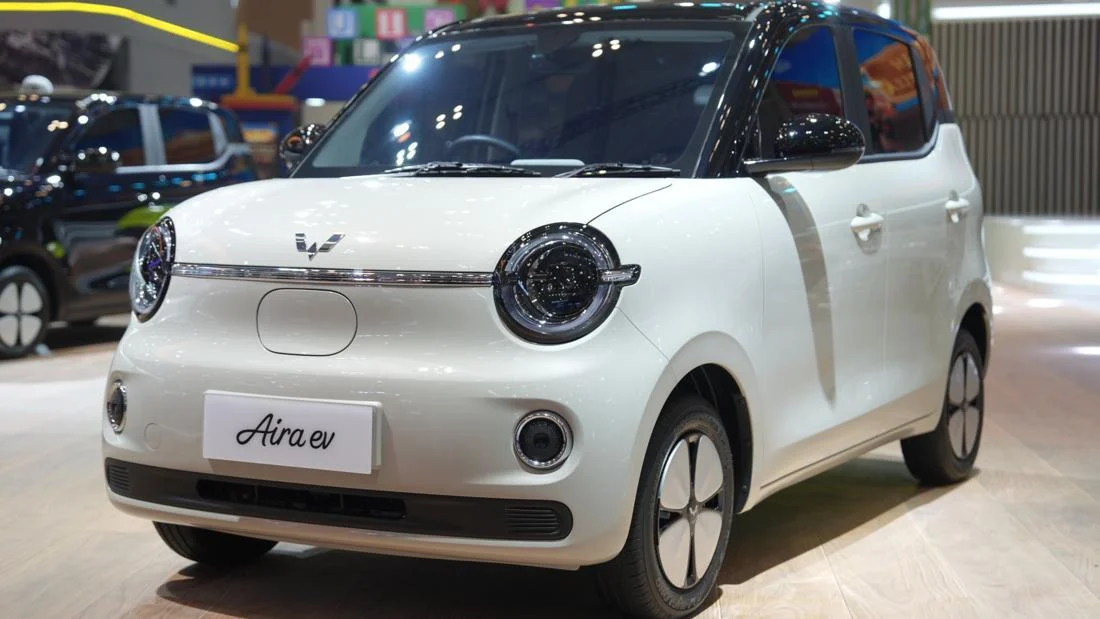
The Indonesian automotive landscape is undergoing a significant transformation as electric vehicles (EVs) transition from luxury novelties to accessible mass-market commodities. At the forefront of this paradigm shift is the Wuling Aira EV, a compact electric vehicle that has redefined affordability within the domestic electrified transport sector. With an aggressive on-the-road pricing strategy starting at just Rp 155 million for the base variant and reaching Rp 175 million for the higher-tier model, the vehicle has captured the intense scrutiny of consumers, industry analysts, and policymakers alike. Beneath this headline-grabbing retail cost lies a complex framework of vehicle registration values, localized manufacturing efficiencies, and strategic supply chain localization that explains how such aggressive pricing was achieved without compromising core functional utility.
An examination of official regional revenue documentation provides deeper insight into the vehicle’s economic structure. Data retrieved from the Jakarta and West Java regional revenue agencies (Bapenda) reveals that the Wuling Aira EV carries a Base Vehicle Selling Value (Nilai Jual Kendaraan Bermotor, or NJKB) well under the Rp 100 million threshold. Specifically, variants registered under specific internal corporate and homologation codes—such as 112C E2D (4×2) AT and 112C E1C—show assigned NJKB figures of Rp 82 million and Rp 92 million, respectively. While NJKB does not represent the final retail price paid by consumers, it serves as the foundational legal baseline used by local governments to calculate progressive ownership taxes and registration fees. The remarkably low NJKB figures further underline the deliberate strategy by the manufacturer to position the vehicle at the most economical tier of the passenger car market.
Economic Context and Regulatory Framework
The arrival of the Wuling Aira EV coincides with a broader governmental push in Indonesia to accelerate vehicle electrification, reduce national reliance on imported fossil fuels, and curb urban carbon emissions. For several years, high upfront acquisition costs remained the single largest barrier to widespread EV adoption among Indonesia’s burgeoning middle class. Traditional internal combustion engine (ICE) vehicles in the entry-level "LCGC" (Low Cost Green Car) segment historically dominated the sub-Rp 200 million bracket, leaving electric alternatives out of reach for budget-conscious buyers.
By introducing the Aira EV below the psychological Rp 200 million ceiling, Wuling has effectively bridged the gap between conventional budget city cars and modern zero-emission mobility. Furthermore, current regulatory frameworks in Indonesia provide substantial fiscal incentives for battery-electric vehicles. Under prevailing regional tax policies, battery-powered electric passenger vehicles are currently exempted from major motor vehicle taxes (PKB), leaving owners responsible only for the mandatory Road Traffic Accident Welfare Fund contribution (SWDKLLJ), which amounts to a nominal Rp 143,000 annually. This favorable regulatory environment significantly lowers the total cost of ownership, making daily operation economically competitive with, or even superior to, traditional gasoline-powered equivalents.
The Manufacturing Strategy: Localizing the Energy Core
The critical question deliberated by industry observers following the product launch is how a manufacturer can deliver a fully functional electric vehicle at such a low price point. The answer lies heavily in localized component sourcing and streamlined production methodologies implemented at the manufacturer’s primary Indonesian facility.
According to statements from Wuling Motors Marketing Director Ricky Christian, one of the foremost operational catalysts enabling the vehicle’s low retail price is the decision to assemble the high-voltage battery packs domestically.
"Wuling Aira EV batteries are already assembled locally, and that helps us to suppress production costs," Ricky explained during a recent media briefing. The battery pack integration process takes place directly within Wuling’s advanced manufacturing complex located in Cikarang, West Java.
By shifting the final assembly of this high-cost component from overseas facilities to domestic soil, the company successfully mitigates logistical expenses, reduces import duties associated with complete battery units, and optimizes labor efficiencies. However, while the physical assembly of the battery pack is anchored in Cikarang, Ricky clarified that critical raw cell components and primary intellectual property inputs continue to originate from the global headquarters of SAIC-GM-Wuling (SGMW) in China. This hybrid manufacturing approach allows the brand to leverage global economies of scale while capitalizing on domestic assembly incentives and labor cost advantages in Indonesia.
Engineering Specifications and Practical Utility
Affordability in the automotive sector frequently invites skepticism regarding build quality, driving range, and practical utility. However, the Wuling Aira EV has been engineered to meet the demanding requirements of daily urban commuting without imposing severe operational compromises.
The vehicle is systematically categorized into two distinct operational variants designed to cater to diverse consumer profiles: the Standard Range variant and the Long Range variant. The Standard Range model delivers a maximum driving distance of up to 205 kilometers under the China Light Duty Vehicle Test Cycle (CLTC), which is more than adequate for typical metropolitan daily commutes. For drivers requiring extended operational parameters, the Long Range variant expands the driving distance to an impressive 301 kilometers (CLTC) on a single full charge.
Addressing one of the most common consumer anxieties regarding electric vehicles—recharging duration—the Aira EV incorporates modern DC Fast Charging capabilities. This rapid-charging architecture permits the vehicle’s onboard energy storage system to replenish its capacity from 30 percent to 80 percent in approximately 35 minutes, vastly minimizing downtime during busy travel schedules.
Beyond its electric powertrain metrics, the vehicle’s physical dimensions and layout have been optimized for dense urban environments. Featuring a tight turning radius of approximately 4.5 meters, the Aira EV offers exceptional maneuverability, allowing drivers to navigate congested city streets and execute tight parking maneuvers with minimal effort. Practicality is further enhanced by its four-door configuration, which ensures straightforward, unhindered cabin access for all occupants without requiring front seats to be folded forward awkwardly. Cargo capacity is another pleasant surprise for a vehicle of this footprint; the rear storage compartment boasts a maximum volume of up to 838 liters when configured appropriately, providing flexible space for groceries, luggage, and daily gear.
Broader Market Implications and Competitive Dynamics
The introduction and aggressive pricing structure of the Wuling Aira EV are anticipated to trigger significant ripples across the Indonesian automotive ecosystem. As legacy manufacturers and competing EV entrants evaluate their own product portfolios, pricing pressure at the entry-level tier will inevitably intensify. Brands that previously enjoyed a comfortable monopoly in the budget city car segment must now contend with a modern, zero-emission alternative that matches or beats traditional ICE vehicles in operating cost and urban agility.
Furthermore, the successful localization of battery assembly by a major player like Wuling serves as a powerful validation of the Indonesian government’s downstream industrial policies. For years, state planners have urged international automotive conglomerates to establish complete domestic supply chains ranging from mineral processing and battery cell manufacturing to final vehicle assembly. While core chemical components of the Aira EV batteries are still imported from primary global hubs, the establishment of the Cikarang assembly line represents a vital stepping stone toward total domestic component integration.
As infrastructure continues to mature—characterized by the steady expansion of public charging stations across major metropolitan areas in Java and beyond—vehicles like the Wuling Aira EV remove the final practical hurdles for hesitant consumers. By aligning accessible retail pricing, minimal tax burdens, localized manufacturing efficiencies, and urban-optimized engineering, the Aira EV is not merely a commercial product launch; it is a foundational milestone that could permanently accelerate Indonesia’s transition toward a sustainable, electrified transportation future.