Tata Titiana
Indonesia’s vibrant tourism sector, a cornerstone of its economy, owes an undeniable, though often overlooked, debt to its colonial past under Dutch rule. The opening of the Suez Canal in the mid-19th century dramatically reshaped global trade routes, leading to an increased flow of European vessels to the Indonesian archipelago for commerce. This burgeoning trade soon paved the way for a different kind of visitor: the leisure traveler. By the late 19th and early 20th centuries, cruise ships began docking in Indonesian ports, bringing with them affluent European tourists eager to explore the exotic landscapes of the Dutch East Indies. To cater to this emerging market, the colonial administration and private investors embarked on an ambitious building spree, constructing grand hotels, particularly on the island of Java, many of which stand today as testament to that era, continuing to welcome guests while preserving their rich historical narratives.
These architectural relics are more than just accommodations; they are living museums, offering a unique window into the socio-economic dynamics and architectural trends of the colonial period. Experts in Indonesian tourism history often pinpoint the construction of these early hotels as a pivotal moment in the nation’s hospitality development. While many structures from the colonial era have been lost to time, remarkably, several of these early hotels, conceived and built during the Dutch colonial administration, remain operational, seamlessly blending their historical significance with contemporary hospitality standards. This article delves into the captivating stories and enduring legacies of these remarkable establishments.
Hotel Indonesia Kempinski: A Post-War Icon with Royal Pedigree
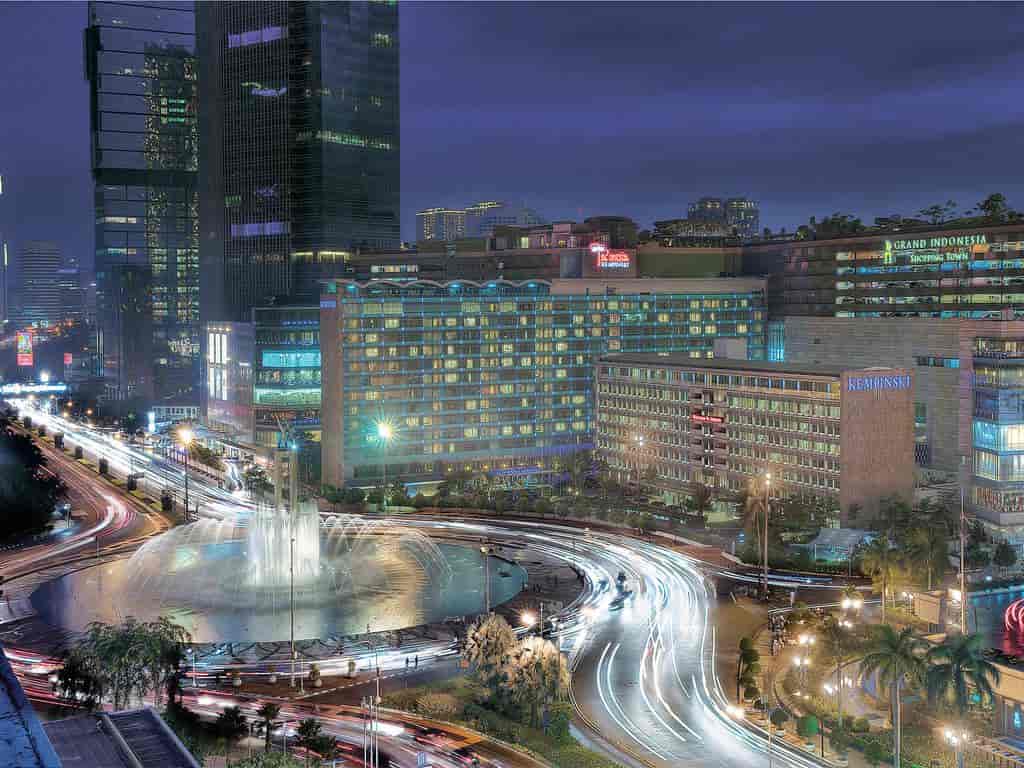
Hotel Indonesia Kempinski, an enduring symbol of Jakarta’s modern development, holds the distinction of being Indonesia’s first five-star luxury hotel and, for a significant period, the tallest building in the capital. Its genesis is intertwined with the aftermath of World War II, having been constructed with funds derived from Japanese war reparations. The hotel officially opened its doors in 1962, timed to coincide with the prestigious IV Asian Games hosted in Jakarta. This grand opening solidified its status as a landmark of national pride and ambition.
Over the decades, Hotel Indonesia Kempinski has hosted numerous dignitaries and heads of state, reflecting its continued importance on the international stage. A notable recent event underscored its historical significance when, in 2020, the hotel served as the exclusive residence for the King and Queen of the Netherlands during their state visit to Indonesia. Their accommodations were in the hotel’s finest suites, reportedly equipped with bulletproof glass, a subtle nod to the hotel’s enduring role in hosting royalty and heads of state. The hotel’s opulent design and strategic location have made it a preferred choice for discerning travelers seeking both luxury and a connection to Indonesia’s past. Its presence signifies a transition from colonial infrastructure to a symbol of independent Indonesia’s aspirations and international standing.
Hotel Majapahit Surabaya: A Crucible of National Identity
Hotel Majapahit in Surabaya is not merely a hotel; it is an indelible landmark steeped in the very fabric of Indonesia’s struggle for independence. Its walls have witnessed pivotal moments that shaped the nation’s destiny. Most famously, the hotel served as the backdrop for the iconic "Battle of Surabaya" in 1945, a fierce and pivotal conflict that solidified Indonesian resolve. It was within the hotel’s premises that a dramatic act of defiance occurred: Indonesian freedom fighters, in a moment of profound symbolism, tore off the blue section of the Dutch flag flying at the hotel, transforming it into the red and white of the Indonesian national flag. This act, occurring after failed negotiations between Indonesian representatives and the Dutch envoy W.V.Ch. Ploegman, ignited the flames of nationalistic fervor across the archipelago.
Originally established in 1910, the hotel was the brainchild of the Sarkies Brothers, an Armenian family renowned for their hospitality ventures across Asia. It first opened its doors as Hotel Oranje during the Dutch colonial era, reflecting the prevailing Dutch influence. Following Japan’s occupation during World War II, its name was changed to Hotel Yamato, a reflection of the new geopolitical reality. The hotel’s enduring presence has made it a crucial site for understanding the complex history of Surabaya and Indonesia’s path to sovereignty. Its architecture and storied past continue to attract history enthusiasts and travelers seeking to connect with the nation’s heroic narrative.
Royal Ambarukmo Yogyakarta: A Royal Legacy in the Cultural Heart of Java
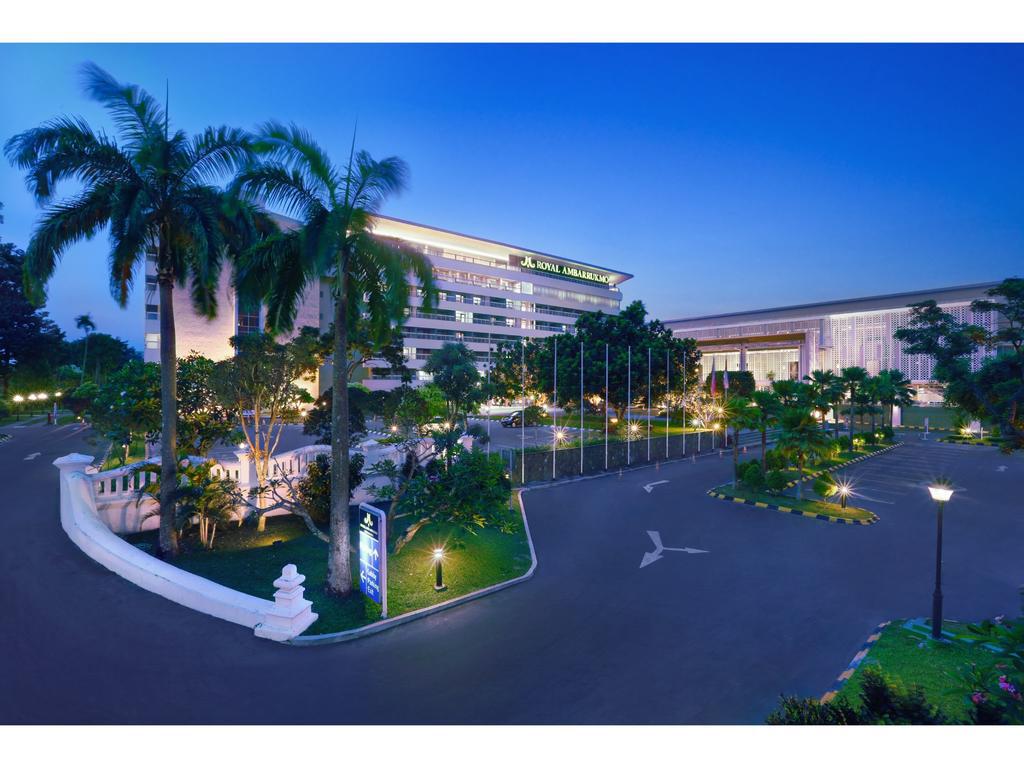
Nestled in the culturally rich city of Yogyakarta, Royal Ambarukmo stands as a testament to the enduring legacy of Javanese royalty and its embrace of modern development. Located at Jalan Laksda Adisucipto Number 81, Depok, Yogyakarta, the hotel was commissioned by Sultan Hamengku Buwono V. Its historical significance is further amplified by its inclusion in a prestigious list of four pioneering international hotels in Indonesia, actively promoted by President Soekarno in 1966. This initiative aimed to position Indonesia on the global tourism map, and Royal Ambarukmo was at the forefront of this vision.
As a five-star luxury establishment, the hotel boasts an array of sophisticated amenities designed to cater to the most discerning guests. These include championship golf facilities, recreational game rooms, a vibrant poolside bar, and numerous other offerings that blend traditional Javanese hospitality with contemporary comfort. The hotel’s architecture often reflects a harmonious integration of traditional Javanese aesthetics with modernist design principles, creating an ambiance that is both regal and welcoming. Its strategic location within Yogyakarta, a city renowned for its cultural heritage and historical significance, makes it an ideal base for exploring the region’s palaces, temples, and natural beauty.
Hotel Savoy Homann Bandung: Art Deco Grandeur and International Acclaim
Situated at the prestigious Jalan Asia-Afrika Number 112 in Bandung, Hotel Savoy Homann is a distinguished landmark that embodies the elegance of the Art Deco era. Historically, the hotel was owned by the Homann family, who gained renown for their exquisite "rijsttafel" (rice table) culinary offerings, a Dutch colonial tradition featuring a lavish spread of Indonesian side dishes served with rice. The hotel’s initial design, conceived by the acclaimed architect Albert Aalbers in 1939, was a masterpiece of Art Deco style, characterized by its flowing, wave-like architectural elements reminiscent of the ocean.
In 1940, the hotel was renamed Savoy Homann, a change that underscored its growing stature and ambition in the hospitality landscape. The hotel’s historical importance is further cemented by its association with iconic figures; the legendary silent film star Charlie Chaplin is recorded to have been a distinguished guest, adding a layer of Hollywood glamour to its storied past. The hotel’s location on Jalan Asia-Afrika is also significant, as this street has been a witness to major historical events, including the 1955 Asian-African Conference, which brought together leaders from newly independent nations. Savoy Homann’s enduring architectural beauty and rich history make it a cherished destination for those seeking a blend of vintage charm and sophisticated comfort.
Inna Bali Heritage Hotel: A Pioneer of Balinese Hospitality
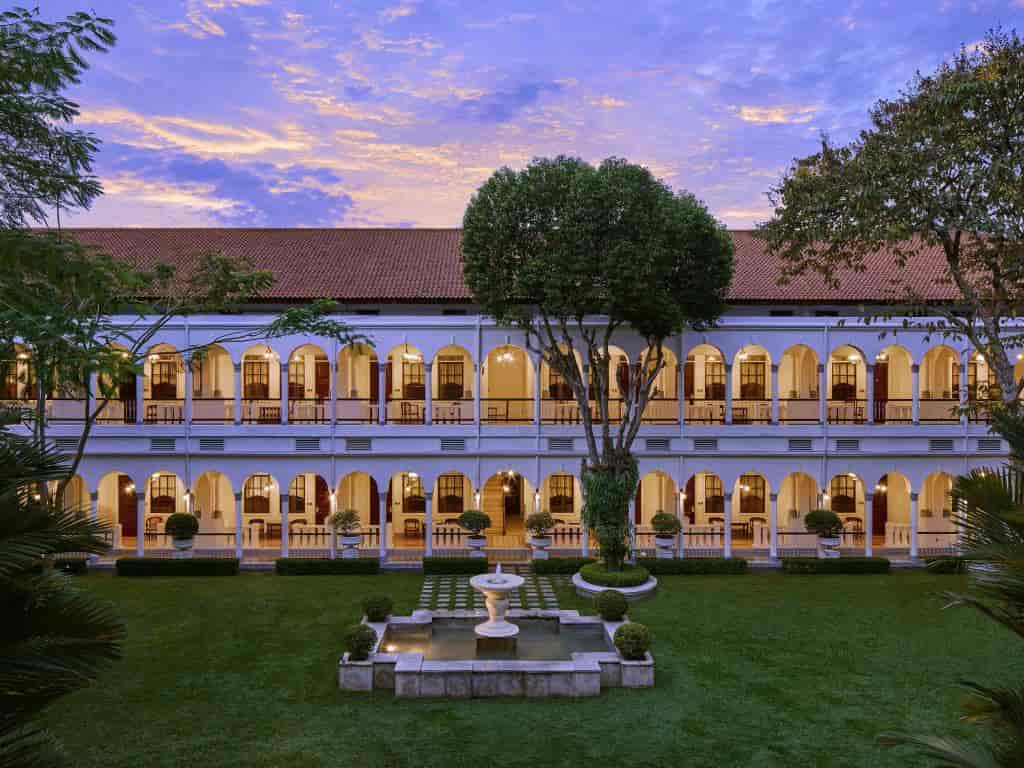
Opening its doors on August 22, 1927, the Inna Bali Heritage Hotel holds the distinction of being the first luxury accommodation establishment on the island of Bali. Its establishment coincided with a period when Bali was beginning to capture the imagination of international travelers. The advent of steamship travel, particularly with the Koninklijke Paket-vaart Maatschappij (Royal Packet Navigation Company), facilitated easier access for foreign tourists eager to explore the island’s unique culture and breathtaking landscapes.
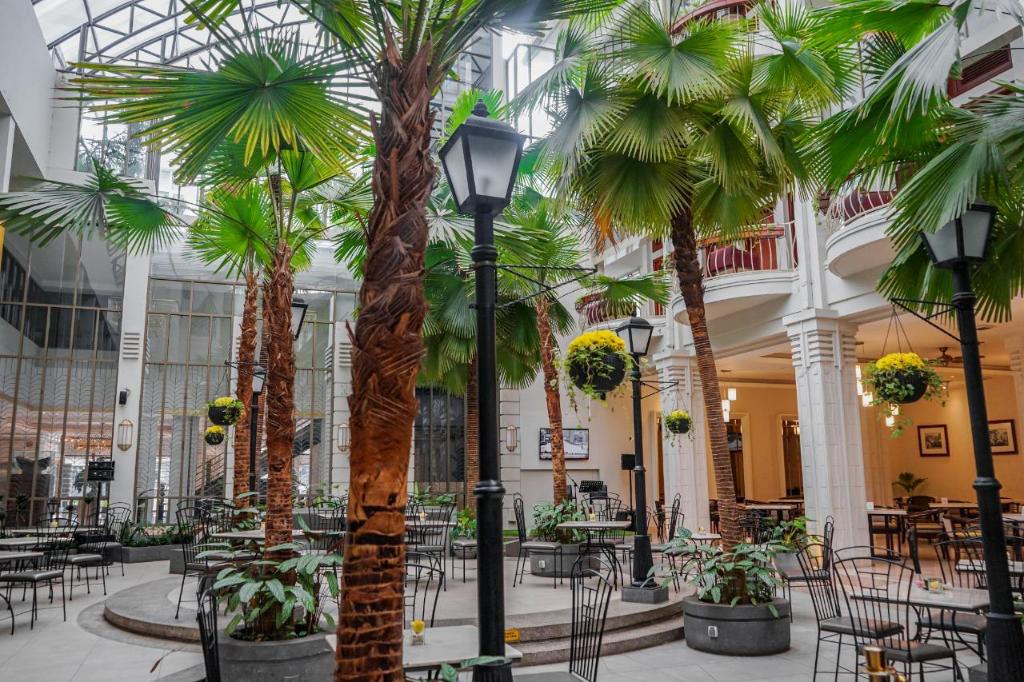
Classified as a three-star hotel, Inna Bali Heritage Hotel is strategically located in the heart of Denpasar, Bali’s vibrant capital. Despite its modest classification by modern standards, its historical significance as a pioneer in Balinese hospitality cannot be overstated. The hotel was designed to offer a comfortable and sophisticated retreat for its early international clientele, featuring amenities such as lush gardens, a restaurant, a swimming pool, and a café, which were considered luxurious at the time. Its enduring presence in Denpasar serves as a reminder of Bali’s early integration into the global tourism circuit and the foundational role it played in shaping the island’s reputation as a premier tourist destination.
The Enduring Significance of Colonial-Era Hotels
The continued operation of these historical hotels underscores a fascinating interplay between Indonesia’s colonial past and its dynamic present. They represent a tangible link to a period of significant transformation, serving not only as places of lodging but as repositories of history and cultural heritage. The Dutch colonial administration, while driven by economic and political motives, inadvertently laid the groundwork for much of Indonesia’s early modern infrastructure, including its hospitality sector. The construction of these grand hotels was instrumental in developing tourism, attracting foreign investment, and shaping the architectural landscape of major Indonesian cities.
The fact that these establishments have not only survived but continue to thrive in a competitive modern market speaks volumes about their enduring appeal. They offer a unique selling proposition that transcends mere luxury or convenience; they provide an immersive experience into Indonesia’s layered past. Guests are drawn to the stories embedded within their walls, the architectural grandeur that has withstood the test of time, and the palpable sense of history that permeates their atmosphere.
The economic implications are also noteworthy. These heritage hotels contribute significantly to the tourism economy, attracting both domestic and international visitors who are keen to experience a piece of history. They often employ local staff, preserving traditional craftsmanship and culinary heritage, and contribute to the cultural preservation efforts in their respective cities.
Furthermore, the ongoing operation of these hotels raises important questions about heritage conservation and adaptive reuse. The challenge lies in balancing the preservation of historical integrity with the demands of modern comfort and safety standards. Successful renovations and management strategies ensure that these buildings remain relevant and economically viable without compromising their historical essence. The continued success of hotels like Hotel Indonesia Kempinski, Hotel Majapahit, Royal Ambarukmo, Hotel Savoy Homann, and Inna Bali Heritage Hotel demonstrates that heritage tourism is not just a niche market but a powerful driver of economic growth and cultural appreciation, offering a compelling narrative of a nation that embraces its past while forging its future.