Tata Titiana
Indonesia’s rich tapestry of history is interwoven with the threads of its colonial past, a legacy that continues to shape its present in unexpected ways. Beyond the political and economic ramifications, the Dutch colonial era left an indelible mark on the nation’s burgeoning tourism industry. As global trade routes expanded with the opening of the Suez Canal, European vessels began frequenting the archipelago, initially for commerce. By the 19th century, the allure of exotic destinations beckoned, and cruise ships started docking, bringing a new wave of affluent travelers seeking leisure and adventure. To cater to this evolving demand, the Dutch East Indies administration embarked on a ambitious project: the construction of grand hotels, primarily on the island of Java, many of which stand today as living testaments to a bygone era.
These historical establishments are more than just accommodations; they are architectural marvels, silent witnesses to pivotal moments in Indonesian history, and vital contributors to the nation’s tourism landscape. While many may be unaware, a significant number of these colonial-era hotels, built under Dutch rule, continue to operate, offering discerning travelers a unique opportunity to step back in time. This article delves into the stories and enduring legacies of some of Indonesia’s most remarkable historical hotels, exploring their origins, their role in shaping early tourism, and their continued relevance in the modern hospitality sector.
The Genesis of Indonesian Tourism and Colonial Hospitality
The mid-19th century marked a turning point for Indonesia’s integration into the global tourism circuit. The establishment of regular steamship routes, coupled with a growing European fascination with the East, transformed the archipelago from a mere trading post into a destination. The Dutch colonial government, recognizing the economic potential of this trend, actively promoted the development of infrastructure to support tourism. This included the construction of what were then considered state-of-the-art hotels, designed to provide comfort and luxury to European visitors. These hotels were strategically located in major cities and popular tourist spots, often boasting impressive architecture that blended European styles with local influences.
The initial impetus for these hotel constructions was largely driven by the need to accommodate European traders and colonial administrators. However, as the concept of leisure travel gained traction, these establishments evolved to become prime destinations for tourists. The hotels served not only as places of rest but also as social hubs, centers for business dealings, and platforms for cultural exchange, albeit often within a hierarchical colonial framework. The success of these early ventures laid the foundation for Indonesia’s modern tourism industry, demonstrating the viability of investing in hospitality infrastructure to attract international visitors.
Pillars of History: Iconic Colonial-Era Hotels Still Standing
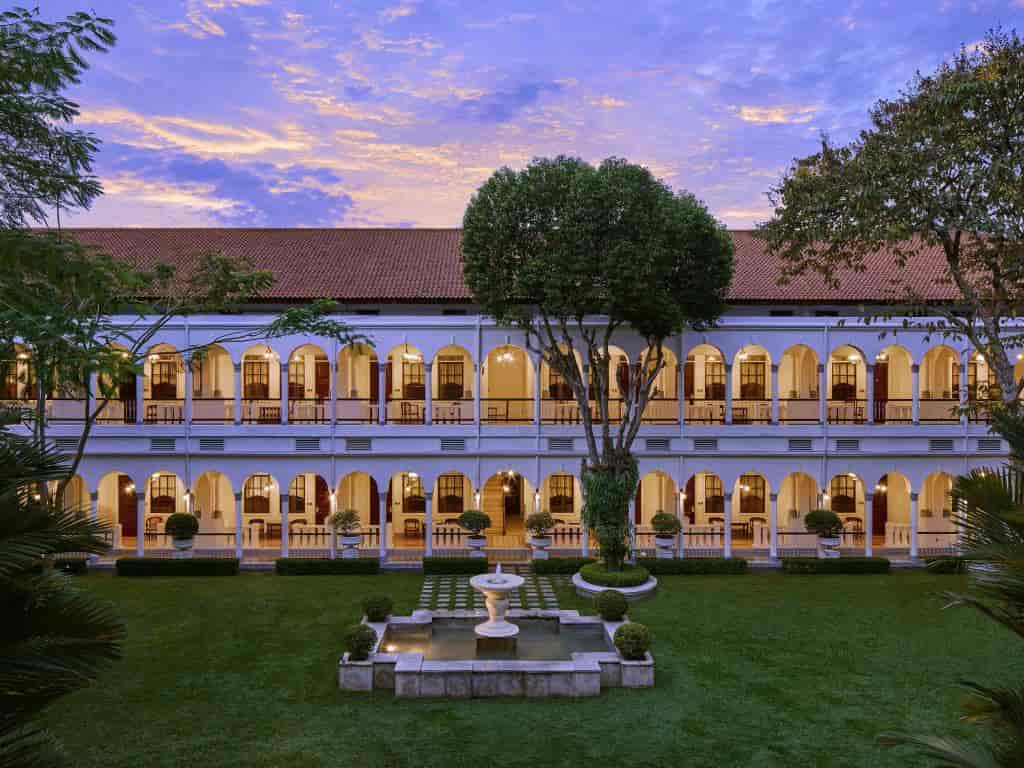
1. Hotel Indonesia Kempinski: A Monument to Modernity and National Pride
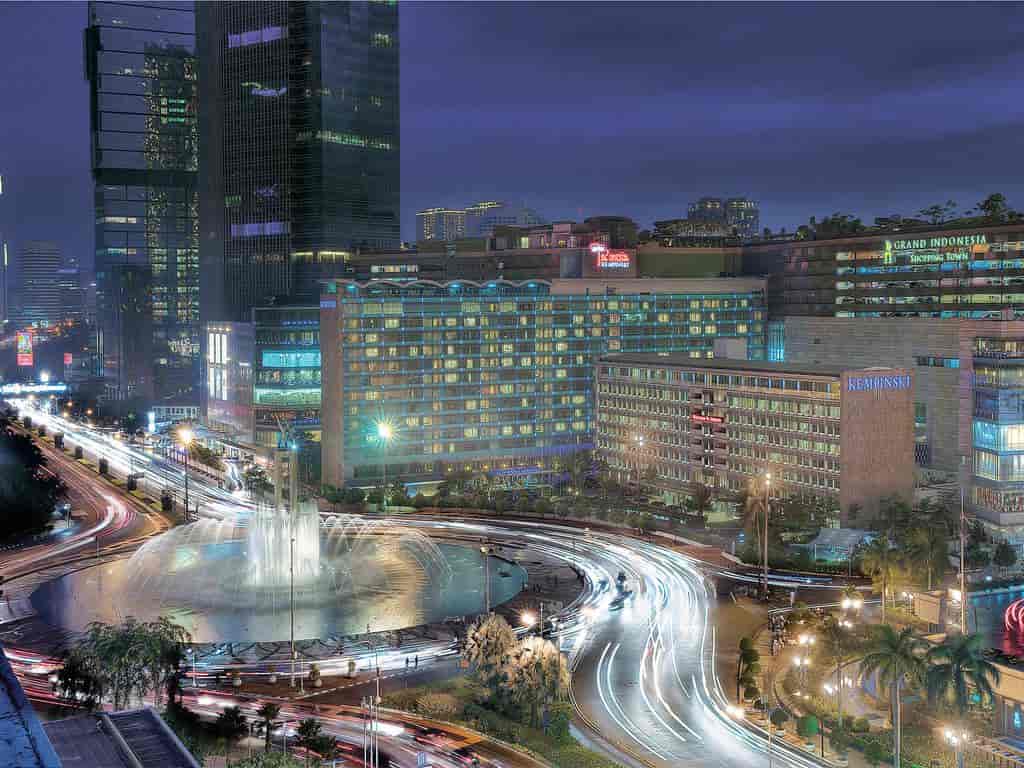
Officially inaugurated on August 5, 1962, Hotel Indonesia Kempinski stands as an enduring symbol of Indonesia’s ambition and progress. Its construction was a monumental undertaking, initiated by President Sukarno as part of a grand vision to showcase Indonesia’s capabilities on the international stage, particularly in preparation for the IV Asian Games held in Jakarta that same year. The hotel’s origins are intertwined with the post-World War II landscape, with its development partly funded by war reparations from Japan.
Upon its opening, Hotel Indonesia was not merely a hotel; it was a statement. It was designed to be the nation’s premier luxury accommodation, a beacon of modernity in a newly independent nation. Its five-star rating was a deliberate choice, aiming to compete with the finest hotels globally and to provide a fitting reception for visiting dignitaries and international athletes. The hotel’s architectural design, a blend of modernist principles and Indonesian aesthetic elements, was overseen by renowned architects, reflecting a desire to forge a distinct national identity in its built environment.
The hotel’s historical significance was further underscored in 2020 when it hosted a distinguished guest: the King and Queen of the Netherlands during their state visit to Indonesia. Their stay in the hotel’s most secure suite, equipped with bulletproof glass, highlighted the hotel’s continued prestige and its symbolic role in diplomatic relations between the two nations, bridging past and present. This event served as a poignant reminder of the complex historical ties between Indonesia and the Netherlands, with the hotel itself acting as a neutral ground for dialogue and interaction.
The Hotel Indonesia Kempinski has undergone significant renovations and rebranding over the decades, most notably becoming part of the Kempinski Hotels group. Despite these modernizations, the hotel has strived to preserve its historical essence, integrating its rich past with contemporary luxury. Its continued operation is a testament to its enduring appeal and its importance as a landmark in Jakarta’s urban landscape.
2. Hotel Majapahit Surabaya: A Crucible of Courage and Revolution
Hotel Majapahit Surabaya is a name synonymous with a pivotal moment in Indonesia’s struggle for independence. Established in 1910 by the Sarkies Brothers, Armenian entrepreneurs renowned for their hospitality ventures across Asia, it was initially known as Hotel Oranje. During the Japanese occupation, its name was changed to Hotel Yamato, a period marked by significant geopolitical shifts.
The hotel’s most indelible mark on history occurred on October 19, 1945, just months after Indonesia’s declaration of independence. In a powerful act of defiance against the lingering Dutch presence, a group of Indonesian youths, enraged by the hoisting of the Dutch flag, stormed the hotel. In a dramatic confrontation, they tore off the blue stripe of the Dutch flag, transforming it into the red and white of the Indonesian national flag. This act, known as the "Battle of Surabaya," became a potent symbol of Indonesian resolve and courage, solidifying Hotel Majapahit’s place in the nation’s revolutionary narrative.
The hotel has since undergone several name changes and ownership transitions, reflecting the dynamic history of Surabaya and Indonesia. Its architectural style, a blend of Art Deco and colonial grandeur, evokes a sense of timeless elegance. Today, Hotel Majapahit is recognized not only for its historical significance but also for its luxurious accommodations and its role in preserving the memory of the nation’s fight for freedom. It continues to be a landmark in Surabaya, attracting history enthusiasts and travelers seeking to connect with Indonesia’s past.
3. Royal Ambarukmo Yogyakarta: A Royal Legacy in the Heart of Java
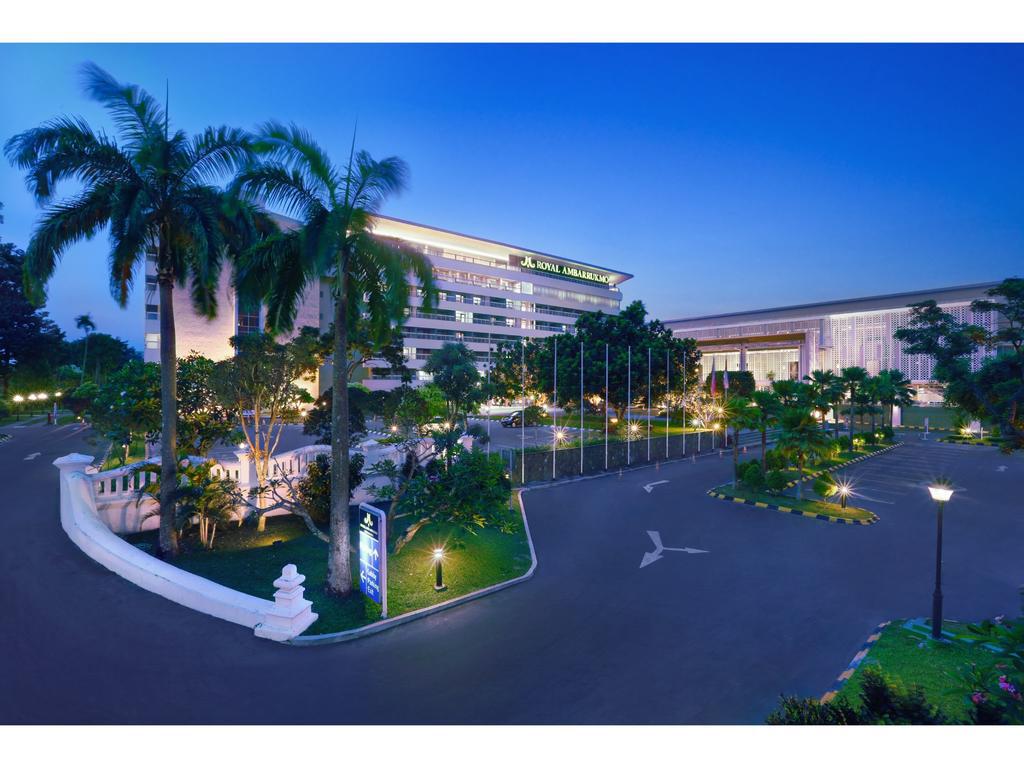
Nestled in Yogyakarta, a city steeped in royal heritage, the Royal Ambarukmo stands as a testament to the enduring influence of the Javanese Sultanate. This magnificent hotel was commissioned by Sultan Hamengku Buwono V, a visionary leader who recognized the potential of tourism in the region. Its opening in 1966 was a significant event, as it was one of the first four hotels in Indonesia to be officially promoted by President Sukarno as international-class accommodations.
The Royal Ambarukmo was conceived as a luxury destination, designed to showcase the opulence and cultural richness of the Yogyakarta Sultanate. Its architecture is a harmonious fusion of traditional Javanese aesthetics and modern amenities, reflecting the sultanate’s embrace of progress while staying true to its roots. The hotel’s strategic location in Yogyakarta, a cultural heartland of Java, further enhanced its appeal to both domestic and international tourists.
As a five-star establishment, the Royal Ambarukmo has consistently offered a high standard of service and facilities, including golf courses, game rooms, and poolside bars, catering to a discerning clientele. Its continued operation under the management of Royal Ambarrukmo signifies a successful integration of royal patronage with contemporary hospitality practices. The hotel serves not only as a luxurious place to stay but also as a living museum, offering guests a glimpse into the grandeur of Javanese royalty and the nation’s early efforts to develop its tourism sector.
4. Hotel Savoy Homann Bandung: Art Deco Elegance and Global Encounters
Situated on the iconic Jalan Asia-Afrika in Bandung, Hotel Savoy Homann is a distinguished establishment with a rich history dating back to its initial design in 1939 by the renowned Dutch architect Albert Aalbers. Aalbers envisioned a structure that embodied the Art Deco movement, with a striking design inspired by the undulating waves of the ocean, a bold statement of modernity and artistic flair. The hotel was officially named Savoy Homann in 1940, a name that exuded grandeur and solidified its status as a premier destination.
The hotel’s origins are deeply rooted in the entrepreneurial spirit of the Homann family, who were celebrated for their culinary prowess, particularly their exquisite rijsttafel, a traditional Dutch-Indonesian feast. This reputation for fine dining contributed significantly to the hotel’s allure. During its heyday, Savoy Homann attracted a cosmopolitan clientele, including international celebrities and political figures. Notably, the legendary filmmaker Charlie Chaplin was among its esteemed guests, a fact that underscores the hotel’s global appeal during the pre- and post-war eras.
The strategic location of Hotel Savoy Homann on Jalan Asia-Afrika is also historically significant. This street was the site of the groundbreaking 1955 Asian-African Conference, a landmark event that played a crucial role in the Non-Aligned Movement and the decolonization efforts of the mid-20th century. The hotel, therefore, not only served as a luxurious accommodation but also as a backdrop to significant geopolitical discussions and encounters. Today, Hotel Savoy Homann continues to operate, maintaining its Art Deco charm and offering a sophisticated experience that transports guests back to an era of elegance and international engagement.
5. Inna Bali Heritage Hotel: The Dawn of Balinese Hospitality
The Inna Bali Heritage Hotel holds the distinction of being the first luxury accommodation established in Bali, opening its doors on August 22, 1927. Its inception coincided with a burgeoning interest in Bali as a tourist destination, with European travelers increasingly arriving by steamship, facilitated by the Koninklijke Paket-vaart Maatschappij (Royal Packet Navigation Company). The hotel was strategically positioned to capitalize on this influx, offering a gateway to the island’s exotic allure.
Initially a three-star property, the Inna Bali Heritage Hotel was located in the heart of Denpasar, Bali’s administrative and cultural center. Its design and offerings were tailored to cater to the expectations of international visitors, incorporating elements of Balinese architectural style within a comfortable and well-appointed framework. The hotel provided a range of amenities, including lush gardens, a restaurant, a swimming pool, and a cafe, aiming to provide a comprehensive and enjoyable stay for its guests.
The establishment of the Inna Bali Heritage Hotel marked a significant step in the development of Bali’s tourism infrastructure. It signaled the island’s potential as a major tourist destination and set a precedent for future hospitality developments. While the island has since seen an explosion of luxury resorts and hotels, the Inna Bali Heritage Hotel remains a significant historical landmark, representing the very beginnings of organized tourism in Bali and offering a charming connection to the island’s past.
Enduring Legacies and Modern Relevance
These five hotels, each with its unique history and architectural significance, represent more than just operational businesses. They are cultural anchors, preserving architectural heritage, and offering invaluable insights into Indonesia’s past. The fact that they continue to thrive in the modern tourism landscape speaks volumes about their enduring appeal and adaptability.
The prices quoted for these hotels are subject to fluctuations based on seasonal demand, inflation, local tax policies, and booking volume. Booking during off-peak seasons typically offers more economical rates. It is always advisable to verify the final price before confirming any reservation. These establishments offer a unique travel experience, allowing guests to immerse themselves in history while enjoying contemporary comforts, making them an integral part of Indonesia’s vibrant and multifaceted tourism offerings. They stand as a reminder that history is not confined to museums; it can be experienced, lived, and appreciated in the very places where it unfolded.