Lina Irawan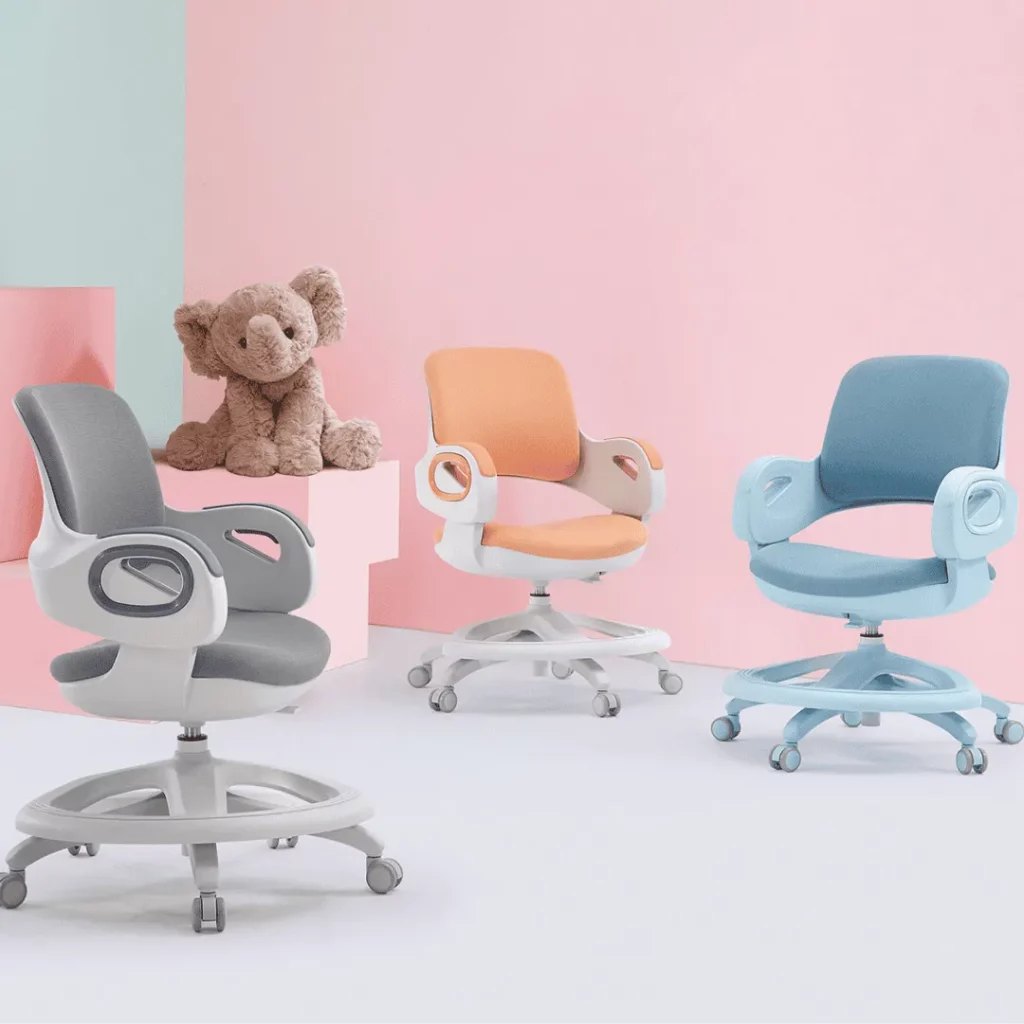
In an era defined by prolonged screen time and dedicated study or work-from-home setups, the humble study chair has transc ascended from a mere piece of furniture to a critical tool for well-being and productivity. The ideal study chair is characterized by its adjustable lumbar support, breathable seat padding, and precise height adjustment mechanisms. These foundational ergonomic features are indispensable for mitigating the risk of long-term spinal injuries and musculoskeletal disorders. Complementing this functional excellence is the psychological power of pastel colors, scientifically shown to alleviate stress and enhance cognitive focus, creating an optimal learning environment.
For too long, individuals, particularly parents and students, have inadvertently compromised their physical health in pursuit of aesthetic room designs. The allure of visually appealing yet functionally inadequate wooden or minimalist plastic chairs often leads to premature back fatigue, stiffness, and chronic discomfort. This prevalent oversight highlights a critical disconnect: the belief that health-centric design must sacrifice visual appeal. However, contemporary interior design philosophy champions the seamless integration of health benefits with sophisticated aesthetics. This is where the ergonomic pastel study chair emerges as a transformative solution, offering not just a charming addition to a room’s decor but a vital, long-term investment in spinal health and overall academic or professional performance.
The Rising Imperative of Ergonomic Design in Modern Lifestyles
The global shift towards remote learning and hybrid work models has dramatically increased the average daily sitting hours for millions. This unprecedented sedentary behavior underscores the urgent need for furniture that actively supports the body’s natural biomechanics. Orthopedic specialists and physical therapists consistently warn that prolonged sitting on non-ergonomic chairs can exacerbate spinal load, leading to a cascade of health issues. Studies published in journals like Spine and the Journal of Orthopaedic & Sports Physical Therapy indicate that poor posture during prolonged sitting is a leading contributor to lower back pain, neck stiffness, shoulder impingement, and even the development or worsening of conditions like scoliosis, particularly in growing adolescents.
The human spine, a complex structure of bones, discs, and ligaments, is designed for movement and support. When an individual sits, the pressure on the lumbar spine can increase significantly, sometimes by as much as 40-90% compared to standing, depending on posture. A chair lacking proper lumbar support forces the natural inward curve of the lower back (lordosis) to flatten or even reverse, placing undue stress on the spinal discs and ligaments. Ergonomic chairs counteract this by distributing body weight evenly, maintaining the spine’s natural curvature, and ensuring unimpeded blood circulation to the lower extremities, even during extended periods of sitting. This scientific approach to furniture design is no longer a luxury but a fundamental requirement for preventing cumulative trauma injuries and promoting sustained health.
Navigating the Choices: Child-Specific vs. Adjustable Ergonomic Chairs
The furniture market presents a dichotomy when selecting study chairs: purpose-built chairs for young children versus more adaptable ergonomic designs for adolescents and adults. Understanding the specific advantages and limitations of each is crucial for making an informed investment.
-
Dedicated Children’s Chairs (Fixed Backrest): These chairs are typically scaled for younger users, from elementary to middle school age. Their fixed, often upright backrests are designed to "encourage" an erect posture. A key advantage lies in their precise proportions, with seat pan depths tailored to a child’s thigh length, preventing dangling feet—a common ergonomic pitfall. However, their primary drawback is a limited lifespan. As children rapidly grow, these chairs quickly become ill-fitting, with fixed backrests potentially impinging on the wrong spinal areas, rendering them uncomfortable and counterproductive.
-
Ergonomic Adult/Teen Chairs (Adjustable Pastel Designs): Often resembling sophisticated office chairs, these models are scaled for adolescents and adults but are increasingly available in appealing pastel palettes. Their defining feature is extensive adjustability, encompassing seat height, backrest recline tension, lumbar support depth, and multi-directional armrests (e.g., 1D, 2D, 3D, or 4D armrests). This adaptability makes them a superior long-term investment. The ability to fine-tune multiple parameters allows the chair to evolve with the user’s physical growth and changing ergonomic needs, ensuring consistent support throughout various life stages.
For children under 10, a dedicated children’s chair combined with an ergonomic footrest is a sensible choice to ensure proper foot support. However, for users aged 11 and above, an adjustable ergonomic chair in a pastel hue offers unparalleled long-term comfort, health benefits, and aesthetic versatility that transcends childhood decor.
The Anatomy of True Ergonomics: Key Features to Prioritize
Beyond superficial aesthetics, the true value of a study chair lies in its engineering. Recognizing the critical components of an ergonomic design is paramount for any discerning buyer.

-
Adjustable Lumbar Support: This is arguably the most vital feature. The natural inward curve of the lower back necessitates constant support to prevent slouching and excessive pressure on the spinal discs. A quality ergonomic chair provides an adjustable lumbar mechanism, allowing users to position a firm yet comfortable protrusion precisely at the lumbar region, maintaining the spine’s natural "S" curve.
-
High-Density Molded Foam Seat Pan: The seat pan material and dimensions are crucial. Thin, low-density foam compresses quickly, leading to pressure points and discomfort. High-density molded foam, conversely, offers superior durability and consistent support, distributing pelvic weight evenly. Critically, the seat pan depth must allow for a 2-3 finger gap between its front edge and the back of the user’s knees when seated. A seat that is too deep can restrict blood flow to the lower legs, causing numbness and fatigue.
-
Breathable Mesh Backrest: Especially in tropical climates like Indonesia, heat buildup is a significant issue. A mesh backrest offers excellent ventilation, preventing sweat accumulation and ensuring optimal air circulation, which contributes to sustained comfort during long study sessions. The modern market now offers a wide array of high-quality mesh fabrics in various pastel shades that retain their color and integrity over time.
-
Adjustable Armrests (1D, 2D, 3D, or 4D): Unsupported arms can lead to significant tension in the shoulders and neck. Adjustable armrests are designed to support the user’s forearms, allowing the shoulders to remain relaxed and the arms to align naturally with the desk height. This minimizes strain on the upper body, crucial for tasks like typing or writing.
The Psychology of Color: Why Pastels are a Game-Changer for Focus
While ergonomic features address physical health, the choice of color profoundly impacts mental well-being and cognitive function. Research in environmental psychology and color theory consistently demonstrates that colors influence mood, concentration, and stress levels. Darker, more saturated colors can sometimes create a sense of formality, weight, or even pressure, potentially inducing anxiety in a study environment.
In contrast, pastel palettes—soft, muted, and light hues—radiate a gentle, calming, and inviting energy. Their reduced saturation makes them less stimulating to the visual cortex, thereby decreasing visual fatigue and promoting a sense of tranquility conducive to deep concentration.
-
Mint Green: This gentle hue is exceptionally soothing to the eyes, reducing strain often associated with prolonged screen time or reading. Drawing associations with nature and freshness, mint green can evoke a sense of calm and renewal, making it ideal for study spaces that may lack natural light or outdoor views. Studies have indicated that green environments can foster creativity and reduce stress.
-
Blush Pink: Far from being overly feminine, blush pink introduces a soft warmth and a profound calming effect. It can soften the typically stark appearance of work furniture, creating a more nurturing and less rigid atmosphere. Its versatility allows it to pair beautifully with neutral tones, white desks, or natural wood finishes (like oak), making it a popular choice among adolescents and young adults.
-
Lavender or Lilac: These muted purples are often linked to creativity, imagination, and introspection. For students engaged in artistic endeavors, design work, or subjects requiring abstract thought, a lavender or lilac chair can serve as an inspiring focal point, stimulating innovative thinking while maintaining a serene backdrop.
-
Baby Blue: Universally recognized for its calming properties, baby blue is scientifically proven to lower heart rate and blood pressure, fostering an environment of peace and stability. This makes it an excellent choice for individuals prone to anxiety or stress, particularly during exam periods, as it promotes a sense of tranquility and aids in maintaining focus and clarity.
Harmonizing Ergonomic Pastels with Interior Design Trends
The integration of a pastel ergonomic chair into a room’s aesthetic requires thoughtful consideration to maximize its visual impact and ensure cohesion. The inherent softness of pastels makes them exceptionally versatile, particularly when paired with neutral backdrops. White, cream, light grey, and natural wood tones serve as ideal canvases, allowing the chair to provide a subtle "pop of color" without overwhelming the space.

-
Scandinavian Style: This design philosophy prioritizes functionality, simplicity, and natural warmth. A pastel ergonomic chair can be beautifully integrated with light-toned wooden desks, minimalist shelving, and soft, textured rugs. The result is a highly functional, cozy, and effortlessly chic study nook.
-
Modern Minimalist Style: In a predominantly white or monochromatic minimalist setting, a pastel chair acts as a deliberate accent, introducing a splash of color that breaks the monotony without sacrificing the clean lines and uncluttered feel. The key is restraint; let the chair be the primary color statement.
-
Japandi (Japanese-Scandinavian) Style: Characterized by its calm color palettes, natural materials, and earthy tones, Japandi interiors are perfectly complemented by muted pastels like sage green or a soft grey. Ensuring ample natural light further enhances the beauty of these colors, allowing them to reflect beautifully and soften the overall ambiance.
Mastering Ergonomic Adjustment: A Step-by-Step Guide
Purchasing an ergonomic chair is only half the battle; proper adjustment is paramount to unlocking its full benefits. Even the most advanced chair will fail to provide adequate support if not configured to the individual user’s body proportions.
- Adjust Seat Height: Begin by sitting with your feet flat on the floor. Adjust the seat height so that your knees form a 90-degree angle, and your thighs are parallel to the floor. If your feet dangle, blood flow can be restricted, leading to discomfort.
- Check Knee Fold Clearance: Ensure there is a gap of approximately two to three fingers between the front edge of the seat pan and the back of your knees. This prevents pressure on the popliteal fossa (behind the knee), which can impede circulation.
- Position Lumbar Support: Engage the adjustable lumbar support mechanism, sliding it until it fits snugly into the natural inward curve of your lower back, just above the buttocks. You should feel gentle, consistent support that maintains your spine’s natural alignment without forcing an unnatural arch.
- Align Armrests with Desk: Bring the chair close to your study desk. Adjust the armrest height so that your forearms can rest comfortably and level with the desk surface. Your shoulders should remain relaxed, not shrugged or hunched, allowing your arms to support your upper body weight while typing or writing.
Addressing the Growing Pains: Solutions for Children with Dangling Feet
A common dilemma for parents is the desire to purchase a chair that can "grow" with their child, often leading to oversized chairs where children’s feet dangle. This seemingly practical approach creates significant ergonomic hazards, as it shifts the entire body weight onto the thighs, leading to poor posture and circulatory issues.
The simple yet effective solution is to incorporate an ergonomic footrest. These standalone accessories provide a solid, stable surface for children’s feet, allowing their knees to maintain the crucial 90-degree angle. As the child grows taller and their feet can naturally reach the floor, the footrest can be easily removed and stored, offering a flexible, cost-effective, and health-conscious approach to supporting growing bodies.
Durability Meets Design: Choosing the Right Pastel Material
When investing in light-colored furniture, durability, and ease of maintenance are critical considerations. The primary materials used for ergonomic chair upholstery each offer distinct advantages and require specific care.
- Mesh (Polyester Netting): An excellent choice for warmer climates, mesh fabric is highly breathable, flexible, and robust. Modern mesh materials are often dyed with fade-resistant pastel colors and naturally resist dust accumulation, making them relatively low-maintenance.
- Fabric (Woven/Canvas): Fabric chairs provide a soft, tactile comfort and a wide range of textures and colors. While aesthetically pleasing, they are more susceptible to staining from spills or ink marks, requiring more diligent care and immediate attention to accidents. Opting for a slightly darker pastel shade (e.g., dusty rose) can offer a degree of camouflage against minor blemishes.
- PU Leather (Synthetic Leather): Pastel-colored PU leather offers a premium look and is remarkably easy to clean, with most liquid spills simply wiping away. However, its primary disadvantage lies in its limited breathability, which can lead to discomfort and perspiration during extended use in non-air-conditioned environments.
Maintaining the Pristine Appeal of Pastel Furniture
Owning pastel furniture necessitates a commitment to regular cleaning to preserve its vibrant appearance. While light colors are prone to showing stains, proper care can ensure longevity.
- Routine Vacuuming: Weekly vacuuming of the seat and backrest using a brush attachment is recommended to prevent dust buildup, which can dull pastel hues over time.
- Immediate Stain Treatment: For spills like coffee or ink, prompt action is key. Blot the stain immediately with a clean, dry microfiber cloth; avoid rubbing, as this can spread the stain. Follow up with a mild, pH-neutral fabric cleaner or diluted baby soap, gently dabbing from the outer edge of the stain inward.
- Protection from Direct Sunlight: Intense and prolonged exposure to UV rays can cause pastel colors to fade significantly. Position the chair away from direct sunlight or use sheer curtains (vitrase) to filter incoming light, protecting the fabric’s integrity and color.
Debunking Common Study Chair Myths

Misconceptions about ergonomic furniture abound. Clarifying these myths is essential for making informed choices.
-
Myth: The softer the chair, the more comfortable and better for your back.
Fact: Excessive softness, akin to a plush sofa, is detrimental. It lacks the firm, stable foundation required to support the tailbone and pelvis, often leading to slouching. Optimal support comes from a balanced density that offers both cushioning and structural firmness. -
Myth: Gaming chairs are inherently superior to standard ergonomic chairs.
Fact: Not necessarily. Many gaming chairs, with their "bucket seat" designs, prioritize aesthetics and aggressive styling over true ergonomic principles, often forcing users into a slouched or forward-leaning posture that stresses the shoulders. High-quality ergonomic office chairs are typically designed with a deeper understanding of spinal health and adjustability. -
Myth: Maintaining a rigid 90-degree upright posture continuously is the best ergonomic practice.
Fact: The ideal posture is dynamic, not static. While a 90-degree angle is a good starting point, prolonged rigidity can still lead to muscle fatigue. A truly ergonomic chair allows for dynamic movement and comfortable recline (often between 100-110 degrees) to intermittently reduce pressure on the spinal discs and encourage blood flow.
The Long-Term Cost of Neglecting Ergonomics
Dismissing ergonomic considerations for a study chair, opting instead for a standard dining chair or stool, carries significant long-term health and financial implications. For children, whose spines are still developing, poor posture can lead to irreversible structural changes. Incorrect seating forces back muscles to work overtime against gravity, leading to chronic fatigue, muscle imbalances, and potentially conditions like kyphosis (excessive rounding of the upper back) or herniated discs (HNP).
The initial savings on a cheap, non-ergonomic chair are often dwarfed by future expenses. Investing in a properly designed ergonomic chair now can effectively save millions in potential physiotherapy sessions, chiropractic adjustments, and pain management treatments down the line. It’s a proactive health measure that pays dividends in comfort, productivity, and reduced medical burden.
Understanding the Price Spectrum of Ergonomic Chairs
The vast price range of ergonomic chairs, from hundreds of thousands to tens of millions of rupiah, often perplexes buyers. This disparity is primarily due to differences in the quality of mechanical components (e.g., gas lift, tilt mechanisms), the robustness of the frame materials, and the manufacturer’s warranty.
Budget chairs frequently utilize recycled plastics for frames and low-grade gas lifts prone to failure, offering minimal and often clunky adjustments. Conversely, mid-range to premium chairs feature solid nylon or aluminum frames, precision-engineered gas lifts, and smooth, sophisticated adjustment mechanisms that endure years of daily use without issues. For a home study setup, a chair in the IDR 1 million to 3 million range typically offers a good balance of essential ergonomic features, durable materials, and reliable performance.
Final Checklist Before Purchase
Before finalizing your purchase, consider this essential checklist to ensure your chosen ergonomic pastel chair meets your needs:
- Does it offer adjustable lumbar support?
- Are the seat and backrest materials breathable?
- Is the seat height adjustable?
- Are the armrests adjustable (1D, 2D, 3D, or 4D)?
- Is the chair appropriately sized for the user?
- Does the pastel color align with the desired room aesthetic and psychological benefits?
- Is the material durable and easy to maintain given the user’s habits?
If all these questions yield a "Yes," then you’ve likely found a worthy investment for a healthy, productive, and aesthetically pleasing study environment.

Conclusion: A Holistic Investment in Your Learning Space
Designing an optimal study space transcends merely filling a room with attractive items; true aesthetics are inextricably linked with functionality and well-being. Opting for an ergonomic pastel study chair represents a holistic investment in both physical health and mental acuity. The calming influence of pastel colors revitalizes the mind and reduces visual stress, fostering an environment conducive to learning and focus. Simultaneously, the chair’s sophisticated ergonomic system diligently safeguards spinal health, preventing the onset of discomfort and long-term musculoskeletal issues.
Careful consideration of the user’s age and growth trajectory, weighing the benefits of child-specific versus adjustable designs, and selecting durable, easy-to-maintain materials are crucial steps. Do not underestimate the profound impact of proper seating on academic performance, overall mood, and enduring physical health. Prioritizing spinal well-being from an early age or at any stage of life is an act of self-care that yields invaluable dividends.
Frequently Asked Questions (FAQ)
1. Is an ergonomic chair safe for elementary school children?
Yes, ergonomic chairs are safe for elementary school children, provided the height is correctly adjusted to ensure their feet rest flat on the floor. If their feet do not reach, an ergonomic footrest is highly recommended to maintain the correct 90-degree knee angle.
2. Which pastel color is best for enhancing learning concentration?
Mint green and baby blue are scientifically recognized for their ability to reduce eye strain and promote a sense of calmness, making them ideal choices for environments requiring high levels of focus and concentration.
3. What is the expected lifespan of a good quality study chair?
A mid-range to premium ergonomic study chair, with proper care and maintenance, can typically last between 5 to 10 years. Chairs featuring high-density molded foam for the seat pan are less prone to losing their shape and support over time.
4. Are pastel fabric chairs easily susceptible to stains?
Fabric upholstery, especially in lighter pastel shades, is generally more prone to absorbing stains compared to synthetic leather. However, regular cleaning, immediate spot treatment, and the use of fabric protectors can significantly mitigate this. Alternatively, choosing a slightly darker pastel shade, such as dusty pink or sage green, can help mask minor blemishes.
5. How can I determine if the lumbar support is correctly positioned for me?
When seated fully upright against the backrest, the lumbar support mechanism should fit snugly into the natural inward curve of your lower back, situated just above your buttocks. You should feel a gentle, supportive pressure that helps maintain the natural spinal curve without feeling intrusive or forcing your chest forward.
This article was meticulously crafted by the interior design and ergonomics specialists at interiordesign.id. Our commitment is to provide meticulously researched and verified information, empowering you to create living and learning spaces that are not only beautiful but also inherently healthy and conducive to well-being.