Eko Sulistyo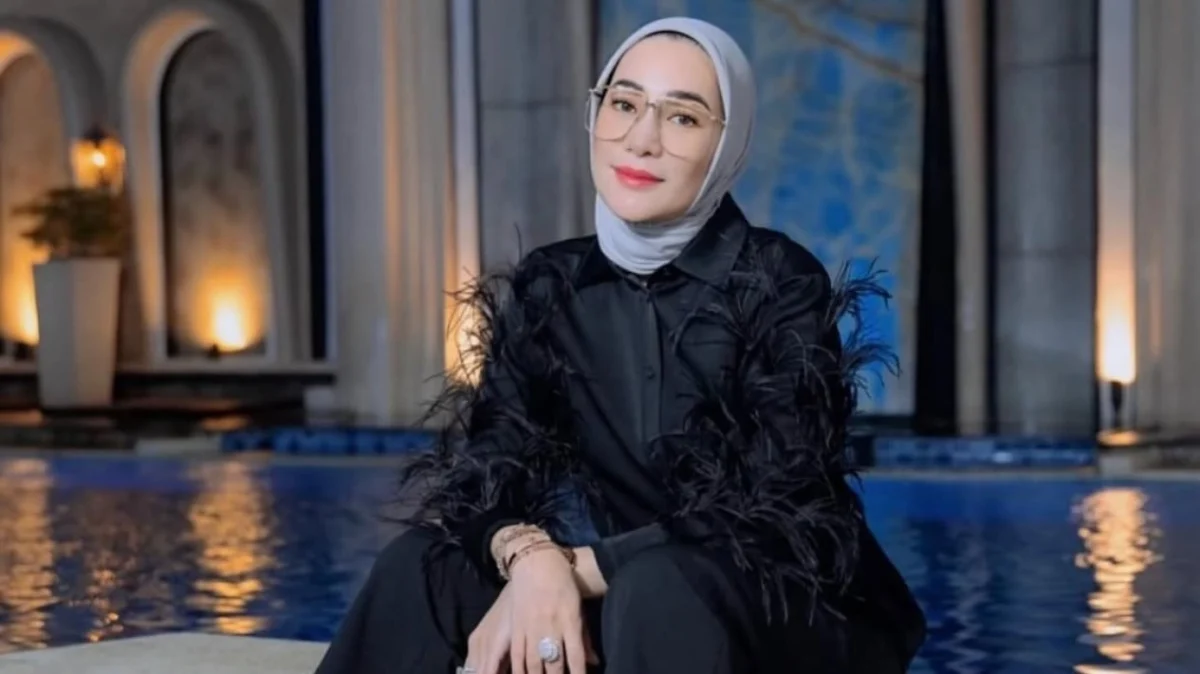
The legal landscape surrounding Rien Wartia Trigina, a public figure widely recognized as Erin, has taken a complex turn following the unexpected resignation of her prominent attorney, Sunan Kalijaga. This development, which surfaced during a critical phase of Erin’s ongoing litigation, has triggered a wave of public discourse regarding professional ethics and the stability of legal representation in high-profile cases. Erin, the former wife of the renowned Indonesian entertainer Andre Taulany, has publicly voiced her profound dissatisfaction with the manner in which the transition was handled, characterizing the move as a breach of professional standards. The situation has underscored the mounting tensions in her dual legal battles involving a former domestic worker, Hera, which include allegations of privacy violations and physical assault.
The controversy reached a boiling point on Wednesday, June 3, 2026, when Erin addressed the media in the Antasari area of South Jakarta. During this press briefing, she revealed that Sunan Kalijaga’s decision to step down as her lead counsel was made without sufficient prior consultation or a clear consensus. According to Erin, the resignation was not a mutual agreement but a unilateral shift that left her feeling abandoned at a pivotal moment in her legal journey. The crux of her frustration lies in the delegation of her case to other attorneys whom she had not personally vetted or approved for the primary role of her defense.
The Breach of Professional Expectations
Erin’s grievances center on what she perceives as a lack of transparency and professional courtesy. In the realm of high-stakes legal representation, the relationship between an advocate and a client is built on a foundation of trust and consistent communication. Erin asserted that the sudden handover of her case files to a different set of lawyers was a move she found unacceptable. "Suddenly, in the middle of the process, Mr. Sunan delegated the matter to lawyers I had not previously agreed upon. To me, this signifies a lack of professionalism," Erin stated firmly. She emphasized that as a client, she expected to be a primary stakeholder in any decision involving a change in the personnel managing her legal strategy.
Furthermore, Erin highlighted that she had fulfilled all her contractual obligations, including the payment of legal fees. In many professional service agreements, the fulfillment of financial obligations is expected to be met with a reciprocal commitment to the case until its conclusion or until a structured handover is mutually agreed upon. The feeling of being "passed off" to subordinates or external associates without a formal sit-down meeting contributed significantly to her decision to speak out. For a public figure like Erin, whose reputation is often tied to the outcomes of such legal disputes, the stability and caliber of her legal team are of paramount importance.
Chronology of the Legal Representation Shift
The timeline of Sunan Kalijaga’s involvement and subsequent withdrawal provides a clearer picture of the current legal vacuum Erin faced before appointing new counsel. Initially, Sunan Kalijaga was brought on board to navigate the complexities of Erin’s dispute with her former employee, Hera. Sunan, known for handling celebrity cases, was seen as a strategic choice for managing both the legal and public relations aspects of the conflict. However, reports indicate that Sunan eventually opted to mandate the handling of the case to a team of three female lawyers who had been assisting in previous legal agendas.
While it is common in large legal practices for senior partners to delegate tasks to associates, Erin’s contention is that this was not a mere delegation of tasks but a total withdrawal of Sunan’s personal oversight. Following this perceived abandonment, Erin acted swiftly to secure new representation. She has now officially appointed Misyal B. Achmad to lead her legal team. Misyal B. Achmad is expected to bring a fresh perspective to the case and restore the sense of professional rigor that Erin felt was missing during the transition.
The Underlying Dispute: Privacy Violations vs. Assault Allegations
To understand the weight of Sunan Kalijaga’s resignation, one must examine the gravity of the legal battles Erin is currently fighting. The conflict originated from a falling out between Erin and her former domestic worker, Hera. This is not a one-sided legal action but a "mutual report" situation where both parties have filed complaints with the authorities, leading to two distinct investigations.
First, Erin has filed a formal report against Hera regarding an alleged violation of privacy. In the digital age, privacy laws in Indonesia, particularly those governed by the Electronic Information and Transactions (ITE) Law, are increasingly stringent. Erin’s legal team contends that Hera overstepped boundaries, potentially involving the unauthorized dissemination of private information or recordings. Privacy disputes involving public figures often carry significant weight, as they involve the protection of one’s personal sphere from exploitation.
Conversely, Hera has retaliated by filing a police report against Erin, alleging physical assault (penganiayaan). Under the Indonesian Penal Code (KUHP), specifically Articles 351 or 352, allegations of assault are treated with high priority by investigators. Such charges, if proven, carry the risk of criminal penalties. Currently, both reports are in the investigative phase, with police gathering evidence and summoning witnesses to determine if there is sufficient cause to move to the trial stage. The departure of a lead attorney like Sunan Kalijaga during this sensitive evidentiary phase was, in Erin’s view, a disruption to the momentum of her defense.
Legal Ethics and the Advocate’s Code of Conduct
The situation brings to the forefront the Indonesian Advocate Code of Ethics (Kode Etik Advokat Indonesia). According to legal standards, an advocate has the right to withdraw from a case, but such a withdrawal must be executed in a way that does not prejudice the client’s interests. Article 4 of the Code of Ethics emphasizes that the relationship between an advocate and a client must be based on mutual trust. While an advocate can return a mandate, they are generally expected to provide ample notice and ensure a smooth transition to ensure the client is not left without representation during critical windows of investigation.
Legal analysts suggest that the "professionalism" Erin referred to likely pertains to the "duty of care" owed to a client. When a high-profile lawyer accepts a fee (Lawyer Fee), there is an implicit agreement that their expertise and personal involvement are the primary assets being purchased. If those assets are replaced by junior associates without the client’s explicit consent, it can lead to a breakdown in the contractual relationship.
Broader Implications for Public Figures and Legal Disputes
The friction between Erin and Sunan Kalijaga serves as a cautionary tale for other public figures navigating the Indonesian legal system. It highlights the importance of detailed engagement letters that specify the involvement of lead counsel versus associate staff. Moreover, the public nature of this fallout reflects the increasing trend of "trial by social media," where the procedural nuances of a case are debated in the court of public opinion long before they reach a courtroom.
For Erin, the stakes are high. Beyond the immediate legal consequences of the reports filed by and against Hera, there is the matter of her public image. As the former wife of one of Indonesia’s most beloved comedians, her actions are under constant scrutiny. A stable and communicative legal team is not just a tool for litigation but a shield against reputational damage. By appointing Misyal B. Achmad, Erin signals a desire to move past the internal drama of her legal representation and focus on the merits of the actual cases at hand.
Conclusion and Current Status of the Case
As of June 2026, the legal proceedings involving Erin and Hera remain in the hands of the authorities at the investigation level. The South Jakarta police are expected to continue their inquiry into the dual reports. The transition to Misyal B. Achmad marks a new chapter for Erin, who remains steadfast in her pursuit of justice regarding the privacy violations she claims to have suffered.
Meanwhile, the departure of Sunan Kalijaga from this specific case has left a mark on his professional relationship with Erin, though he continues to be a prominent figure in the legal community. The focus of the public and the media will now shift to how the new legal team handles the upcoming summons and whether the change in counsel will impact the speed or direction of the police investigation.
In a landscape where the lines between personal domestic disputes and criminal law often blur, this case stands as a significant example of the complexities inherent in celebrity litigation. The resolution of the reports—both the privacy claim and the assault allegation—will ultimately depend on the evidence presented and the ability of the new legal team to navigate the intricate web of Indonesian law. For now, Erin continues her search for legal closure, hoping that her new representation will provide the professional stability she found lacking in the previous arrangement.