Tata Titiana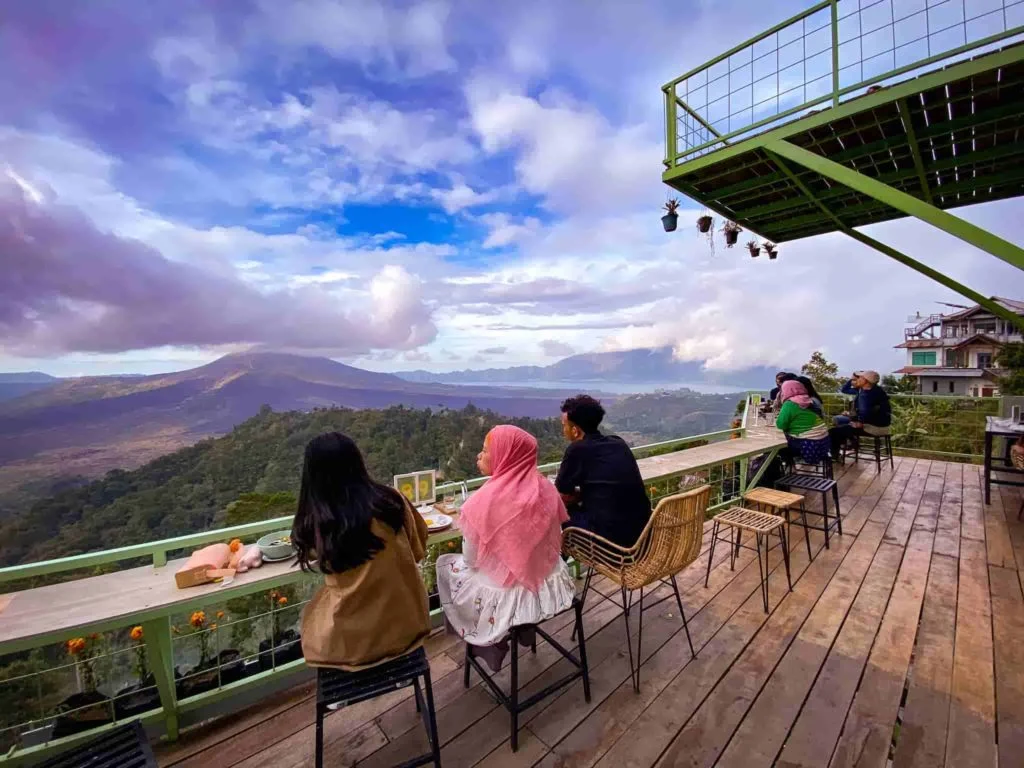
Bali has long held its position as Indonesia’s premier tourism crown jewel, renowned globally for its picturesque coastline, vibrant surfing culture, and deeply spiritual Hindu heritage. However, in recent years, the island’s tourism paradigm has undergone a significant geographical shift. While southern enclaves like Seminyak, Canggu, and Uluwatu continue to dominate beach-centric itineraries, the rugged central highlands of Kintamani have rapidly emerged as a sophisticated alternative destination. Driven by the proliferation of architecturally striking, view-oriented coffee shops, travelers are increasingly trading the tropical heat of the coast for the brisk, mountain air of the Bangli Regency. This evolution reflects broader trends in Indonesian domestic and international travel, where experiential dining, aesthetic architecture, and agritourism intersect against dramatic natural backdrops.
The transformation of Kintamani from a traditional agricultural and crater-view stopover into a thriving cafe hub is a phenomenon rooted in both economic diversification and changing consumer habits. Historically, visitors ventured to Penelokan solely to catch a brief glimpse of Mount Batur and its caldera lake before moving on. Recognizing the potential of this breathtaking topography, local entrepreneurs began developing modern hospitality venues that leverage the sweeping vistas. Today, these establishments serve as vantage points for observing not only Mount Batur, but also Mount Abang, Mount Agung, and Lake Batur, creating a localized economy centered around specialty coffee, highland agriculture, and scenic leisure.
To understand the scale of this highland hospitality boom, one must examine the specific destinations that have captured the imagination of travelers. Five distinct venues along the Kintamani ridge line illustrate the diverse architectural and experiential offerings driving this tourism sub-sector.
Tegu Kopi, Kintamani: A Pioneer of the Ridge
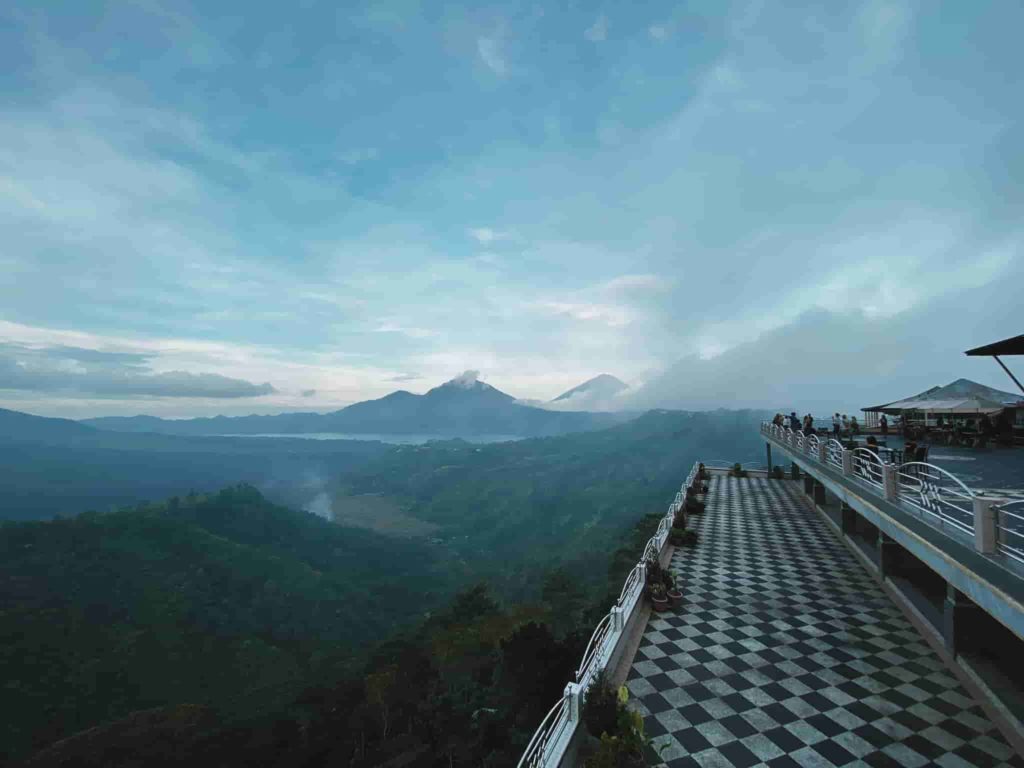
Established in December 2019 along the Jalan Raya Penelokan corridor in the Bangli Regency, Tegu Kopi stands as one of the earlier catalysts for the modern Kintamani cafe movement. Perched strategically on the edge of the highland ridge, the establishment offers uninterrupted panoramic views encompassing four major geographic landmarks: Mount Batur, Mount Abang, Mount Agung, and the vast expanse of Lake Batur.
Operating at an elevation that routinely sees temperatures drop to a crisp 17 to 18 degrees Celsius, Tegu Kopi provides a stark climate contrast to coastal Bali. The venue’s spatial design capitalizes on its orientation toward the east and south, making it a prime destination for afternoon visitors seeking to observe the sunset casting dramatic shadows across the mountain ranges. Industry observers note that venues like Tegu Kopi successfully bridged the gap between traditional roadside warungs and contemporary lifestyle spaces, setting a high benchmark for subsequent developments in the region.
Eco Bike Coffee: Integrating Agritourism and Vertical Architecture
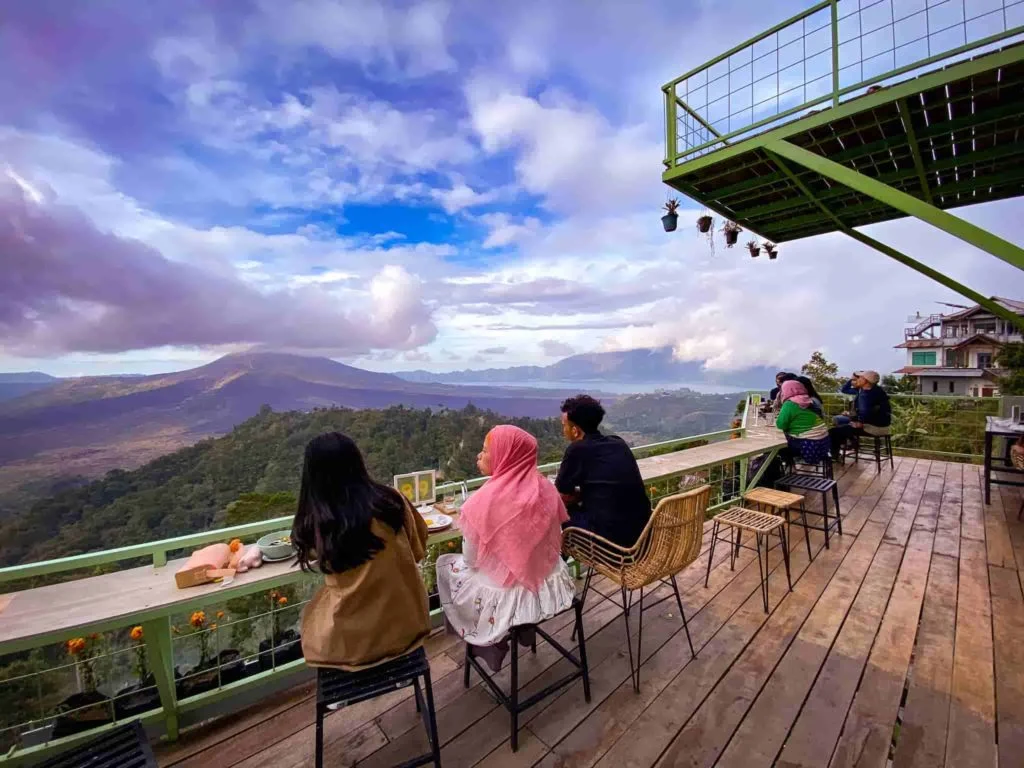
Expanding upon the concept of scenic hospitality, Eco Bike Coffee introduces a multi-tiered approach to the Kintamani cafe experience. Spanning three distinct levels, the establishment is frequently cited as one of the largest footprint operations along the cliffside. The structural layout serves a dual purpose: the first level is integrated with functional agricultural zones, featuring an operational coffee plantation and adjacent lodging facilities, while the upper-most third level functions as an open-air rooftop designed for unobstructed observation.
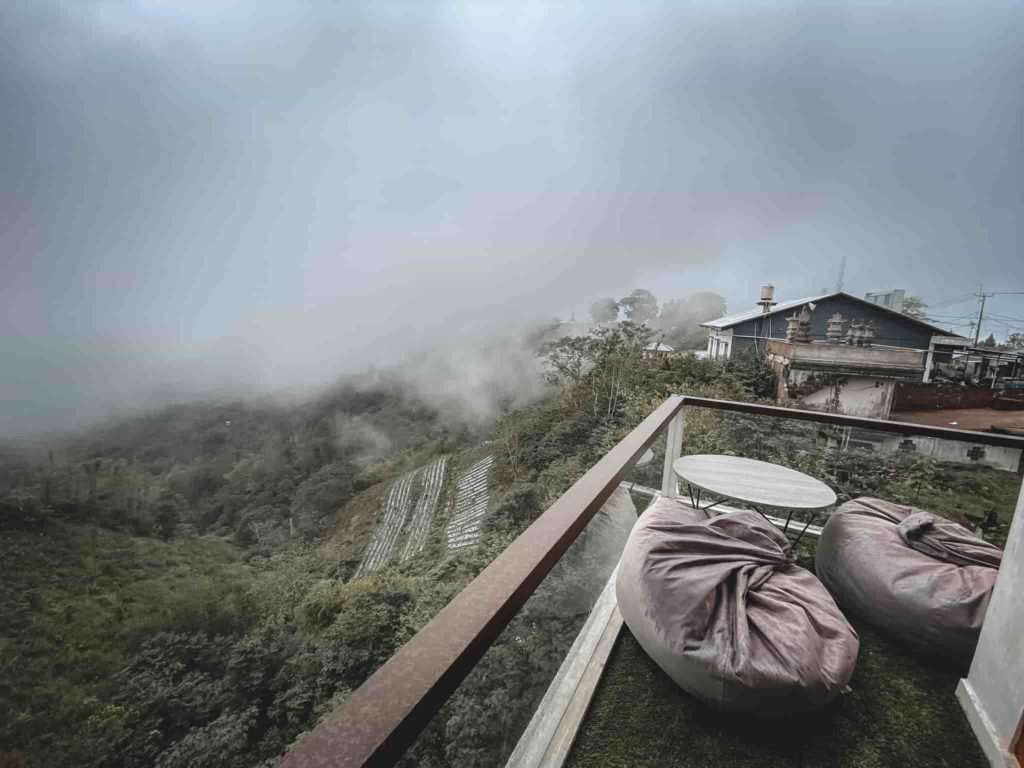
The operational model of Eco Bike Coffee highlights the growing trend of agritourism in Bali, where visitors can engage directly with the agricultural origins of the local product—specifically Kintamani Arabica coffee, which holds a prestigious Geographical Indication (GI) status. However, the venue’s management frequently advises patrons to monitor meteorological forecasts before visiting. Due to Kintamani’s dynamic microclimate, rapid cloud formations can envelop the caldera, occasionally reducing visibility to a dense white fog that obscures the surrounding peaks entirely.
Akasa Coffee: Elevated Comfort and Gastronomic Integration
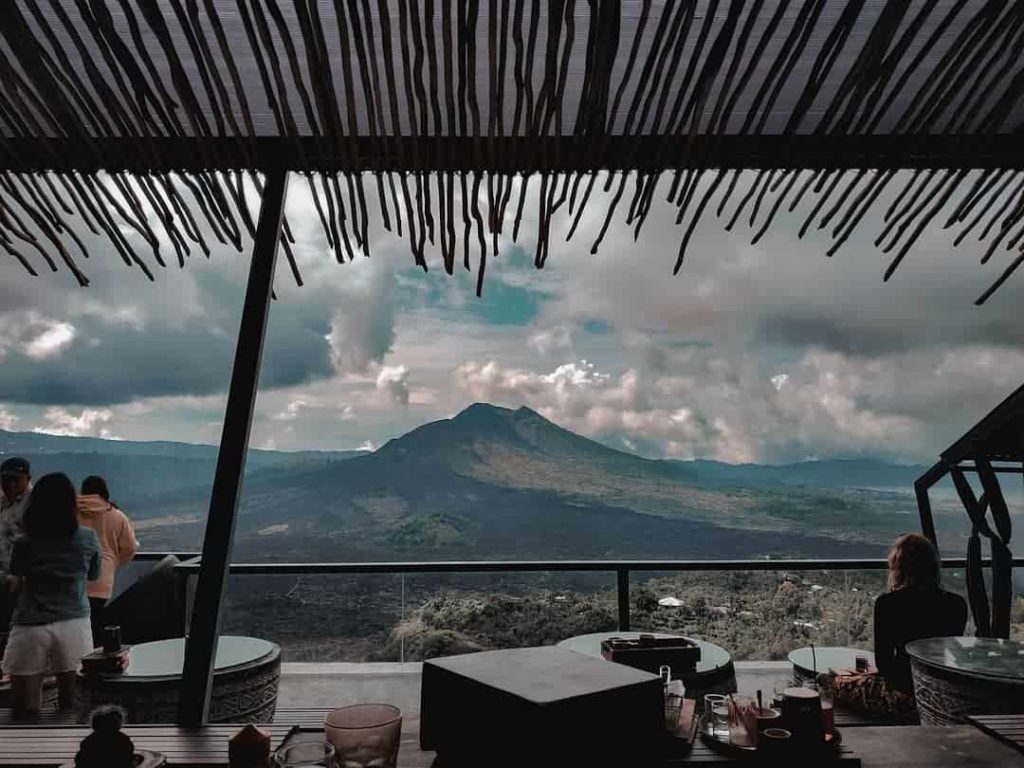
Positioned similarly along the caldera rim, Akasa Coffee has established a reputation for combining spatial comfort with a diverse culinary and beverage program. The venue capitalizes on the characteristically cool highland atmosphere, prompting visitors to adopt cold-weather attire—a rare requirement in tropical Bali.
Akasa’s menu reflects an evolution from simple espresso offerings to a comprehensive dining experience, featuring breakfast selections, artisanal teas, craft beers, and specialized coffee preparations, with average per-person expenditures hovering around IDR 150,000. This pricing structure aligns with mid-to-upper-tier dining in urban centers like Jakarta, indicating that domestic and international tourists are willing to pay a premium for the combination of high-altitude ambiance and curated menus. Like its neighbors, Akasa’s operational success remains heavily contingent on favorable weather conditions, reinforcing the seasonal and diurnal rhythms that govern highland tourism.
Batur 1926: Capitalizing on the Morning Horizon
While many highland venues focus on afternoon gatherings and sunset viewing, Batur 1926 has carved out a distinct niche by targeting the early morning demographic. Opening its doors well before dawn—specifically around 5:30 AM—the cafe caters to visitors seeking to witness the sunrise over the caldera.
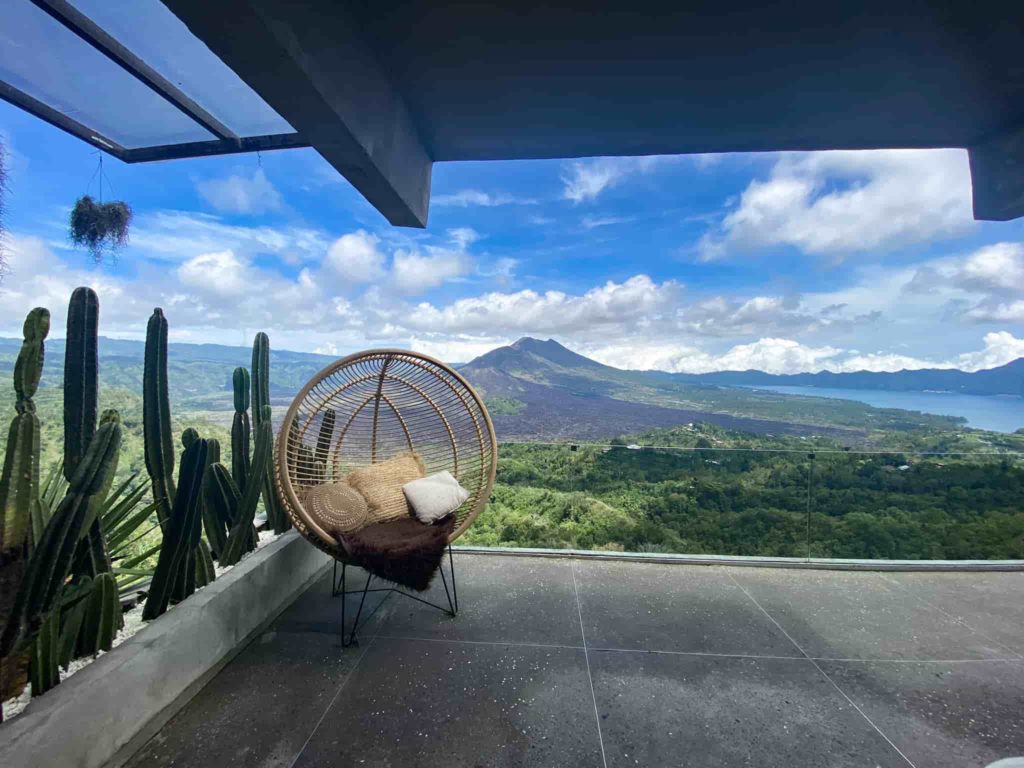
Architecturally, Batur 1926 incorporates traditional Balinese design elements, most notably traditional gateways (candi bentar) integrated into the rooftop terrace structures. When atmospheric conditions permit, guests are treated to a simultaneous view of three sacred peaks: Mount Batur, Mount Abang, and the towering silhouette of Mount Agung, Bali’s highest volcano. This strategic focus on dawn tourism has allowed Batur 1926 to capture a segment of travelers who combine early morning trekking of Mount Batur with a subsequent recovery breakfast at the cafe.
Kava Coffee: Architectural Transparency and Lake-Level Perspectives
Rounding out the prominent Kintamani cluster, Kava Coffee leverages its specific positioning near the legendary shoreline of Lake Batur to offer a distinct visual perspective. Unlike properties perched strictly on the upper ridge, Kava integrates its interior spaces closely with the immediate water and mountain topography.
The interior design relies heavily on expansive glass walls and semi-outdoor seating arrangements furnished with elongated communal tables. This architectural transparency ensures that even patrons seated deep within the interior maintain a direct visual connection to the surrounding landscape of Mount Batur, Mount Abang, and Mount Agung. The interior aesthetics are intentionally kept muted and complementary to the exterior geology, minimizing visual competition with the natural environment.
Socioeconomic Implications and Industry Analysis
The rapid proliferation of these cafes across Kintamani carries significant economic and environmental implications for the Bangli Regency. Historically, Bangli was one of Bali’s economically quieter regions, relying primarily on traditional agriculture, horticulture, and citrus farming. The tourism boom generated by the cafe sector has catalyzed local infrastructure development, created employment opportunities for local residents in hospitality and service roles, and increased land valuations along the Penelokan ridge.
Furthermore, these establishments have created a symbiotic relationship with local coffee farmers. Kintamani coffee, celebrated for its distinct citrus acidity and aroma resulting from volcanic soil and intercropping with citrus trees, finds a ready, high-value market directly on-site. Visitors frequently purchase beans directly from the cafes, supporting the local agricultural supply chain.
However, rapid development in a fragile highland ecosystem presents notable challenges. Local planning authorities and environmental groups have increasingly emphasized the need for sustainable land-use management, proper waste disposal systems, and water resource conservation in Kintamani. The geological sensitivity of the caldera rim requires rigorous adherence to building codes to prevent soil erosion and preserve the aesthetic integrity that draws visitors to the region in the first place.
Conclusion: The Future of Bali’s Highland Escape
The evolution of Kintamani from a remote agricultural outpost into Bali’s premier cafe destination demonstrates the shifting preferences of modern travelers. By offering a sophisticated blend of specialty coffee, striking contemporary architecture, and dramatic natural geography, venues like Tegu Kopi, Eco Bike Coffee, Akasa Coffee, Batur 1926, and Kava Coffee have successfully diversified Bali’s tourism portfolio. As the sector matures, the ongoing challenge for stakeholders and policymakers will be balancing economic growth and tourism appeal with rigorous environmental stewardship, ensuring that the majestic panoramas of the Bali highlands remain preserved for generations to come.