
 Chalifah Fatihah
Pasar Baru stands as one of Jakarta’s most enduring historical commercial districts, weaving a complex narrative of colonial heritage, architectural transition, and cultural synthesis since its establishment in the late 18th century. Founded in 1820 during the administration of Governor-General Daendels, the district originally served as a burgeoning shopping hub for the elite European residents moving away from the congested old Batavia city center. Over the centuries, Pasar Baru evolved into a vibrant melting pot where Dutch, Chinese, Arab, and indigenous Betawi communities converged, creating a unique socio-economic ecosystem. Today, while modern shopping malls dominate much of the Indonesian capital, Pasar Baru retains its distinct retro charm, characterized by vintage storefronts, heritage alleys, and a remarkably resilient culinary landscape. This gastronomic identity serves as a living archive of Jakarta’s culinary evolution, featuring establishments that have survived decades of political shifts, economic crises, and modernization. For food historians and culinary enthusiasts alike, navigating the narrow corridors and surrounding streets of Pasar Baru offers a multisensory journey through time. Below is an exhaustive journalistic overview of ten legendary heritage eateries in Pasar Baru, detailing their histories, culinary offerings, operational contexts, and their broader cultural significance in preserving Jakarta’s gastronomic heritage.
The Evolution of Pasar Baru as a Gastronomic Epicenter
The resilience of Pasar Baru’s culinary institutions is a testament to the district’s enduring commercial viability and the unwavering loyalty of its clientele. Unlike newer lifestyle hubs that rely on transient trends, eateries in Pasar Baru often anchor their appeal in culinary authenticity, generational recipes, and a deep-rooted sense of nostalgia. Many of these businesses were established in the post-independence era of the 1950s and 1960s, a formative period for Jakarta’s urban identity. As the city expanded, these establishments transitioned from serving colonial elites and early urbanites to feeding generations of Jakartans who return not merely for sustenance, but to reconnect with their personal and collective histories. The following curated list details ten foundational culinary pillars of the Pasar Baru district, categorizing their historical contributions, menu specialties, and pricing structures based on contemporary observational data.
-
Bakmi Gang Kelinci: A Post-Independence Noodle Institution
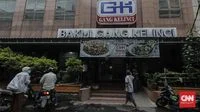
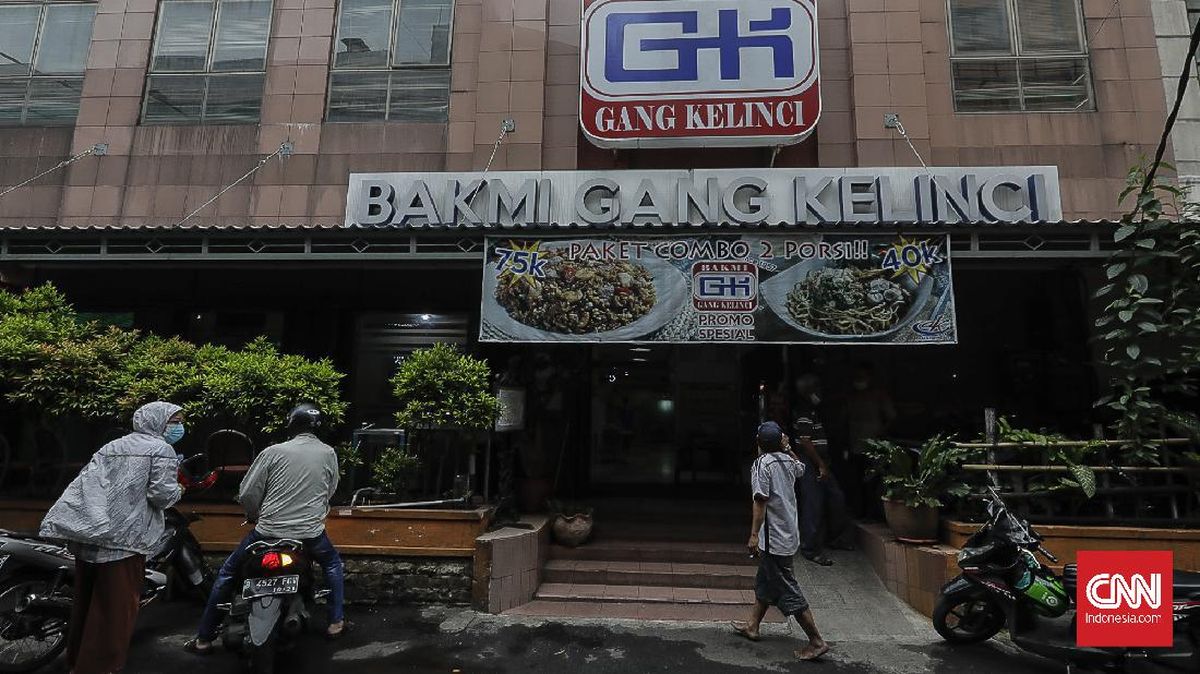
Operating continuously since 1957, Bakmi Gang Kelinci represents one of the most recognizable legacies of Chinese-Indonesian culinary integration in central Jakarta. Situated at Jalan Kelinci Raya No. 1-3, the establishment weathered significant socio-political transitions in the late 1950s and 1960s, gradually expanding from a modest alley stall into a multi-generational dining destination. The restaurant specializes in classic Chinese-Indonesian chicken noodles, characterized by springy egg noodles, savory broth, and tender poultry toppings. Over the decades, the menu has diversified to include Indonesian comfort foods such as fried rice (nasi goreng), flat rice noodles (kwetiau), and various preparations of gourami fish. Maintaining an accessible pricing model with dishes starting at approximately Rp25,000, Bakmi Gang Kelinci bridges the gap between heritage dining and mass affordability, cementing its status as an essential landmark in Jakarta’s culinary geography. -
Soto Ludi Metro Pasar Baru: Midday Comfort in the Commercial Core
Located strategically within the Metro Pasar Baru complex at Jalan Samanhudi No. 3, Soto Ludi caters to the bustling daytime workforce and shoppers navigating the district’s textile and retail markets. Specializing in traditional Indonesian soto, the establishment is renowned for its aromatic, deeply spiced broth served with various protein accompaniments. As a commercial anchor within the Metro development, Soto Ludi demonstrates how traditional street-food vendors successfully integrated into indoor commercial spaces during Jakarta’s vertical architectural boom in the late 20th century. With menu items priced accessibly from approximately Rp20,000, the eatery provides a reliable, high-turnover dining option that reflects the fast-paced yet culturally anchored rhythm of daily life in central Jakarta.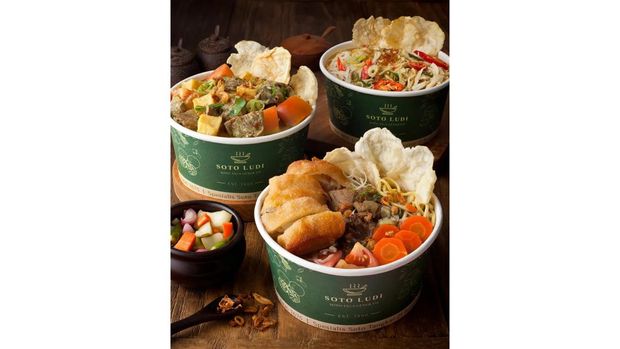
-
Bakmi Aboen: Preserving Non-Halal Heritage Since 1962
Established in 1962 at Jalan Belakang Kongsi No. 16, Bakmi Aboen remains a cornerstone of non-halal heritage cuisine in Pasar Baru. Operating for over six decades, the eatery is celebrated for its authentic preparation of traditional pork-topped noodles, featuring signature toppings such as sweet barbecued pork (charsiu) and seasoned minced meat. The longevity of Bakmi Aboen highlights the enduring demand for specialized heritage recipes that adhere strictly to traditional preparation methods. Priced around Rp50,000 per portion, the establishment attracts dedicated culinary tourists and long-time residents who value uncompromising flavor profiles and historical continuity in an increasingly homogenized urban food landscape. -
Bakmi Sui Sen: Modern Integration in Plaza Metro Atom
Situated inside the Plaza Metro Atom complex, Bakmi Sui Sen illustrates the dynamic relocation and adaptation of traditional eateries into modern retail infrastructure. Like its contemporaries in the district, Bakmi Sui Sen operates as a non-halal establishment offering an array of pork-based noodle dishes and supplementary comfort foods. Its strategic location within Plaza Metro Atom ensures high foot traffic from shoppers exploring the electronics and vintage goods markets nearby. With price points ranging from Rp40,000 to Rp80,000, Bakmi Sui Sen bridges the old-world flavors of historic Batavia with the convenience of contemporary indoor dining environments. -
Cakue Ko Atek: Artisanal Dough Fritters Through the Decades
Shifting the focus from heavy meals to traditional street snacks, Cakue Ko Atek has been a fixture of Jalan Belakang Kongsi No. 31 since 1971. Founded by Ko Atek, the stall specializes in artisanal Chinese crullers (cakue) and sweet fried dough pillows (kue bantal), fried fresh daily using techniques passed down through generations. Operating just doors away from major noodle institutions, this modest street-side vendor plays an essential role in preserving the informal snack culture that historically defined Jakarta’s commercial districts. Priced at approximately Rp6,000 per piece, Cakue Ko Atek offers an affordable, highly tactile culinary experience that connects modern consumers with the simple pleasures of 1970s street gastronomy.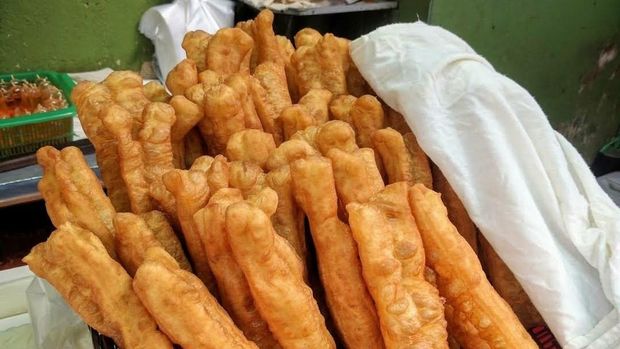
-
Bakmi Soen Yoe (Soen Yoe Resto): Culinary Synthesis on Kelinci III
Also known as Soen Yoe Resto and located at Jalan Kelinci III No. 9, this establishment adds to the rich tapestry of heritage noodle houses clustered around the Pasar Baru residential grid. Established during an era of significant culinary exchange, Soen Yoe offers a comprehensive menu featuring traditional noodles alongside specialized non-halal dishes such as Chinese-Peranakan pork rolls (gohyong babi) and crispy roasted pork. With prices varying between Rp36,000 and Rp85,000, the restaurant functions as both a casual eatery and a historical archive of Peranakan culinary traditions that have shaped Jakarta’s urban palate for generations. -
Restoran Tropic: A Mid-Century Ice Cream Sanctuary
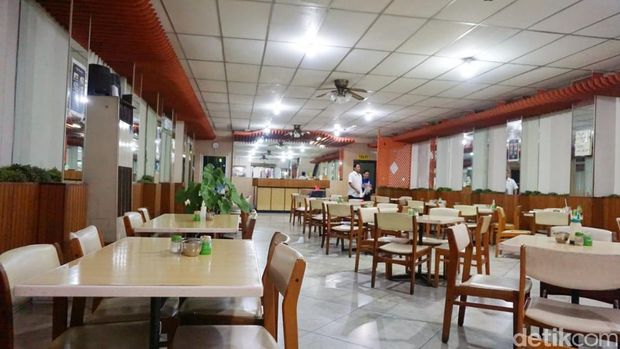
Dating back to the 1950s, Restoran Tropic at Jalan Pasar Baru No. 28A offers a distinct architectural and culinary departure from the surrounding noodle shops and soto stalls. Operating as a vintage ice cream parlor and restaurant, Tropic preserves the mid-century modern aesthetic of post-colonial Jakarta, featuring classic interior layouts that transport patrons directly into the mid-20th century. Renowned primarily for its artisanal ice cream produced via legacy recipes, the restaurant provides a cool sanctuary from the tropical heat of the district. With desserts and meals priced between Rp20,000 and Rp40,000, Restoran Tropic serves as a living museum of urban leisure, illustrating how Jakartans socialized and dined during the early decades of the Indonesian republic. -
Soto Betawi Globe H. Oji: Honoring Indigenous Jakarta Flavors
Representing the indigenous culinary traditions of the Betawi people, Soto Betawi Globe H. Oji at Jalan Samanhudi No. 4 offers a rich, culturally distinct counterpoint to the Chinese-Indonesian noodle houses dominating much of the district. The establishment specializes in authentic Soto Betawi, characterized by its creamy, coconut-milk-and-milk-blended broth infused with aromatic spices, paired with generous portions of beef and offal. Operating in a district historically shaped by immigrant communities, this establishment underscores the vital presence of native Betawi culture within central Jakarta’s commercial core. Priced between Rp25,000 and Rp50,000, the restaurant delivers a hearty, culturally grounded dining experience essential for understanding the multi-ethnic fabric of the capital.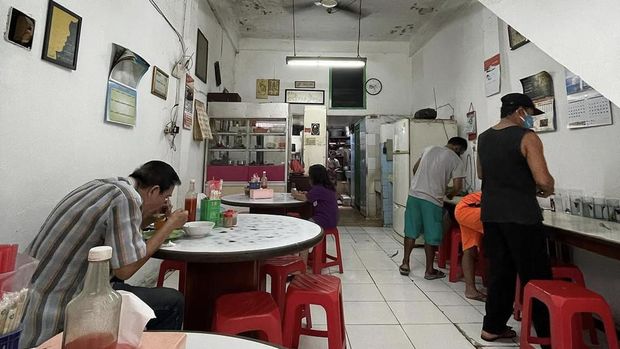
-
Soto Padang H. St. Mangkuto: Minangkabau Heritage Since 1942
Expanding the regional diversity of Pasar Baru’s culinary landscape, Soto Padang H. St. Mangkuto has served authentic West Sumatran cuisine since 1942. Located at Jalan Pintu Air Raya No. 26, this institution predates Indonesian independence, making it one of the oldest continuously operating culinary businesses in the area. The restaurant’s signature soto Padang features a clear, intensely spiced beef broth accompanied by crispy beef chunks (paru goreng), rice vermicelli, and potato cakes. With prices ranging from approximately Rp9,000 to Rp49,000, H. St. Mangkuto demonstrates the historic migration and settlement of Minangkabau entrepreneurs in Jakarta’s primary commercial hubs, enriching the city’s gastronomic identity long before the era of modern culinary franchising. -
Pondok Bakso Loncat: Contemporary Heritage in Metro Atom
Rounding out the list is Pondok Bakso Loncat, operating since 1998 on the first floor of Metro Atom Plaza at Jalan Gereja Ayam. While younger than many of its historical neighbors, the establishment has earned a legendary status through its unique integration of traditional Indonesian meatballs (bakso) with the Southeast Asian yong tau fu concept—a popular Chinese-derived dish featuring stuffed tofu and vegetables served in a savory broth. Offering over twenty customizable ingredients including fishballs, stuffed bitter melon, and seafood components, the eatery caters to modern preferences for interactive dining. With budgets ranging from Rp50,000 to Rp75,000 per person depending on selected items, Pondok Bakso Loncat proves that Pasar Baru continues to attract innovative culinary concepts while maintaining its core identity as a destination for communal, comforting food.
Socio-Economic Implications and the Preservation of Urban Heritage
The endurance of these ten culinary institutions carries profound implications for urban planning, cultural preservation, and tourism economics in Jakarta. As the Jakarta Provincial Government increasingly emphasizes heritage tourism and the revitalization of historic districts like Kota Tua and Pasar Baru, traditional eateries function as vital cultural assets. They drive foot traffic, support local supply chains, and maintain the intangible cultural heritage of the city. However, these businesses face ongoing challenges, including shifting generational leadership, rising urban land values, and competition from modern F&B franchises. Anthropological and economic analyses suggest that the survival of establishments like Bakmi Gang Kelinci, Restoran Tropic, and Soto Padang H. St. Mangkuto depends not only on culinary quality but also on adaptive business practices and institutional recognition. By positioning these heritage eateries as central pillars of cultural tourism, urban stakeholders can ensure that the historical memory embedded in the alleys of Pasar Baru continues to inform and enrich future generations of Jakartans.