Chalifah Fatihah
For Indonesian pilgrims undertaking the sacred journey of Hajj, the culinary landscape of Saudi Arabia, while rich in its own right, can sometimes leave them longing for the familiar flavors of home. After days of savoring Middle Eastern cuisine, a deep-seated craving for Indonesian dishes, from the comforting warmth of nasi goreng to the savory broth of soto, often surfaces. Fortunately, Madinah offers a welcoming array of Indonesian restaurants, strategically located near the revered Masjid Nabawi, providing a culinary sanctuary for these pilgrims. These establishments not only serve as a reminder of home but also offer a much-needed comfort and energy boost during their spiritually demanding pilgrimage.
The Hajj, a cornerstone of Islamic faith, is a journey of profound spiritual significance, requiring immense physical and mental fortitude. While the focus remains on religious devotion and introspection, the practicalities of daily life, including sustenance, play a crucial role in ensuring pilgrims can fully engage in their worship. The Saudi government, recognizing the diverse needs of millions of international pilgrims, has facilitated the presence of various national eateries within the holy cities of Mecca and Madinah. This initiative is particularly vital for pilgrims from countries with distinct culinary traditions, such as Indonesia, the world’s most populous Muslim-majority nation.
The presence of Indonesian restaurants in Madinah is not merely a matter of convenience; it’s a testament to the global reach of Indonesian culture and cuisine. These eateries serve as vital hubs for the Indonesian community, fostering a sense of camaraderie and shared experience. For many, a meal at one of these restaurants is more than just sustenance; it’s an emotional anchor, a brief respite from the overwhelming grandeur of the holy sites, and a tangible connection to their homeland. The proximity of these restaurants to Masjid Nabawi, the second holiest mosque in Islam, makes them easily accessible for pilgrims seeking a familiar taste after their prayers and religious observances.
Sunda Restaurant: A Culinary Beacon Near Masjid Nabawi
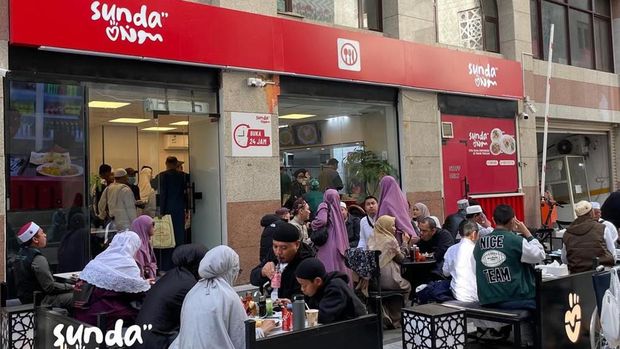
Among the most strategically positioned Indonesian eateries is Sunda Restaurant. Its prime location, approximately 1.4 kilometers from Masjid Nabawi, directly facing the Umar bin Khattab gate, makes it an easily accessible choice for pilgrims. This proximity is a significant advantage, allowing visitors to quickly find a comforting meal without venturing too far from their place of worship.
Sunda Restaurant boasts a diverse menu that caters to a wide range of Indonesian palates. Visitors can indulge in classic dishes such as nasi goreng (fried rice), bakso (meatball soup), mie ayam (chicken noodles), and various types of soto (traditional Indonesian soup). The inclusion of popular Indonesian snacks like gorengan (fritters) further enhances the authentic experience. Even beverages are thoughtfully curated, with options like hot tea, coffee, and es campur (mixed ice dessert) available starting at 2 Saudi Riyals (SAR), roughly equivalent to Rp8,600.
The pricing at Sunda Restaurant is particularly noteworthy, with main courses beginning at 10 SAR (approximately Rp43,000). This affordability is a crucial factor for pilgrims managing their budgets during the pilgrimage, making it an attractive option for daily meals. The restaurant’s commitment to offering both quality and value has undoubtedly contributed to its popularity among the Indonesian pilgrim community.
Al-Qarat Restaurant: Expanding Culinary Horizons
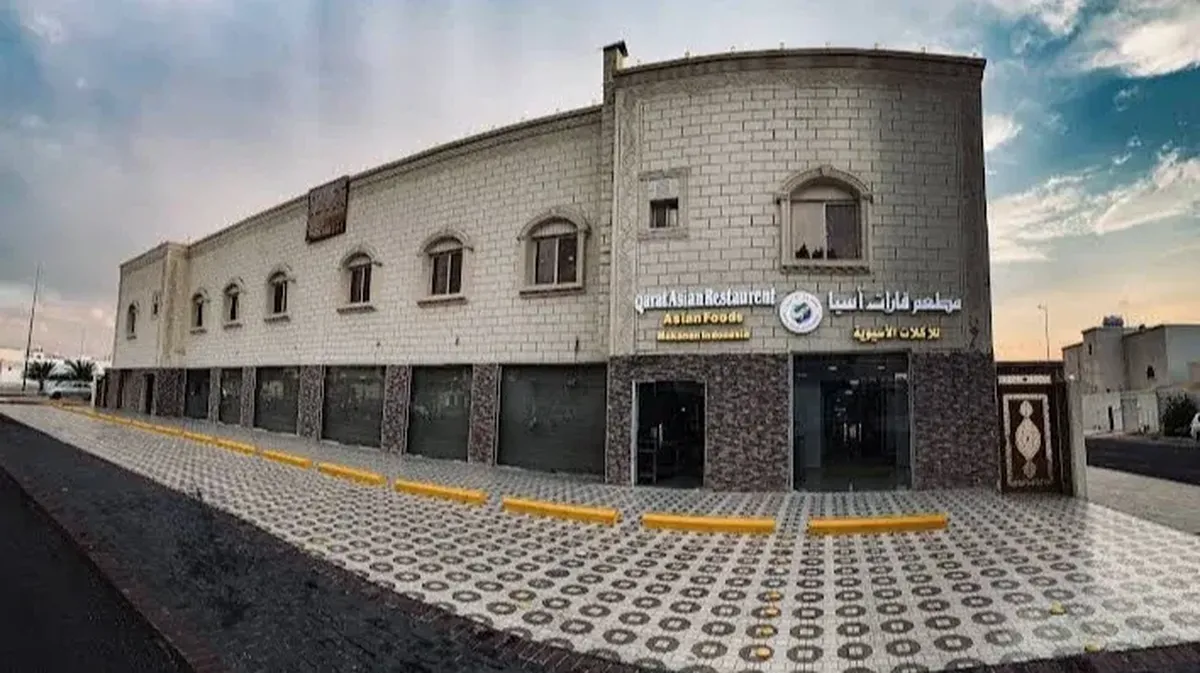
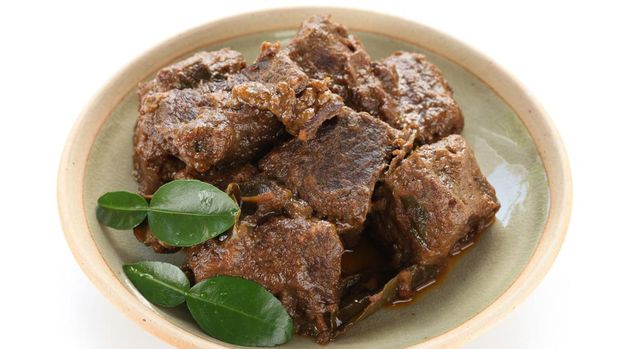
For those seeking a broader spectrum of Indonesian flavors, Al-Qarat Restaurant presents a compelling alternative. This establishment offers an extensive menu that includes beloved dishes like rendang (slow-cooked meat dish), bakso, and regional specialties such as ikan pesmol (fish in turmeric sauce) and capcay (stir-fried vegetables). The variety ensures that even the most discerning taste buds can find something to satisfy their cravings.
While Al-Qarat Restaurant might be situated a bit further from Masjid Nabawi, at approximately 7.3 kilometers, its culinary offerings make the journey worthwhile for many. The average price for a meal here starts around 15 SAR (approximately Rp64,500). This slightly higher price point reflects the expanded menu and potentially more elaborate preparations, offering a more extensive Indonesian dining experience. The restaurant’s willingness to venture beyond the most common dishes speaks to a deeper understanding of Indonesian culinary diversity and a commitment to serving the community comprehensively.
Padang Cuisine Bu’yung: An Authentic Taste of West Sumatra
A dedicated haven for lovers of Padang cuisine, Padang Cuisine Bu’yung is a must-visit for pilgrims from Sumatra Barat. Its location is conveniently close to the Ali bin Abi Thalib gate of Masjid Nabawi, ensuring easy access. The restaurant prides itself on serving authentic Padang dishes, reflecting the rich and complex flavors characteristic of this region.
The menu features iconic dishes such as rendang, with an intriguing option of camel rendang, offering a unique local twist. Other highlights include tunjang (beef trotters), ikan kembung bakar (grilled mackerel), and dendeng batokok (flattened dried beef). Meal packages at Padang Cuisine Bu’yung start at 25 SAR (approximately Rp107,500). While this might be on the higher end compared to some other options, the generous portion sizes ensure that pilgrims receive a hearty and satisfying meal, ideal for replenishing energy after a demanding day of worship. The authenticity of the dishes, combined with the substantial servings, provides excellent value for those seeking a true taste of Padang.
Jawa Restaurant: Simple Pleasures of Javanese Cuisine
Jawa Restaurant offers a simpler yet deeply satisfying culinary experience, focusing on the comforting flavors of Javanese cuisine. Located in the vicinity of Masjid Nabawi and accessible from door 339, it provides a convenient option for pilgrims seeking familiar tastes. The menu features approachable dishes that resonate with the everyday meals of many Indonesians, including nasi campur (mixed rice), bakso, mie ayam, and a variety of Indonesian snacks and fried items.
The pricing at Jawa Restaurant is also quite reasonable, with meals starting from 20 SAR (approximately Rp86,000). This affordability, coupled with the comforting and familiar nature of the dishes, makes it a popular choice for those who appreciate the understated elegance of Javanese cooking. The restaurant’s ability to evoke a sense of home through its simple, well-executed dishes underscores the emotional significance of food for pilgrims far from home.
Rumah Makan Warmiendo: A Nostalgic "Hangout" Spot
For pilgrims yearning for the casual atmosphere of Indonesian street food stalls and local eateries, Rumah Makan Warmiendo offers an enticing experience. The menu here is designed to evoke the feeling of a typical Indonesian "tongkrongan" (hangout spot), featuring beloved street food classics. Dishes like mie nyemek (semi-dry noodles), mie tek-tek (a popular noodle dish often sold by street vendors), nasi goreng kampung (village-style fried rice), and regional specialties like tekwan, pempek, and batagor are all available.
The pricing at Warmiendo ranges from 18 SAR (approximately Rp77,400) per menu item. This makes it an attractive option for pilgrims looking for delicious and filling meals without straining their finances. Warmiendo’s success lies in its ability to recreate the vibrant and accessible culinary scene of Indonesia, offering a comforting and familiar environment that resonates deeply with the pilgrims’ sense of belonging.
The Broader Significance of Indonesian Culinary Presence in Madinah
The presence of these Indonesian restaurants in Madinah transcends mere gastronomic provision. They represent a vital support system for Indonesian pilgrims, offering not only familiar tastes but also a sense of community and cultural connection. In the context of a long and demanding spiritual journey, these establishments provide moments of respite, comfort, and familiar warmth. The ability to enjoy a plate of rice with favorite Indonesian side dishes can serve as a powerful reminder of home, fostering a sense of emotional well-being that can, in turn, enhance spiritual focus and dedication.
The Saudi authorities’ support for diverse culinary offerings in the holy cities is a crucial aspect of facilitating the Hajj experience for millions of international pilgrims. By allowing and even encouraging the establishment of restaurants catering to specific national cuisines, they acknowledge the diverse needs and cultural backgrounds of the global Muslim community. This inclusive approach ensures that pilgrims can perform their religious duties with greater ease and comfort, knowing that essential aspects of their daily lives are catered for.
Implications for Pilgrim Well-being and Cultural Exchange
The availability of Indonesian food in Madinah has several positive implications for the well-being of Indonesian pilgrims. Firstly, it addresses potential dietary challenges. While Saudi cuisine is diverse, the sudden shift in diet can sometimes lead to digestive issues for some individuals. Access to familiar foods can help mitigate these problems, ensuring pilgrims remain healthy and energized. Secondly, it provides a much-needed psychological comfort. The feeling of being far from home can be overwhelming, and the presence of familiar tastes and smells can significantly alleviate homesickness, allowing pilgrims to focus more effectively on their spiritual journey.
Furthermore, these restaurants serve as informal cultural exchange points. They are not only patronized by Indonesian pilgrims but also offer an opportunity for pilgrims from other nations, as well as local residents, to experience the rich and diverse flavors of Indonesian cuisine. This cross-cultural interaction, even within the context of a religious pilgrimage, fosters understanding and appreciation for different cultures.
Looking Ahead: Sustaining Cultural Comfort During Spiritual Journeys
As the number of pilgrims undertaking the Hajj continues to grow, the role of establishments like Sunda Restaurant, Al-Qarat Restaurant, Padang Cuisine Bu’yung, Jawa Restaurant, and Rumah Makan Warmiendo becomes increasingly significant. Their commitment to providing authentic Indonesian flavors and a welcoming atmosphere plays a crucial part in ensuring that Indonesian pilgrims can undertake their sacred journey with both spiritual fulfillment and a comforting sense of home. The Saudi government’s continued support for such initiatives will be vital in ensuring that the spiritual heartland of Islam remains a welcoming and accommodating place for all Muslims, regardless of their national origin or culinary preferences. The simple act of enjoying a familiar meal in a foreign land can indeed make the profound journey of Hajj even more meaningful and manageable.