Tyo Susilo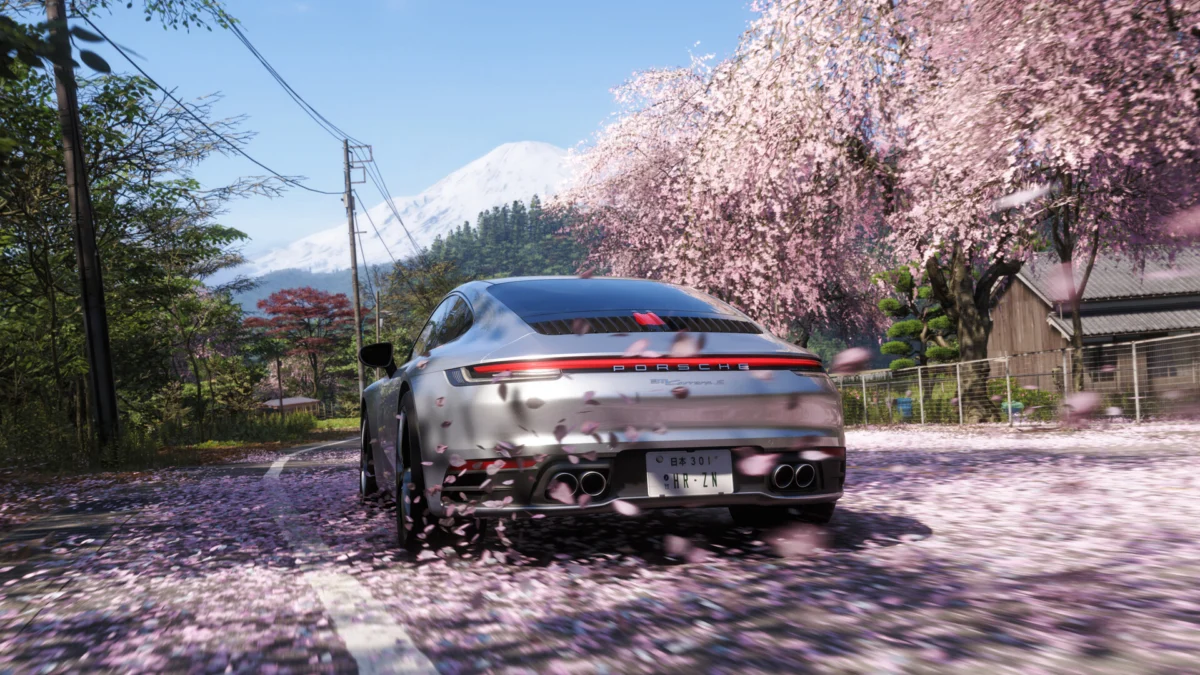
Just days after its official global launch, Playground Games’ highly anticipated racing title, Forza Horizon 6, has achieved a monumental milestone, drawing in over six million players. This remarkable figure underscores the franchise’s enduring appeal and its continued dominance within the modern racing game genre. The early success of Forza Horizon 6 not only solidifies its position as a leading contender but also signals a sustained surge in popularity for the beloved series.
A Rapid Ascent to Dominance
The accelerated player acquisition for Forza Horizon 6 began even before its full release. During the game’s Early Access period, which commenced on May 15th, the title had already captivated over one million players. This initial surge of enthusiasm provided a strong indicator of the widespread anticipation and eagerness among gamers to experience the latest iteration of the Horizon festival. The official global launch on May 19th then propelled these numbers to unprecedented heights.
The official announcement of the six million player milestone was made by the Forza Horizon development team via their social media channels. This rapid growth, achieved in less than a week post-launch, is a testament to the game’s immediate impact and its ability to resonate with a massive audience. Data from Steam, a prominent PC gaming platform, further illustrates this success, with hundreds of thousands of players actively engaging with the game concurrently. This high level of simultaneous activity suggests a deeply immersive and compelling player experience from the outset.
Strategic Setting and Cultural Resonance
A significant contributing factor to Forza Horizon 6’s exceptional performance is its meticulously crafted setting: Japan. For years, fans of the Forza Horizon franchise have expressed a strong desire for the series to venture into the culturally rich and automotive-centric landscape of Japan. Playground Games’ decision to finally bring the Horizon festival to this iconic nation appears to have been a masterstroke, resonating deeply with both long-time fans and new players.
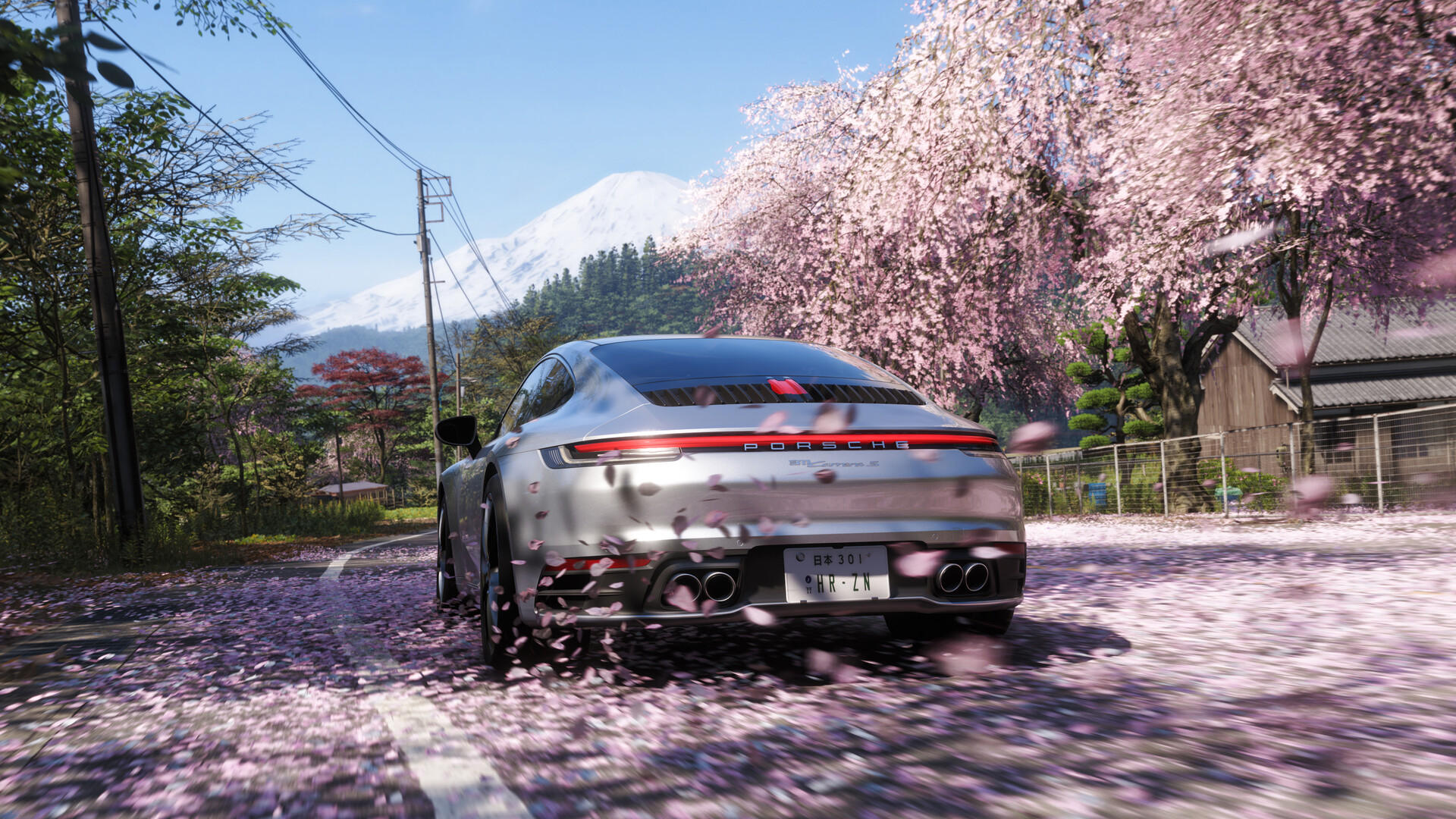
The open world of Forza Horizon 6 is a vibrant tapestry woven with authentic Japanese cultural elements. Players are immersed in diverse and breathtaking landscapes, from bustling urban environments that echo Tokyo’s neon glow to serene rural vistas and winding mountain passes. The game thoughtfully integrates local motifs, including engaging in unique races that feature nods to Japanese pop culture, such as stylized mecha-inspired challenges. This attention to detail in world-building creates an environment that is not only visually stunning but also rich with opportunities for exploration and thrilling competition. The very design of the roads and environments seems to have been optimized for both high-speed racing and leisurely discovery, a hallmark of the Horizon series.
Community Engagement and Modding Scene Flourish
The enthusiastic reception of Forza Horizon 6 extends beyond raw player numbers; it is also reflected in the vibrant and creative PC modding community. Even during the Early Access phase, players began actively developing and sharing a wide array of modifications and custom content online. This early surge in modding activity demonstrates the community’s deep engagement with the game and their desire to expand and personalize their experiences.
The availability of robust modding tools and the sheer creativity of the player base have led to a rapid influx of new cars, gameplay tweaks, and cosmetic enhancements. This dynamic ecosystem not only adds longevity to the game but also serves as a powerful form of organic marketing, drawing in more players who appreciate the potential for customization and endless replayability. The proactive engagement from the modding community is a strong indicator of Forza Horizon 6’s potential for long-term success and sustained player interest.
A Legacy of Excellence: The Forza Horizon Franchise
The Forza Horizon series has consistently been a benchmark for excellence in the racing game genre since its inception. Launched in 2012 as a spin-off from the more simulation-focused Forza Motorsport series, Forza Horizon aimed to provide a more accessible, open-world, and festival-themed racing experience. This vision proved to be incredibly popular, with each subsequent installment building upon the successes of its predecessors.
- Forza Horizon (2012): Introduced the world to the concept of a vibrant, music-filled racing festival set against stunning natural backdrops. It debuted in Colorado, USA, establishing the core gameplay loop of exploration, racing, and car collection.
- Forza Horizon 2 (2014): Expanded the festival to Southern Europe, offering a larger and more interconnected open world. This installment saw improvements in graphics and gameplay mechanics, further solidifying the franchise’s appeal.
- Forza Horizon 3 (2016): Shifted the setting to Australia, renowned for its diverse landscapes ranging from lush rainforests to arid outback. It introduced more dynamic weather systems and expanded player customization options.
- Forza Horizon 4 (2018): Took players to the United Kingdom, featuring a visually stunning recreation of its diverse terrains and introducing the revolutionary seasonal cycle, where the game world dynamically changed with the seasons, impacting gameplay and environment.
- Forza Horizon 5 (2021): Set in Mexico, this installment pushed graphical boundaries and introduced an even larger and more dynamic open world, incorporating a variety of biomes and featuring improved physics and accessibility options. It was also the first game in the series to launch day-one on Xbox Game Pass.
The consistent critical acclaim and commercial success of each entry have built a substantial and loyal player base. Forza Horizon 6’s record-breaking launch is not an isolated incident but rather a continuation of a well-established trend of strong performance, demonstrating Playground Games’ consistent ability to innovate and deliver high-quality racing experiences.

Expert Analysis and Future Implications
The immediate and overwhelming success of Forza Horizon 6 carries several significant implications for the gaming industry and the racing genre specifically. Firstly, it reinforces the commercial viability of ambitious, high-fidelity open-world racing games. The investment in detailed world design, compelling gameplay mechanics, and broad accessibility has clearly paid dividends.
Secondly, the game’s success in Japan, a market with a deeply ingrained automotive culture, suggests a growing global appeal for the franchise. The careful integration of Japanese culture into the game’s design has likely broadened its reach and appeal beyond traditional Western markets. This could pave the way for future titles to explore diverse cultural settings with greater confidence.
Thirdly, the strong performance on PC, evidenced by high concurrent player counts on Steam and the prolific modding scene, highlights the importance of cross-platform development and support. The ability to cater to both console and PC players, and to foster a thriving PC community through modding, is crucial for maximizing a game’s reach and longevity.
The rapid player acquisition also speaks volumes about the effectiveness of Playground Games’ marketing and community engagement strategies. The consistent communication with fans, the teasing of new features, and the creation of a sense of anticipation all contribute to a strong launch.
Looking ahead, the sustained engagement of these millions of players will be a key indicator of Forza Horizon 6’s long-term success. With ongoing content updates, seasonal events, and the continued support of the modding community, the game is well-positioned to remain a dominant force in the racing genre for years to come. The challenge for Playground Games will be to maintain this momentum, continuously innovating and surprising its player base to keep the Horizon festival as vibrant and exciting as it has proven to be in its initial, record-breaking week. The question on many players’ minds is whether they are among the six million who have already joined the celebration, and if so, what further adventures await them on the virtual streets of Japan.