Eko Sulistyo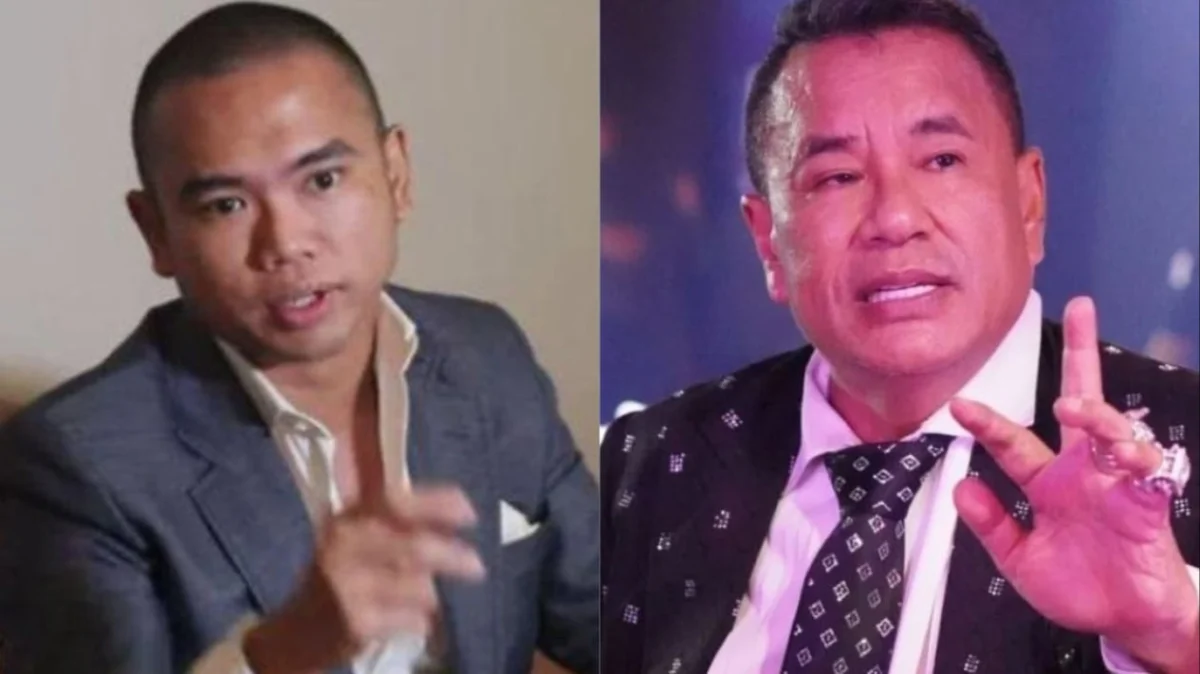
The public perception of the Hotman 911 legal aid program, a staple of Indonesia’s populist legal landscape, faced an unprecedented internal challenge on Saturday, July 18, 2026, when Frank Alexander Hutapea, the eldest son of famed litigator Hotman Paris Hutapea, publicly dismissed the initiative as a calculated marketing maneuver. This internal family rift surfaced during a period of heightened scrutiny for Hotman Paris, who recently announced his decision to serve as the legal counsel for Febrie Adriansyah, the former Junior Attorney General for Special Crimes (Jampidsus). The criticism from Frank Hutapea, who is himself an accomplished lawyer, has ignited a national debate regarding the intersection of celebrity legal practice, altruism, and the ethics of pro bono representation in the digital age.
The Catalyst: Representation of Febrie Adriansyah
The controversy began when Hotman Paris Hutapea officially confirmed his role as the legal representative for Febrie Adriansyah. Adriansyah, a high-profile figure in the Indonesian legal system known for his tenure as Jampidsus, has been a central figure in various high-stakes investigations. Hotman Paris asserted in a press conference that his decision to take on the case was not motivated by financial gain. Instead, he claimed a sense of professional duty and respect for Adriansyah’s past contributions to the nation’s legal integrity as the primary drivers for his involvement.
However, this narrative of selfless service was quickly met with skepticism on social media. Many observers questioned why one of the country’s most expensive lawyers would provide services to a high-ranking official without a substantial fee, especially when the Hotman 911 brand is built on helping the "voiceless" and the "impoverished." The skepticism peaked when a netizen’s comment questioning Hotman’s motives was reposted and subsequently commented upon by Frank Alexander Hutapea.
The Internal Critique: Marketing vs. Altruism
Frank Hutapea’s response was blunt and unexpected, stripping away the polished exterior of his father’s public relations efforts. In a series of social media interactions, Frank suggested that the "pro bono" image his father projects is often a facade. He pointed to a specific family incident—the wedding of his younger brother, Fritz Hutapea—to illustrate his point. Frank alleged that despite his father’s public claims of being indifferent to money, Hotman Paris had been meticulous and assertive regarding the "angpao" (traditional cash gifts) received during the wedding festivities.
"It’s mostly just image-building," Frank wrote, referring to his father’s public persona. "Even at Fritz’s wedding, he took the angpao while acting like he didn’t want the money."
This personal anecdote served as a precursor to a more damaging critique of the Hotman 911 program. Frank explicitly stated that the program, which provides free legal consultations to victims of domestic violence, police misconduct, and corporate negligence, is primarily a "marketing weapon." He argued that the plight of the poor is utilized to garner media attention and maintain Hotman Paris’s status as a central figure in the public eye. "The poor are just used as marketing weapons. He never really cares; he only cares about being the center of attention," Frank added.
The Evolution of Hotman 911
To understand the weight of Frank’s allegations, it is necessary to examine the history and impact of Hotman 911. Launched as an extension of Hotman Paris’s personal brand, the program emerged from his habit of holding informal legal clinics at "Kopi Johny," a local coffee shop in North Jakarta. Over time, these sessions evolved into a structured social media presence under the handle @hotman911official.
The program gained significant traction by intervening in cases that had stalled in the traditional legal system. Notable successes include:
- The Vina Cirebon Case: Reopening investigations into a cold case involving the murder of a young woman, which had been dormant for eight years.
- Domestic Abuse Advocacy: Providing immediate legal pressure on authorities to arrest perpetrators in high-profile domestic violence cases where the victims were otherwise ignored.
- Labor Disputes: Representing retail workers and low-wage employees against large corporations in wage theft cases.
By leveraging a massive social media following—exceeding 10 million followers across platforms—Hotman 911 creates "viral justice," where the sheer volume of public outcry forces law enforcement to act. While the results for the victims are often positive, Frank’s critique suggests that the motivation behind these interventions is less about justice and more about maintaining a high-engagement "hero" narrative that ultimately benefits Hotman Paris’s commercial law firm.
Analysis of the "Viral Justice" Model
The Hotman 911 model represents a shift in the Indonesian legal landscape toward what analysts call "Trial by Social Media." In a system where the "Rule of Law" can sometimes be influenced by the "Rule of Wealth," Hotman 911 offers a third path: the "Rule of Virality."
From a journalistic and legal ethics perspective, this model presents a paradox. On one hand, it provides a legitimate service to those who cannot afford the multi-billion rupiah fees typically charged by firms of Hotman Paris’s caliber. On the other hand, it operates outside the traditional framework of legal aid organizations (LBH), which are typically non-profit and avoid the cult of personality.
Frank Hutapea’s suggestion that the Hotman 911 Instagram account should be shut down reflects a deeper concern regarding the sustainability and sincerity of this model. If the primary goal of legal aid is the professional development of a brand rather than the systematic improvement of the legal system, the aid becomes conditional on the "marketability" of the victim’s story.
Official Responses and Public Reaction
Following Frank’s comments, Hotman Paris Hutapea has yet to issue a formal rebuttal against his son’s specific claims, though he continues to post content highlighting his legal activities. Historically, the relationship between Hotman and Frank has been characterized by a blend of professional respect and public disagreement. Frank, who manages a significant portion of the family’s international legal interests, has often opted for a more traditional, discreet approach to law, contrasting sharply with his father’s flamboyant, media-centric style.
Public reaction has been deeply divided. One segment of the population remains staunchly supportive of Hotman Paris, arguing that regardless of his motives, the outcomes for the poor remain tangible and beneficial. "If the poor get help, does it matter if it’s for marketing?" one social media user posited. Conversely, another segment views Frank’s comments as a necessary "truth-telling" moment that exposes the commodification of poverty in the Indonesian entertainment-legal complex.
The Role of Febrie Adriansyah in the Controversy
The decision to represent Febrie Adriansyah is the linchpin of this current controversy. As the former Jampidsus, Adriansyah was responsible for prosecuting some of the largest corruption cases in Indonesia’s history, including the Jiwasraya and Asabri scandals, which involved trillions of rupiah in state losses.
For Hotman Paris to represent such a figure under the guise of "pro bono" or "national service" creates a conflict in his brand identity. If Hotman 911 is for the "little people" (rakyat kecil), then representing a powerful former prosecutor—who presumably has the resources to hire any lawyer in the country—appears to many as a departure from the program’s stated mission. Frank’s critique essentially argues that the "rakyat kecil" were merely the stepping stones used to build the influence necessary to take on high-profile, politically connected clients like Adriansyah.
Timeline of the Dispute
- Early July 2026: Hotman Paris announces his legal team will represent Febrie Adriansyah in a series of administrative and legal challenges.
- July 15, 2026: Public skepticism grows on Instagram and X (formerly Twitter) regarding the "free" nature of the representation.
- July 17, 2026: Hotman Paris defends his decision in a press conference, citing Adriansyah’s "integrity" and "heroic" status in the Attorney General’s Office.
- July 18, 2026 (Morning): A netizen comments on a post, accusing Hotman of being profit-driven. Frank Hutapea responds to this comment, sparking the current media firestorm.
- July 18, 2026 (Evening): Frank further elaborates on the "marketing weapon" theory, specifically calling for the cessation of the Hotman 911 social media operations.
Broader Implications and Legal Ethics
This incident raises critical questions about the regulation of legal advertising in Indonesia. While the Indonesian Advocates Association (PERADI) has codes of conduct regarding how lawyers can promote their services, the digital era has created significant loopholes. Using "charity" as a vehicle for brand expansion is a grey area that Frank Hutapea’s comments have brought to the forefront.
Furthermore, the "angpao" revelation, while personal, touches on the transparency of a public figure who often boasts about his wealth while simultaneously claiming to work for free. In the context of Indonesian culture, where the "angpao" is a symbol of communal support and respect, Frank’s allegation that his father prioritized these funds over the image of "not needing money" strikes at the heart of Hotman’s credibility.
Conclusion: The Future of Hotman 911
As the dust settles on this familial dispute, the future of Hotman 911 remains uncertain. If the program is indeed perceived as a mere marketing tool, its effectiveness in pressure-testing the legal system may diminish. The power of "viral justice" depends entirely on the public’s belief in the sincerity of the advocate.
Frank Alexander Hutapea’s critique may serve as a turning point, forcing a more rigorous examination of how celebrity lawyers balance their commercial interests with their social responsibilities. Whether Hotman Paris will pivot his strategy or continue his "marketing-heavy" approach remains to be seen, but the "Hotman 911" brand now carries a permanent asterisk—placed there not by a rival or an enemy, but by his own son. The revelation serves as a poignant reminder that in the age of total transparency, even the most carefully constructed public images are vulnerable to those who know the reality behind the scenes.