Tyo Susilo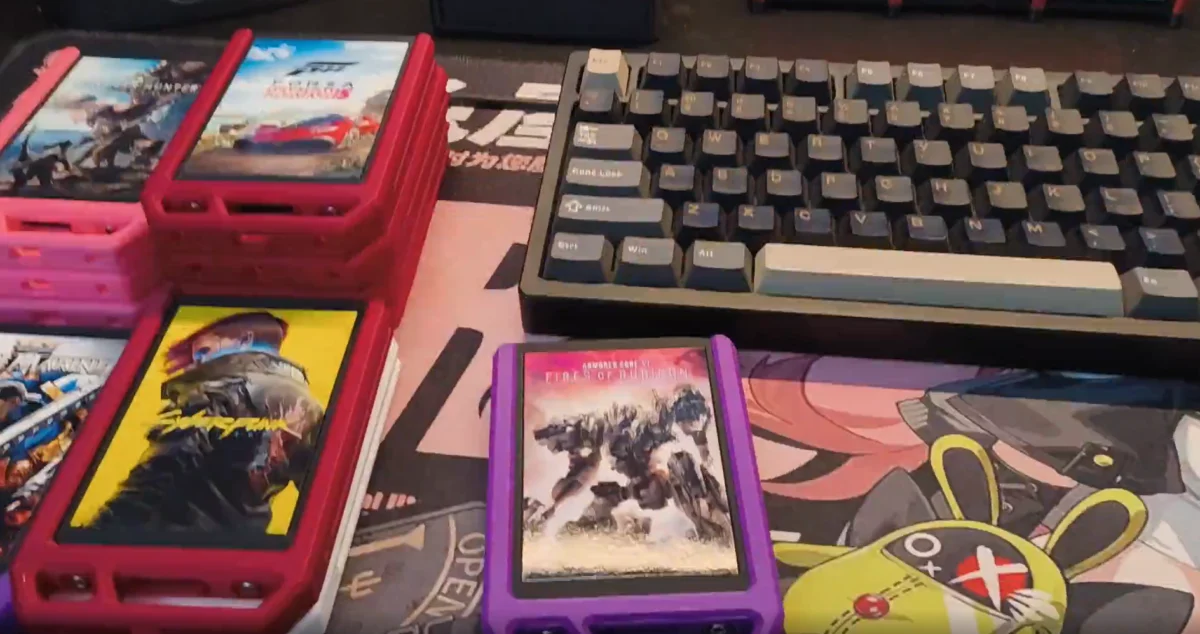
In a notable display of creative ingenuity, a PC gaming enthusiast has developed a unique system that brings the tactile satisfaction of physical game cartridges to the digital realm of Steam. This innovative project, shared on the Reddit community r/pcmasterrace, transforms standard 2.5-inch SATA Solid State Drives (SSDs) into functional "cartridges" for individual Steam games, complete with automated launch sequences and a distinct retro gaming feel. The development arrives at a pivotal moment for the gaming industry, as digital distribution continues its dominance and physical media faces an uncertain future.
The creator, identified by the Reddit username Jibril-sama, showcased their creation through a brief video demonstration. The system involves housing a used 128GB SATA SSD within a custom-designed casing. Each SSD is loaded with a single Steam game and is adorned with artwork reminiscent of classic game cartridges. These "cartridges" are then inserted into a dedicated SATA docking station connected to a PC. Upon insertion, a sophisticated script is triggered, automatically launching the corresponding game’s page on Steam and initiating the game’s execution, effectively replicating the plug-and-play experience of older console generations.
The Technical Underpinnings of a Retro Revival
At its core, Jibril-sama’s concept leverages the technical capabilities of modern PC hardware and software to evoke a bygone era of gaming. The SSD serves a dual purpose: as the storage medium for the game files and as the carrier for the executable scripts that manage the auto-launch functionality. This is primarily achieved by utilizing the Steam URL Protocol, a feature that allows applications to interact with the Steam client.
On Linux systems, which Jibril-sama appears to be using, the operating system can be configured to recognize the insertion of a new storage device and trigger specific actions. In this instance, the script embedded within the SSD’s file system is designed to execute when the drive is mounted. This script then communicates with the Steam client via the Steam URL Protocol, instructing it to open the store page for the game or, if already installed and verified, to launch it directly. This process creates an almost seamless transition from inserting the physical medium to being immersed in the game world, a stark contrast to the multi-step process of navigating digital libraries.
Jibril-sama has generously shared the 3D design files for the cartridge casings and the underlying code used in the project. This open-source approach allows other enthusiasts to replicate, adapt, and further develop the concept, fostering a community around this unique blend of old and new gaming paradigms. The availability of these resources democratizes the project, enabling more gamers to explore personalized and tangible ways to interact with their digital libraries.

A Nostalgic Nod in a Digital Age
The appeal of Jibril-sama’s creation lies in its ability to tap into a deep-seated nostalgia for physical media. The gaming industry has witnessed a significant shift towards digital distribution over the past two decades. Platforms like Steam, originating in 2003, revolutionized how games are purchased, downloaded, and managed, leading to a decline in the prominence of physical discs and cartridges. According to industry analysis firm Newzoo, digital game revenues accounted for approximately 83% of the global games market in 2023, a figure that has steadily increased year over year. This trend has led many to question the long-term viability of physical game formats.
Despite this digital tidal wave, a segment of the gaming community continues to express a desire for the tangible aspects of game ownership. The act of physically holding a game case, admiring the artwork, and inserting a cartridge or disc into a console or PC has a distinct ritualistic quality that many find satisfying. This sentiment is often amplified by the collector’s instinct, where the physical presence of games in a library contributes to a sense of accomplishment and personal history.
Jibril-sama’s project addresses this yearning by creating a physical manifestation for digital games. The custom-designed cartridges, complete with artwork, evoke the aesthetic of classic consoles like the Nintendo Entertainment System or the Super Nintendo Entertainment System, eras where cartridges were the standard. This visual and tactile connection to the past enhances the gaming experience for those who appreciate these retro sensibilities.
Limitations and Considerations
It is important to note that Jibril-sama’s "SSD cartridges" are not a true return to physical game ownership in the traditional sense. Each SSD still requires a legitimate Steam account and a purchased license for the game to be playable. The SSD primarily functions as a convenient and aesthetically pleasing storage and access method for games that are already owned digitally. It does not circumvent digital rights management or offer a way to bypass platform requirements.
The practicality of this solution also comes with certain considerations. The cost of SSDs, even used ones, can still be a significant factor, especially for gamers with extensive libraries. Furthermore, the effectiveness of the auto-launch script might vary depending on the specific game and its update frequency. While ideal for single-player titles that remain relatively static, games that undergo frequent updates or require online connectivity for initial setup might present challenges for this system. Many Reddit users have pointed out that live-service games or titles with continuous online components might not be the best candidates for this cartridge-based approach, as they are prone to frequent patches and require constant internet access, negating some of the "set it and forget it" appeal of a physical cartridge.
Industry Context and the Future of Physical Media
The emergence of Jibril-sama’s project gains further significance in light of recent industry developments. Sony’s confirmation of plans to discontinue the distribution of new PlayStation game discs starting in 2028 has reignited debates about the future of physical media. This move by a major console manufacturer signals a clear direction towards an increasingly digital-first, and potentially digital-only, future for console gaming. While PC gaming has already largely embraced digital distribution, such shifts in the console market can influence broader industry trends and consumer expectations.

The ongoing discourse surrounding physical versus digital media is complex, involving factors such as convenience, environmental impact, ownership rights, and the preservation of games. While digital downloads offer immediate access and eliminate the need for physical storage space, concerns persist about the longevity of digital licenses, the risk of platforms shutting down, and the environmental footprint of server farms and data transfer. Physical media, despite its storage and logistical challenges, offers a tangible sense of ownership and a perceived greater degree of permanence.
Jibril-sama’s project, while not a direct counter-argument to the industry’s digital trajectory, serves as a compelling testament to the enduring value that some gamers place on the physical interaction with their games. It demonstrates a desire to imbue digital content with the tangible qualities that have historically defined the gaming experience. This initiative highlights the creative potential that exists within the gaming community to find novel ways to enhance engagement with their hobby, even as the industry evolves.
A Ritualistic Connection to Gaming
Ultimately, projects like the SSD-based game cartridges crafted by Jibril-sama may not fundamentally alter the direction of the global gaming industry. However, they offer a valuable insight into the diverse motivations and preferences of gamers. They serve as a poignant reminder that for a segment of the player base, the act of gaming extends beyond the simple press of a "Play" button. It encompasses the entire ritual surrounding the experience, from the anticipation of selecting a game to the satisfying physical connection of inserting a cartridge or disc.
This endeavor underscores a desire for a more hands-on, personal relationship with digital entertainment. In an era where games are often intangible files residing on cloud servers, the creation of these physical "cartridges" provides a unique bridge between the digital convenience of modern gaming and the cherished memories of a bygone physical era. It suggests that even as technology advances, the human desire for tangible interaction and nostalgic experiences remains a powerful force within the gaming community.
The question then becomes, as the industry continues its inexorable march towards digital ubiquity, will such creative endeavors become more common, or will they remain niche expressions of a fading tradition? The answer likely lies in the evolving landscape of consumer preferences and the innovative spirit of the gaming community itself. For now, Jibril-sama’s ingenious creation stands as a remarkable example of how passion and technical skill can be combined to evoke the magic of retro gaming in the modern age.