
 Azin Asro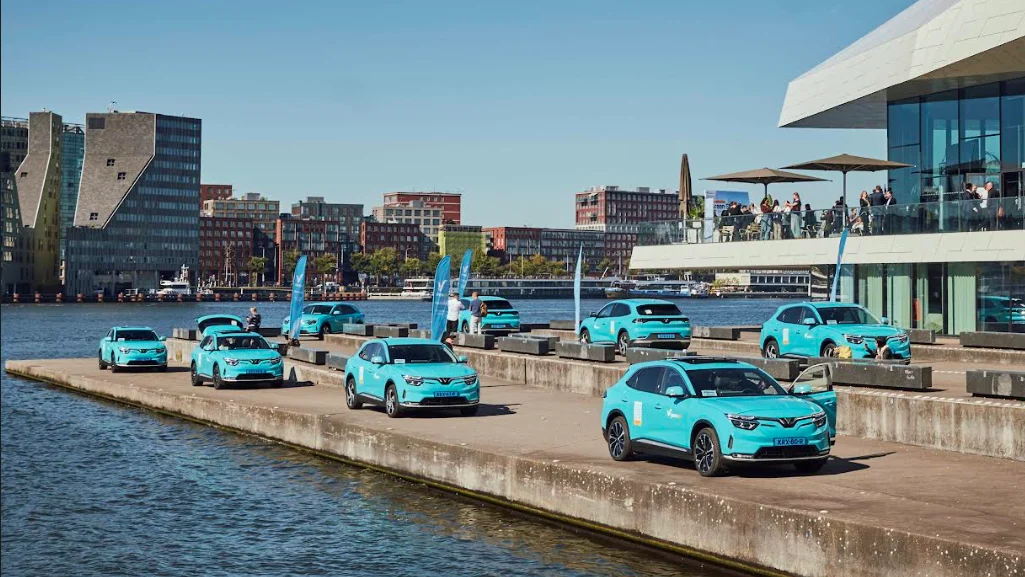
The landscape of urban mobility across Europe is undergoing a profound transformation as sustainable transportation initiatives gain unprecedented momentum. Green SM, the prominent Vietnam-based electric vehicle (EV) taxi operator renowned for its eco-friendly fleet, has officially initiated its expansion into the Netherlands. This strategic milestone represents the company’s eighth global market entry and its second venture into the European continent, following its successful establishment in Denmark. By introducing its 100% electric, high-quality mobility services to the Dutch market, Green SM aims to redefine urban transit standards through zero-emission technology, competitive pricing, and rigorous operational frameworks.
The initial rollout in the Netherlands begins with a carefully structured pilot phase designed to test operational readiness, refine service delivery, and build a robust network of professional drivers. Rather than pursuing an aggressive, nationwide launch immediately, Green SM has opted for a phased geographical rollout starting in select core districts of Amsterdam—specifically Centrum, West, and Zuid. As the operational framework stabilizes and customer feedback is integrated, the service coverage will progressively expand to encompass Oost, Noord, Nieuw-West, and Zuidoost, ultimately achieving comprehensive coverage throughout the entire Dutch capital.
Strategic Rationale and Phased Market Entry
The decision to enter the Dutch market is far from arbitrary. The Netherlands stands at the forefront of European electromobility, boasting advanced charging infrastructure, supportive government policies, and a highly environmentally conscious consumer base. These factors create an optimal environment for Green SM to scale its business model. However, market entry requires meticulous preparation to navigate dense urban traffic regulations, consumer expectations, and stringent European labor and transport standards.
According to Richard Nabil Chahine, CEO of Green SM Europe, the primary objective of the current trial phase extends beyond mere operational commencement. The focus remains squarely on establishing an uncompromised foundation for service excellence. "The Netherlands represents a crucial next step in Green SM’s European journey," Chahine stated in an official release. "At this stage, our priority is not merely launching service operations, but more importantly, building a strong foundation for high-quality service, from selecting and supporting the driver network to ensuring a consistent customer experience."
Chahine further emphasized the company’s commitment to continuous improvement through localized engagement. "We look forward to listening to customer feedback, learning from the Dutch market, and gradually establishing Green SM as a trusted electric mobility choice that offers a high-quality experience at a competitive price."
By deploying a pilot phase, Green SM creates a feedback loop allowing both passengers and drivers to voice insights regarding app usability, vehicle comfort, dispatch efficiency, and overall service quality. This iterative approach mitigates operational risks and ensures that when the official, full-scale commercial launch occurs, the service infrastructure will be finely tuned to local demands.
Empowering Drivers Through Innovative Employment and Partnership Models
A cornerstone of Green SM’s expansion strategy is its comprehensive driver acquisition and retention program, spearheaded by the "Skilled Drivers – Bigger Opportunities" initiative. In a competitive European labor market where driver retention remains a critical challenge for ride-hailing and taxi platforms, Green SM has introduced highly lucrative compensation packages designed to attract top-tier talent.
The company is deploying a dual operational model that accommodates both employed drivers and independent partners utilizing a vehicle rental framework. For salaried drivers, Green SM offers employment policies guaranteeing competitive earnings of up to EUR 3,000 per month. Alternatively, for those preferring a more independent working arrangement, a flexible revenue-sharing scheme offering up to 85% returns is available through the vehicle rental model.
To incentivize early adopters and build an elite core of founding drivers, Green SM has introduced a sign-up bonus of up to EUR 600 for the first wave of drivers joining the platform in the Netherlands. These pioneer drivers also receive exclusive benefits designed to foster long-term loyalty and professional investment in the brand. Through these measures, Green SM aims to cultivate a highly professionalized network of drivers who strictly adhere to corporate standards regarding vehicle maintenance, passenger safety, and customer service etiquette.
Consumer Incentives and Market Competitiveness
To mark its debut in the Dutch market and encourage consumer trial, Green SM has introduced an aggressive introductory promotion. Passengers utilizing the service during the initial rollout phase are eligible for a 50% discount on every trip. The promotion includes a maximum cap of EUR 30 per ride and can be applied up to 10 times per user. This promotional strategy is designed to lower the barrier to entry, allowing local consumers to experience the premium nature of Green SM’s electric fleet without financial hesitation.
The vehicle fleet deployed by Green SM consists entirely of modern, high-capacity electric vehicles optimized for passenger comfort, safety, and zero tailpipe emissions. As European municipalities increasingly implement low-emission zones and stricter regulations on internal combustion engine vehicles, all-electric fleets like Green SM’s possess a distinct regulatory and operational advantage.
Global Trajectory and the Broader Implications for Urban Mobility
Green SM’s expansion into the Netherlands is part of a broader, highly ambitious internationalization strategy. Originating in Vietnam as a pioneering green transport initiative, the company has rapidly scaled its operations across Southeast Asia and is now aggressively pursuing developed markets in Europe. The successful establishment in Denmark served as a crucial proving ground, demonstrating that Green SM’s business model—centered on dedicated EV fleets, professional employment standards, and competitive pricing—could be successfully exported outside its home market.
The entry into Amsterdam aligns with broader European Union targets regarding carbon neutrality and sustainable urban logistics. The transport sector remains one of the most stubborn contributors to greenhouse gas emissions across Europe. While private EV adoption has risen steadily, the electrification of commercial fleets, taxis, and ride-hailing services is vital for achieving rapid reductions in urban air pollution and traffic-related carbon footprints.
Industry analysts note that Green SM’s entry into Western Europe introduces a formidable competitor into a mature market dominated by legacy taxi cooperatives and established ride-hailing giants. However, by positioning itself explicitly as an eco-friendly, premium-yet-affordable alternative with a dedicated professional workforce, Green SM carves out a distinct market niche.
Looking Ahead: Scaling Operations Across Europe
As Green SM navigates its pilot phase in Amsterdam, the company’s leadership will closely monitor key performance indicators, including vehicle utilization rates, driver satisfaction scores, customer retention metrics, and infrastructure reliability. Success in the Netherlands will likely pave the way for further expansions into neighboring Western European economies, cementing Green SM’s status as a global player in sustainable transportation.
The phased rollout ensures that growth is managed sustainably, avoiding the operational pitfalls that often accompany rapid, uncontrolled scaling. By prioritizing driver welfare, consumer feedback, and regulatory compliance from day one, Green SM is laying down sustainable tracks for a long-term presence in the European mobility sector. As the green transition accelerates globally, initiatives like Green SM highlight the growing commercial viability and environmental necessity of electric public and private transport solutions.








