
 Nila Kartika Wati
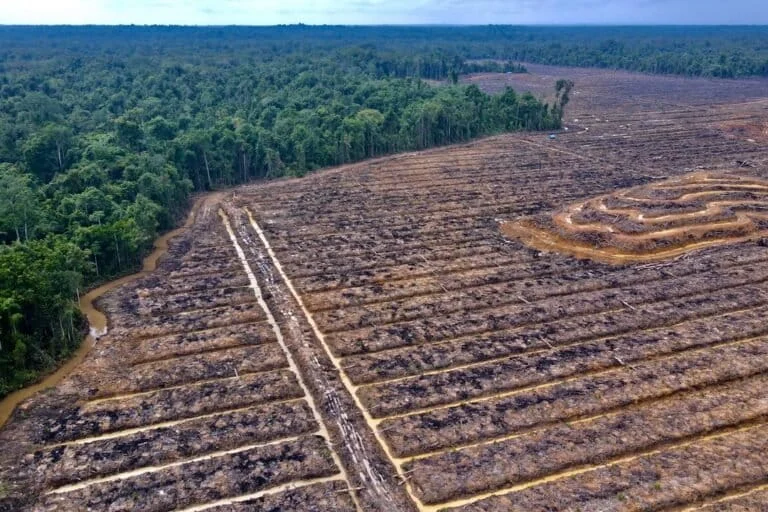
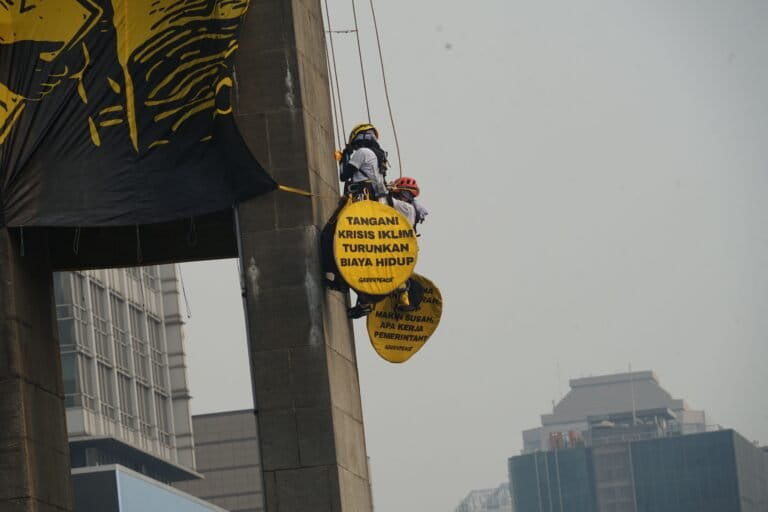
In a striking demonstration of civil disobedience, six activists from the environmental organization Greenpeace Indonesia scaled the iconic Selamat Datang Monument at the heart of Jakarta’s Bundaran Hotel Indonesia on the morning of Tuesday, October 20, 2026. The high-altitude protest, timed to coincide with the two-year anniversary of President Prabowo Subianto and Vice President Gibran Rakabuming Raka’s administration, saw the deployment of massive yellow banners demanding immediate government intervention in the escalating climate crisis and the rapidly rising cost of living.
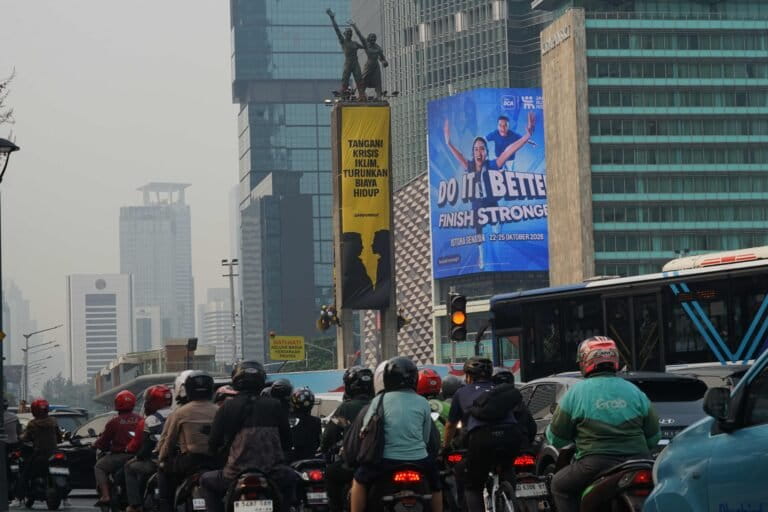
The protest, which brought traffic in the nation’s capital to a standstill as commuters paused to witness the spectacle, served as a potent symbol of the widening gap between state rhetoric on global sustainability and the lived reality of the Indonesian populace. As the banners unfurled, bearing slogans such as "Disasters Are Worsening, Life Is Harder, What Is the Government Doing?" and "Address the Climate Crisis, Lower the Cost of Living," the message was clear: the environmental and economic pressures facing the nation have reached a breaking point.
Chronology of the Protest
The operation was marked by military-style precision. According to witnesses, the activists utilized vertical climbing gear to ascend the monument’s support pillars in the early hours of the morning. For several hours, the situation remained in a tense stalemate. Police stationed at the nearby Bundaran HI post initially monitored the situation from the perimeter.
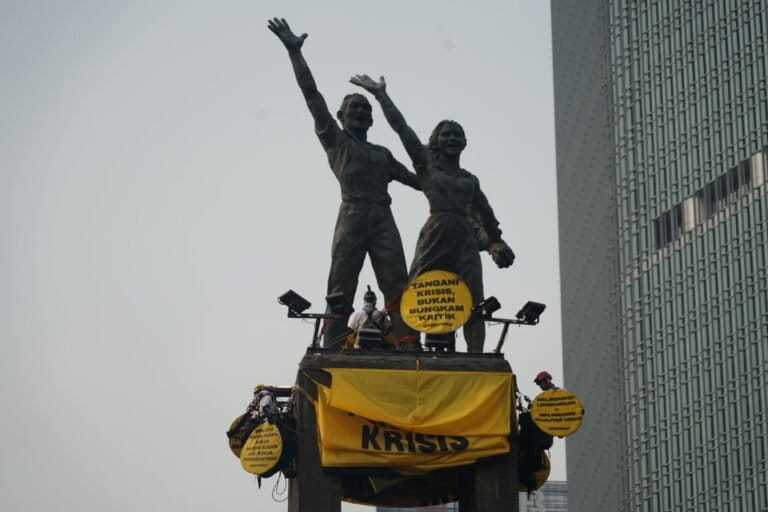
By mid-morning, the authorities shifted their posture. As the scale of the protest became clear, law enforcement and military personnel were deployed to the site, creating a heavy security presence that drew comparisons to a tactical operation. Attempts by officers to scale the monument and reach the activists through the fountain pool proved unsuccessful.
The banners were eventually removed by authorities around 10:00 AM, though the activists remained atop the monument, continuing their demonstration with handheld posters. Under the intensifying heat of the midday sun, the activists concluded their protest at approximately 12:00 PM, rappelling down to the base where they were immediately taken into custody by the Jakarta Metropolitan Police. The group was detained for nearly 12 hours before being released late that evening, around 11:00 PM.
A Pattern of Economic and Environmental Strain
The protest was not an isolated grievance but rather a culmination of mounting public frustration over the administration’s handling of national crises. Jeanny Sirait, Climate Justice Campaigner at Greenpeace Indonesia, noted that the current administration’s policies have frequently prioritized industrial interests over the immediate survival needs of the citizenry.
Data from the ground supports the activists’ claims. A recent Greenpeace report titled Tomorrow the Price Will Go Up! highlights how climate volatility is devastating the agricultural sector and household economies across major urban agglomerations, including Jabodetabekjur, the Bandung Basin, and Kartamantul. The research indicates that 41% of respondents identified climate change as the primary driver of rising food costs and consumption instability. Furthermore, 39% of those surveyed reported a direct decline in productivity and income, while 20% cited significant disruptions to transportation and housing access.
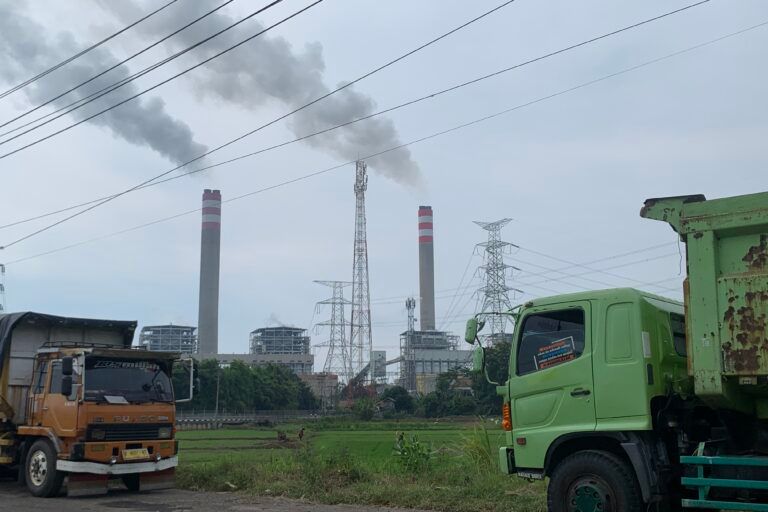
These figures starkly contradict the government’s narrative of progress. During the 2026 State of the Nation Address, President Prabowo touted a 5.45% economic growth rate for the first half of the year. However, analysts suggest that this growth is concentrated in extractive industries and high-level investments, failing to trickle down to the working class. With 57.34% of households forced to cut non-essential spending and over 56% taking on secondary jobs just to maintain basic living standards, the economic "growth" described by the state feels increasingly disconnected from the reality of the average Indonesian family.
The Agricultural Crisis and Food Sovereignty
The state of the nation’s agricultural sector serves as a barometer for the broader crisis. Professor Dwi Andreas Santosa of the Bogor Agricultural University (IPB) has warned that smallholder farmers are being pushed to the brink. The number of farming households operating on micro-scale plots—less than 0.1 hectares—has surged to 7.4 million, up from 4.3 million in the previous decade.
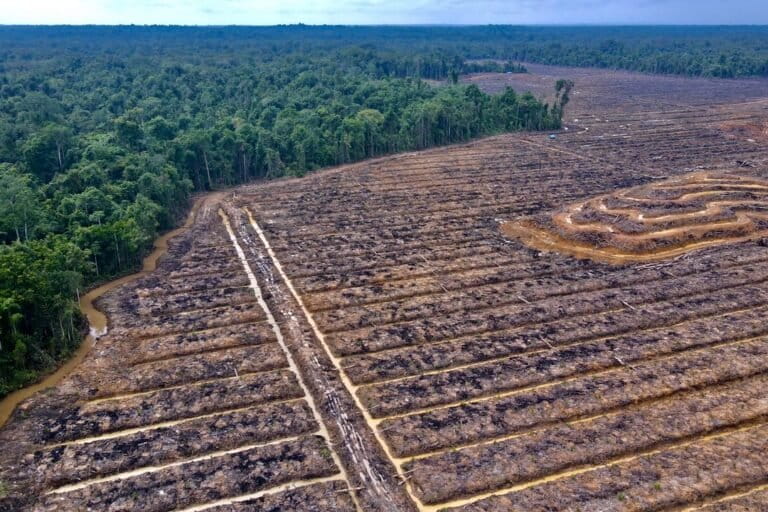
Government-led initiatives such as the food estate projects, intended to bolster national food security, have consistently failed to meet expectations. Despite the transition from cassava to corn and the expansion into regions like South Papua, these projects have repeatedly faltered due to a lack of academic rigor. Experts note that these developments often ignore fundamental criteria: agro-climatic suitability, infrastructure viability, technological readiness, and socio-economic feasibility.
The result is a cycle of land degradation and abandonment. Furthermore, Indonesia remains heavily dependent on imports for basic staples—100% of garlic and soybeans, 83-97% of dairy products, and 82% of sugar. As climate change triggers more frequent extreme weather events, including the threat of a "Super El-Niño" predicted for late 2026 and early 2027, the vulnerability of the national food supply is reaching a critical threshold. The potential for global supply chain disruptions threatens to drive local food prices up by as much as 45% in the coming months, a prospect that has already led agricultural networks to advise farmers to hoard grain reserves.
Critiquing "False Solutions" in Energy Policy
Beyond food, the government’s energy policy has come under intense fire from civil society. Tata Mustasya, Executive Director of Sustain, argues that the administration’s transition strategy relies on "false solutions." The promotion of biodiesel, bioethanol, and co-firing in coal-fired power plants (PLTU) is frequently touted as a green transition, but critics point out that these methods often exacerbate deforestation and compete directly with food production.
"There is a double subsidy issue here," Mustasya explained. "The government subsidizes both the palm oil industry and the retail fuel prices, creating a fiscal burden that does little to actually reduce carbon emissions or improve energy independence."
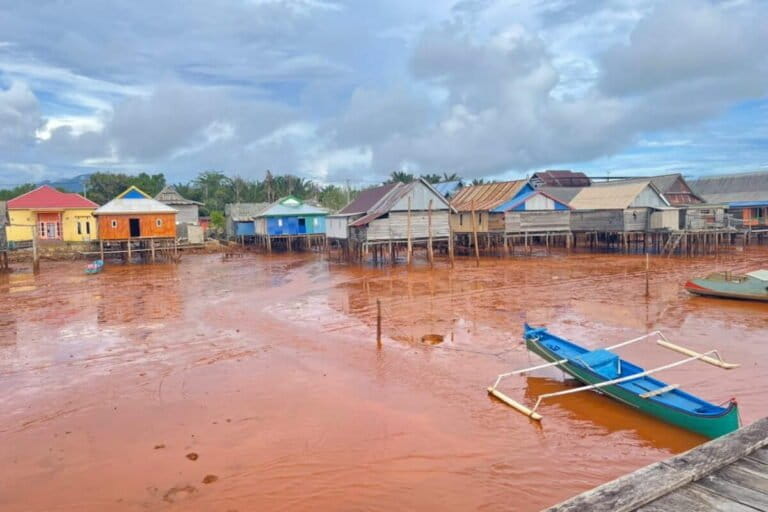
The environmental cost is visible in the nation’s mining hubs, where nickel extraction for electric vehicle batteries has led to severe water pollution and the erosion of local livelihoods. For the communities in places like Kabaena, the promise of industrial progress has resulted in the destruction of traditional fishing grounds and the contamination of coastal waters.
The Path Forward: A Call for Leadership
The two-year mark of the Prabowo-Gibran administration represents a crucial juncture. With the political cycle for the 2029 elections set to begin in late 2028, the government has a shrinking window of roughly 24 months to implement meaningful change.
Activists and experts alike are calling for a fundamental shift in priorities. Key demands include:
- Decentralized Energy: Moving away from state-run energy mega-projects toward a 100-gigawatt solar capacity target that leverages community and private sector participation.
- Regulatory Reform: Removing restrictive policies that hinder the growth of renewable energy, such as the current limitations on net-metering and power export-import schemes.
- Climate-Resilient Agriculture: Shifting the focus from industrial food estates to agro-ecological models that support small-scale farmers and prioritize local market resilience.
- Addressing the Climate-Economy Nexus: Recognizing that the climate crisis is a structural economic issue that requires an immediate cessation of the reliance on fossil fuels, which have weakened Indonesia’s position in the global market.
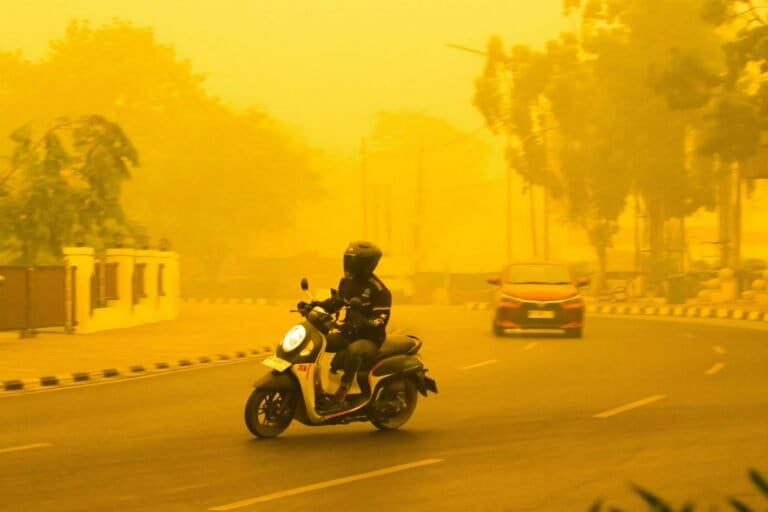
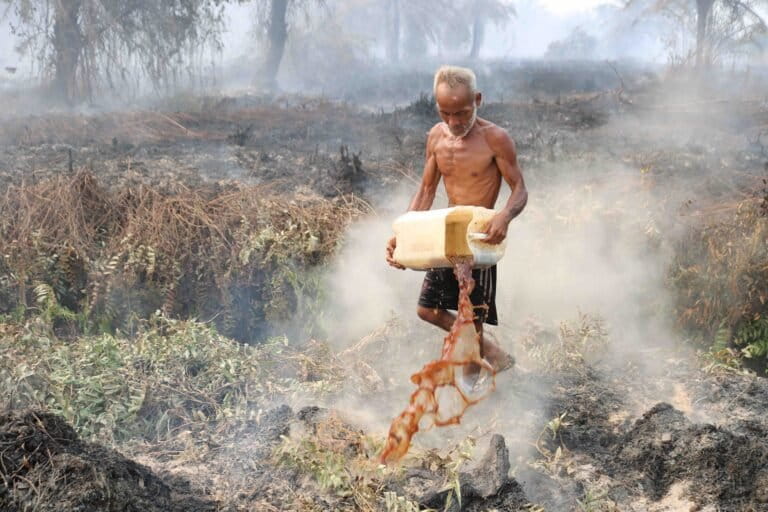
As the smoke from seasonal forest fires continues to blanket parts of the archipelago and the cost of basic commodities remains volatile, the protest at Bundaran HI serves as a reminder that the climate crisis is no longer a distant threat—it is a present-day reality defining the survival of the Indonesian people. Whether the government will pivot toward a more sustainable and inclusive policy framework or continue to favor short-term extractive gains remains the defining question of this administration’s tenure. For now, the voices from the top of the monument remain a haunting testament to the urgency of the moment.