Eko Sulistyo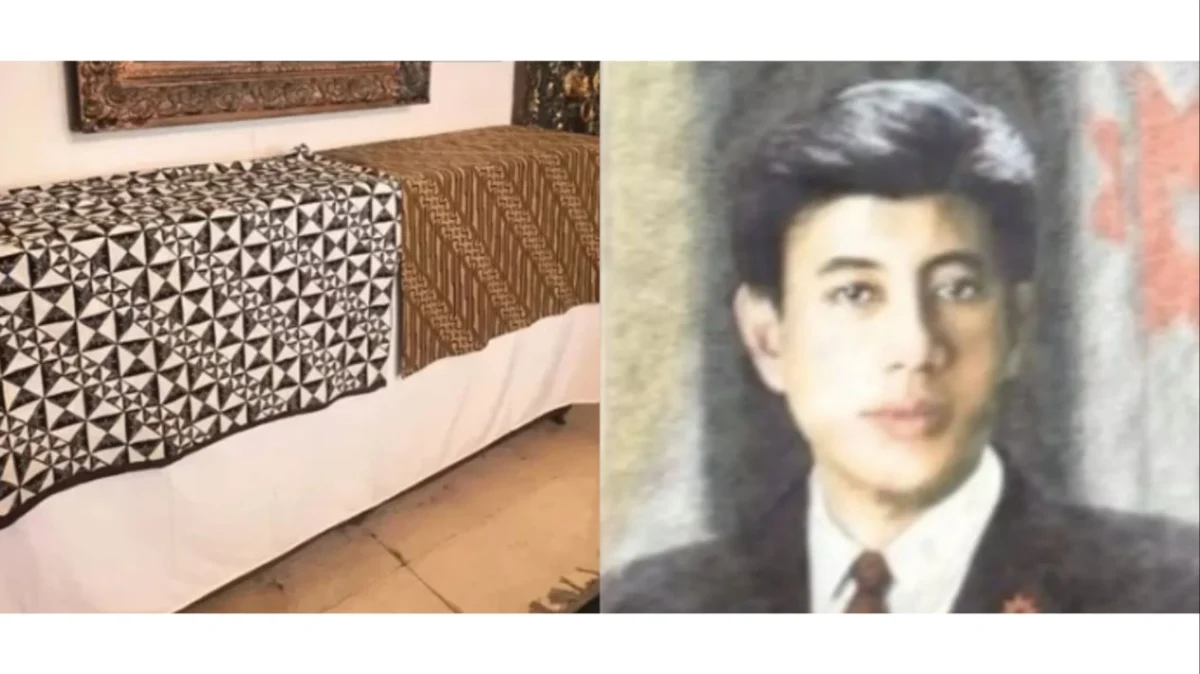
The passing of Guruh Soekarnoputra, the youngest son of Indonesia’s founding father, President Soekarno, and Ibu Fatmawati, has drawn a veil of profound sorrow over the nation. As the country grapples with the loss of a multifaceted artist and cultural icon, the funeral proceedings have unveiled intimate details of his final arrangements, highlighting a poignant connection to his ancestral roots and his spiritual journey. In a touching display of filial devotion, the final resting ceremony for Guruh was marked by the use of two batik cloths belonging to his mother, Fatmawati, which he had reportedly kept and prepared for his own passing long before his death.
A Final Tribute Steeped in History and Faith
The funeral, held following Guruh’s passing on Saturday, September 26, 2026, at Siloam Semanggi Hospital in Jakarta, was characterized by an atmosphere of solemnity and grace. According to Mohammad Guntur Romli, a prominent politician from the Indonesian Democratic Party of Struggle (PDI-P), the preparations for the burial were meticulously handled to honor the late artist’s wishes.
During the rites of passage, it was revealed that the shroud covering the body of the late maestro was layered with the ihram cloth he had worn during his final pilgrimage to Mecca. This spiritual garment, symbolizing equality and submission before the Divine, was paired with the two pieces of batik cloth bequeathed by Fatmawati. This combination of the sacred ihram and the deeply personal, maternal heirloom served as a symbolic bridge between his religious commitments and his familial identity. The sight of these items provided comfort to his kin, offering a physical manifestation of an enduring bond that transcended the veil of mortality.
Chronology of a Cultural Icon’s Departure
Guruh Soekarnoputra’s transition was not unexpected to his close circle, as he had been battling health complications for several months prior to his hospitalization. His death marks the conclusion of a life dedicated to the preservation and promotion of Indonesian arts.
The timeline of the final days leading to his passing reflects a period of quiet reflection and medical care:

- Months leading up to September 2026: Guruh reportedly underwent extended medical treatment for undisclosed health issues, an ordeal that had been publicly noted by close associates and fellow artists, including singer Vina Panduwinata.
- Saturday, September 26, 2026: The official announcement of his passing at Siloam Semanggi Hospital, Jakarta, triggered a wave of tributes across the nation.
- Sunday, September 27, 2026: The wake and funeral preparations took place, where family members and colleagues gathered at the house of mourning to pay their respects.
- Monday, September 28, 2026: The final rites were concluded, leaving behind a legacy of cultural contributions that spanned decades.
The Significance of the Personal Heirlooms
The use of Fatmawati’s batik is particularly resonant within the context of the Soekarno family legacy. Fatmawati, the designer of the first Indonesian national flag, remains an icon of strength and national identity. By choosing to be interred with her personal belongings, Guruh reaffirmed his role as a custodian of his family’s history.
In cultural analysis, the inclusion of such heirlooms in a funeral signifies a desire to maintain the continuity of lineage. For the Soekarno children, the weight of their father’s political legacy and their mother’s historical significance is immense. By integrating these specific artifacts, the family underscored that, despite the global stature of the Soekarno name, the core of their existence remained rooted in the intimate and the private.
Reactions from the Family and Public Figures
The emotional state of the mourners was captured by Guntur Romli, who remarked on the serene appearance of the deceased. "The face of Mas Guruh looked so peaceful, as if he were sleeping with a smile," he recounted. Such descriptions provided a sense of closure for the family members in attendance, including Prananda Prabowo and Joy Kameron, the husband of Puti Guntur Soekarno.
The presence of high-profile political figures at the service also highlighted the deep-seated respect the Indonesian political elite holds for the Soekarno family. Despite the political shifts in the country, the Soekarno lineage continues to command a central place in the national consciousness, acting as a unifying thread that binds the history of the Republic to the contemporary era.
An Artistic Legacy Unmatched
Guruh Soekarnoputra was far more than the son of a president; he was a titan of the Indonesian arts. His contributions to music, choreography, and theater reshaped the cultural landscape of the nation in the late 20th and early 21st centuries.
- Musical Innovation: He was known for integrating traditional Gamelan sounds with modern pop, creating a distinct genre that popularized Indonesian culture among the youth.
- Cultural Diplomacy: Through his dance troupe, Swara Mahardika, Guruh exported Indonesian dance to international stages, serving as an unofficial ambassador of the country’s artistic heritage.
- Preservation Efforts: He consistently advocated for the protection of indigenous arts against the tide of globalization, often investing his personal resources into the staging of elaborate cultural performances.
Implications for the Future of Indonesian Culture
The passing of Guruh Soekarnoputra prompts a broader reflection on the future of the cultural movements he championed. As Indonesia continues to modernize, the loss of a figure who served as a bridge between the traditional, aristocratic aesthetics of the Soekarno era and the contemporary arts scene leaves a palpable void.

Analysts suggest that his death will likely trigger a surge in the study and archival of his works. His personal collection of artifacts, including the textiles and manuscripts he meticulously curated, may soon become the subject of national interest. The government and cultural institutions are expected to face pressure to preserve his studios and the creative spaces he nurtured, ensuring that his philosophy—that a nation is only as strong as its culture—remains a cornerstone of the Indonesian identity.
Socio-Political Context and National Memory
The public’s intense interest in the death of Guruh is a reflection of how closely the Soekarno name is woven into the fabric of Indonesian history. Even in 2026, the lineage of the first president remains a focal point for the populace. The media coverage, which includes a focus on the remaining descendants of Soekarno, indicates that the public treats these individuals not just as private citizens, but as symbols of the nation’s origin.
The funeral, therefore, was not merely a family event but a public moment of national mourning. The government’s acknowledgement of his death, combined with the presence of major political figures, signals that the state continues to accord the family a status akin to national heritage.
Conclusion
The departure of Guruh Soekarnoputra marks the end of a chapter in Indonesia’s cultural history. While his physical presence is gone, the meticulous preparations he made for his own funeral—aligning his faith with his ancestral heritage—serve as his final artistic statement. By wrapping himself in the cloth of the pilgrimage and the batik of his mother, he invited the nation to look beyond his status as a politician’s son and remember him as he wished to be remembered: a man of faith, a lover of his mother’s heritage, and a devoted servant of Indonesian culture.
As the nation moves forward, the legacy of Guruh Soekarnoputra will continue to resonate through the melodies he composed, the dancers he trained, and the cultural pride he instilled in generations of Indonesians. His final journey, conducted with such profound care and symbolic depth, serves as a poignant reminder that while history is written by leaders, it is preserved by those who hold onto the traditions, memories, and values that define a people.