Chalifah Fatihah
The discrepancy between blood pressure readings taken at home and those recorded in clinical settings is a common point of confusion for many individuals, leading to uncertainty when measurements fluctuate over short periods. Dr. Eka Harmeiwati, Chair of the Indonesian Society of Hypertension (INASH) and a neurologist, explained that a multitude of factors can influence blood pressure measurements, including an individual’s physical condition, posture during measurement, and psychological state.
"The normal threshold for blood pressure at home is 135/85, not 140/90, which is the standard in clinics," Dr. Harmeiwati stated during the launch event for the Omron SF Series blood pressure monitor in South Jakarta on Wednesday, May 20th. She elaborated that blood pressure readings in clinical environments tend to be higher primarily due to what is known as "white coat hypertension," a phenomenon where individuals experience elevated blood pressure due to the stress or anxiety of being in a medical setting and interacting with healthcare professionals.
"Blood pressure rises when encountering a doctor or healthcare worker. However, at home, the readings are normal," she observed. This distinction is critical for accurate diagnosis and management of hypertension, a condition affecting millions worldwide.
Understanding Variations in Blood Pressure Readings
The Indonesian Society of Hypertension (INASH) has been actively promoting awareness about the nuances of blood pressure monitoring, especially with the increasing availability of home monitoring devices. Dr. Harmeiwati’s insights underscore a growing recognition within the medical community that self-monitoring at home, when done correctly, can provide a more comprehensive picture of a patient’s cardiovascular health than sporadic clinic visits alone.
White Coat Hypertension: This condition, characterized by elevated blood pressure in a clinical setting but normal readings at home, can lead to misdiagnosis if not properly identified. Patients experiencing white coat hypertension might be unnecessarily prescribed medication or advised on lifestyle changes that are not clinically indicated for their home readings, potentially leading to overtreatment and its associated side effects. Conversely, if left unchecked, it might mask underlying issues that could manifest later. The American Heart Association (AHA) estimates that white coat hypertension affects approximately 15-30% of patients diagnosed with hypertension.
Masked Hypertension: Conversely, Dr. Harmeiwati also highlighted the critical issue of "masked hypertension," where blood pressure appears normal during clinic visits but is elevated when measured at home. This insidious condition is particularly concerning because it often goes undetected, leaving individuals at significant risk for cardiovascular events without realizing it. The National Health and Nutrition Examination Survey (NHANES) in the United States has indicated that masked hypertension may affect as much as 10-30% of individuals with seemingly normal blood pressure in a clinical setting.
The implications of masked hypertension are substantial. Without awareness and intervention, individuals with this condition are at a higher risk for stroke, heart attack, heart failure, and kidney disease, mirroring the risks associated with sustained, detected hypertension. The absence of overt symptoms in the early stages of hypertension, whether white coat or masked, further emphasizes the importance of regular and accurate self-monitoring.
Recommendations for Accurate Home Blood Pressure Monitoring
Given these variations, Dr. Harmeiwati strongly recommends that the public, particularly those with risk factors for hypertension, should engage in regular self-measurement of their blood pressure at home. Key risk factors include obesity, chronic stress, a family history of hypertension, and smoking.
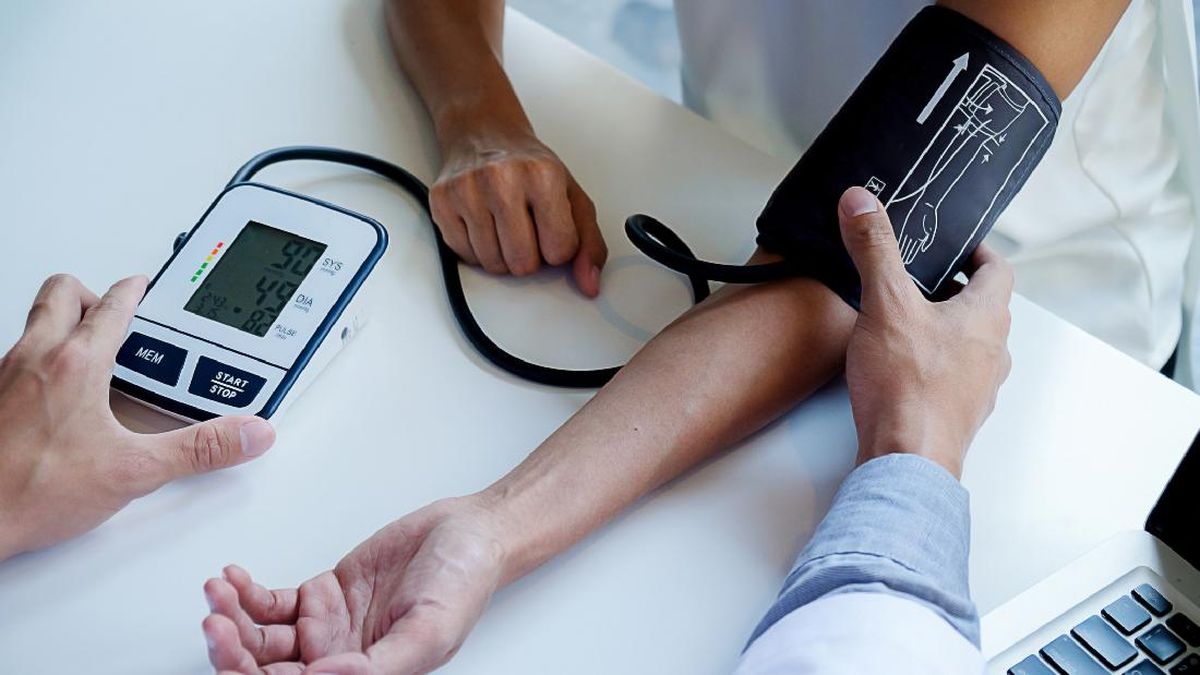
However, she stressed that home blood pressure monitoring must be conducted meticulously to ensure accuracy. Incorrect posture during measurement can lead to inaccurate readings. "If you are not leaning back, the blood pressure measured can be 10 to 15 points higher," she warned. This advice aligns with guidelines from major health organizations, which universally recommend sitting upright with the back supported and feet flat on the floor.
Furthermore, Dr. Harmeiwati emphasized the importance of remaining still and silent during the measurement process. "Do not talk. Talking can increase the reading by 10 to 20 points," she advised. Conversational pauses and the physical act of speaking can momentarily affect blood flow and pressure.
Several conditions that can temporarily elevate blood pressure and should be avoided before taking a reading include:
- Experiencing anger or significant emotional distress: Strong emotions can trigger the body’s stress response, leading to a temporary rise in blood pressure.
- Being under acute stress: Similar to anger, general stress can activate the sympathetic nervous system, impacting blood pressure.
- Immediately after physical exercise: The body needs time to recover post-exercise. Blood pressure typically returns to baseline within a few minutes, but immediate measurement can yield falsely high results.
- Shortly after consuming a meal: Digestion requires increased blood flow to the stomach and intestines, which can influence overall blood pressure readings. A waiting period of at least 30 minutes after eating is generally recommended.
- After taking certain medications: Some medications, including decongestants, certain pain relievers, and even caffeine, can affect blood pressure. It is advisable to consult with a healthcare provider about potential interactions and optimal timing for measurement.
Dr. Harmeiwati also suggests that performing two to three measurements in succession, with a short interval between each, is ideal. The first reading is often higher than subsequent ones as the body settles into a resting state for the measurement. Averaging these readings can provide a more representative result.
The Silent Threat of Uncontrolled Hypertension
The emphasis on accurate home monitoring is rooted in the often-asymptomatic nature of hypertension. High blood pressure, particularly when uncontrolled, is a significant risk factor for severe health complications. These include:
- Stroke: High blood pressure is the leading cause of stroke, damaging blood vessels in the brain.
- Heart Failure: The constant strain on the heart from pumping against high pressure can lead to its weakening and eventual failure.
- Kidney Failure: The kidneys’ delicate blood vessels can be damaged by sustained high blood pressure, impairing their filtering function.
- Vision Loss: High blood pressure can damage the blood vessels in the eyes, leading to retinopathy and potential blindness.
- Peripheral Artery Disease: Blood vessels in the limbs can also be affected, leading to pain and difficulty with mobility.
The World Health Organization (WHO) estimates that globally, nearly 1.3 billion people aged 30-79 years have hypertension. Of these, about two-thirds live in low- and middle-income countries. It is a major cause of premature death worldwide, with an estimated 7.8 million premature deaths each year attributable to hypertension.
The Role of Technology and Public Health Initiatives
The development and availability of reliable home blood pressure monitors, such as the Omron SF Series, play a crucial role in empowering individuals to take charge of their cardiovascular health. These devices, when used according to medical guidelines, provide valuable data that can inform clinical decision-making and personalize treatment plans.
Public health initiatives aimed at educating the public about hypertension and the importance of regular monitoring are essential. This includes not only understanding how to use home devices correctly but also recognizing the signs and symptoms of potential cardiovascular issues and seeking professional medical advice when necessary.
The Indonesian Society of Hypertension, through events like the Omron SF Series launch, is actively contributing to this educational effort. By bridging the gap between clinical measurements and home monitoring, and by providing clear, actionable advice, organizations like INASH are working to combat the pervasive threat of uncontrolled hypertension and its devastating consequences. The consistent, accurate data gathered from home monitoring, combined with professional medical oversight, forms the cornerstone of effective hypertension management in the 21st century. This proactive approach is vital for preventing serious long-term health problems and improving overall public health outcomes.