Lusiana Hamidun
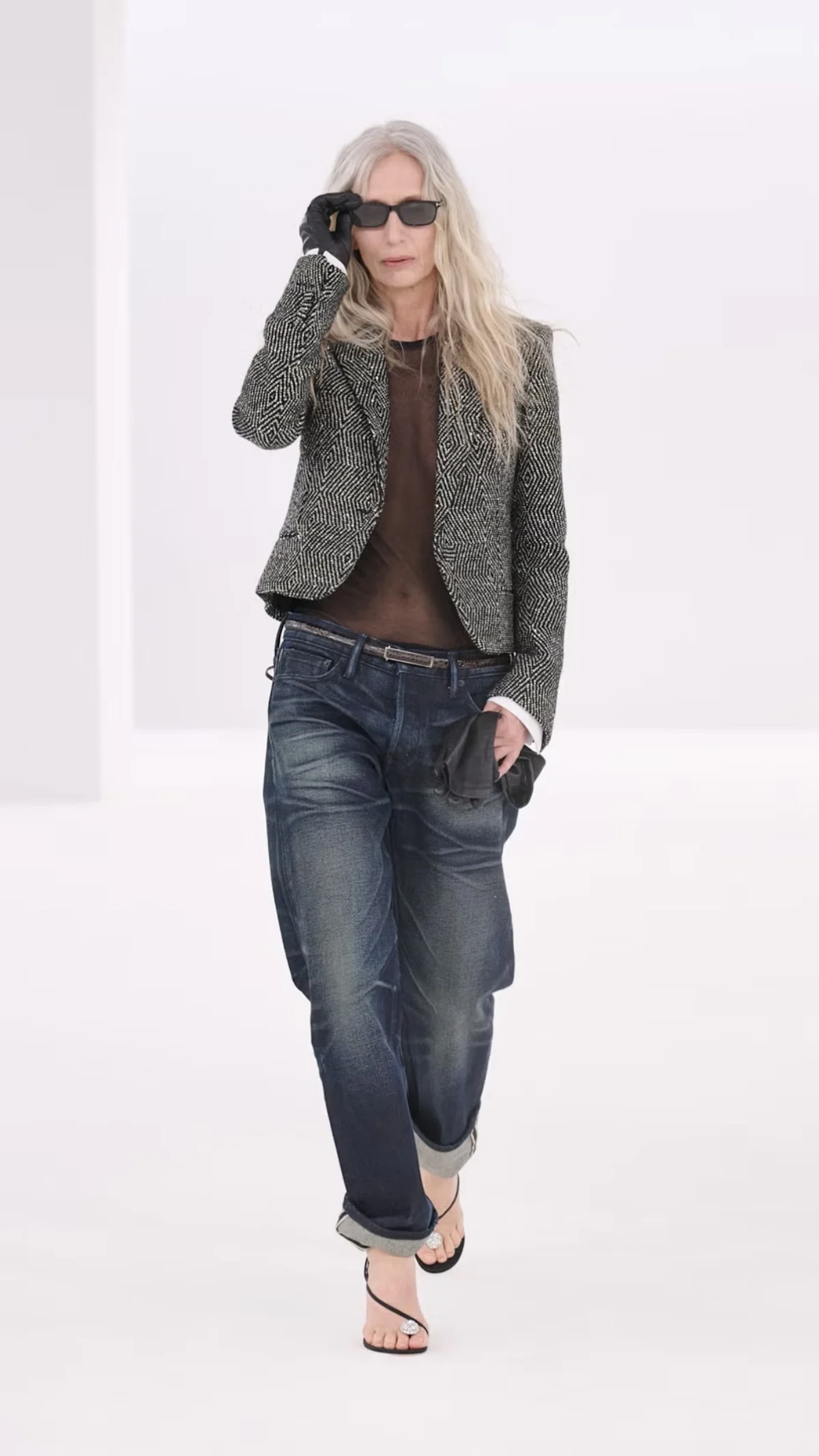
The cyclical nature of the fashion industry has once again placed denim at the forefront of the Fall/Winter 2026 design narrative. As temperatures decline and seasonal transitions necessitate a shift toward more durable, layered textiles, the global fashion houses have pivoted away from the experimental, avant-garde silhouettes of previous years toward a refined focus on utility, texture, and tailored comfort. The current season marks a significant departure from the hyper-distressed aesthetics that dominated the early 2020s, favoring instead a sophisticated interplay between structured tailoring and relaxed, effortless silhouettes.
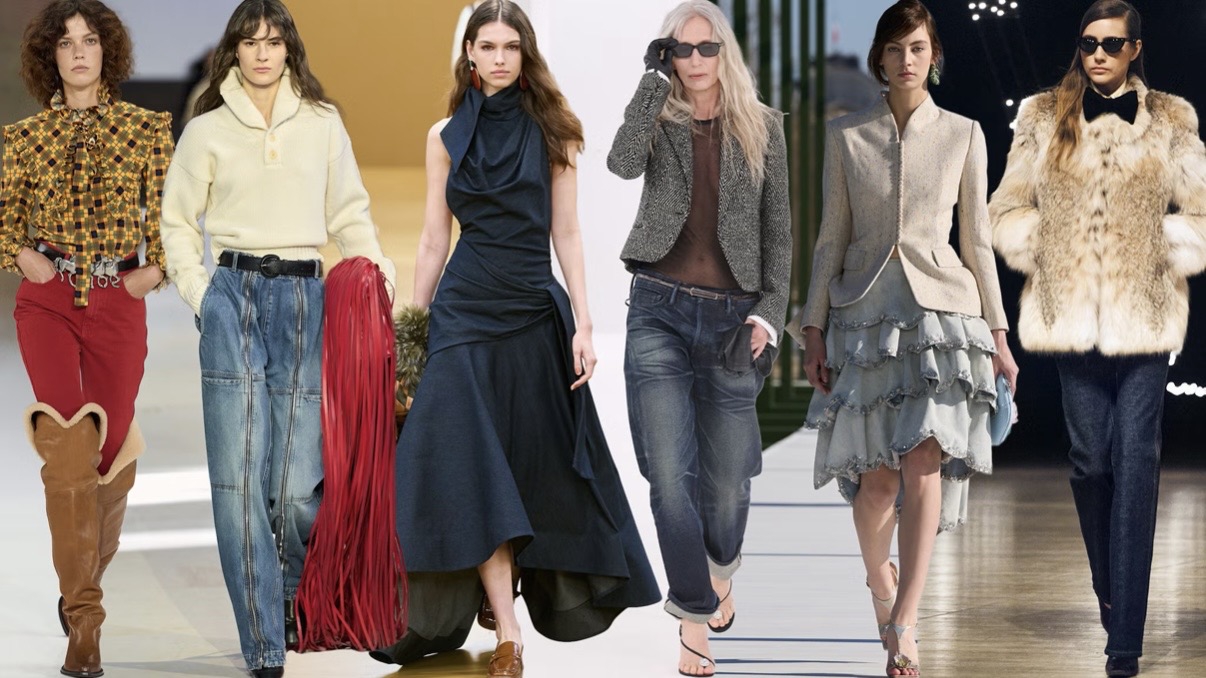
Market analysis from major retail intelligence platforms indicates that denim remains the most resilient category in the apparel sector. According to 2026 quarterly retail reports, denim sales have seen a 12% increase year-over-year, driven largely by consumer demand for premium, long-lasting investment pieces. This resurgence is not merely a trend-led phenomenon but a strategic response to the broader "quiet luxury" movement, which emphasizes quality craftsmanship over ephemeral fast-fashion cycles.
The Evolution of Denim Aesthetics: A Historical Context
To understand the current shift, one must look at the progression of the denim market over the last three years. In 2024, the industry saw the dominance of the "super-baggy" silhouette, a reaction to the constraints of the pandemic era. By 2025, designers began experimenting with embellishments and hybrid fabrics. Now, in the final quarter of 2026, the focus has settled on a "New Classicism." Designers from houses like Khaite, Valentino, and Prada have utilized the Fall/Winter runways to showcase denim as a versatile foundation for professional and formal wear, effectively challenging the long-held notion that denim is exclusively for casual environments.
The Rise of Dark Indigo and Structured Silhouettes
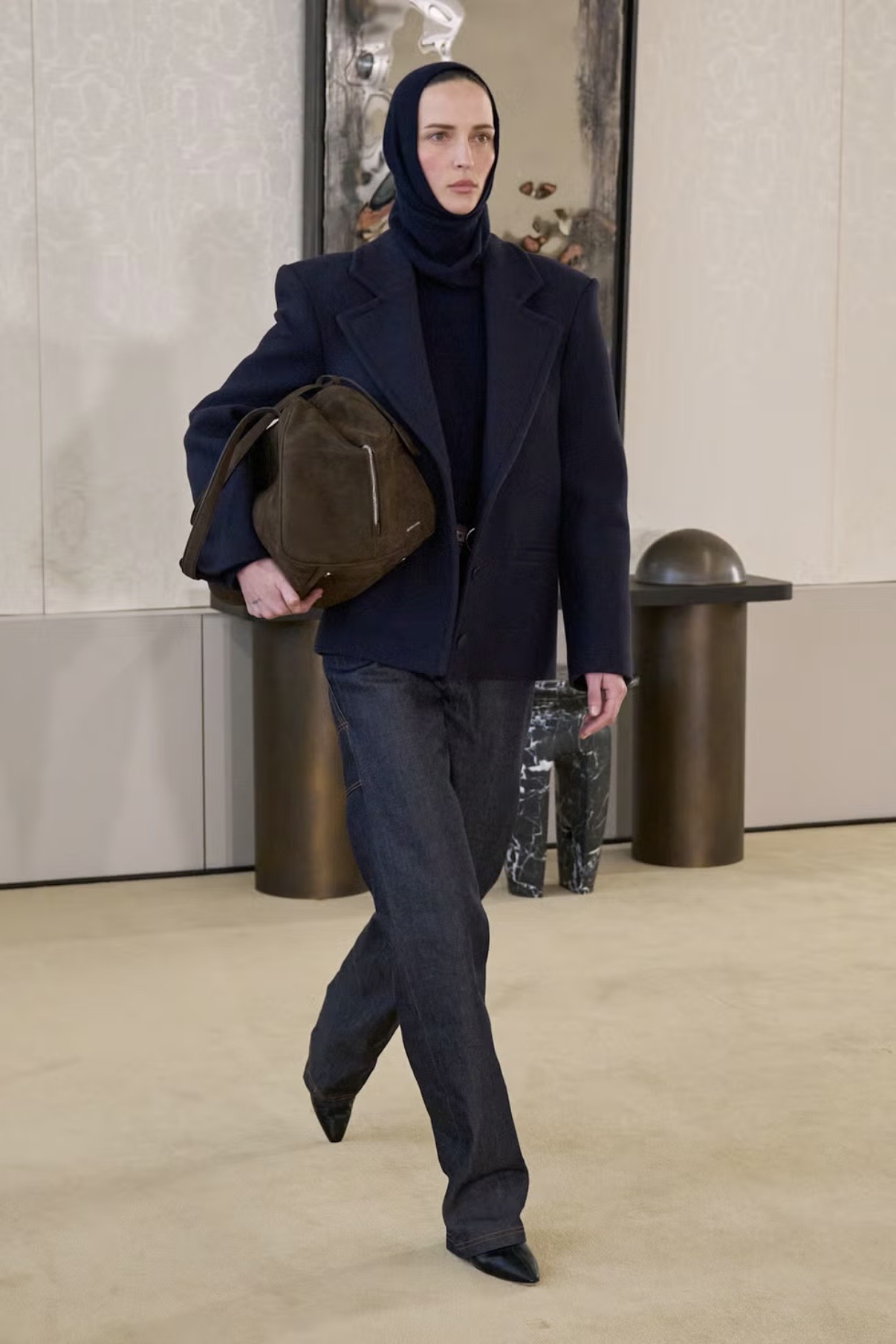
One of the most prominent shifts this season is the return to raw, dark indigo washes. Unlike the stone-washed or acid-washed variants that defined the summer months, deep indigo offers a cleaner, more monochromatic aesthetic. This shift allows for the "double denim" look—long a polarizing trend—to be re-evaluated as a sophisticated ensemble.
Industry experts note that the preference for darker hues is tied to the industry’s broader move toward sustainability and longevity. Dark indigo denim requires less chemical processing than lighter, distressed versions, aligning with the growing consumer preference for eco-conscious production methods. When styled with oversized cashmere peacoats and hammered gold accessories, these pieces bridge the gap between weekend wear and office-appropriate attire. The visual weight of the indigo provides a grounding effect, making it an ideal anchor for the layering requirements of the autumn season.

Denim Dresses and the Transitional Wardrobe
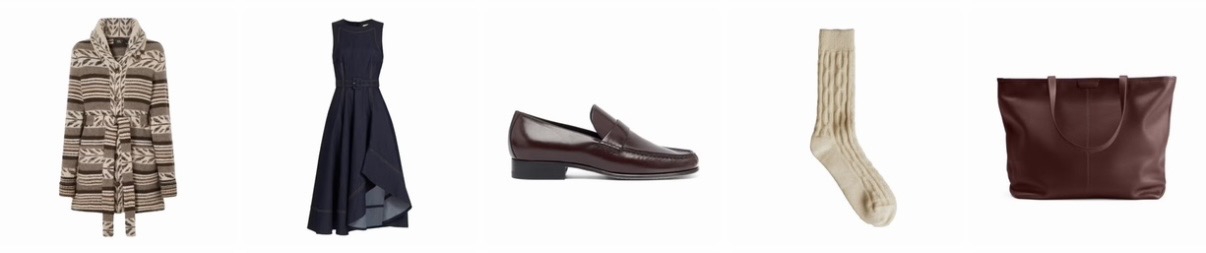
The transition from late summer to deep autumn is often fraught with sartorial uncertainty. The denim dress, a staple of the Spring/Summer 2027 pre-collections, has emerged as the definitive solution for this period. Historically, denim dresses were viewed as rigid and utilitarian. However, the current iterations—featuring midi-lengths, belted waists, and softer cotton-blend textiles—have introduced a level of fluidity previously unseen in the category.
The integration of these dresses into a colder climate wardrobe relies heavily on styling. Fashion editors and stylists have suggested that the key to modernizing the denim dress lies in contrasting textures. By pairing structured denim with alpaca-blend cardigans or heavy-knit accessories, wearers can achieve a balanced silhouette. The shift toward loafers, as seen in the recent Zimmermann collections, further cements this shift toward practical, wearable luxury, moving away from the impracticality of high-heeled footwear in day-to-day settings.
The Return of the Slimmer Profile
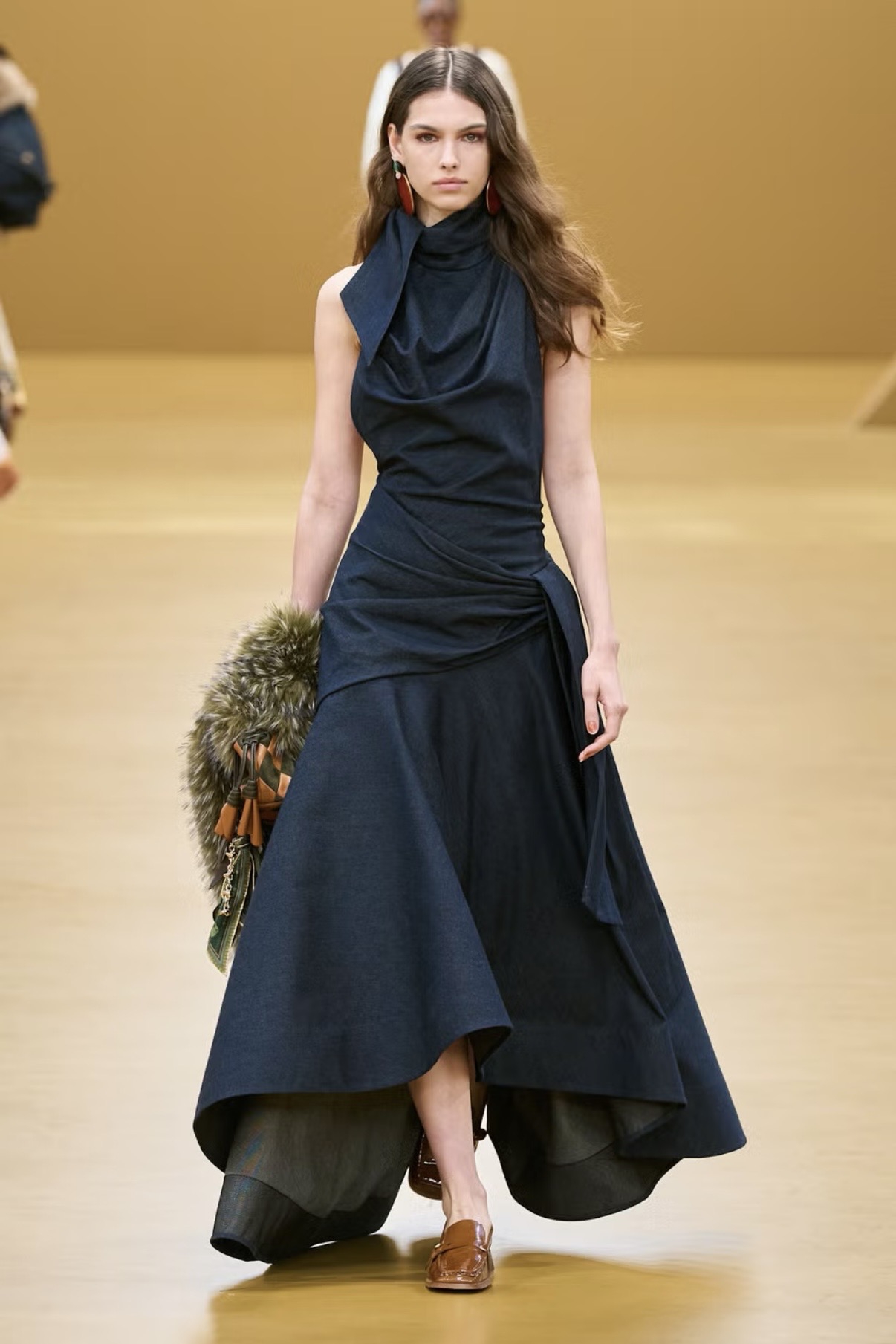
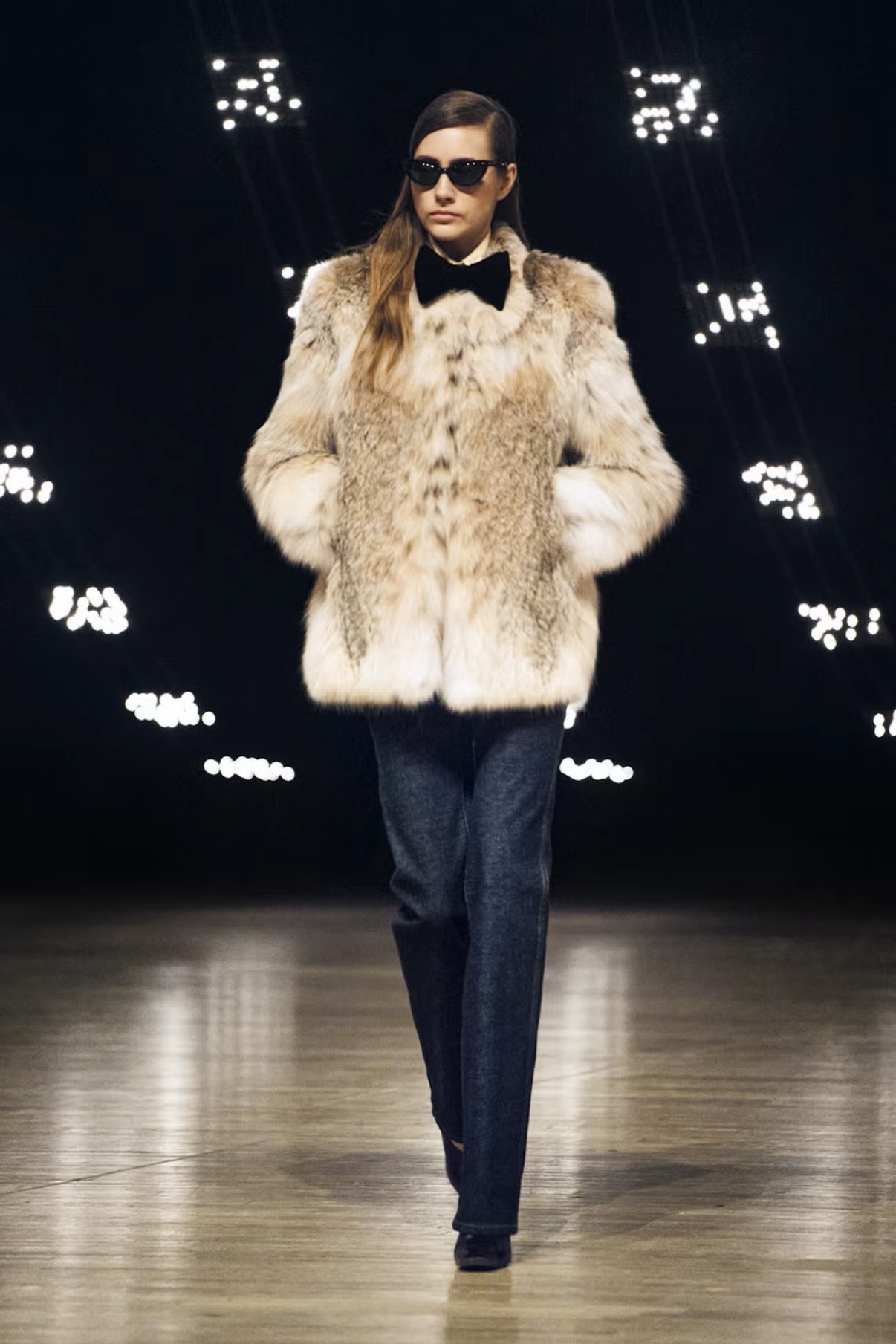
While the baggy and barrel-leg jeans have maintained high market penetration, the Fall/Winter 2026 runways confirmed a subtle recalibration toward slimmer, more tapered cuts. This is not a return to the extreme "skinny jeans" of the 2010s, but rather a move toward tailored, high-rise silhouettes that offer a refined profile.
Retail data suggests that consumers are seeking denim that provides a "slimming effect" without sacrificing comfort. This shift has prompted brands to invest in advanced fabric technologies, incorporating higher percentages of elastane for flexibility while maintaining the structural integrity of heavyweight denim. This trend is often paired with minimalist tops, such as elbow-length cashmere sweaters or sleek bodysuits, creating a clean line that appeals to the corporate-casual market.
Utility Jeans and Sport-Inspired Styling
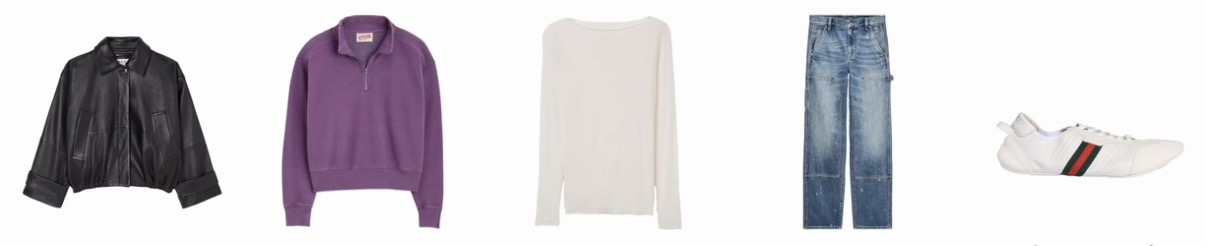
Utility-focused denim—characterized by pockets, reinforced seams, and oversized hardware—has transcended its workwear origins to become a high-fashion staple. The current iteration focuses on a "sporty-utilitarian" hybrid. By integrating elements of athleisure, such as quarter-zip sweatshirts and technical sneakers, designers have transformed the typically rugged utility pant into a versatile piece for urban environments.
This trend reflects a wider social change in how individuals dress for work. With the increase in hybrid work models, the lines between "sportswear" and "office-wear" have blurred. Denim manufacturers have responded by creating pieces that are technically proficient—offering high durability—but aesthetically aligned with modern, minimalist fashion.
The Preppy Resurgence in Denim Skirts
The revival of the preppy aesthetic, heavily influenced by the 1990s academic look, has found its way into denim design. The shift from micro-mini skirts to knee-length and floor-sweeping denim skirts is a direct response to the call for more modest and functional fashion. This trend has been amplified by the runway presence of houses like Prada, which highlighted the juxtaposition of rigid denim against soft, tailored wool blazers.
The implication for the average consumer is a move toward more "office-appropriate" denim. By styling a denim skirt with a plaid blazer, a button-down shirt, and suede boots, the outfit becomes a functional, stylish choice for professional settings. This trend highlights the versatility of denim as a fabric that can adapt to traditional tailoring codes when styled with intention.

Colorful Denim and the Modern Palette
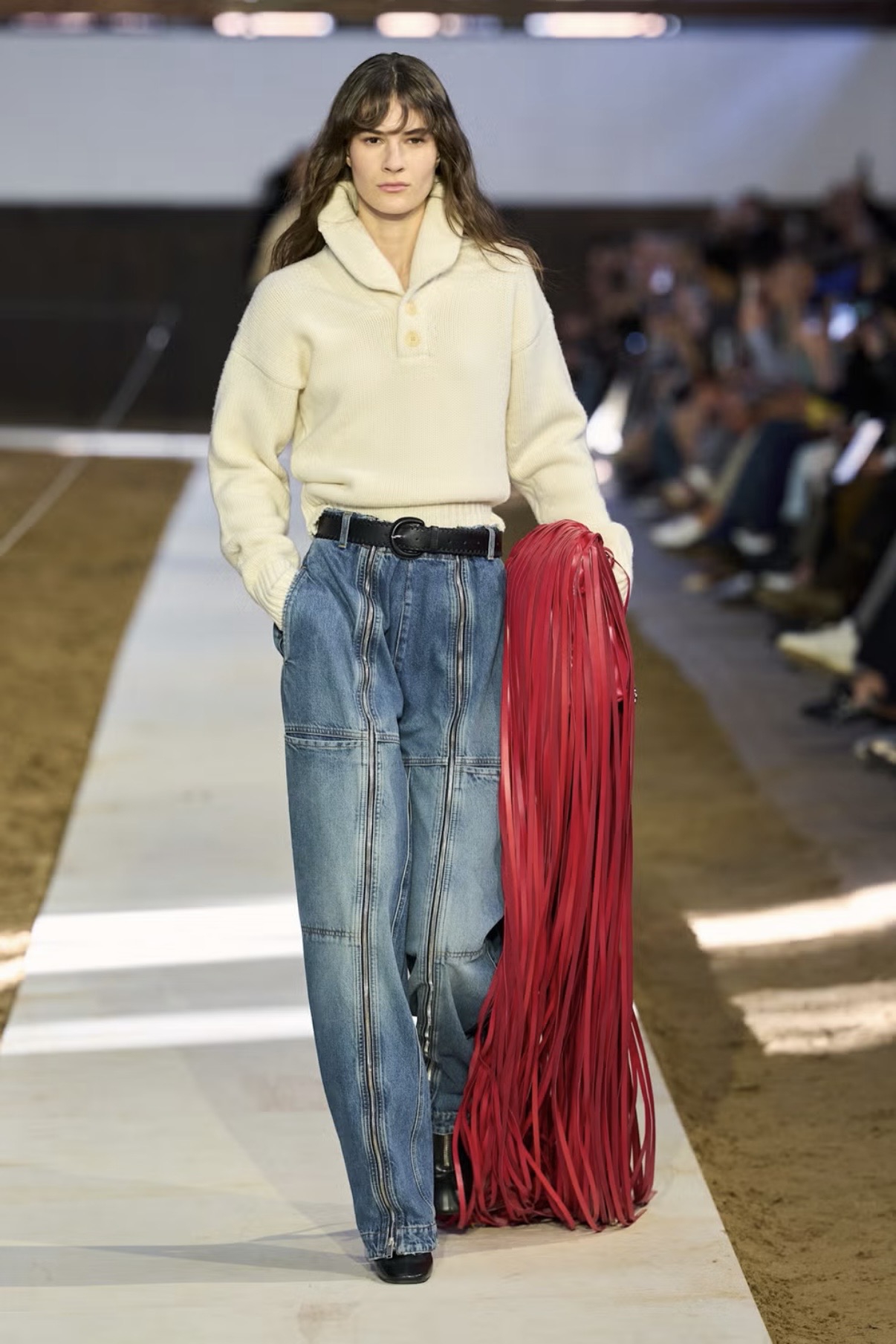
Finally, the reintroduction of colored denim, championed by designers like Dario Vitale, signals a move toward more expressive fashion choices. After years of neutral-dominated wardrobes, the inclusion of deep reds, purples, and earthy tones provides a much-needed break from the standard blue wash.
The challenge, as identified by fashion critics, is maintaining harmony. The most successful implementations of colored denim in the 2026 season have focused on a restricted palette. By limiting the color spectrum of the accessories and layers to match or complement the denim, the overall look remains sophisticated rather than chaotic. This approach allows for individual expression while maintaining the polished standard expected in contemporary fashion.
Broader Economic and Environmental Implications
The 2026 denim market is not just about aesthetic shifts; it is defined by a significant focus on supply chain transparency. Many of the brands mentioned, including Levi’s, Frame, and Nili Lotan, are increasingly reporting on their water usage and dyeing processes. As regulatory bodies in the EU and North America tighten standards for textile waste, the industry is seeing a consolidation toward high-quality, long-lasting denim rather than disposable garments.
The longevity of these trends—from the dark indigo washes to the structured skirts—suggests that the industry is attempting to stabilize the market. By promoting styles that have a "timeless" quality, brands are aiming to reduce the rate of returns and waste, encouraging consumers to view their denim purchases as investments.
Conclusion
The Fall/Winter 2026 season represents a maturation of the denim category. By moving away from the extreme silhouettes of the past and focusing on tailored, functional, and aesthetically cohesive designs, the fashion industry has successfully repositioned denim as a cornerstone of the modern wardrobe. Whether through the resurgence of the dark indigo aesthetic, the elevation of the denim dress, or the integration of sporty-utilitarian pieces, the current trends offer a wide range of options for diverse personal styles. As we move into the upcoming season, the emphasis will undoubtedly remain on balancing the heritage of denim with the modern requirements of versatility, sustainability, and comfort. The era of "fast" denim appears to be giving way to a more thoughtful, curated approach to garment ownership, ensuring that the pieces invested in today remain relevant for seasons to come.